As Artemis II nears launch, a look back at the Artemis I mission
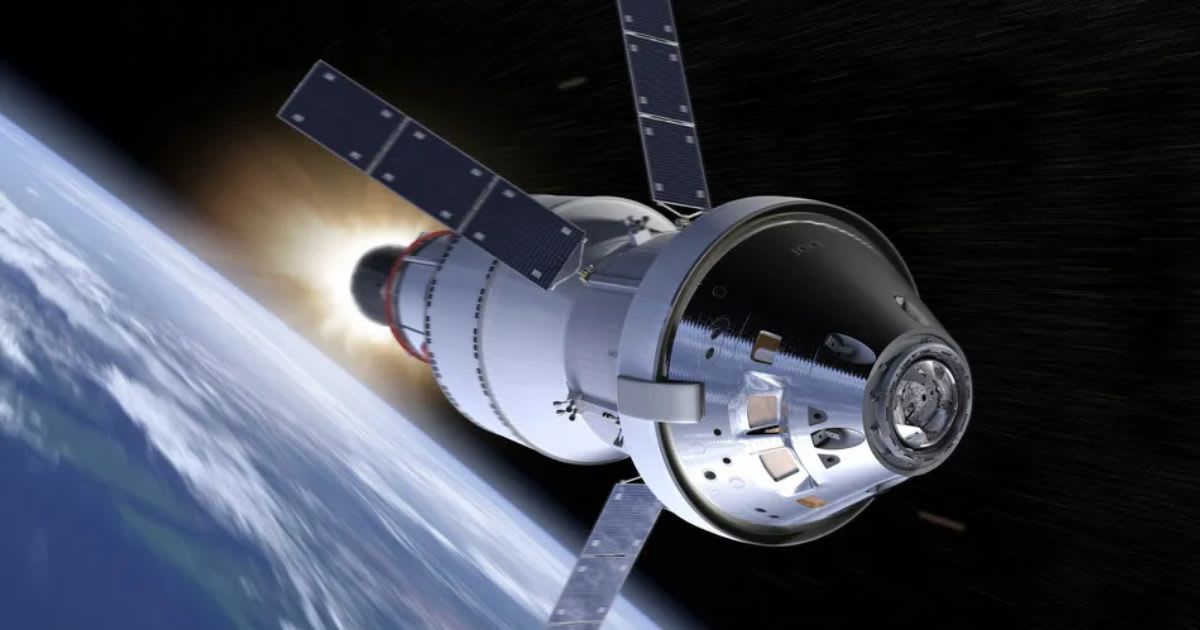
NASA is closer to sending people back to the moon, and with the Artemis II mission, the dream of setting foot on the lunar surface again seems just one step away. The upcoming mission will take four astronauts on a 10-day journey around the moon, where they will thoroughly test the life-support systems and the technology needed for a permanent human settlement on the moon, according to NASA.
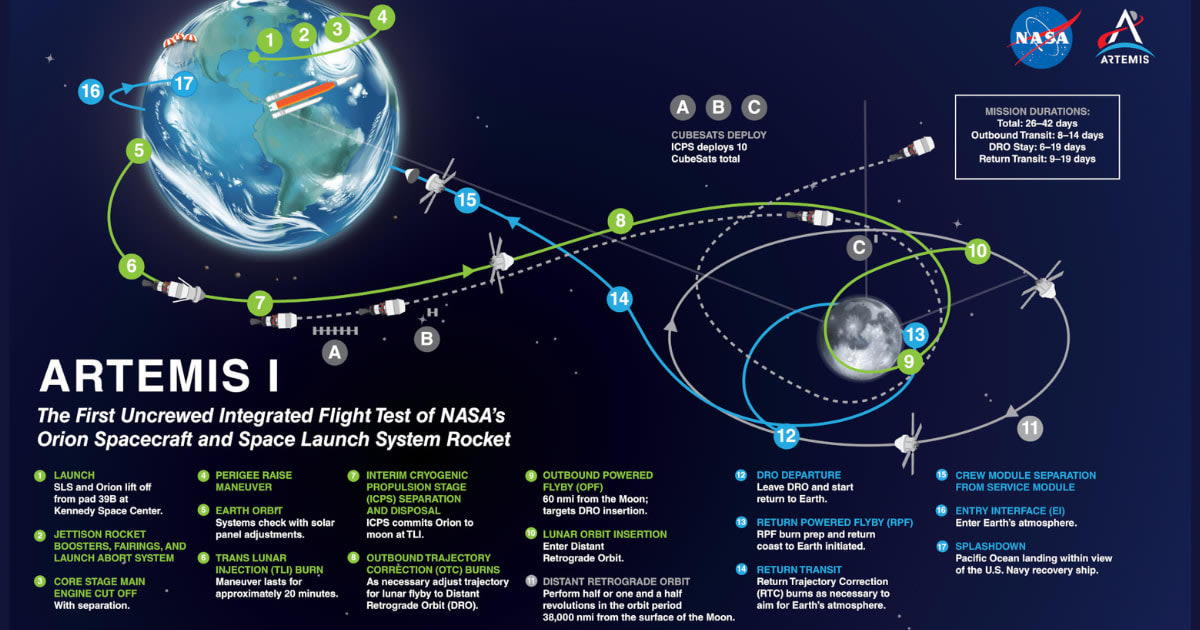
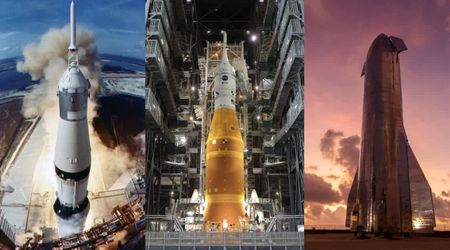
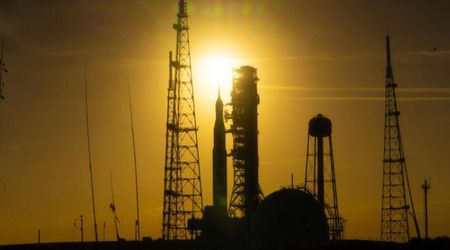
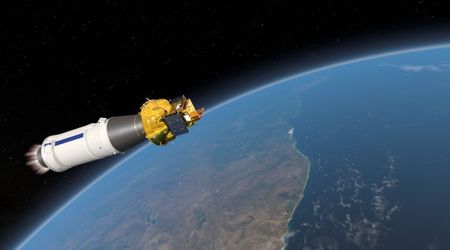
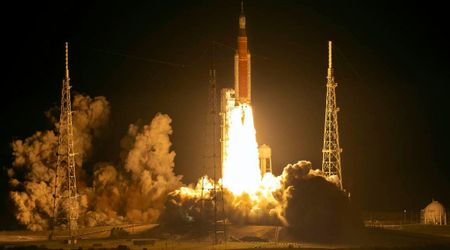
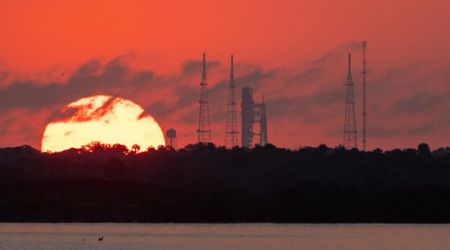
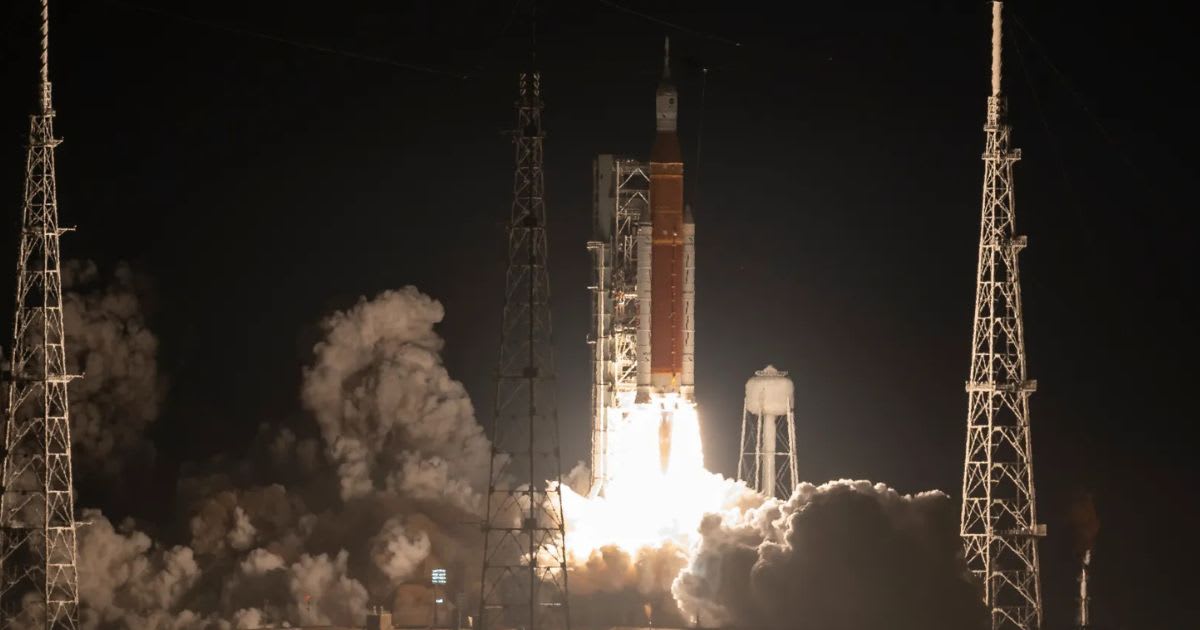
The foundation for the Artemis II mission was laid on November 16, 2022, when the uncrewed Artemis I mission was launched from Launch Complex 39B at Kennedy Space Center, Florida, per NASA. During this uncrewed flight, NASA’s most powerful rocket, the Space Launch System (SLS), was first used with the Orion spacecraft.
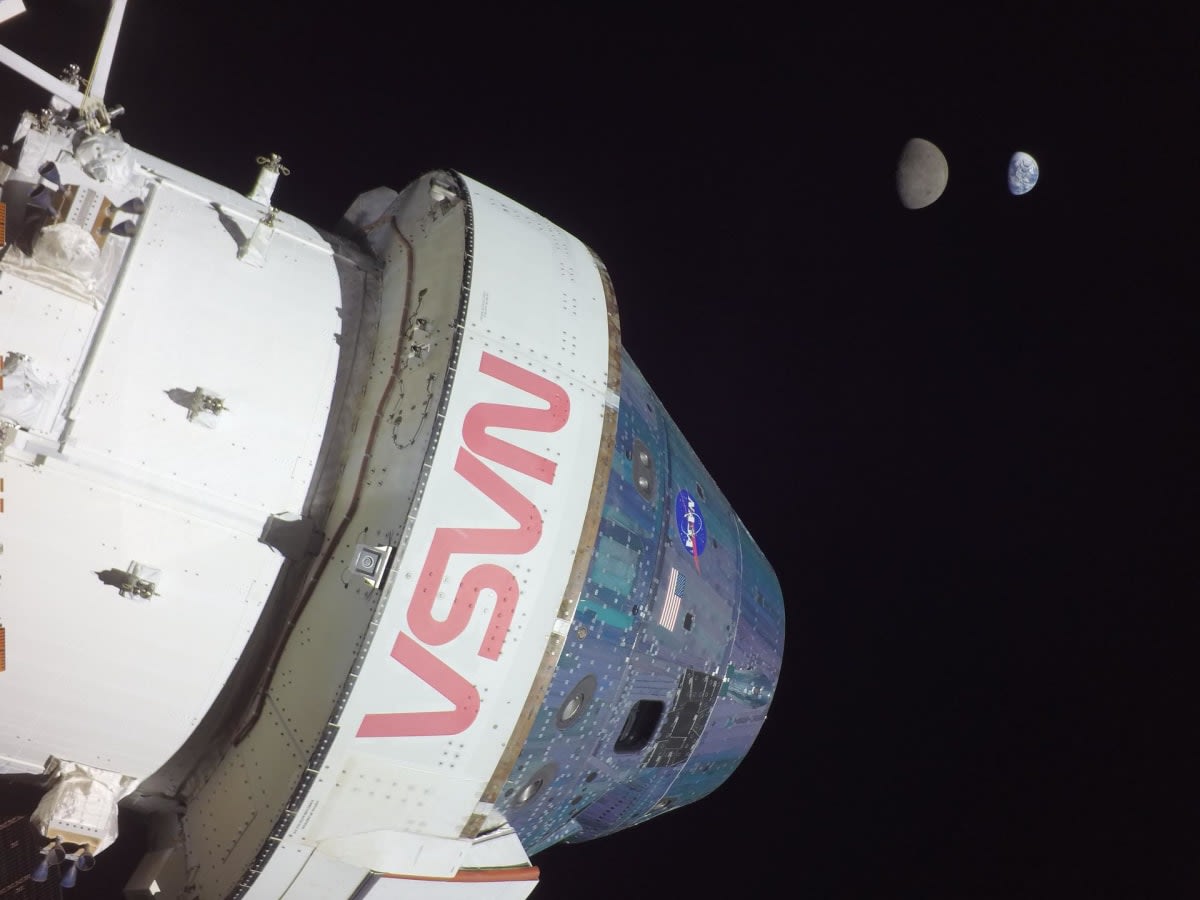
Before the successful splashdown on December 11, 2022, the mission set numerous records and accomplished many milestones. The Orion capsule aboard the SLS rocket went further than any other spacecraft built for or flown by humans in history and travelled 268,563 miles from Earth. In addition, it showed tremendous endurance by staying in space for over 25 days without needing to dock at a space station. The spacecraft, upon return, flew through the atmosphere at a raging speed of 25,000 mph, withstanding extreme heat to test the safety limits of the vehicle before coming back home.
During the first launch from Kennedy Space Center, the SLS rocket showed its power. The giant vehicle gave the Orion capsule a push towards the moon with 8.8 million pounds of thrust. The rocket's "Block 1" configuration used in the trial showed that it could take over 27 metric tons of payload to lunar orbit and back, thus confirming it has the power for deep-space exploration.
The mission came to an end with a risky demonstration of Orion's landing accuracy that was of the highest importance. The capsule landed in the Pacific Ocean near San Diego, landing right in the view of the main recovery boat. NASA and U.S. Navy divers went to the spacecraft in small boats to check on safety while the spacecraft was still powered on. These divers made sure the capsule was safe and, after that, the engineers attached the towing ropes and moved the spacecraft into the hold of a Navy ship for its last journey back to shore.

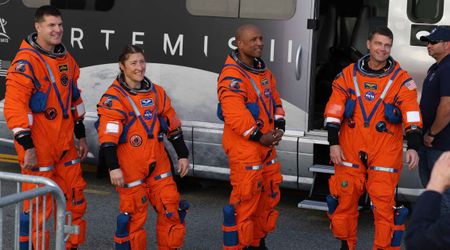
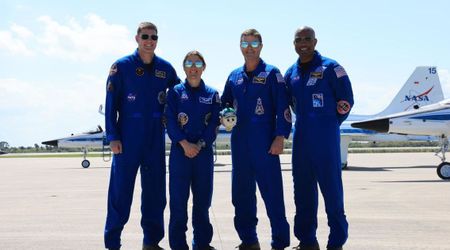
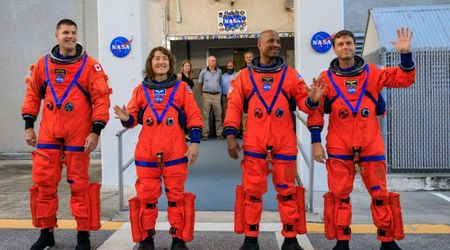
The data collected from Artemis I has made the spacecraft and rocket ready for their most significant cargo: the humans. Eventually, Artemis II will take these verified systems to the extreme with a crew on board, making the agency one step nearer its goal of keeping humans on the moon for a long time. According to NASA, for Artemis II, the Commander of the mission will be Reid Wiseman, while the pilot will be Victor Glover. The mission specialists will be Christina Koch and Jeremy Hansen, with the latter being the one from the Canadian Space Agency.
Correction in the article published on January 22, 2026: The Orion launched on the SLS rocket during the Artemis I mission holds the record for traveling farther than any spacecraft built for humans, and not for being the only spacecraft that went further than any other human-built one in history. The correction has been made and is reflecting now.
More on Starlust
The Artemis II crew: All about the people powering NASA’s return to the Moon
NASA is heading to the Moon again: 5 things to know about the Artemis II mission