Artemis II launch on April 1: Where and how to watch the livestream. Full details

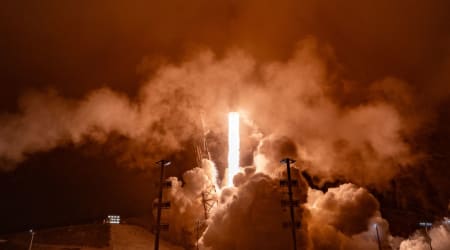
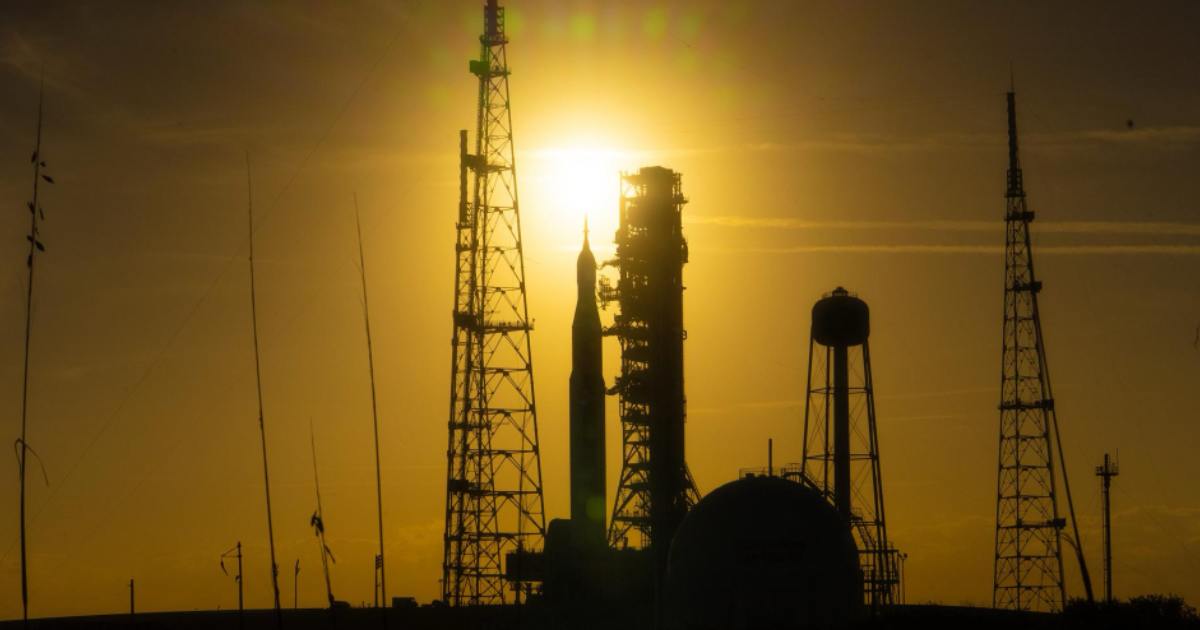
With the historic lunar flyby inching closer to launch, NASA’s Artemis II mission is ready to bless viewers worldwide with a grand online broadcast. Happening after 50-plus years, this mission is set to take off on Wednesday, April 1, marking the first crewed Artemis flight around the Moon, as per NASA. With all final preparations underway, the agency is targeting liftoff during a two-hour window that opens up at 6:24 p.m. EDT tomorrow from the Kennedy Space Center’s Launch Pad 39B in Florida, moving closer to the launch countdown. As the agency prepares to provide the comprehensive live coverage of this groundbreaking mission, here is everything that you need to know to watch the Artemis II launch in full action.
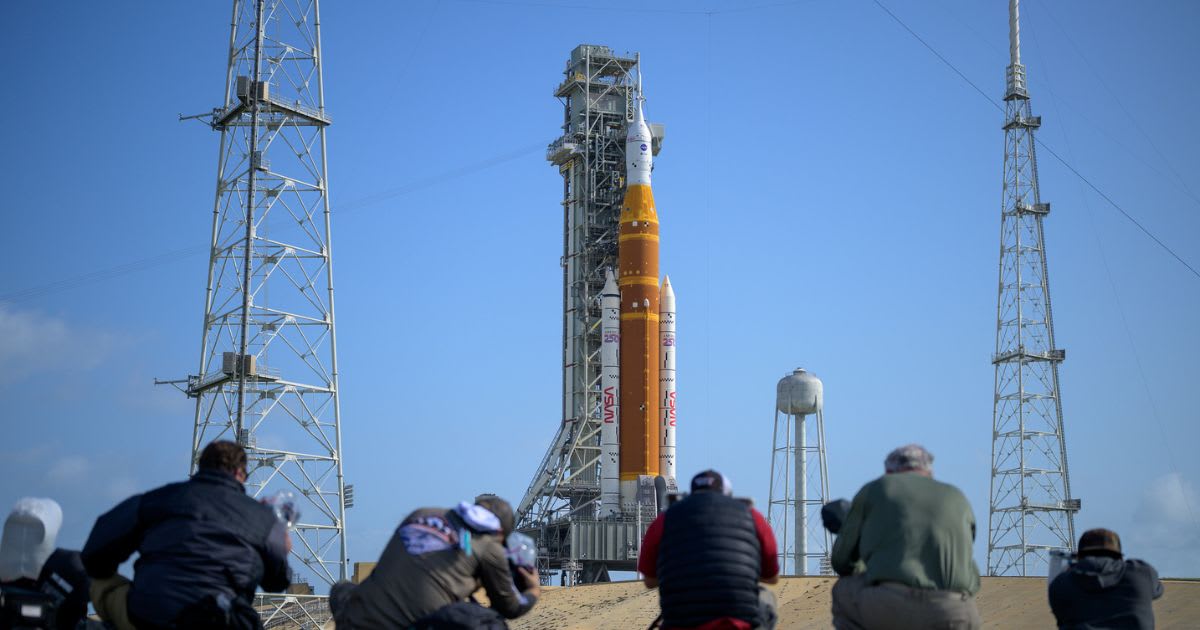
The space agency has planned a variety of prelaunch, launch, and mission events for the Artemis II mission that will be available to stream online. NASA will provide 24/7 mission coverage, along with documenting briefings and events, which will be available to watch across multiple platforms like NASA+, the agency’s X account, social media platforms and other third-party streaming services. The real-time coverage of the mission, capturing humanity’s return to the lunar frontier, will be available on its YouTube channel. This will also include a live stream from the Orion spacecraft, depending on bandwidth availability. You can tune in accordingly, depending on your timezone, as each event will have a separate stream closer to its start time. You can also refer to NASA’s 'Ways to Watch' website to help you choose the appropriate streaming platform for yourself.
Now, these are the details regarding the upcoming live coverage events for viewers to keep in mind:
(All timings are in EST)
1. Monday, March 30 — Today, at 5 pm EST, NASA will be hosting a news conference outlining details regarding launch preparations. Available to stream on YouTube.
2. Tuesday, March 31 — At 1 pm EST, NASA will hold a prelaunch news conference on the mission. Available to stream on YouTube.
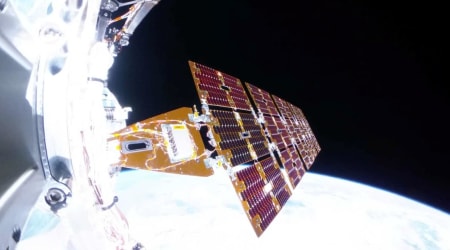
3. Wednesday, April 1 — At 7:45 am, live coverage of the tanking operations for the SLS will commence. This will include views of the rocket paired with expert commentary. Then, at 12:50 pm, launch coverage of the awaited Artemis II will begin, capturing a view of Orion deploying its solar array wings in space. Approximately two and a half hours after the launch, a post-launch news conference will be hosted by NASA discussing details regarding the SLS rocket firing up its system to send the Orion crew into high Earth orbit. All this will be available to watch across multiple platforms.
Individuals can also register to attend the launch virtually, as the virtual guest program to watch the mission will include launch resources, notification updates and a stamp for the NASA virtual guest passport post-launch. The daily mission status briefing will commence on Thursday, April 2, from NASA’s Johnson Space Center in Houston, excluding a status update on April 6, as that day the crew will be the closest to the Moon. The crew will also participate in live conversations throughout the mission, with details posted on the Artemis blog.
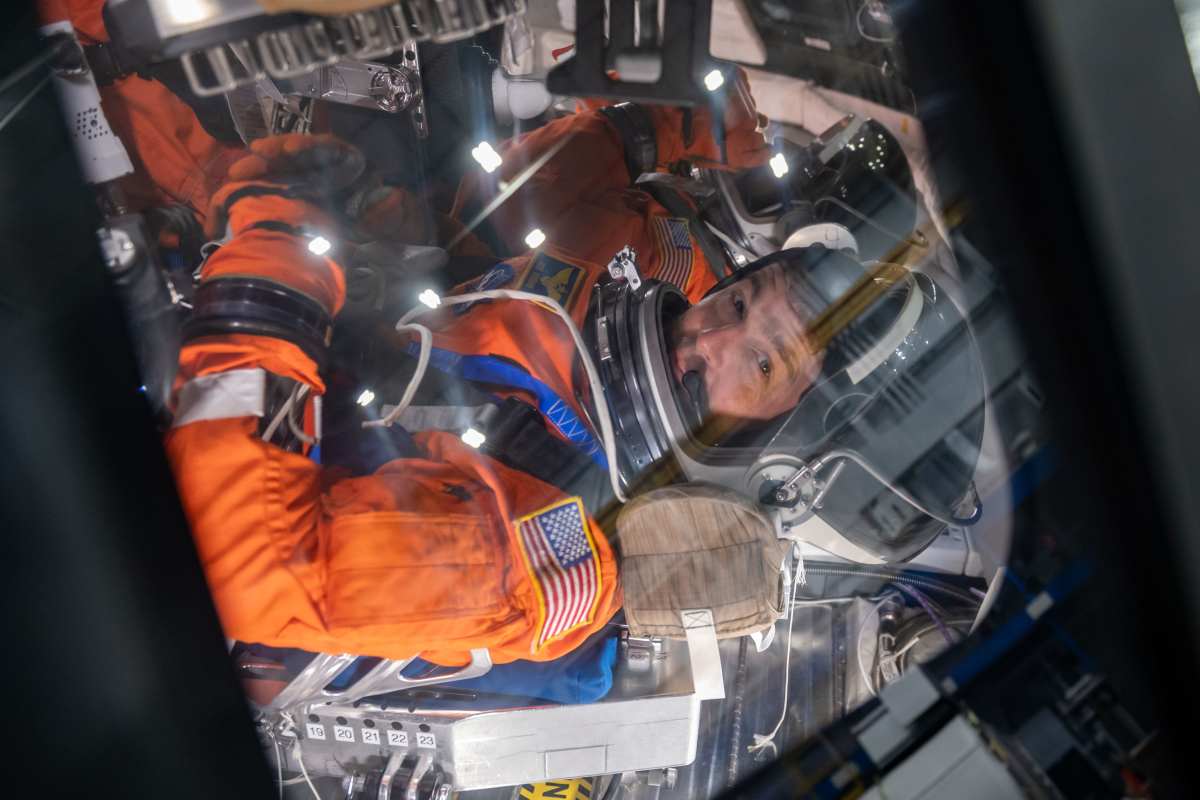
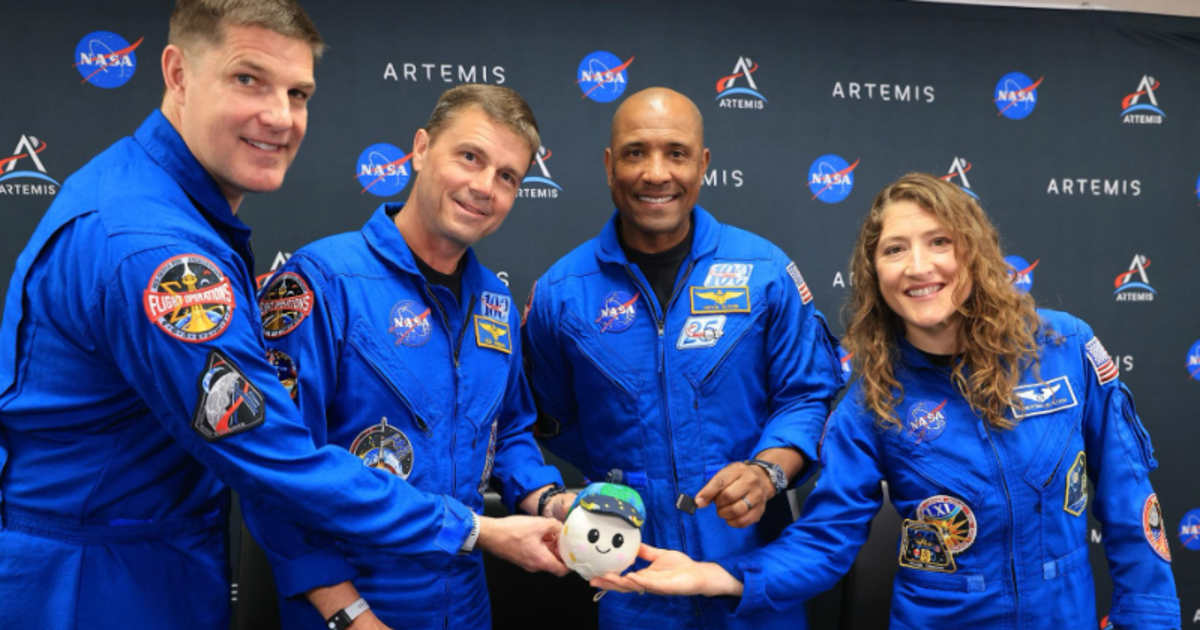
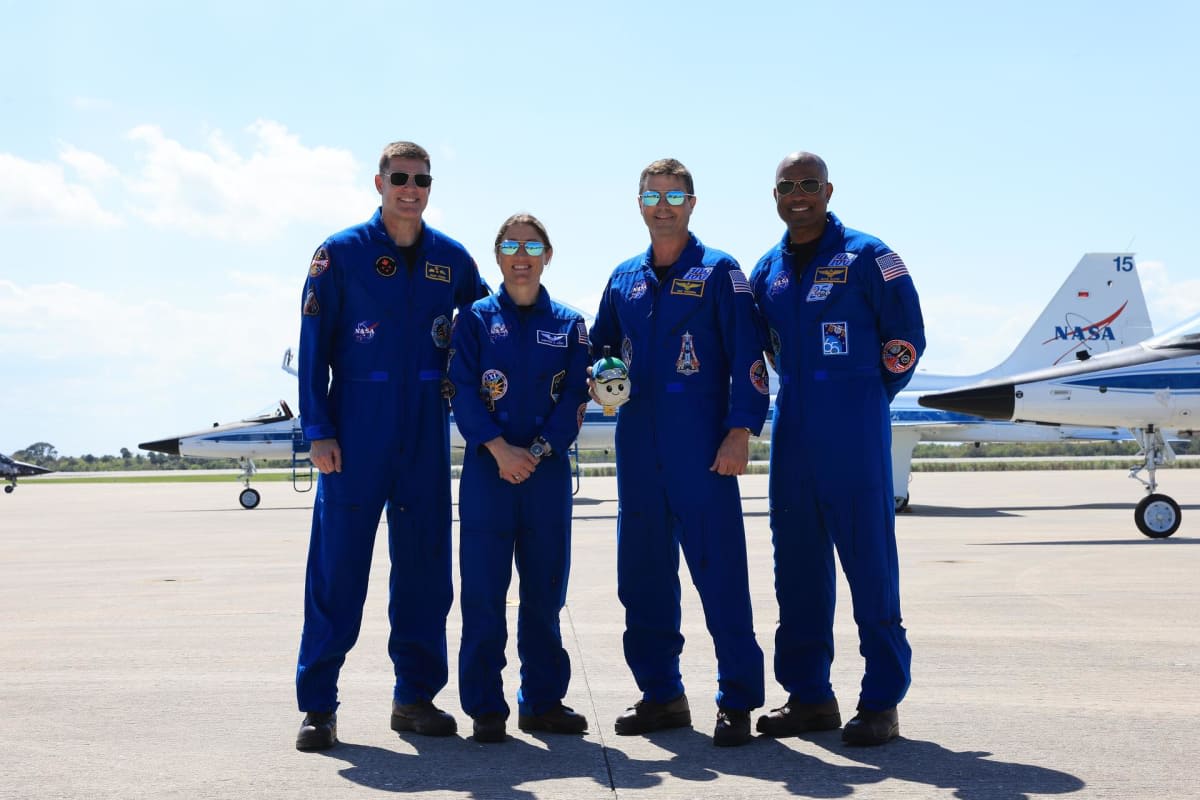
The Artemis II mission will carry four astronauts - Reid Wiseman, Victor Glover, Christina Koch, and CSA (Canadian Space Agency) astronaut Jeremy Hansen - on a 10-day trip around the Moon aboard the Orion spacecraft. As it is just a flyby, the crew will not be setting foot on the lunar surface; instead, the Space Launch System (SLS) and the Orion capsule's systems will be put to the test for future landings. This mission marks a bold step toward establishing a sustainable human presence on the Moon, with eventual plans to explore Mars.
NASA’s team of experts confirmed in a countdown status update on Sunday that all systems are ready for the launch of the Orion capsule on Wednesday. With additional launch opportunities through Monday, April 6 and no further delays in sight, get ready to experience the highly anticipated Artemis II launch live!
More on Starlust
Artemis II moves towards launch countdown as crew arrives at Kennedy Space Center