Artemis II crew to answer media's questions tonight amid yet another busy day aboard Orion
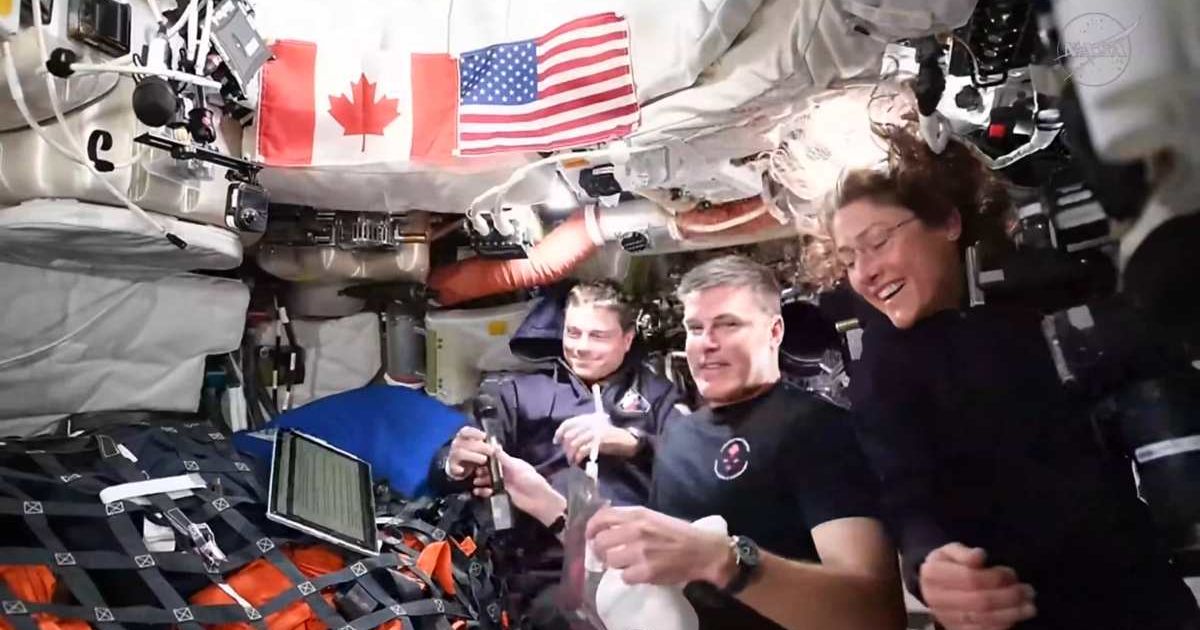
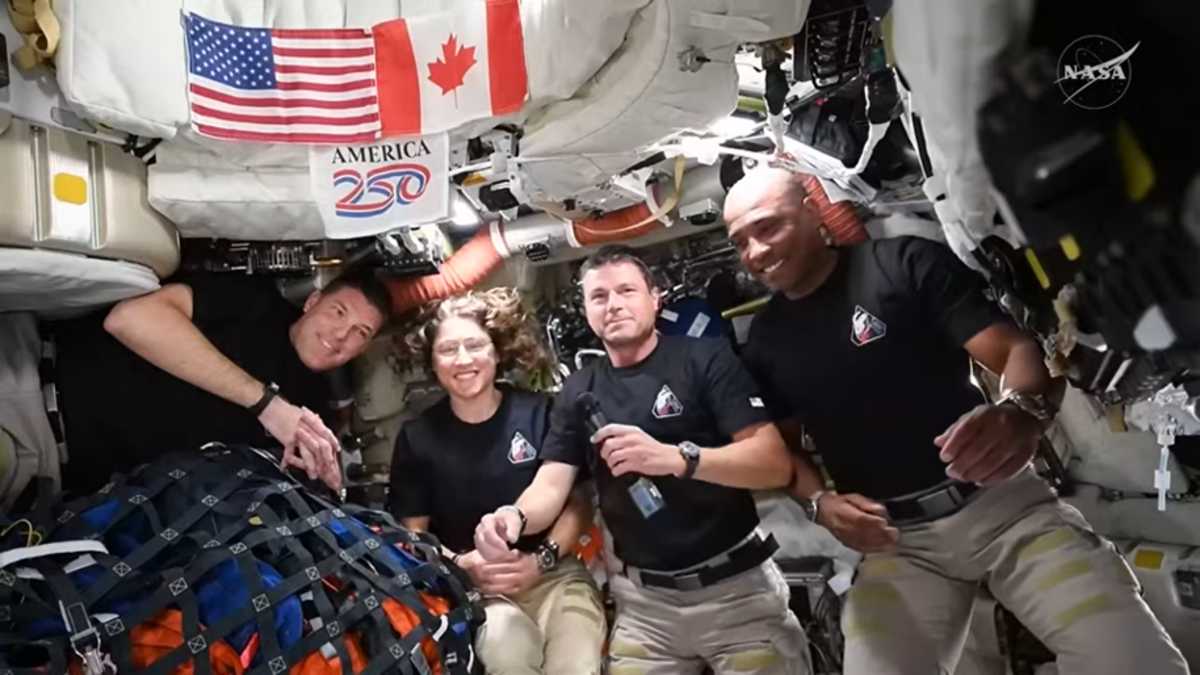
NASA has announced that the flight crew of Artemis II will address questions from the media at 9:45 pm EDT today, April 8, 2026. The whole interaction will be streamed live on NASA's YouTube channel, and an instant replay will also be made online. Currently, on their way back to Earth, they have successfully completed detailed lunar observations, some of which were made at a distance of just 4,067 miles. The virtual news conference has been scheduled to be 20 minutes long amid other activities planned for today.
Day 8 of the mission will feature tests to assess the crew’s ability to be able to shield themselves from space weather events like solar flares, which can carry a far greater radiation threat in the deep space environment. NASA's Space Weather Analysis Office at Goddard Space Flight Center has been tracking solar events throughout the duration of the mission so as to ensure that the crew is warned in time in case of a radiation event. Each of the astronauts also has a device called the Crew Active Dosimeter on their person to monitor exposure to radiation. In addition to this, a group of six active sensors, collectively referred to as the Hybrid Electronic Radiation Assessors, has also been deployed across various locations inside the Orion crew module.
In order to shield themselves from radiation, the astronauts aboard Orion will need to add mass between themselves and the exposed area of the capsule. This can be done by simply shifting the stowed-away equipment to the area.
Hello, Moon. It’s great to be back.
— NASA (@NASA) April 7, 2026
Here’s a taste of what the Artemis II astronauts photographed during their flight around the Moon. Check out more photos from the mission: https://t.co/rzM1P0QbOl pic.twitter.com/6jWINHkDLh
The practice of improvising with things on hand is not new on NASA missions. Apollo 17, the last crewed mission to the lunar surface, also featured an instance of using tape and maps to mend a broken fender of the lunar rover to protect it from lunar dust. Even during Artemis II’s journey towards the Moon, a conversation between mission controllers and Integrity involved teams in Houston asking the crew to cover up the Sun-facing windows with T-shirts.
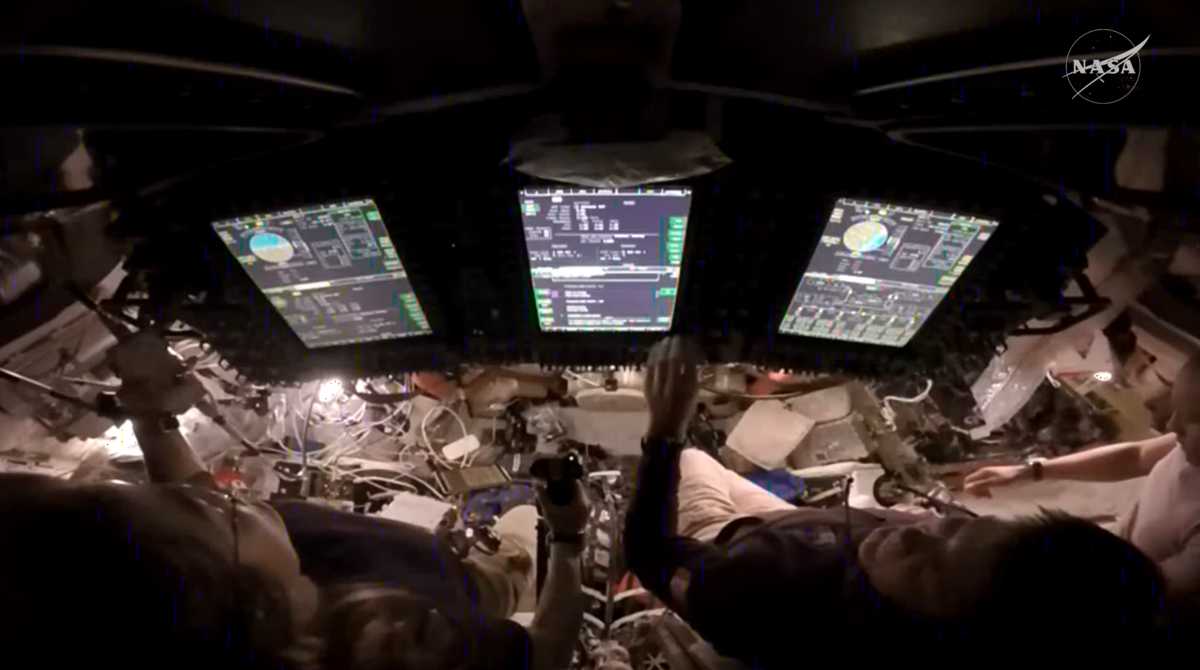
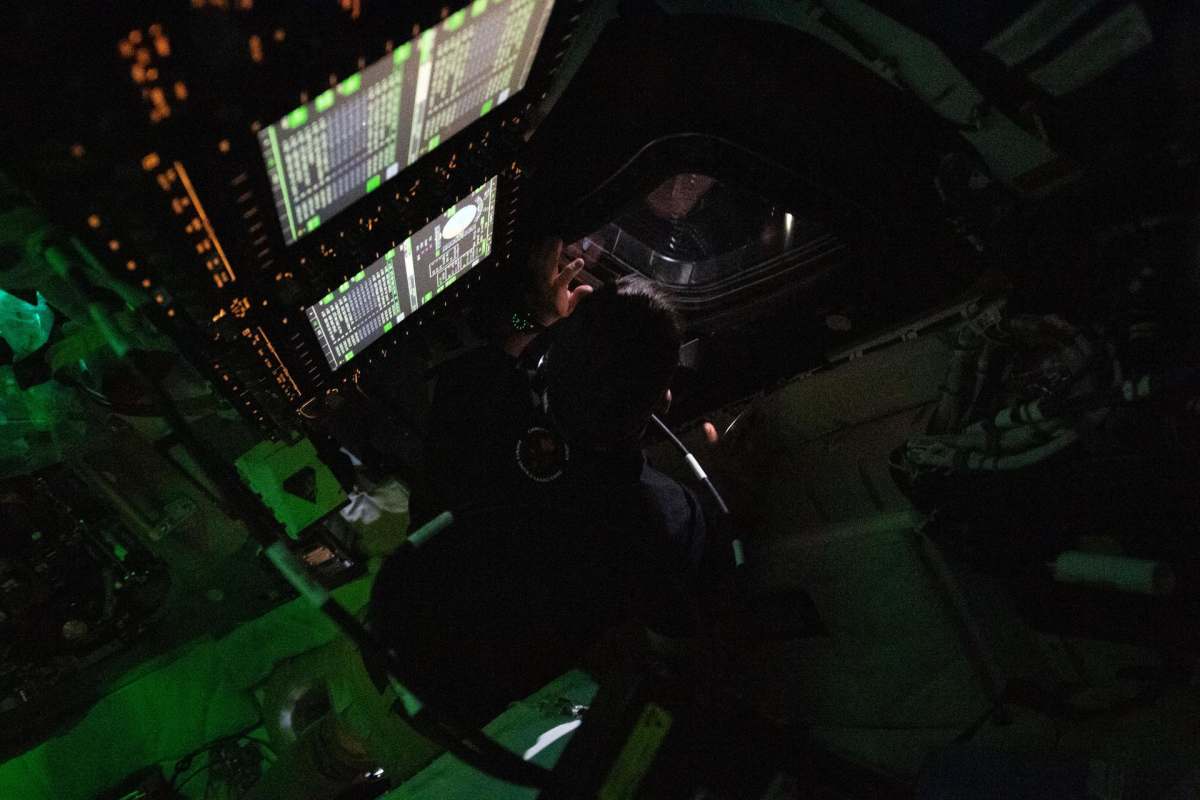
Later in the day, the crew will manually pilot Orion once again to test its handling capability. This will involve locking onto a target of choice through Orion’s windows, adjusting to a tail-to-Sun attitude, and performing attitude maneuvers. As things stand, the Artemis II crew is scheduled to splash down off the coast of San Diego at around 8:07 p.m. EDT on Friday, April 10.
More on Starlust
All about Christina Koch, the first woman to fly around the Moon as part of Artemis II
'I said a little prayer': Artemis II's Victor Glover on his experience during the comms blackout