April 2026 skywatching guide: Full Pink Moon and other stunning events to watch this month
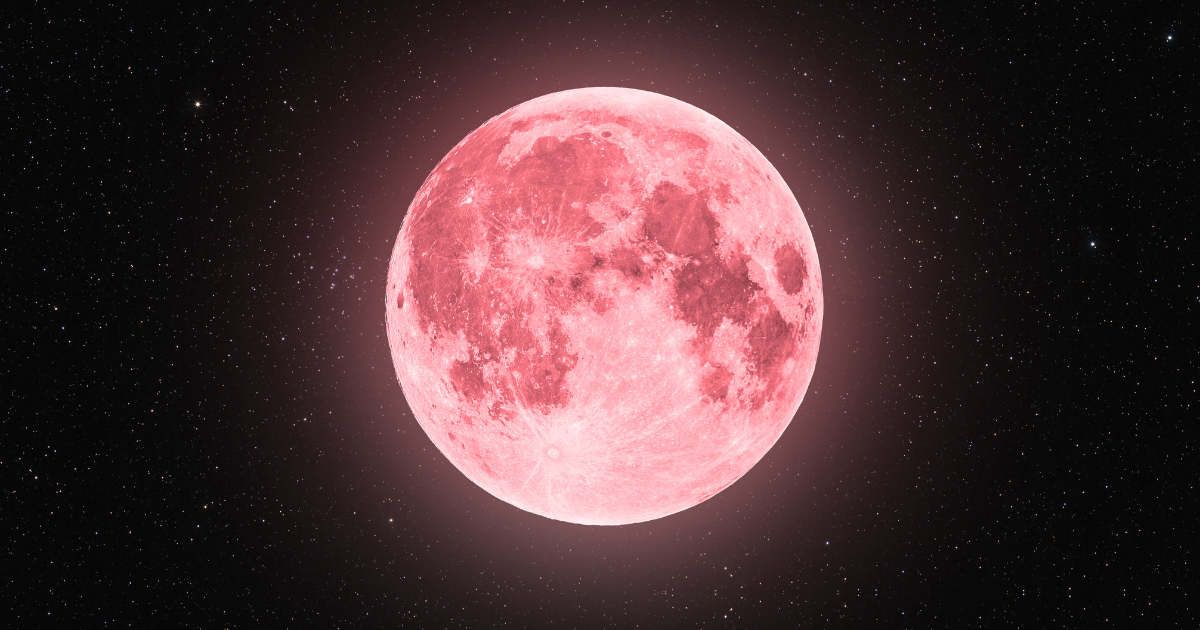
The launch of the historic Artemis II mission, although the highlight, is not the only big sky event that the month of April will feature. From the glow of the Pink Moon and Mercury to a meteor shower and a comet streaking across the sky, there is a lot in store for skywatchers to look forward to.

Full Pink Moon: April 1
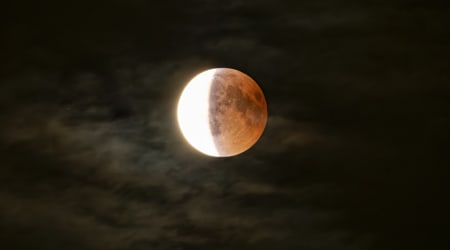
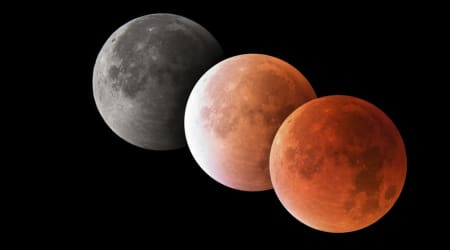
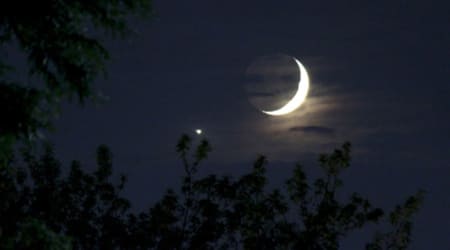
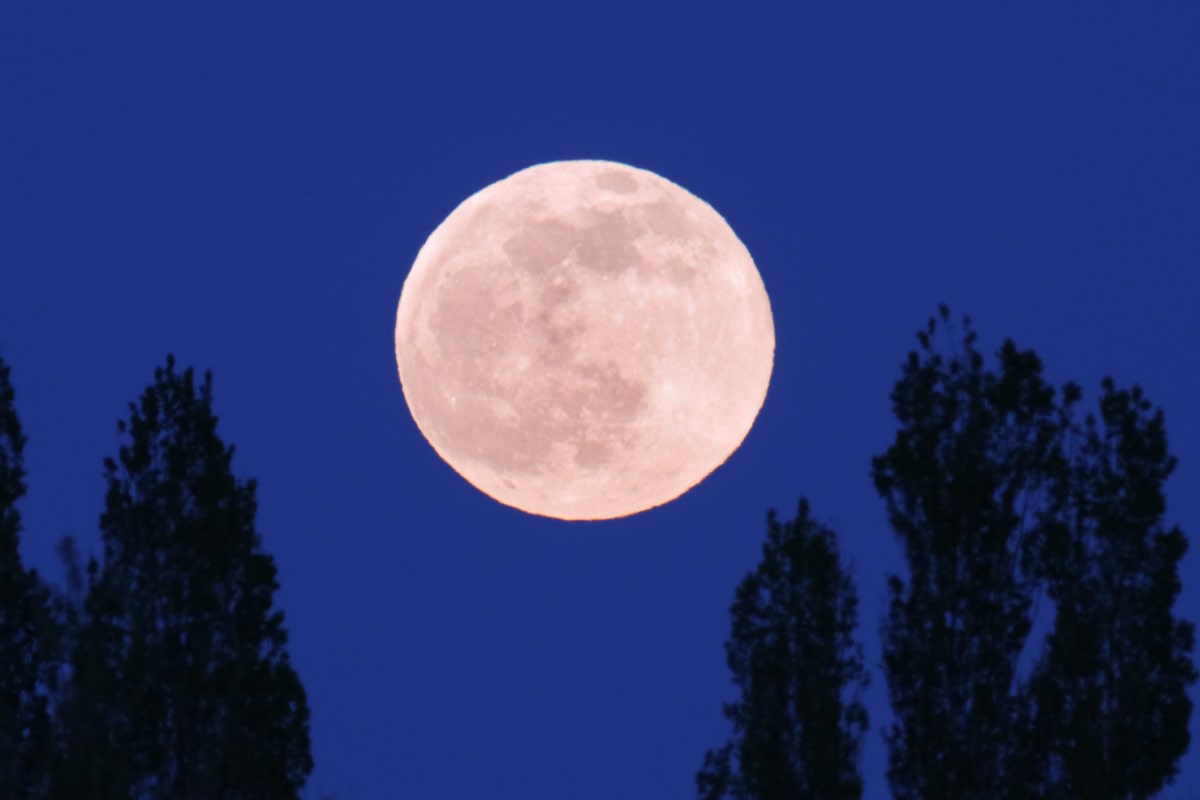
April 1, 2026, which is also the current launch date for Artemis II, will be graced by a Full Moon peaking at 10:12 pm EDT, according to TimeandDate. Commonly referred to as the ‘Pink Moon,’ this Full Moon will appear as a supermoon floating above the horizon, even though it won't qualify as one. At this time, we will be able to see the lunar disk completely illuminated by the Sun, with the Moon developing a yellow-orange hue at moonrise and moonset as the light reflected from its surface is filtered through Earth's atmosphere.
Mercury at greatest elongation: April 3
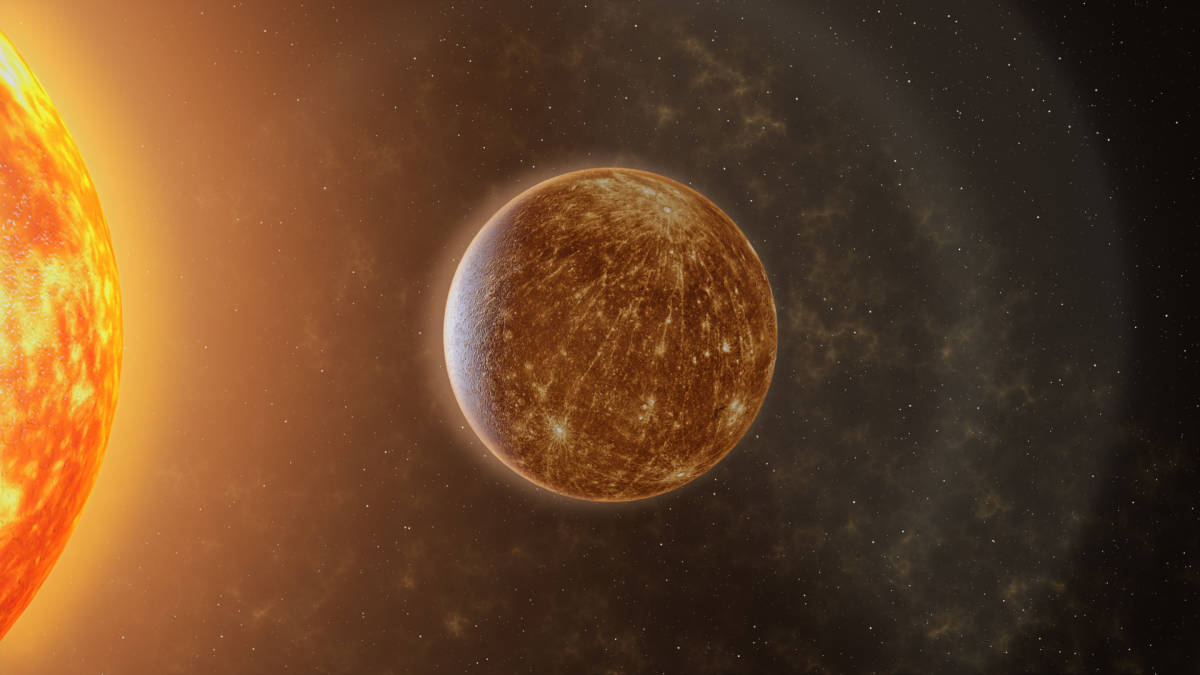
Before we even recover from the lunar light of the Pink Moon, we will be blessed with the stunning sight of Mercury in the sky on April 3. We will see this rocky planet shine extra bright on this day, being at its most visible all year as it reaches its greatest elongation. For the uninitiated, astronomers use the term ‘elongation’ to describe an inner planet's angular distance from the Sun and its blinding glare. To view the planet, turn your eyes east before sunrise. Mercury will be visible very low on the horizon, just above Mars, according to NASA.
Comet C/2025 R3: April 17
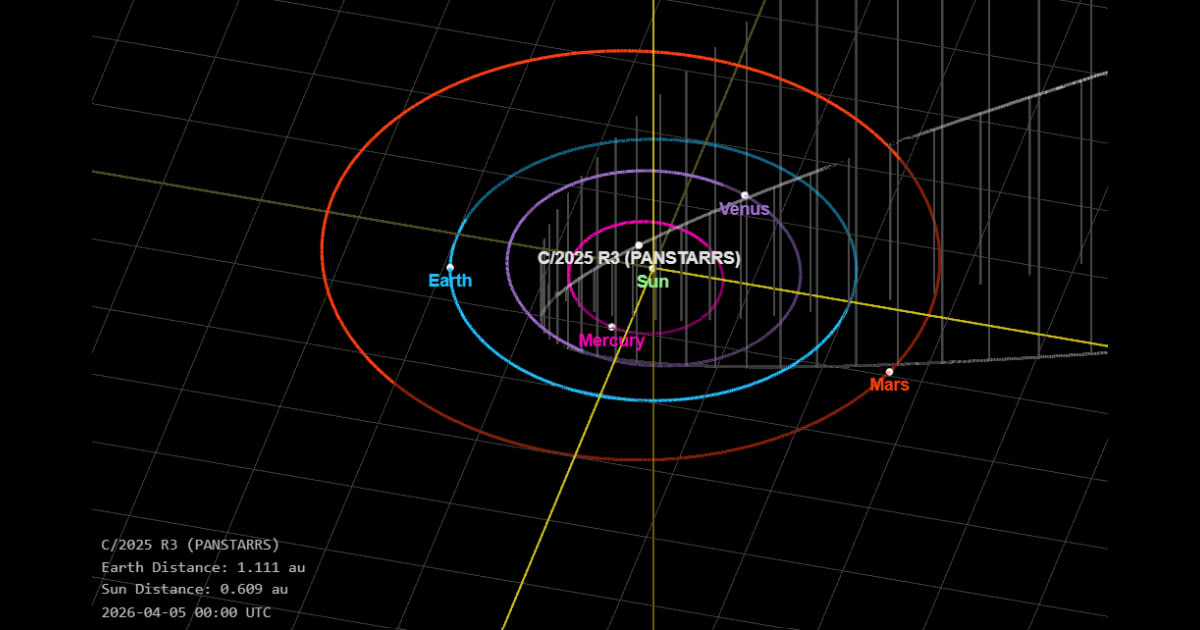
April 17 may bring with it the best opportunity to view Comet C/2025 R3, even though the comet will make its closest approach to Earth ten days later on April 27. Experts have estimated that this bright comet will likely reach magnitude eight, meaning that you will need the help of a telescope or binoculars to view this celestial beauty. The comet will be visible in the eastern sky in the constellation Pegasus, above the constellation Pisces. It will remain visible in the Northern Hemisphere during the predawn hours until the end of the month. In the Southern Hemisphere, however, it will be visible in the evenings in early May.
Lyrid meteor shower peak: April 21 to 22
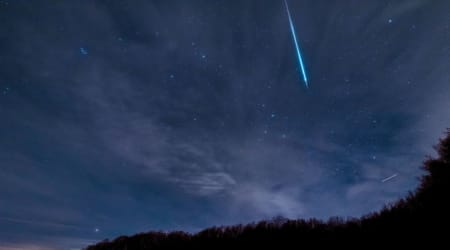
Not too long after Comet C/2025 R3 graces our skies, we will also be endowed with the breathtaking sight of the Lyrid meteor shower. This particular event, originating in the debris left behind by Comet Thatcher, will peak from April 21 to April 22. To experience the peak of the Lyrids, gaze toward the east starting at around 10 p.m. on the nights of April 21 and 22. The shower will be visible near the star Vega, the fifth brightest star in the night sky, located in the constellation Lyra, the Harp.
More on Starlust
Artemis II launch on April 1: Where and how to watch the livestream. Full details
NASA's top skywatching events for 2026: Total lunar eclipse, Perseid meteor shower and more