A meteorite crashed through the roof of a German home on March 8, reached as far as the bedroom
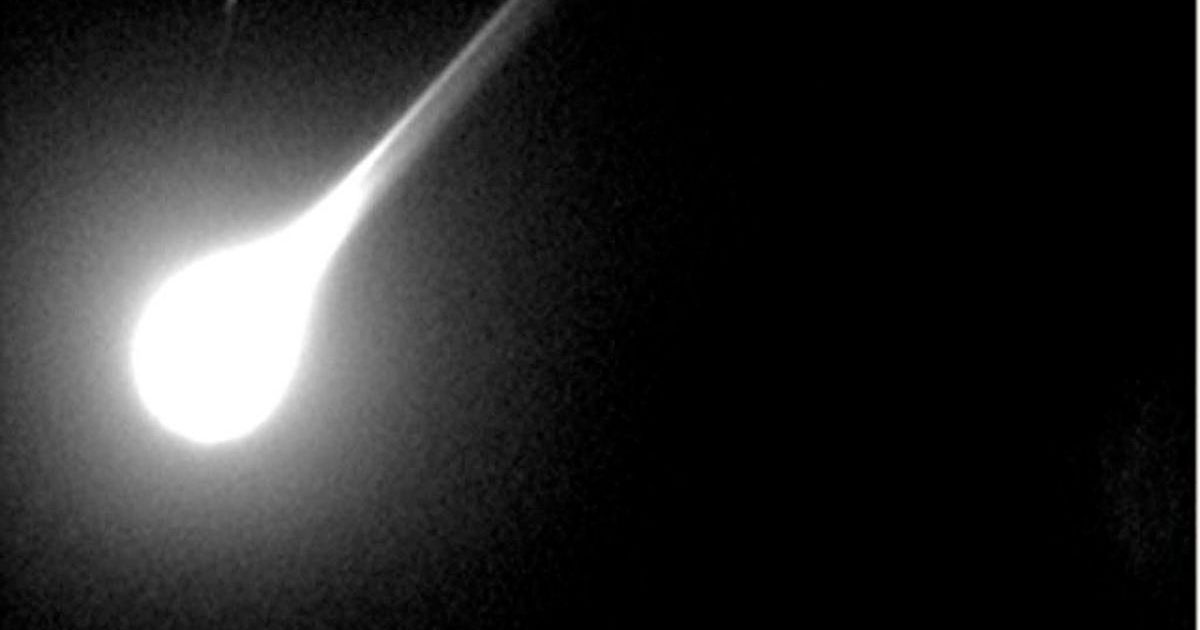
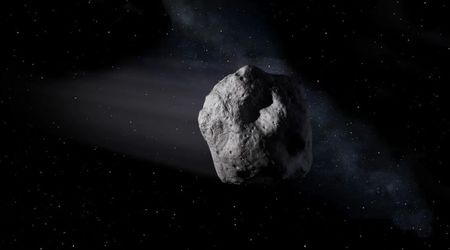
The Space Safety Programme of the European Space Agency has linked a meteoroid currently estimated to be up to a few meters wide to the fireball sightings over Europe on March 8, 2026. The program's Planetary Defence team is scouring data to make accurate estimates of its size. The meteor is reported to have fragmented into several smaller meteorites, one of which crashed through the roof of a home in Koblenz, Germany, creating a hole the size of a soccer ball and reaching as far as the bedroom.
Miraculously, no one has been reported to have been injured. Benjamin Marx, who is the operations manager at the city’s fire brigade, told Bild, “There were also people in the building, but not inside this room." The fireball associated with this meteorite that preceded the Koblenz home impact was spotted at around 17:55 UTC on Sunday by people in Belgium, France, Germany, Luxembourg, and the Netherlands. In fact, according to the International Meteor Organization, there have been over 3,000 individual reports from across Europe of the event that it has labelled as 1467-2026. Sounds produced by the fireball were also reportedly heard, per the ESA.
❗Update: Der Feuerball, der Sonntag gegen 19 Uhr über Mitteleuropa zu sehen war, ist bestätigt worden – es handelte sich um einen Meteoriten. ☄ Teile erreichten sogar den Boden und beschädigten ein Hausdach bei Koblenz. Verletzt wurde niemand.
— wetteronline.de (@WetterOnline) March 9, 2026
👉 https://t.co/bgidLlHSwM
The debris from the meteorite is also said to have caused damage to multiple other roofs and houses in Rhineland-Palatinate, with reports having come from the Hunsrück region and the Eifel mountains, among other places. According to the ESA, objects the size of this particular meteorite enter the atmosphere and strike the surface of the Earth every few weeks to a few hours. The ones striking every few years are usually tens of meters in width.
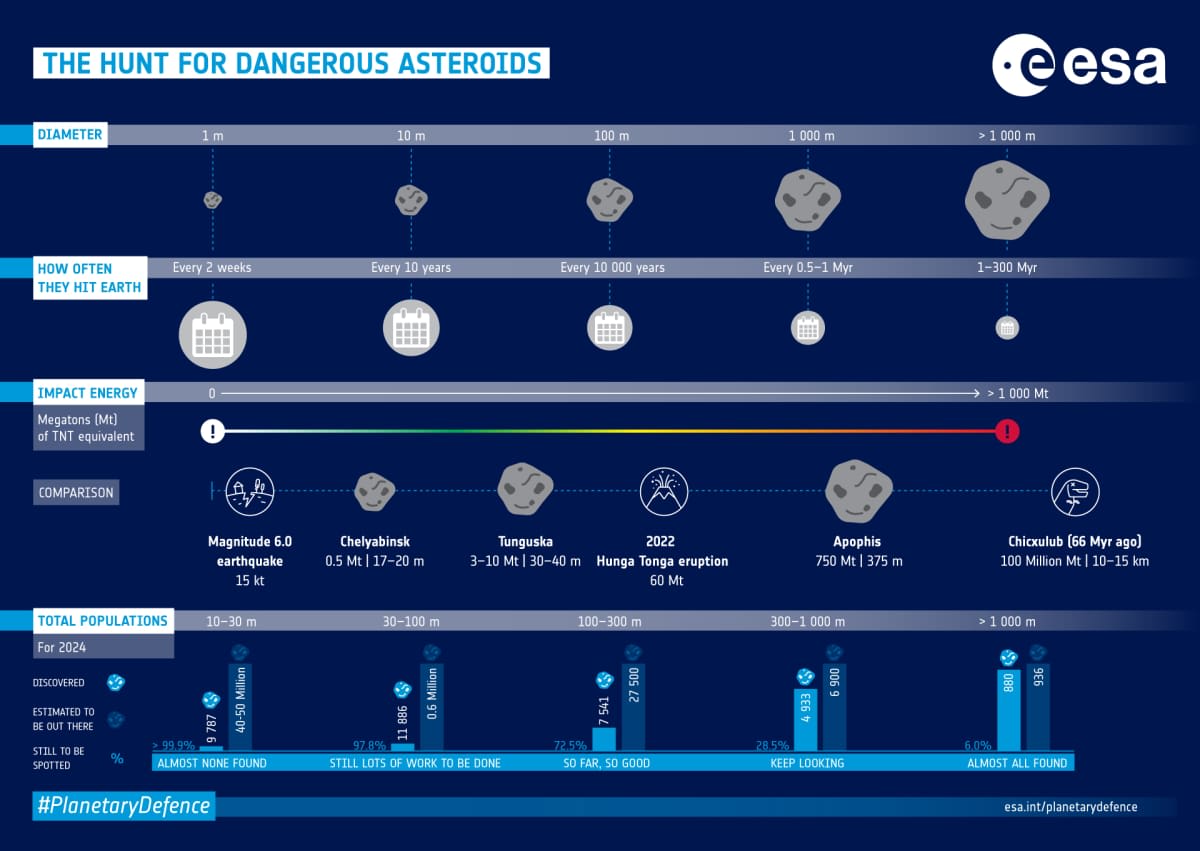
Scientists have estimated that every single day, about 48.5 tons of material fall into the Earth’s atmosphere. Most of them go 'poof,' leaving behind a tail we call shooting stars. And when several meteors are seen together within an hour or so, that is what we refer to as a meteor shower, a great example of which are the Perseids that are active around August every year. While these spectacular events are a sight to behold, and even as zero injuries have been reported so far in relation to the latest meteorite impacts, the threat posed by larger meteorites and rogue asteroids is ever-present.
WATCH: Stunning shot of meteor in North Rhine-Westphalia, Germany; fragments damage homes in Rhineland-Palatinate and other regions pic.twitter.com/aGknnMcSiT
— Rapid Report (@RapidReport2025) March 8, 2026
The chances of their trajectories intersecting Earth are often quite low, but can’t be assumed to be zero. Infrastructure such as the Terrestrial-impact Last Alert System station in Chile remains on the lookout for objects that may directly or indirectly pose a threat to us. This particular station also discovered 2024 YR4, an asteroid that was earlier attributed with having a slim chance of colliding with Earth before those odds were readjusted to zero. If these objects are observed early enough, we have the capability to divert the path of a rogue body, as demonstrated with the DART mission by NASA that successfully diverted the asteroid Didymos off its path.
More on Starlust
New astonishing images from DART asteroid impact reveal shocking force of debris plume
Apollo Moon samples suggest meteorites did not exactly fill Earth's oceans