Asteroid previously projected to hit the Moon in 2032 will now miss, says NASA
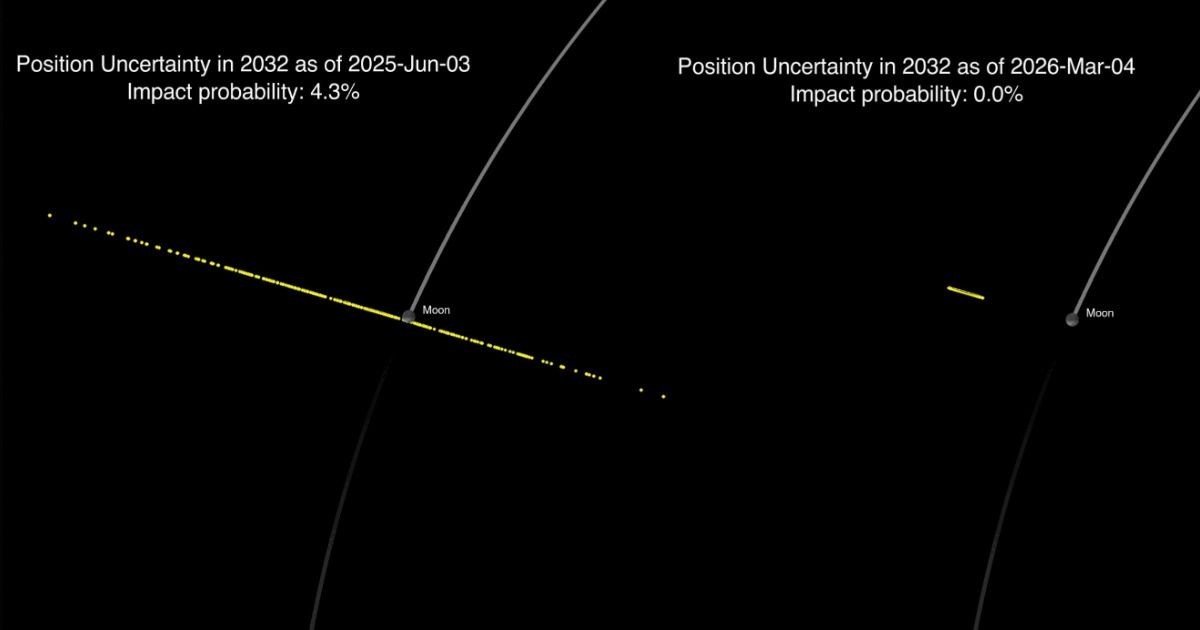
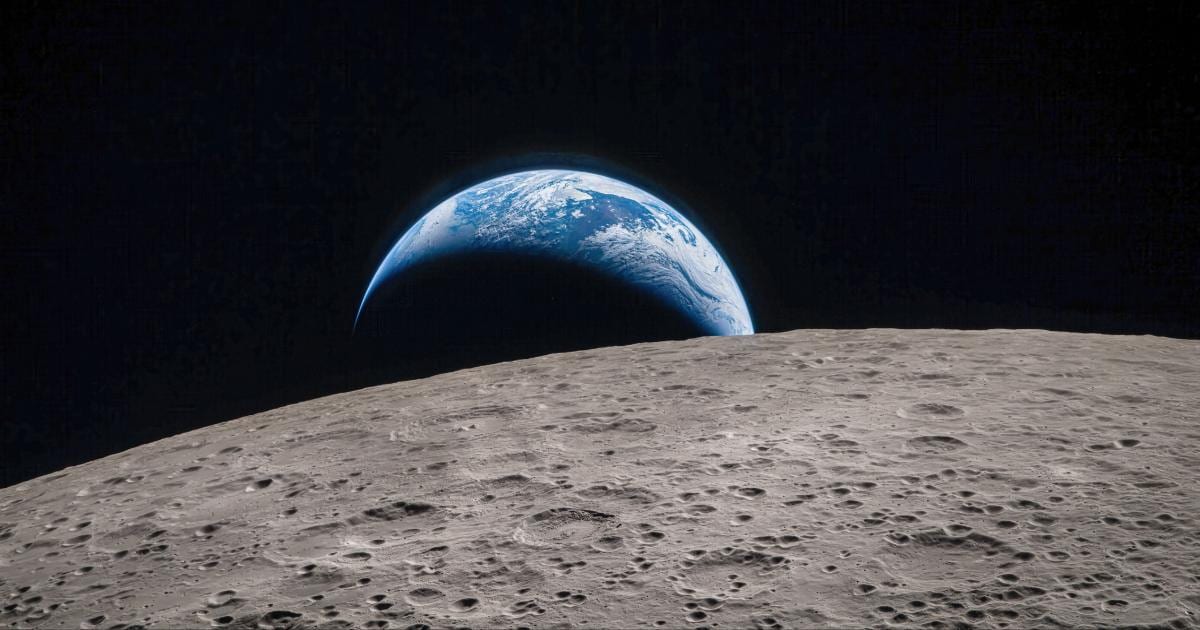
NASA has confirmed that the near-Earth asteroid 2024 YR4 that had a chance of slamming into the Moon and possibly sending meteors tumbling towards Earth will completely miss the lunar surface. The agency’s Center for Near-Earth Object Studies made refinements to their previous estimates of a 4.3% chance of lunar impact on December 22, 2032. The said refinements were achieved thanks to the observations made by the James Webb Space Telescope on February 18 and February 26, 2026.
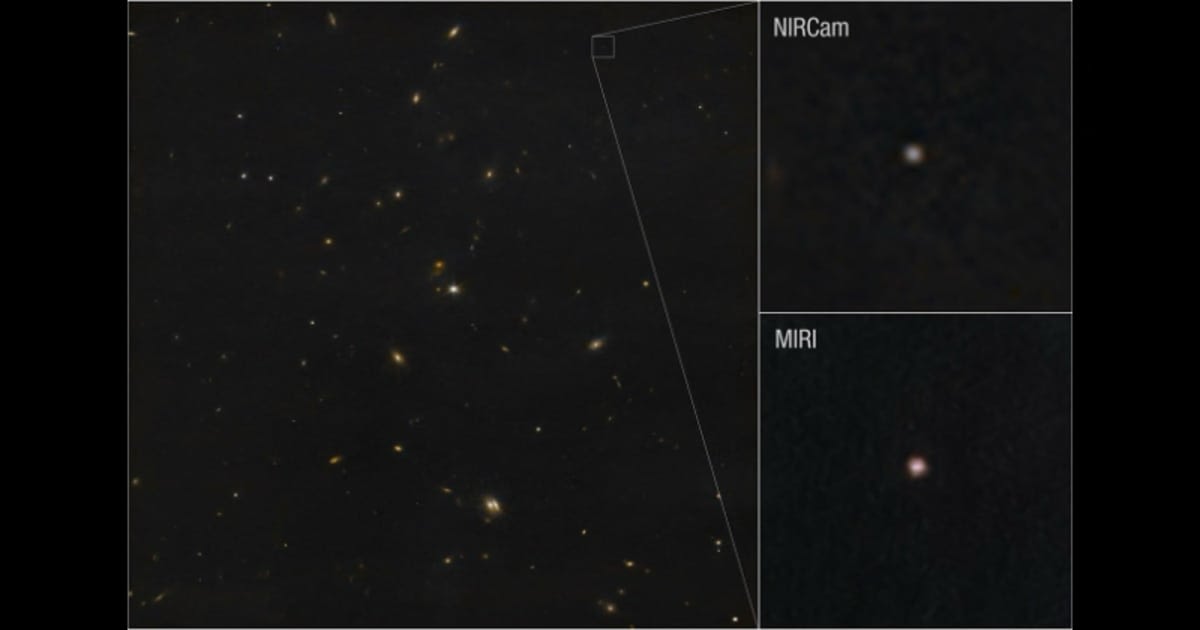
The asteroid was first discovered in late 2024 by the Asteroid Terrestrial-impact Last Alert System station located in Chile. Last year, studies by NASA of 2024 YR4’s characteristic features showed that it was thermally different from other large asteroids, leading the agency to speculate that the asteroid's rapid spin and presence of rocks rather than fine sand on its surface are the reason. Pictures were also captured using JWST’s NIRCam (Near-Infrared Camera) and MIRI (Mid-Infrared Instrument). With the data from the two cameras, NASA was not just able to get insights into the asteroid's composition but also found that the asteroid is about 200 feet (60 meters) in size. That's the size of a 15-story building, give or take. A body of that size can level a city upon impact or can cause a massive tsunami if it slams into the ocean.
Chances of such rogue bodies within our solar system impacting either Earth or the Moon keep fluctuating as it nears us and more frequent observations are made. When this happens, the uncertainty of its trajectory decreases, giving scientists a clearer picture of where it is headed. At the moment, the latest data suggest the asteroid will fly by the Moon at a distance of 13,200 miles (21,200 km). Earlier, chances of it striking Earth existed as well, though they were slim. Later, with an Earth impact ruled out, scientists even contemplated destroying 2024 YR4 to avoid lunar debris from impacting Earth. One of the plans suggested the use of a 1-megaton nuclear device to break the 200-foot-wide (60-meter) asteroid apart.
Data about asteroids on a possible collision course with Earth, such as these, are usually studied by the Planetary Defense Coordination Office of NASA. Another entity, known as the International Asteroid Warning Network, which is composed of various organizations and individual astronomers, also remains on the lookout for threats of this nature. Precedent for altering the course of an asteroid exists, with the success of NASA’s DART mission in 2022 that sent the spacecraft flying into the asteroid Dimorphos. NASA thus proved their capability to push threatening asteroids off their trajectories, keeping us out of harm’s way.
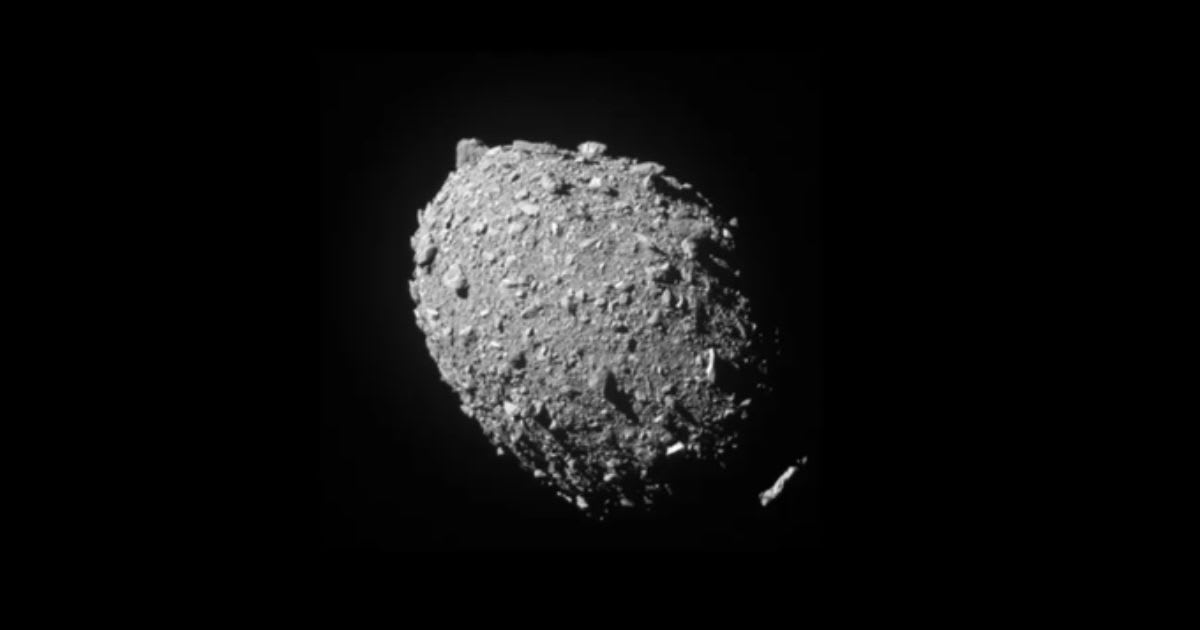
Despite the threat that 2024 YR4 posed to Earthlings, scientists had been looking to make the best of the situation where the 2024 YR4 struck the Moon. Using seismology, researchers would have found an unprecedented opportunity to study lunar geology and chemistry. Although with the possibility of over 800 pounds of lunar material possibly entering our own atmosphere in the event of an impact, the update from NASA is more a reason to rejoice than to lament.
More on Starlust
Moon’s far-side soil may offer sturdier foundations for future bases, AI analysis suggests