2025 marked a record-breaking year for global space launches, with the U.S. taking the top spot
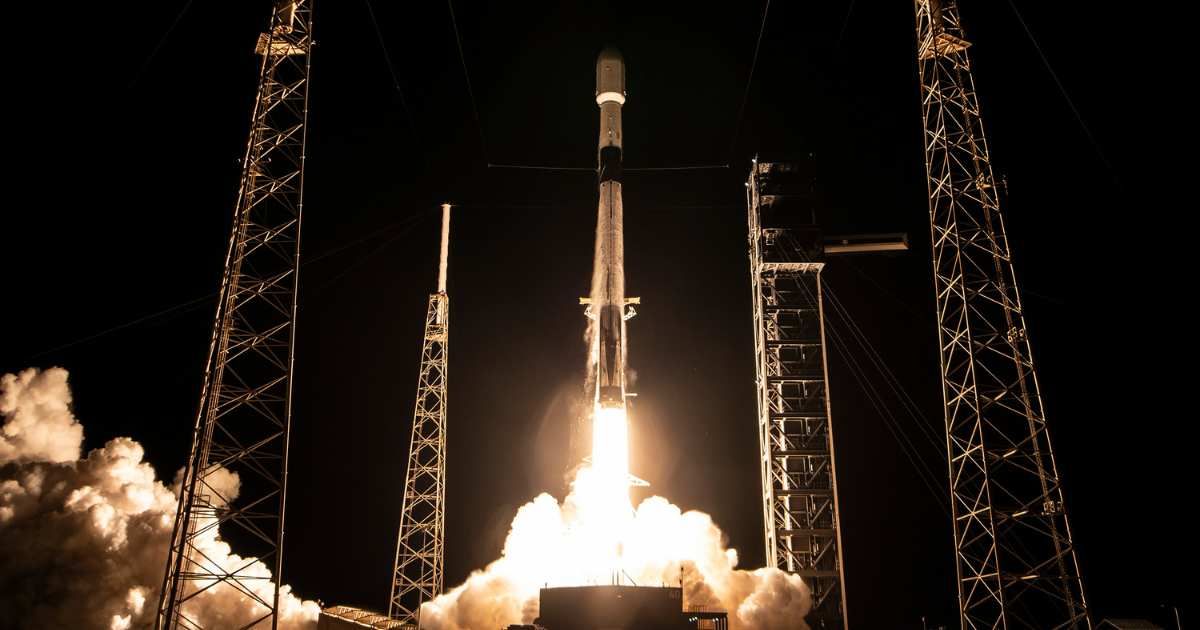
2025 was yet another successful launch year. According to the data compiled by astronomer Jonathan McDowell, countries across the world attempted a total of 329 rocket lift-offs, with 321 of those launch efforts reaching orbit or very close to it.
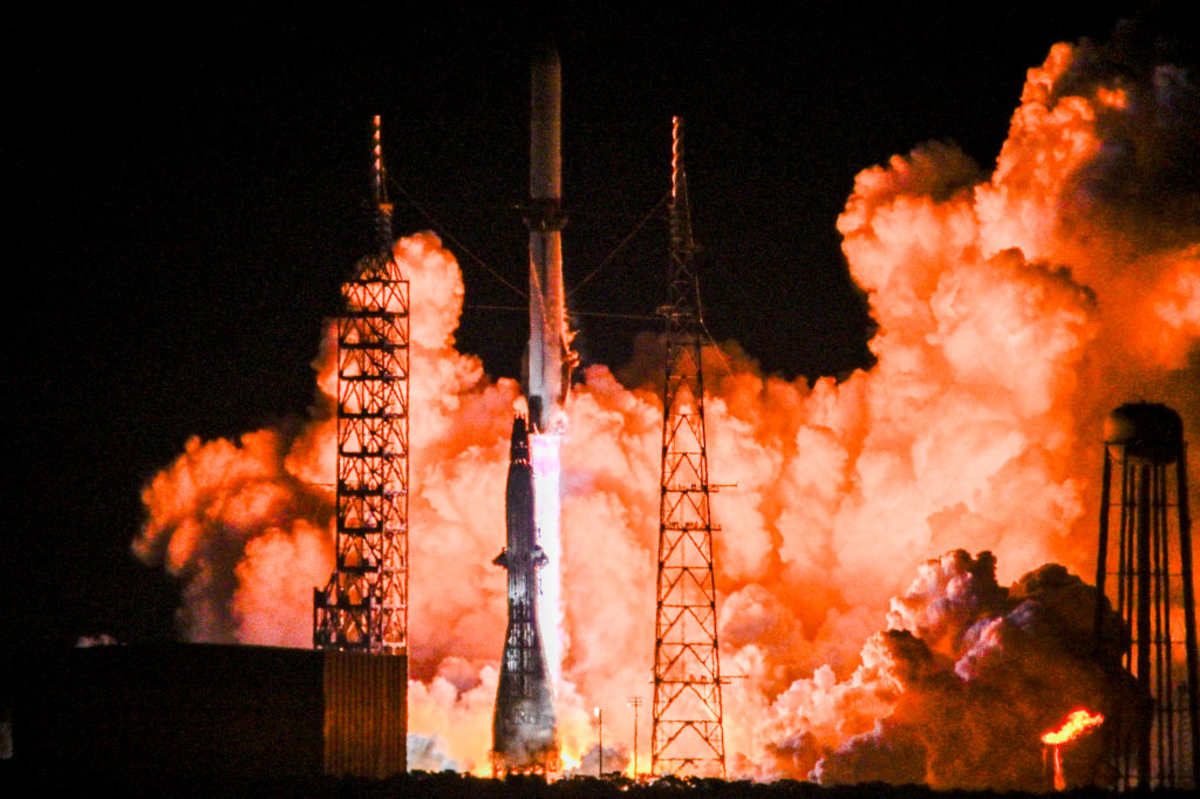
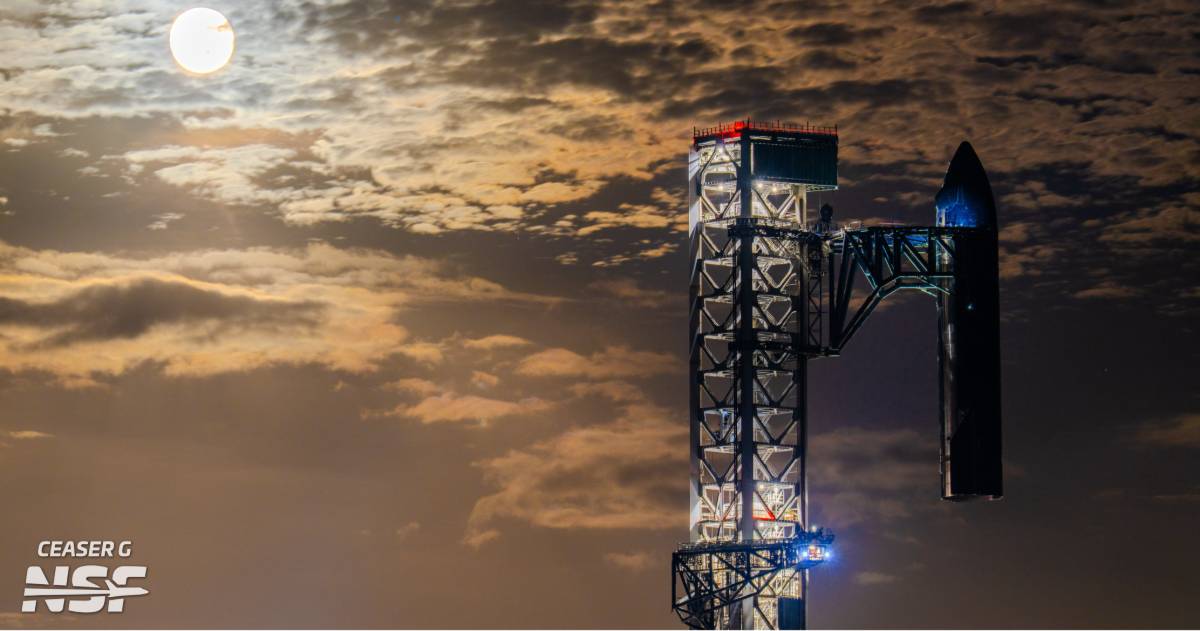
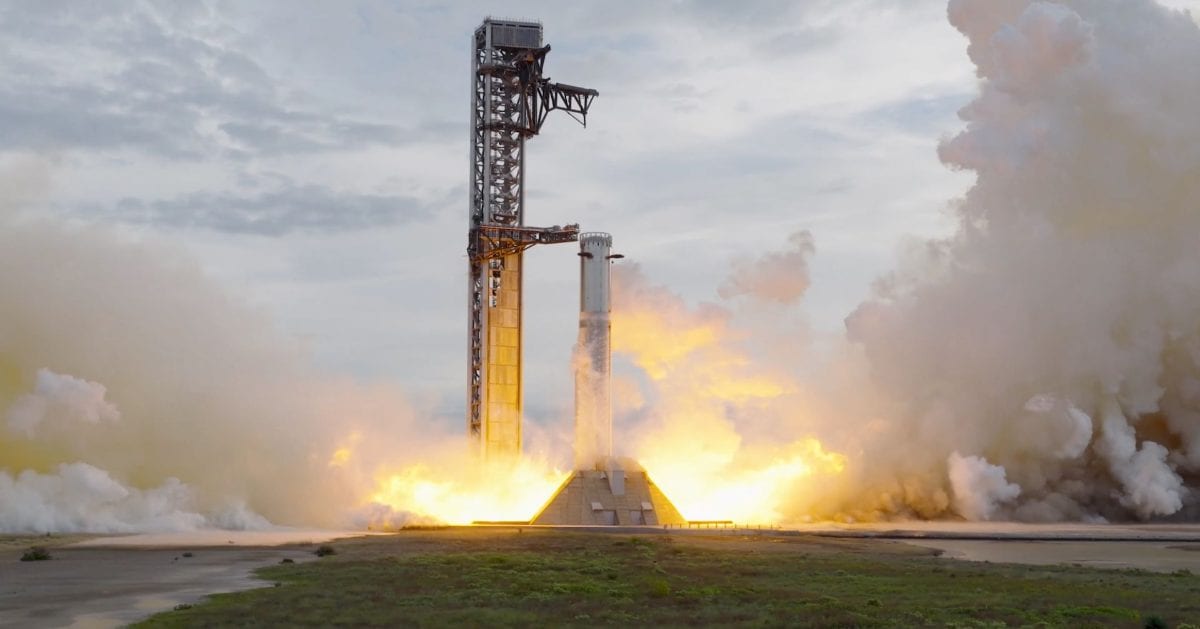
Similar patterns were seen in years past, when SpaceX was responsible for the majority of U.S. launches. Additionally, the corporation surpassed the number of attempts made by entire countries, including almost twice as many from China during the same time. U.S. launchers made 181 attempts to enter orbit throughout the year; in 179 of those efforts, they were successful or very close. ULA (United Launch Alliance) attempted five launches overall, while SpaceX launched 170, of which Falcon 9 accounted for 165 missions, with Elon Musk's flagship space vehicle, Starship, launching five times. Blue Origin conducted two New Glenn launches. Firefly Aerospace completed one Alpha launch, while Northrop Grumman carried out one Minotaur launch.
Below is a table of total orbital launch attempts over the last few years, shared by Jonathan McDowell:
Countries |
2022 |
2023 |
2024 |
2025 |
| USA | 78 | 109 | 145 | 181 |
| China | 64 | 67 | 68 | 92 |
| Russia | 21 | 19 | 17 | 17 |
| Europe | 6 | 3 | 3 | 8 |
| Others | ||||
| - India | 5 | 7 | 5 | 5 |
| - Japan | 1 | 3 | 7 | 4 |
| - Israel | 0 | 1 | 0 | 1 |
| - North Korea | 0 | 3 | 1 | 0 |
| - South Korea | 1 | 2 | 0 | 2 |
| - Australia | 0 | 7 | 0 | 1 |
| - New Zealand | 9 | 0 | 13 | 17 |
| - Iran | 1 | 2 | 4 | 1 |
| Total | 186 | 223 | 263 | 329 |
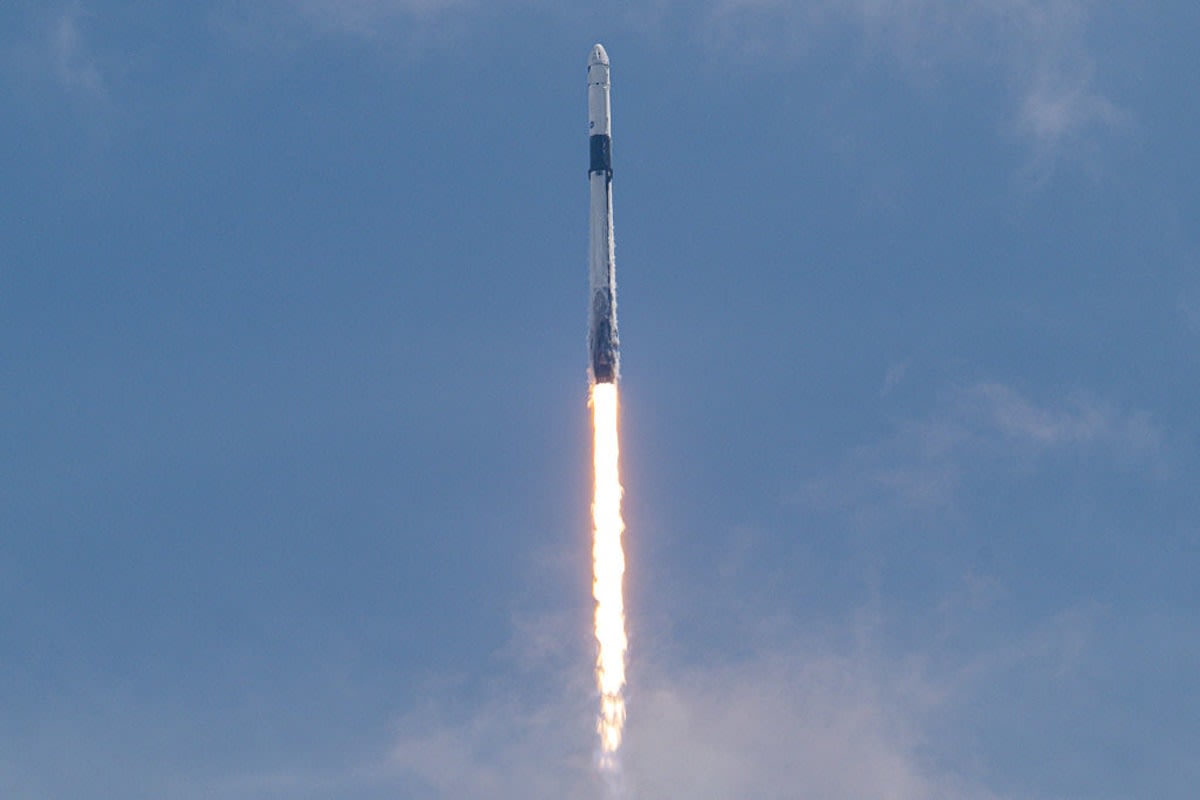
Additionally, the U.S.-based Rocket Lab recorded eighteen orbital launch attempts, seventeen of which were successful from the company's pad in Mahia, New Zealand. They could go past the number this year, when their Neutron rocket is anticipated to begin taking off from the NASA site. Meanwhile, Europe put a multi-year slump behind itself with eight launch attempts and seven successful launches, the highest since 2021. Among the European launchers, Arianespace conducted a total of seven launches, including four Ariane 6 launches and three Vega launches, while Isar Aerospace registered one Spectrum launch. As for Asia, with 92 attempts during the year, 35 percent more than in 2024, China shattered a long-standing ceiling. With 15 launches, Long March 3 set the record, followed by Long March 6 with 11. The two primary LEO broadband constellation projects of the nation, the commercial Qianfan (Spacesail) and the government-run Guowang constellation, both increased deployment in 2025.

A persistent transition from government-run launch programs to commercial alternatives was the driving force behind these numbers. In 2025, commercial rockets accounted for 70 percent of all launch attempts worldwide, which was the same as in 2024 but up from 65 percent in 2023 and 55 percent in 2022. A significant portion of the rise in the overall number of satellites launched was also attributed to commercially owned spacecraft. A record 4,517 satellites were put into orbit in 2025, which is 58 percent more than in 2024. Just 10 percent of these satellites were civil and defense satellites; the great majority (87 percent) belonged to commercial organizations.
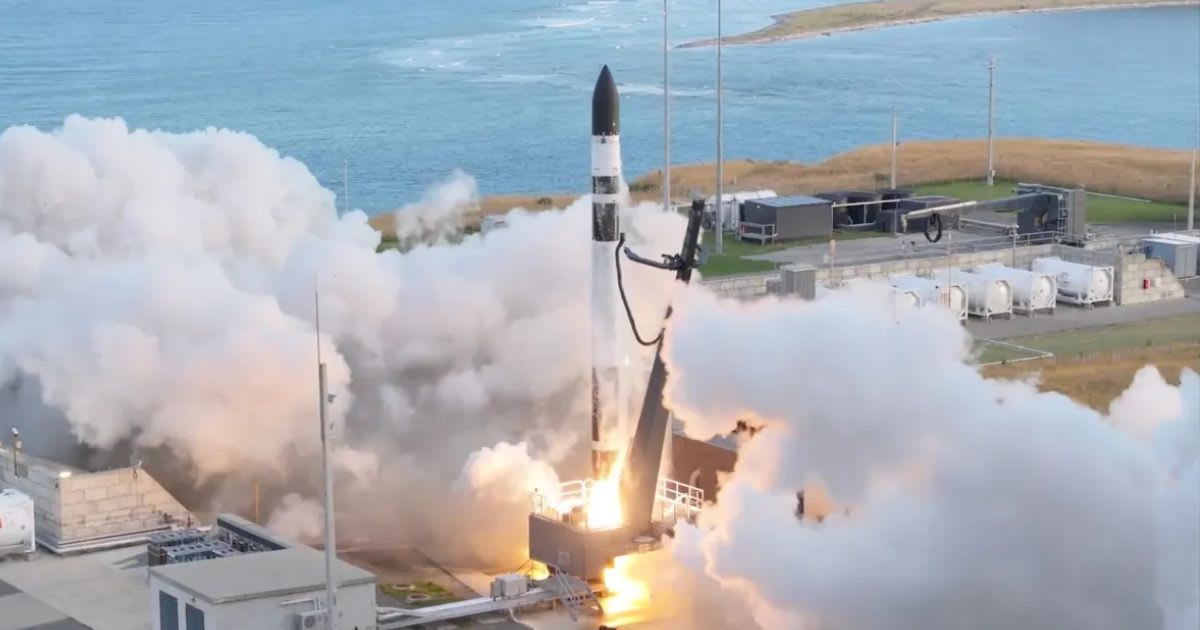
Despite all the success that 2025 brought, it also had five orbital launch failures. In fact, there were three instances of partial success as well, wherein launches reached orbit but did not successfully deploy all of their payloads in their targeted orbits. Three Starship launches achieved marginal orbit with either slightly positive or slightly negative perigees. Meanwhile, the December H3 failure is currently being investigated. As of now, it looks like both the second stage and the satellite were damaged during fairing separation. It's also possible, though not proven, that the satellite fell off the vehicle during first-stage separation while the second stage limped into orbit by itself. There is also some uncertainty over the Soyuz launch on December 28. It seems that some of the payloads, including the Marafon satellites, were launched into the wrong orbit due to a fault in the sixth firing of the Fregat stage. These examples go on to show that while launch capabilities across the world have improved, 100% success is still not guaranteed.
More on Starlust
Blue Origin's New Glenn successfully launches NASA’s twin ESCAPADE spacecraft
When is SpaceX's next Starship test flight? Everything you need to know