Winter stargazing made easy: Spot Perseus, Taurus and other constellations
January sky is perfect for stargazing despite the cold.
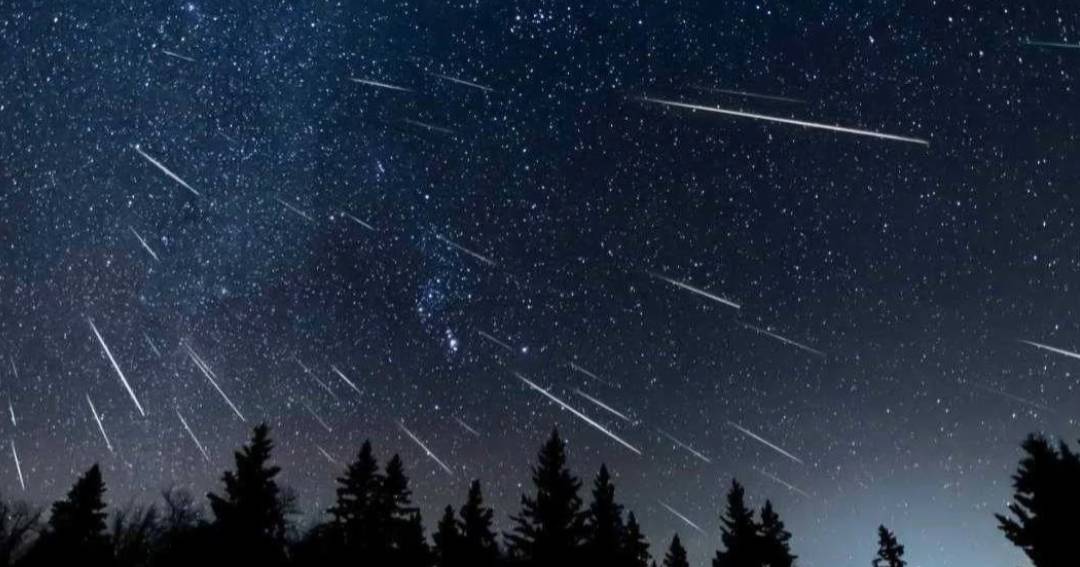
3D rendering of a telescope watching the sky and a falling star (Representative Cover Image Source: Getty | Ninoon)

December and January are the months that stargazers look forward to. The chilly weather might be a deterrent, but then one also gets early sunsets and longer nights, which make for a great stargazing experience. The Northern Hemisphere's clear dark skies are packed with an array of easy patterns. What patterns, one might ask? Well, constellations.
The Milky Way over a radio telescope at the Karl G. Jansky Very Large Array National Radio Astronomy Observatory in New Mexico (Cover Image Source: Getty | Diana Robinson Photography)

According to NASA, there are a total of 88 officially recognized constellations. There are a few different definitions of constellations, but many people think of constellations as a group of stars. Often, it's a group of stars that looks like a particular animal or object in the sky and has been given a name accordingly.

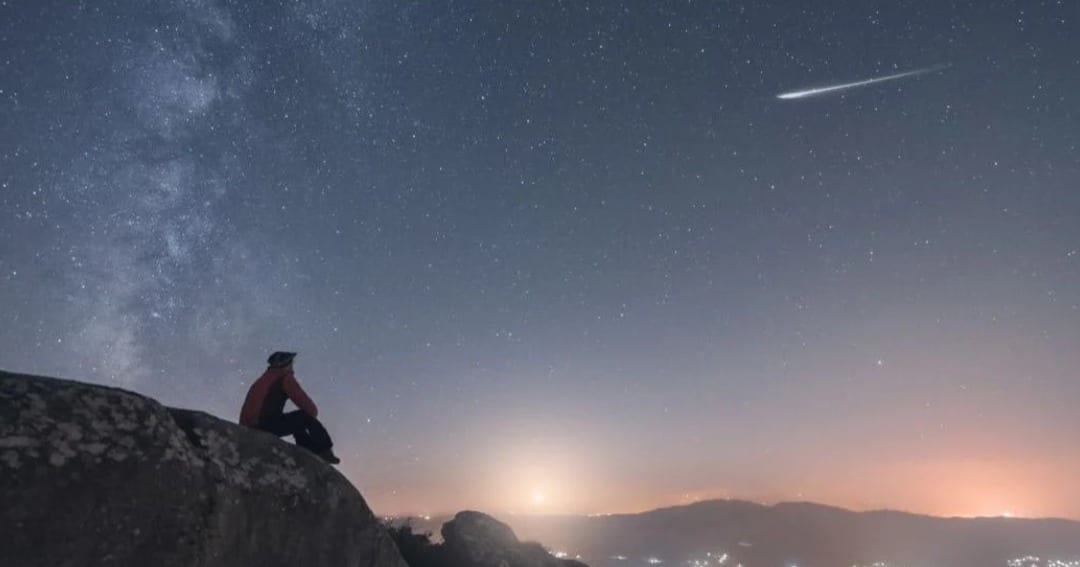
A man watching a shooting star, the Milky Way, and the moonset (Representative Image Source: Getty | Carlos Fernandez)

Observing constellations is not as difficult as observing planets or deep-sky objects. All you need is patience and sometimes a good pair of binoculars or a decent telescope for a more premium experience. Here are some of the easiest constellations to spot in the sky if one is just starting. 

Perseus 
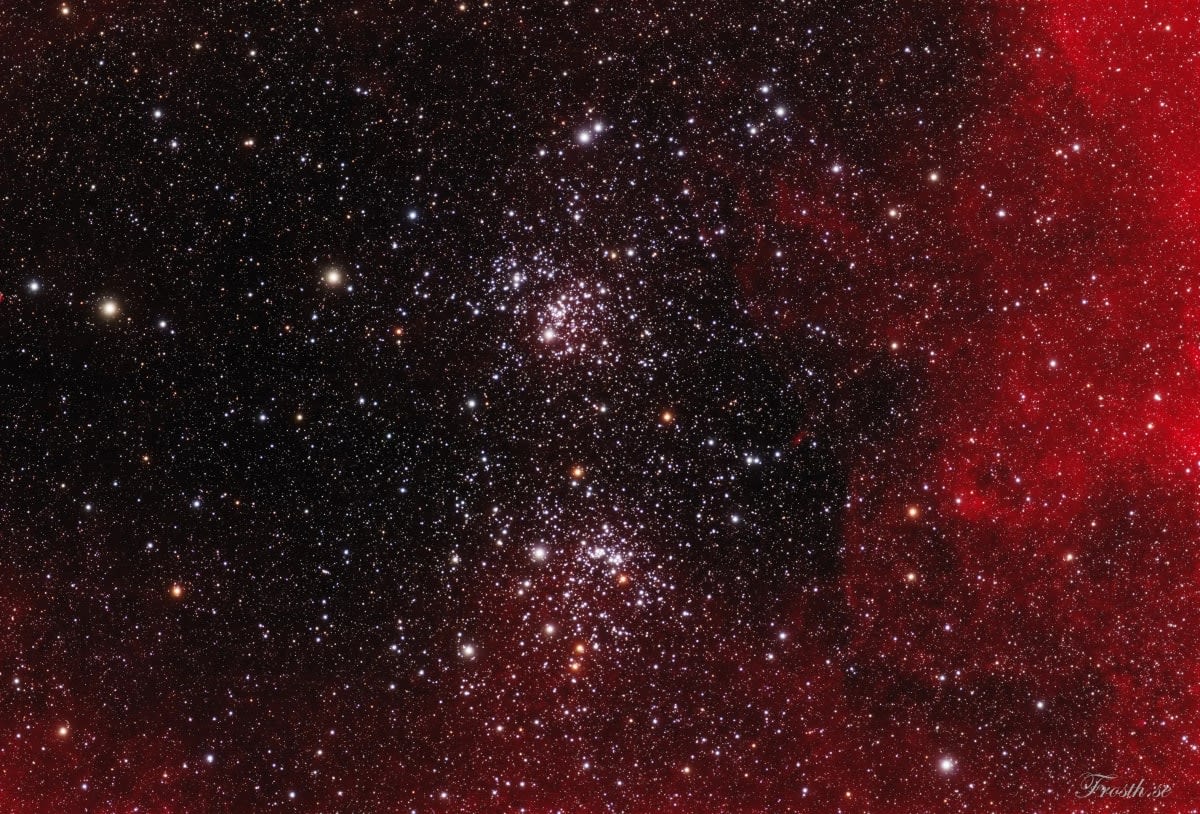
A pretty starfield spanning about three full moons (1.5 degrees) across the heroic northern constellation of Perseus. The Perseus also holds the Double Cluster—NGC 869 (top) NGC 884. (Image Credit: Mårten Frosth | NASA)

To spot Perseus, the constellation named after the mythological hero, stargazers need to look between Cassiopeia and the bright star Capella, according to Live Science. It appears as a curved line of stars and lies along the Milky Way in winter. The Double Cluster, NGC 869 and NGC 884, a faint, cloudy patch of light, is located between Perseus and Cassiopeia. If you happen to have a pair of binoculars or a small telescope, you are in for a treat observing these groups of stars.

Taurus
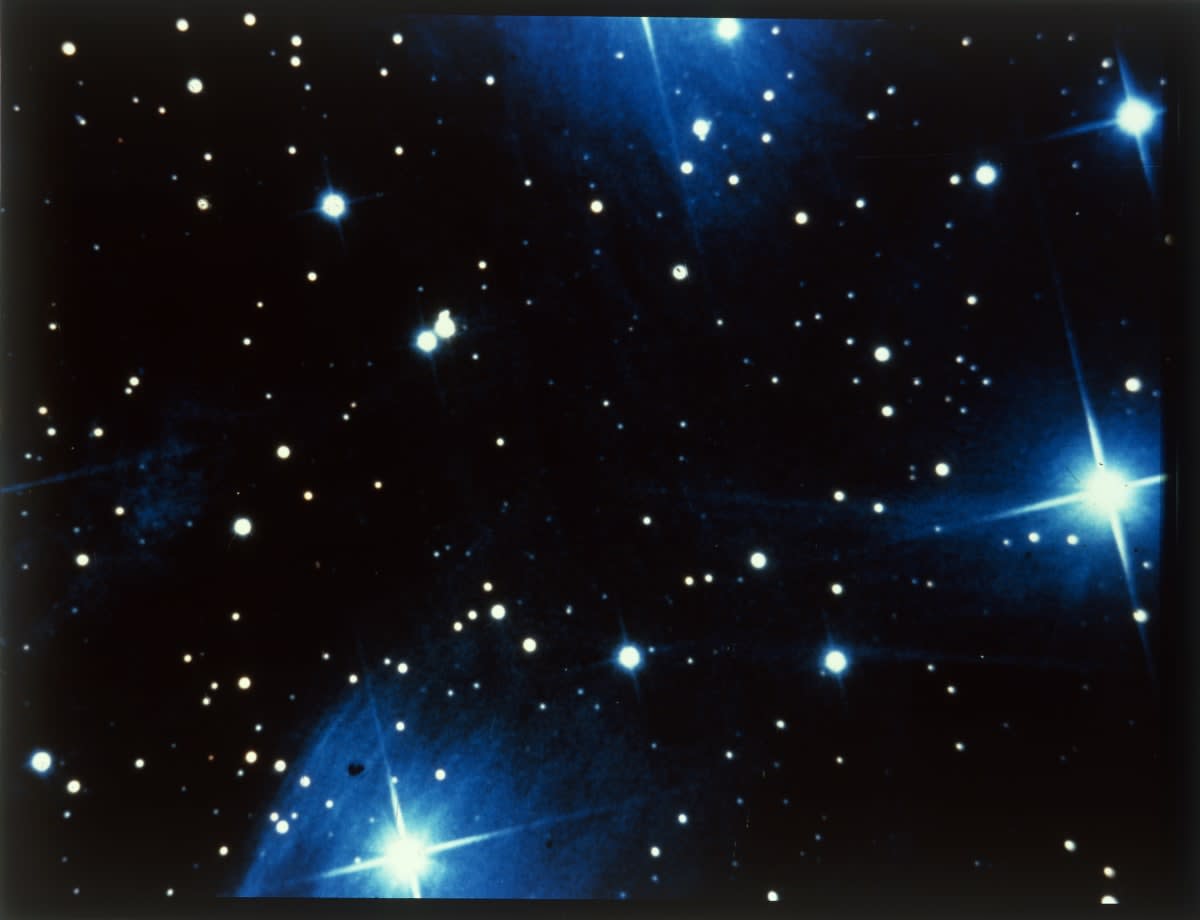
Open star cluster, the Pleiades in Taurus.  It is among the nearest star clusters to Earth and is the cluster most obvious to the naked eye in the night sky. (Image Credit: NASA/Heritage Images/Getty Images/Photo by Heritage Space)
Open star cluster, the Pleiades in Taurus. It is among the nearest star clusters to Earth and is the cluster most obvious to the naked eye in the night sky. (Image Credit: Heritage Space/NASA/Heritage Images/Getty Images)

Once the Sun sets, one has to spot the constellation Orion first. Right on top of it will be a bright orange star known as Alderbaran. That orange star makes what is known as the eye of Taurus; it sits in a V-shaped group of stars called the Hyades, which forms the Bull's face. Two other stars, namely Elnath and Tianguan, form the horns of this bull. If one is patient enough, just above Taurus, one can spot the Pleiades, a beautiful, tiny mist patch resembling a mini dipper.

Ursa Major
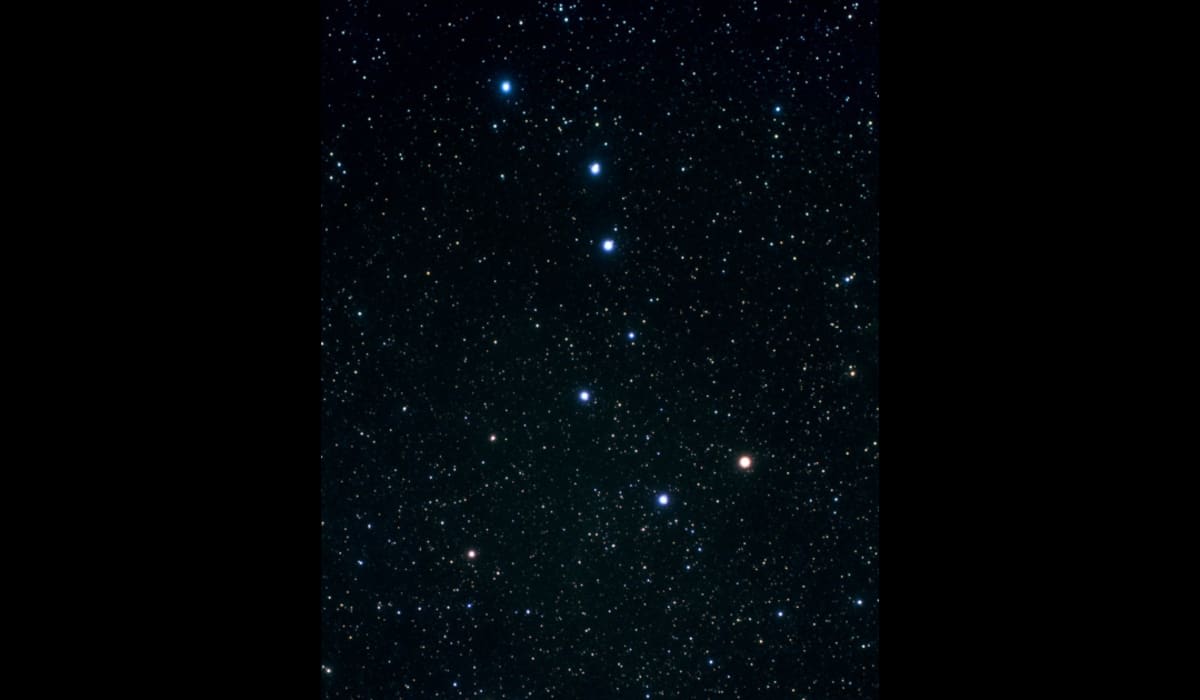
The Ursa Major constellation. (Image Credit: NASA/A. Fujii)
The Ursa Major constellation. (Image Credit: NASA/A. Fujii. Edited by Starlust staff)

On late December evenings, one has to look low in the north-northeast to find the Big Dipper, part of the constellation Ursa Major. It looks like a large saucepan, with three stars making the handle and four stars forming the bowl. The middle star in the handle, called Mizar, may look slightly blurry to the naked eye.

Pegasus
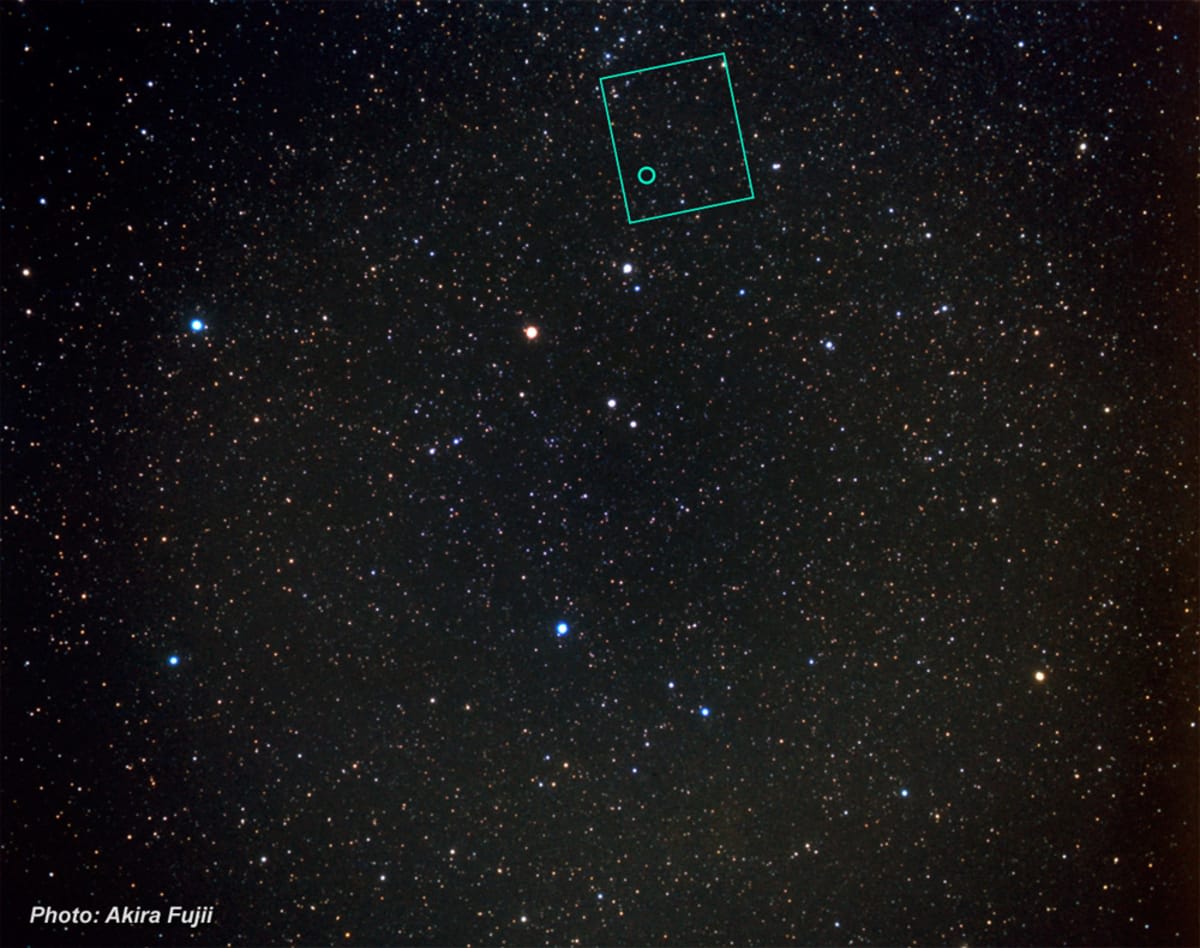
An Akira Fujii constellation image of the Pegasus constellation with DSS image overlay and galaxy group location marker. (Image Credit: NASA/A. Fujii)

Pegasus, named after the mythological winged horse, is visible on early winter nights along the western skies. Its most noticeable feature is its four medium-bright stars forming a large square called the Great Square of Pegasus. By late December, the square sits lower in the sky but can still be seen in the early part of the night. Pegasus will also have the planet Saturn right below it in January. A small telescope can also show curious stargazers its rings.

Auriga
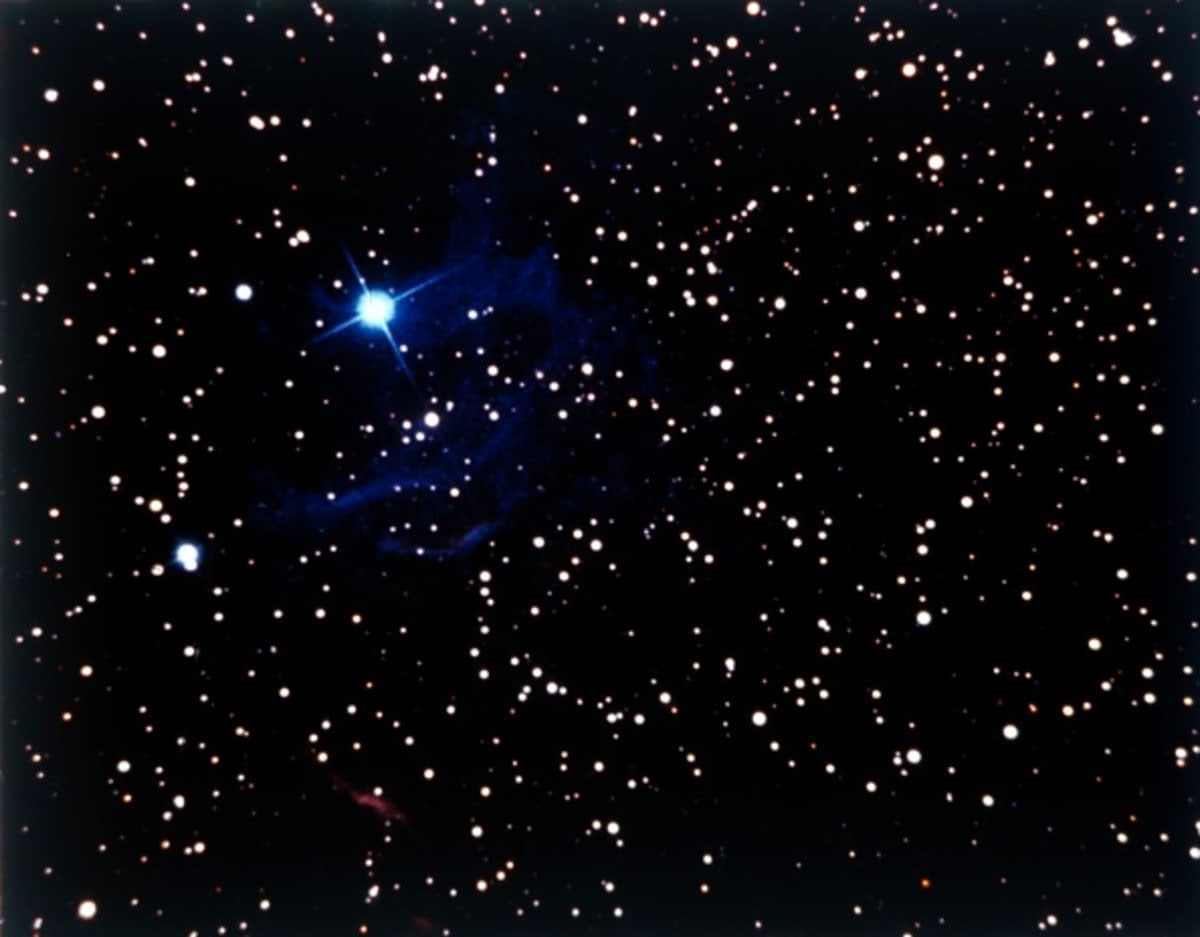
Nebulosity near the star Capella. Capella, (Alpha Aurigae), is the brightest star in the constellation of Auriga. (Image Credit: NASA/Heritage Space/Heritage Images/Getty Images)
Nebulosity near the star Capella. Capella Alpha Aurigae) is the brightest star in the constellation of Auriga. (Image Credit: NASA/Heritage Space/Heritage Images/Getty Images)

If one looks high in the northeast or almost straight overhead for Capella on winter evenings, they can see Capella, the "Goat Star" that marks a part of Auriga, a five-sided constellation that is easy to see even from cities. Below Capella lie three beautiful star clusters called M36, M37, and M38, filling an apparently empty sky with their bling.

More on Starlust

January 2026: Quadrantids meteor shower and more skywatching events to start the new year
MORE STORIES

The first half of 2026 had a lot for skywatchers. And the second half of the year isn't going to be too different either.
1 day ago
The two planets, being the two brightest planets in view from Earth, will also be joined by Mercury.
5 days ago
The Blaze Star's previous known explosion is said to have taken place 80 years ago in 1946.
May 18, 2026
The May 31 Full Moon will be the most distant Full Moon of 2026.
May 15, 2026
Here are the four events that skywatchers should look forward to as the month of May nears its halfway mark.
May 11, 2026
Moonlight may affect the visibility of the Eta Aquariids meteor shower this year. Check details here
May 6, 2026
Here's how you can spot Jupiter, Venus, and Mercury in the May evening sky.
May 4, 2026
The shower is best seen in the Northern Hemisphere with low moonlight and bright fireballs.
Apr 16, 2026
The meteorite was spotted all across northern Europe at about 00:24 BST on Monday.
Apr 14, 2026
This occurs when the Moon’s 29.5-day cycle doesn’t align exactly with the calendar month, allowing two full moons to fall within the same month.
Apr 13, 2026