NASA's PUNCH mission captures groundbreaking new views of the Sun
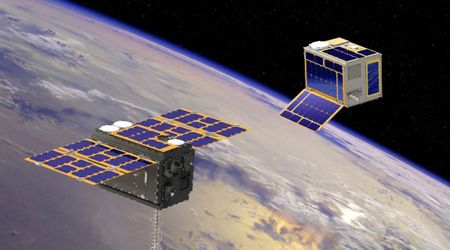
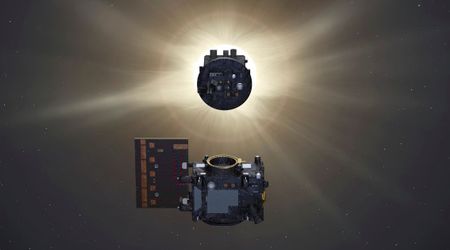
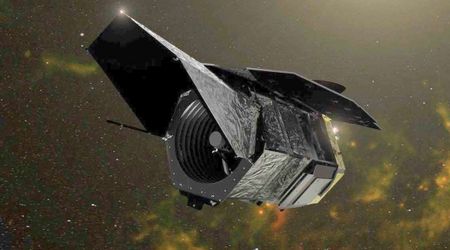
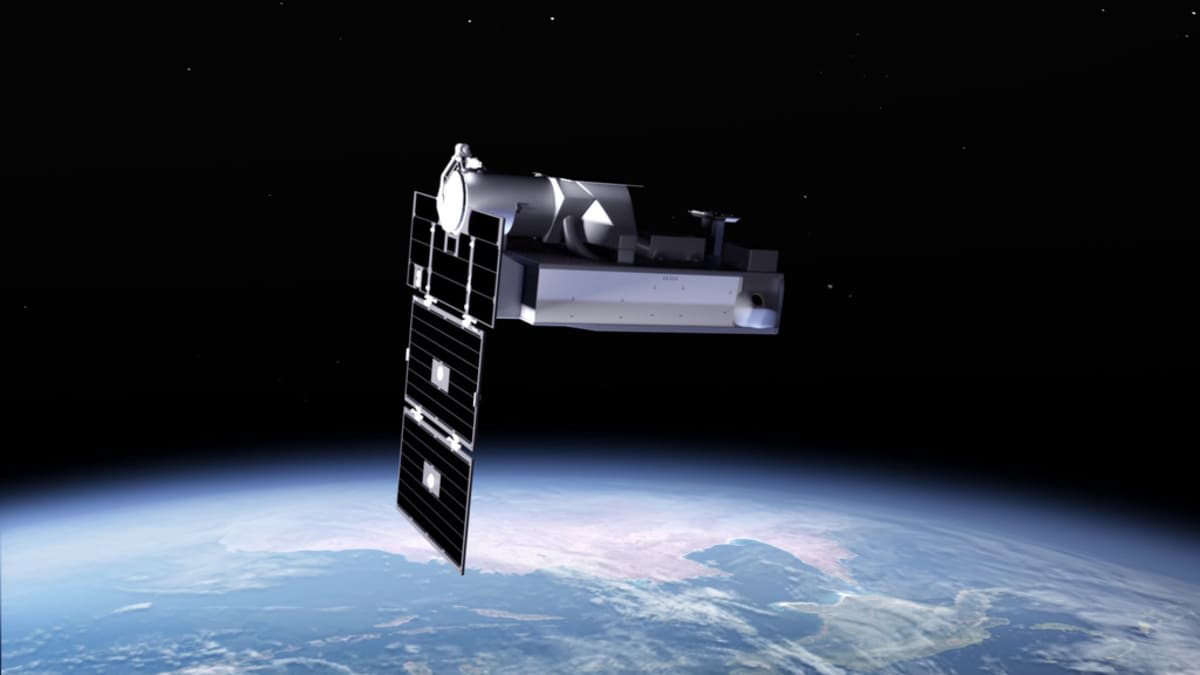
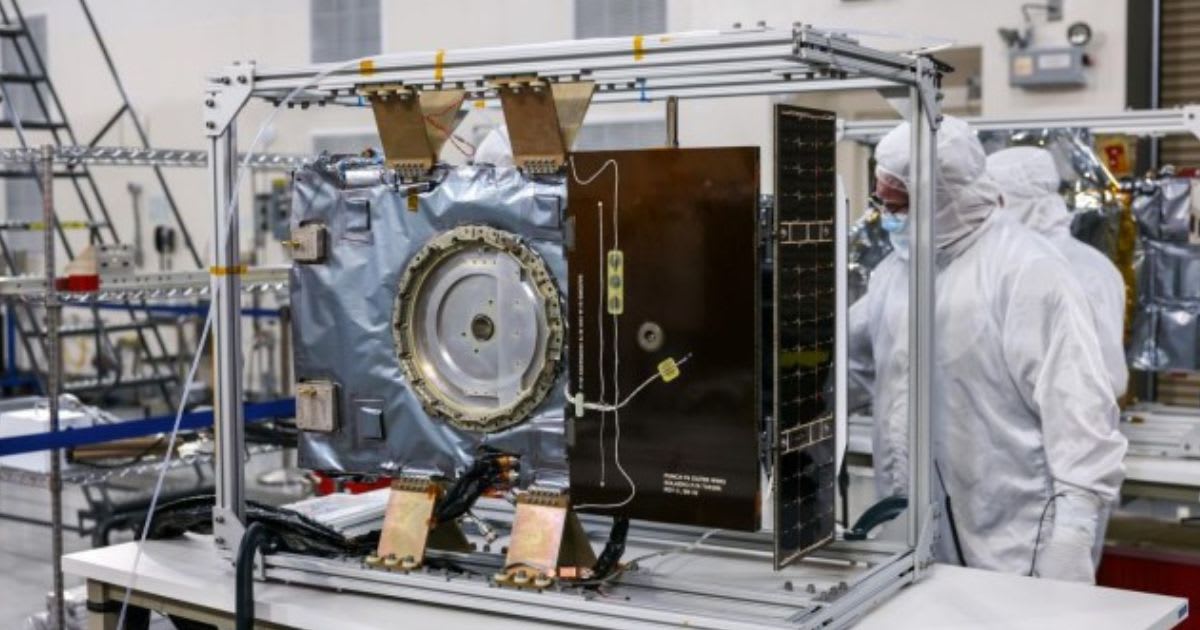
Imagine four tiny satellites, each about the size of a suitcase, flying together to study the Sun in a completely new way. That’s NASA’s PUNCH mission, short for Polarimeter to Unify the Corona and Heliosphere, and it’s already returning images that feel almost unreal. The four spacecraft launched on March 11 and reached their final science orbits by August 7. Now spread across roughly 8,000 miles of space, they work as a single system, acting like one massive virtual camera.
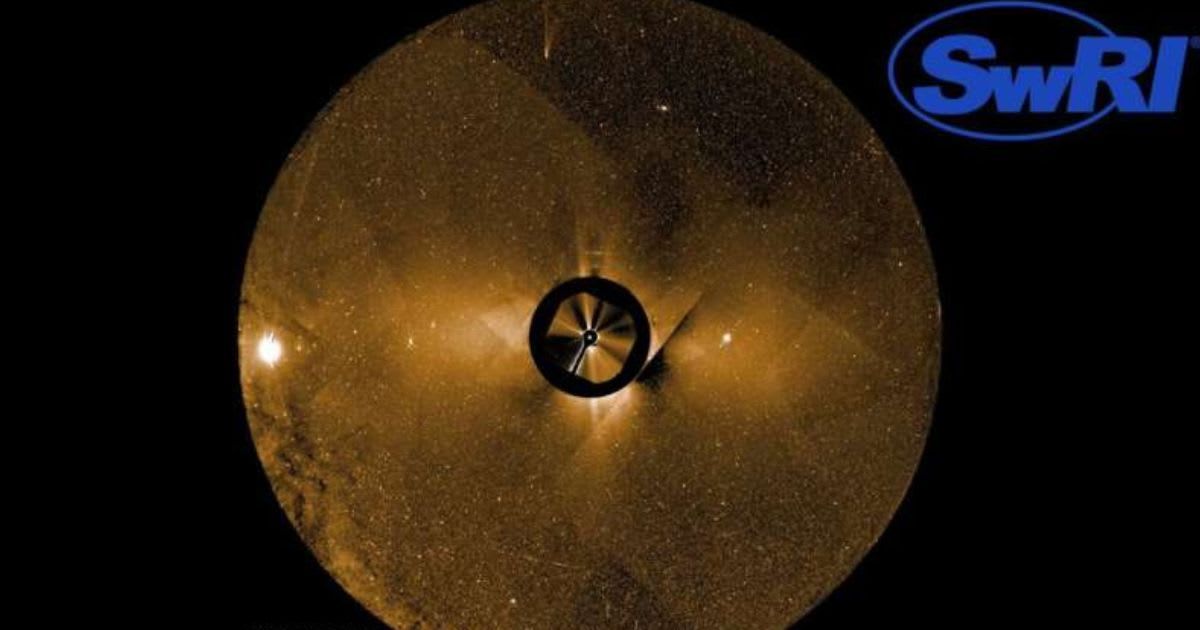
Dr. Craig DeForest, the mission’s principal investigator at Southwest Research Institute, described the experience during a media roundtable at the AGU25 conference on December 16: "PUNCH imaging gives us a unique view of the pageantry of the planets and reveals the grandeur of our sun in the cosmos." He added, "Seeing solar activity sweeping across the moon, planets, and even passing comets gives us a sense of place in our solar system. It reminds me of the impact of the blue marble image of the Apollo era, though PUNCH data is more of a golden fishbowl view of our neighborhood in the cosmos. We live here."
PUNCH’s goal is to watch how the Sun’s outer atmosphere, called the corona, slowly turns into the solar wind that streams through the solar system. This transition zone plays a major role in driving solar storms, which can disrupt satellites, astronauts, and even power grids on Earth.
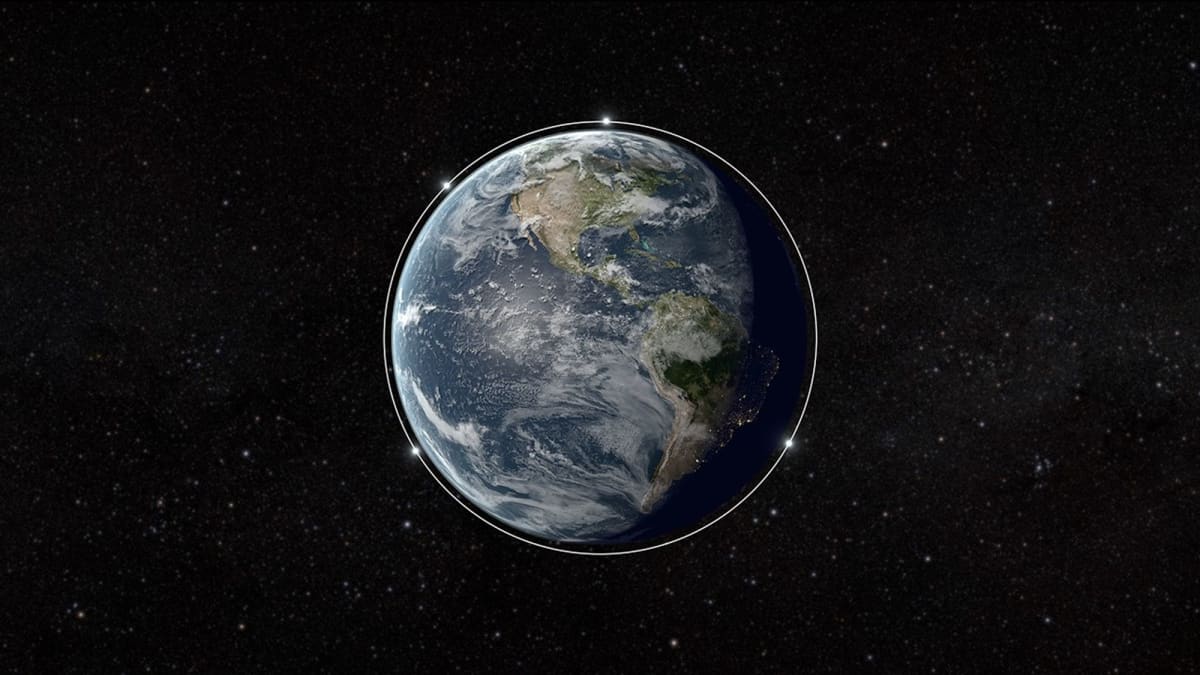
Scientists are especially excited because PUNCH doesn’t just isolate the Sun. It shows solar activity in context. The spacecraft has already captured enormous coronal mass ejections moving through space and even colliding with Earth. Each spacecraft plays a role. One carries a Narrow Field Imager, a coronagraph that blocks the Sun’s blinding disk to reveal faint details in the corona. The other three fly Wide Field Imagers that observe the outer corona and solar wind farther from the Sun. Together, their data is combined into a wide, continuous view that allows scientists to track space weather events from the Sun all the way to Earth. "Viewing the corona and solar wind as a single system provides a big-picture perspective essential to helping scientists better understand and predict space weather," DeForest explained, per Phys.org. "This forecasting is critical to protecting astronauts, space satellites, and electric grid technology from these events."
Not too long ago, one such event produced vivid auroras visible across large parts of the country. "The NASA Small Explorer's mission had a bird's-eye view of the CME in early November that lit up skies across the nation with colorful aurora," DeForest said. "And we've discovered some incredible bonus science that PUNCH performs, tracking comets and other objects." It followed the third known interstellar visitor, 3I/ATLAS, as it passed through the inner solar system at a time when glare from the Sun made it difficult for other telescopes to see. The mission also observed Comet SWAN every four minutes for nearly 40 days straight, likely the longest continuous comet observation ever made. It is currently tracking Comet Lemmon as well.
More on Starlust
NASA still unable to reestablish contact with MAVEN as spacecraft begins spinning oddly
Interstellar comet 3I/ATLAS appears to be covered in erupting 'icy volcanoes,' scientists say