Will the northern lights be visible tonight? Here's what the forecast says
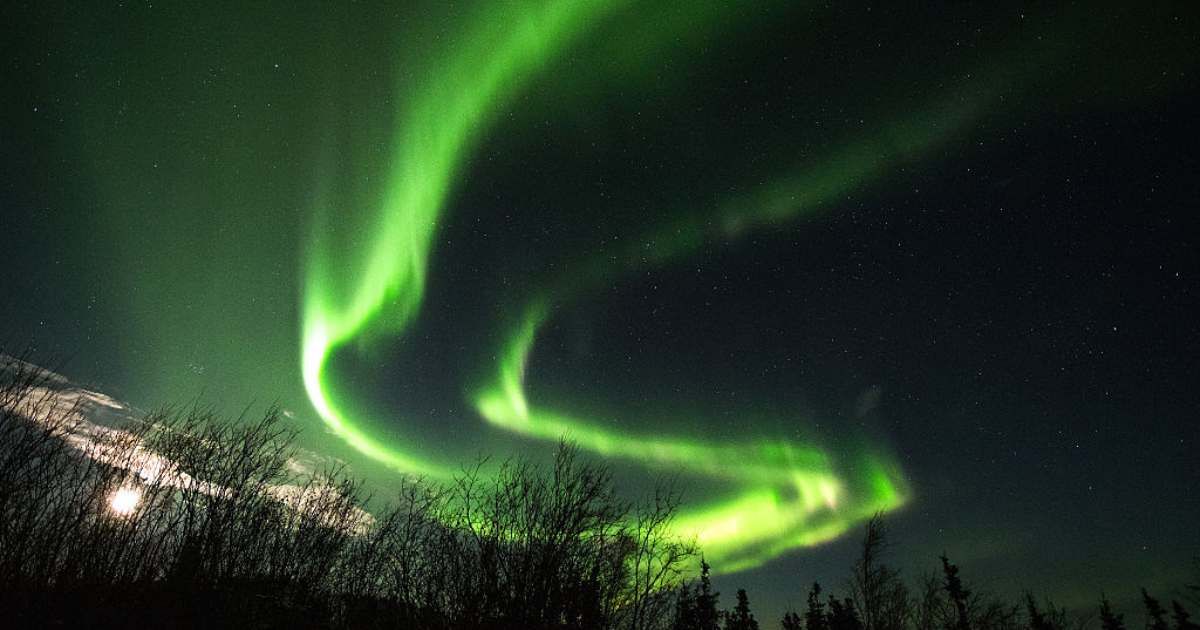
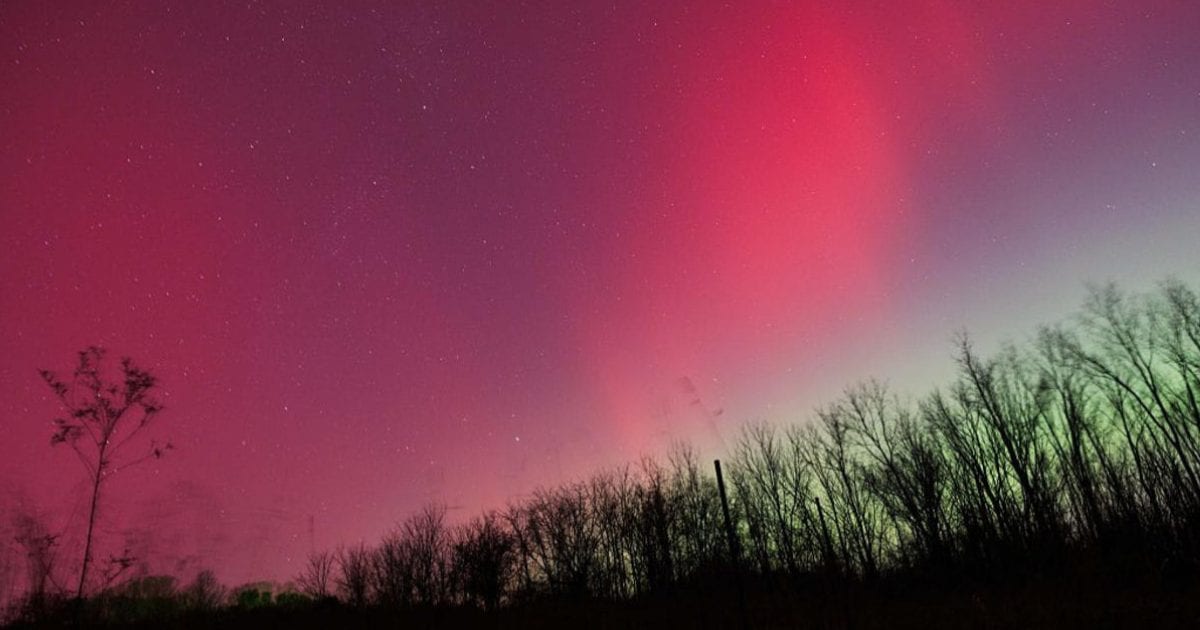
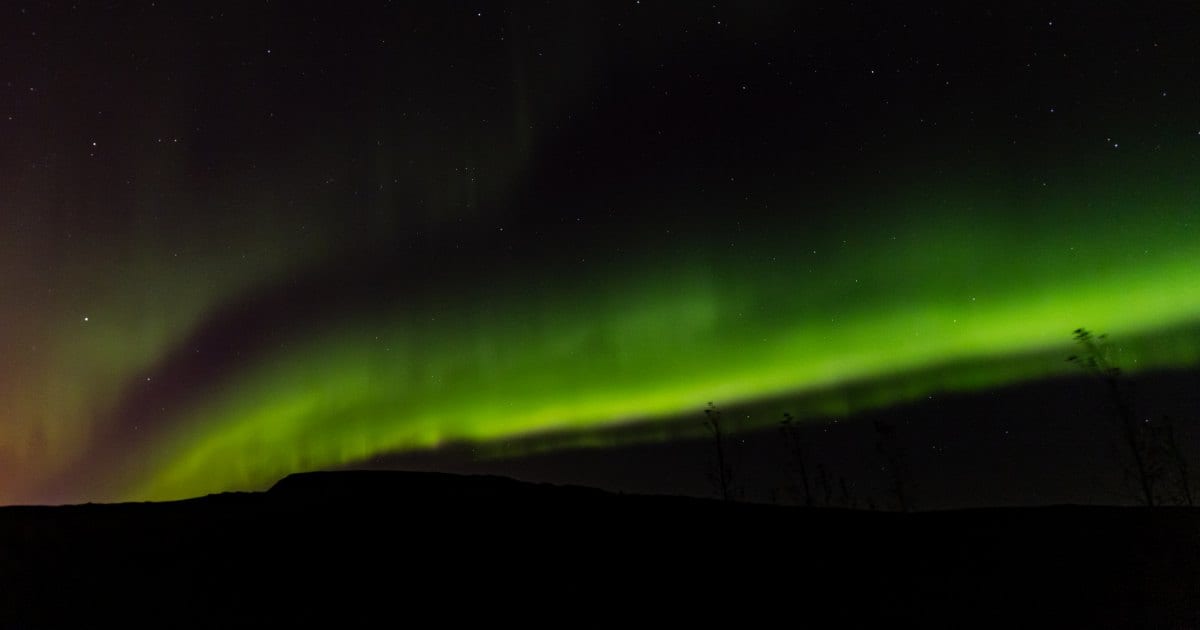
The northern lights may be visible in high-latitude areas this evening, September 16, as the Earth's atmosphere continues to be affected by high-speed solar winds. Space weather agencies, including the NOAA Space Weather Prediction Center and the U.K. Met Office, predict unsettled to minor geomagnetic storm conditions, according to Space.com.

There is also a possibility of moderate storms, which could allow the aurora borealis to be seen across regions like Canada and Alaska. While the intense solar storming from last night has subsided, persistent solar winds originating from a coronal hole are still impacting the planet's magnetic field. Experts anticipate this geomagnetic activity will decrease in the coming days, returning to normal quiet levels after tonight. The NOAA Space Weather Prediction Center projects a peak Kp index of 4 within the next 24 hours.
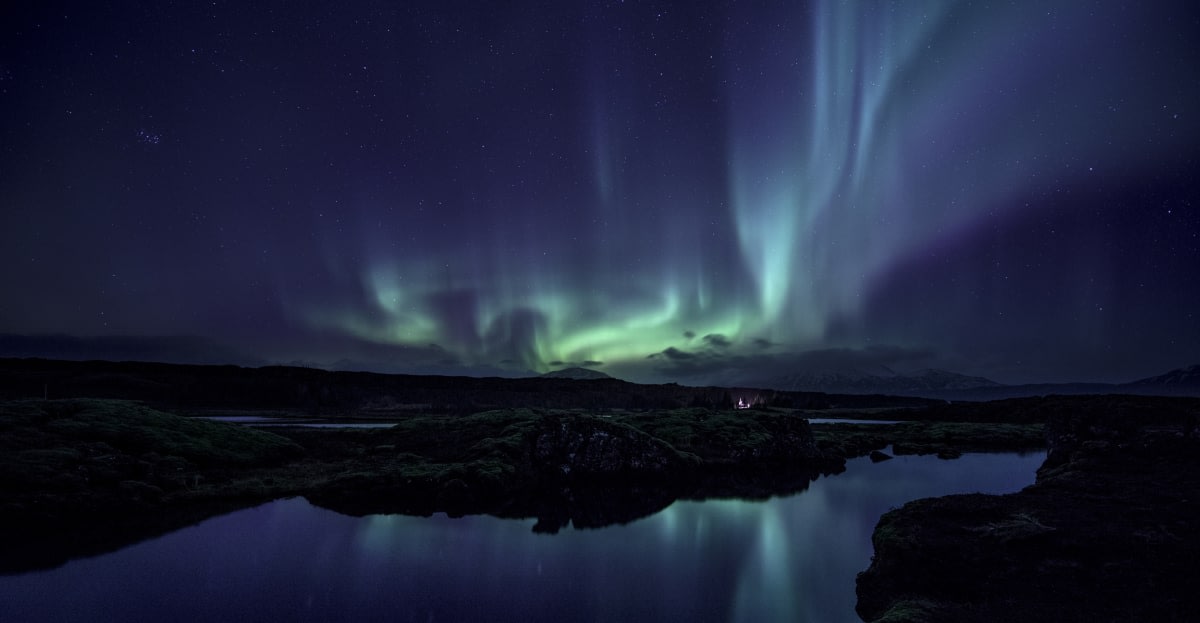
The aurora borealis (northern lights) and aurora australis (southern lights) are not just beautiful; they are a visual spectacle of a complex interaction between the Sun and Earth's magnetic field, per NASA. This cosmic ballet, often referred to as "space weather," begins with the solar wind, a continuous stream of charged particles from the Sun. When this wind reaches Earth, it's typically deflected by our planet's magnetic shield. However, during a geomagnetic storm, some of that energy is captured and eventually released, causing particles to rain down into our upper atmosphere and create the aurora.

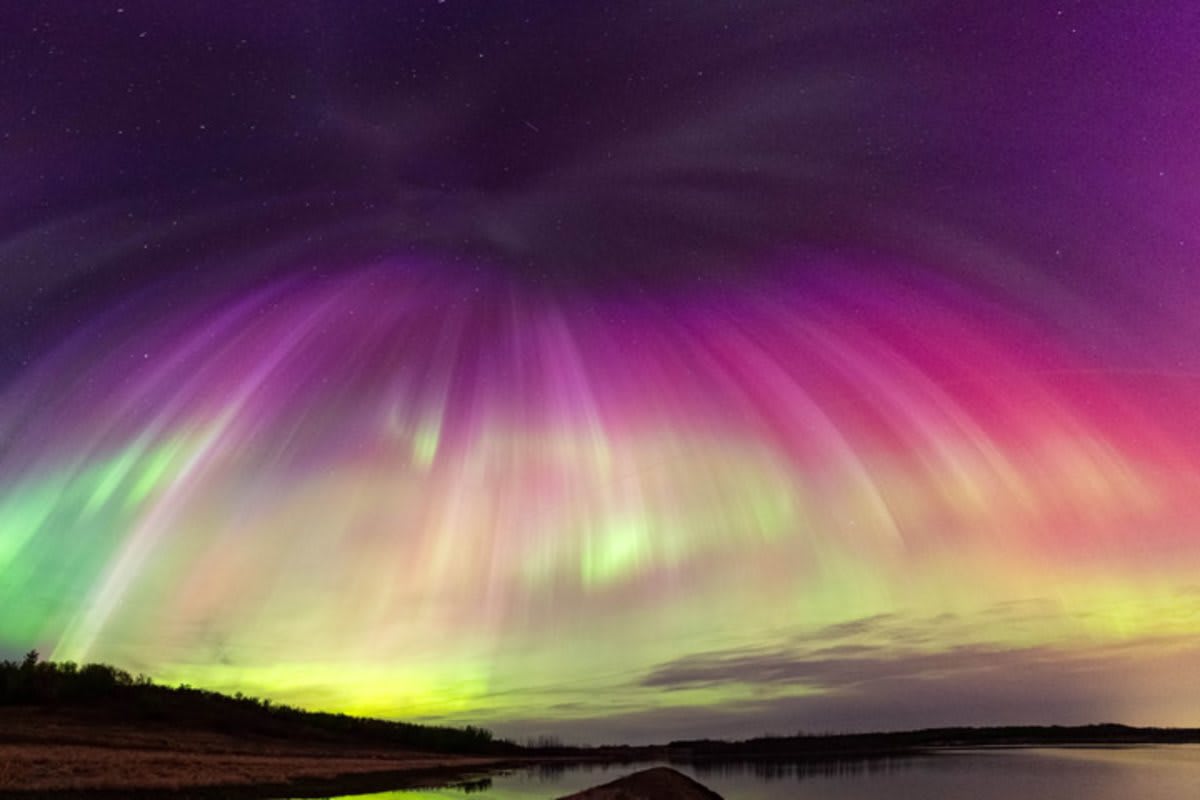
The vibrant, dancing colors of the aurora are the result of these energetic particles exciting gas atoms and molecules in the atmosphere. The color you see depends on the type of gas being hit and its altitude. The most common colors are produced by oxygen. Green auroras are typically seen at altitudes between 60 to 120 miles (100-200 km), while red hues appear higher up, above 120 miles (200 km).
Blue light is emitted by nitrogen gas excited at altitudes similar to green oxygen. When more energetic particles interact with nitrogen below 60 miles (100 km), the lower edge of the aurora can take on a striking reddish-purple or pink glow. Sometimes, these colors can mix, creating a mesmerizing display of purples, pinks, or even what appears to be white light.
To understand the likelihood of a sighting, two key metrics are used by forecasters. The first is the Kp index, which measures the strength of auroral activity; a higher number indicates a greater chance of seeing the lights, per Space.com. The second, and more crucial, is the Bz value of the Interplanetary Magnetic Field (IMF).
This value indicates the direction of the IMF. For strong auroral displays, a strong southward Bz value is ideal. This is because a southward-pointing IMF aligns with Earth's northward-pointing magnetic field, creating a direct connection that allows energized solar particles to funnel into our atmosphere. As these particles collide with atoms in the air, they release energy in the form of light, the very same light we recognize as the northern lights. A strong southward Bz value can significantly increase the chances of a spectacular show.
More on Starlust
125 mph 'Flying Banana' mistaken for aurora by skywatchers as lasers light up sky
NASA astronauts share stunning video of Northern Lights dancing over Earth from the space station