White House forms new council to find answers to the UFO mystery
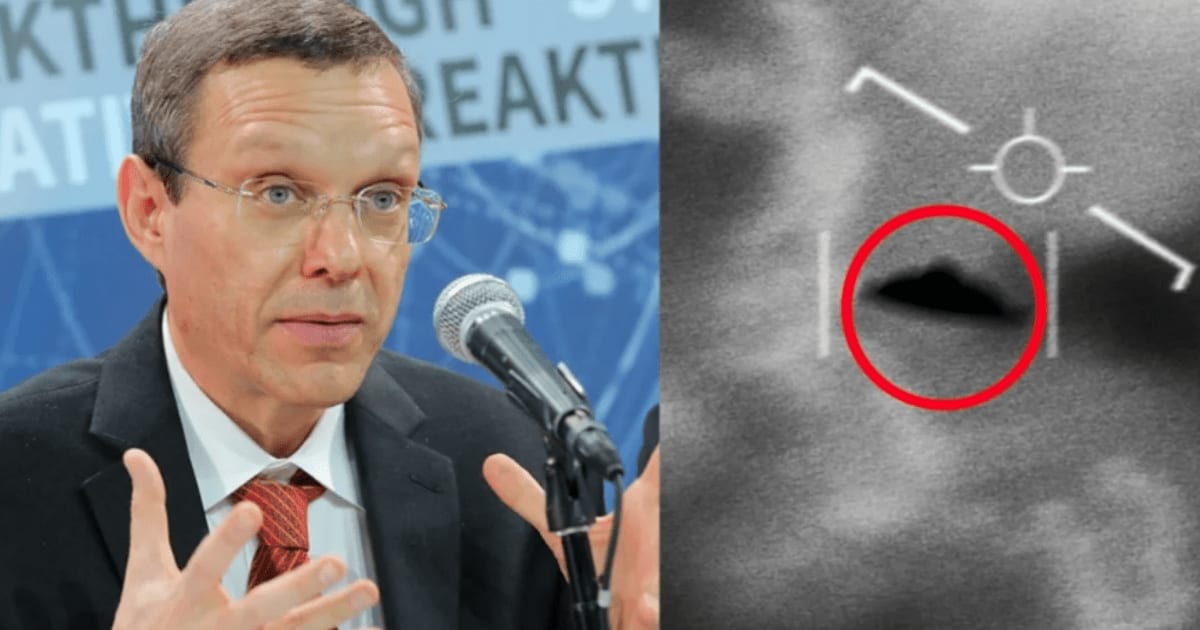
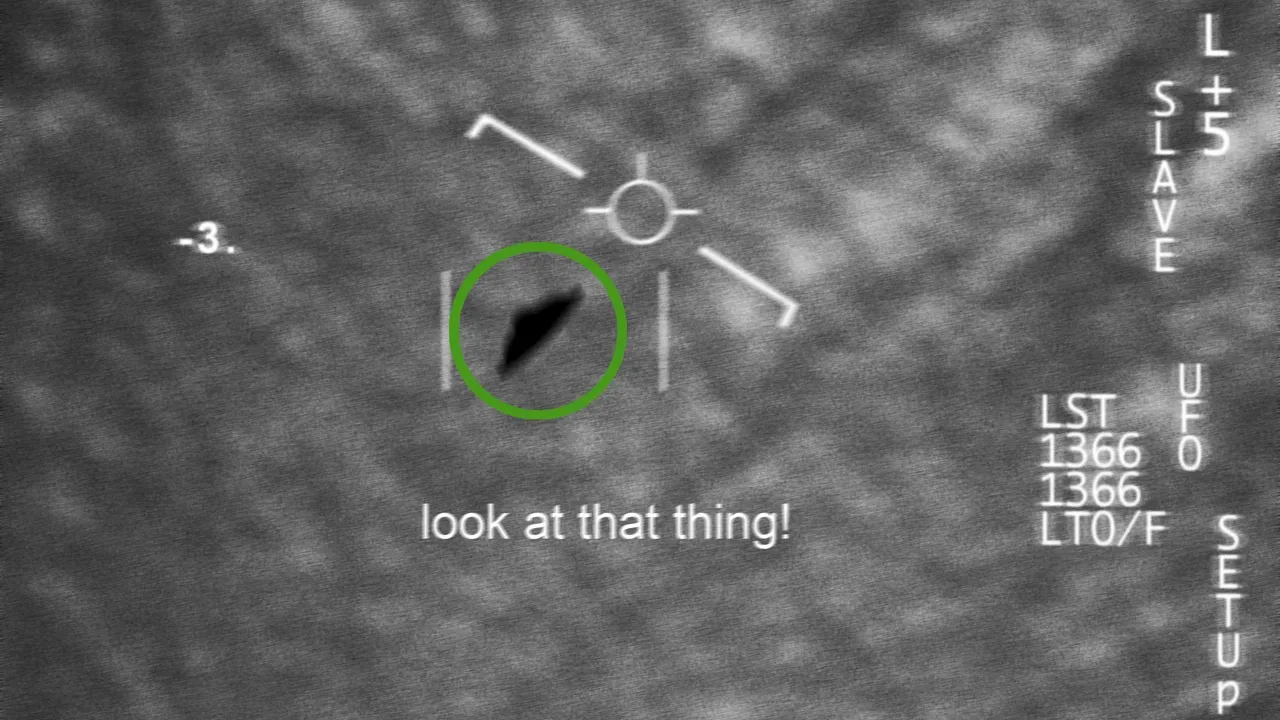
The White House has created a new scientific council that will mainly focus on figuring out what the UFOs, now known as Unidentified Anomalous Phenomena or UAP, actually are. Earlier in August 2026, the Department of War released a new set of classified UFO files under an executive order from President Trump. And now, a Harvard astrophysicist who is leading the council says that the government aims to understand the UAPs based on the scientific method.
Earlier, on August 31, the council members had a private meeting at the Office of the Director of National Intelligence. More details about this meeting are unknown, as Leo told Space.com, "I cannot disclose the contents, but I will say that the U.S. government is sincere in its efforts to understand UAP based on the scientific method of data collection."
New UAP council sets out to study the evidence
The UAP Science Advisory Council was formed in June 2026, and it will work alongside the Pentagon's All Domain Anomaly Resolution Office, the Office of the Director of National Intelligence, as well as the FBI. Additionally, the council will be led by Avi Loeb, who has previously directed the Galileo Project, an effort focused on hunting for physical evidence of extraterrestrial technology here on Earth. As chair, Loeb shared that the aim is to apply the scientific method to a question that's gone unanswered for far too long.
Avi Loeb: "The White House are cooperating fully with us on UFO Disclosure" 👽🛸
— Interstellar (@InterstellarUAP) June 21, 2026
"There is a completely different mindset on the new UAP Advisory Council following President Trump's directive."
The Harvard astrophysicist leading the panel explained in a recent interview that… pic.twitter.com/k4lcCOJc6U
Ben Lamm, who co-founded and now runs Colossal Biosciences, is one of the council's members. Commenting on what’s ahead, Ben Lamm said, "We want to apply rigorous scientific methods to both historical UAP records and new observations, collecting and analyzing data that meets today's scientific standards." The goal, he said, is full transparency. The evidence will be examined without bias, and the findings will be made available to anyone interested.
US clears path for officials to disclose UAP details
In a recent article, Avi Loeb said that disclosure related to Unidentified Anomalous Phenomena (UAP), including cases that could potentially involve non-human-made technologies, is "no longer something" that can be avoided. He further added, "For data collected by classified sensors, the disclosure will start in classified sessions to ensure that no information with national security implications will be shared with adversarial nations." The information can now be disclosed, even if it was previously covered by an NDA.
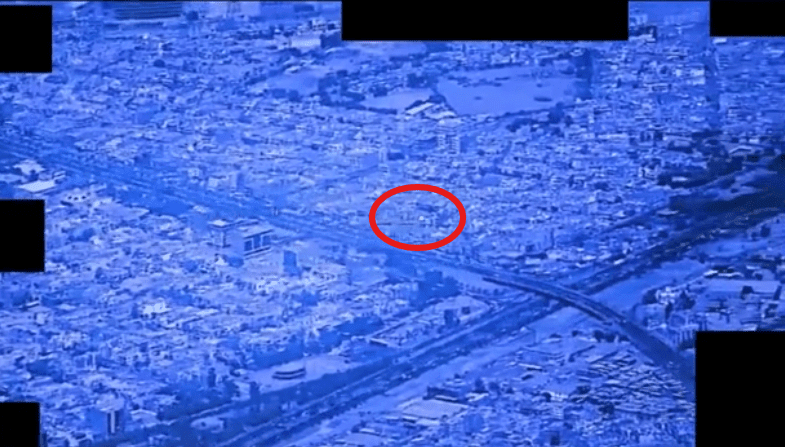
Not only that, but the US government has also offered legal protections, which include immunity in some cases, to current as well as former government employees and military personnel who are willing to come forward with information about alleged non-human technology. However, as of now, there are no official announcements about any findings. The council is currently in the early stages, and more updates are expected to come in the coming months.