What would happen to Earth if the Moon exploded?
The consequences of the Moon exploding will be felt in a variety of ways, and none of them will be good.
UPDATED DEC 1, 2025
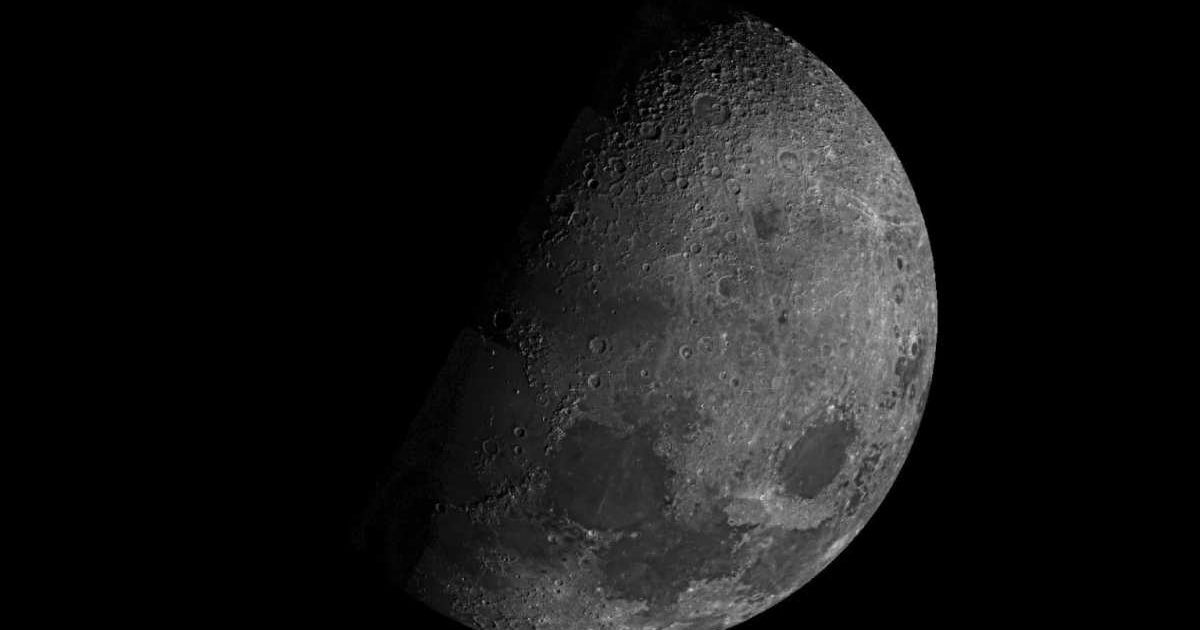
The Moon as viewed by NASA’s Mariner 10 in 1973, well before research would find signs of rust on the airless surface. (Representative Cover Image Source: NASA/JPL/Northwestern University)

Our natural satellite and cosmic neighbor, the Moon, has a significant role in the workings of our planet. The celestial object is a silent gravitational anchor for life on Earth, and the aftermath of its destruction will be felt here, too. According to BBC Sky at Night Magazine, the Moon's disappearance explosion would reveal how vital the Moon is to the stability of our existence. 
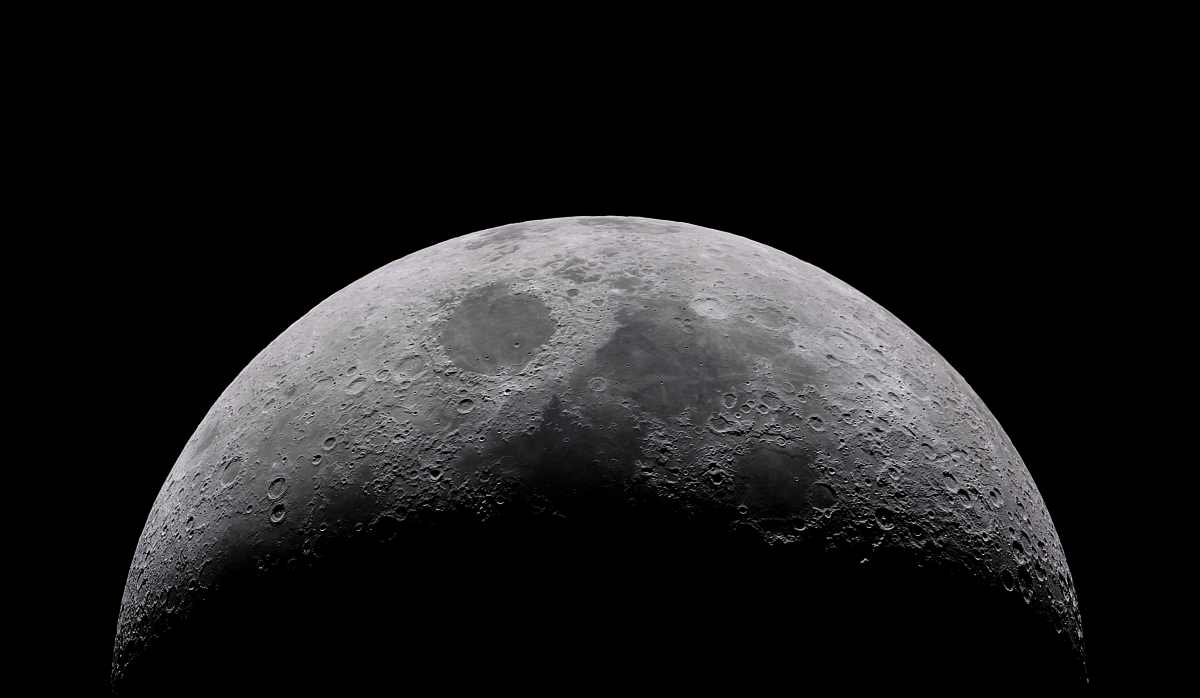
Amazing view of the tiny moon surface illuminated by the sun and the dark side of the moon. (Representative image source: Getty | Photo by: abriendomundo)
Amazing view of the tiny moon surface illuminated by the sun and the dark side of the moon. (Representative Image Source: Getty Images | Photo by: abriendomundo)

The Moon will not just vanish from an explosion; it will scatter into billions of tons of lunar material. The force of the explosion will determine whether the debris will be hurled away into deep space or crash at high speeds into Earth. The latter scenario is going to be deadly, as per physicist Alastair Williams. Simply put, civilization would be wiped away by the debris impacts

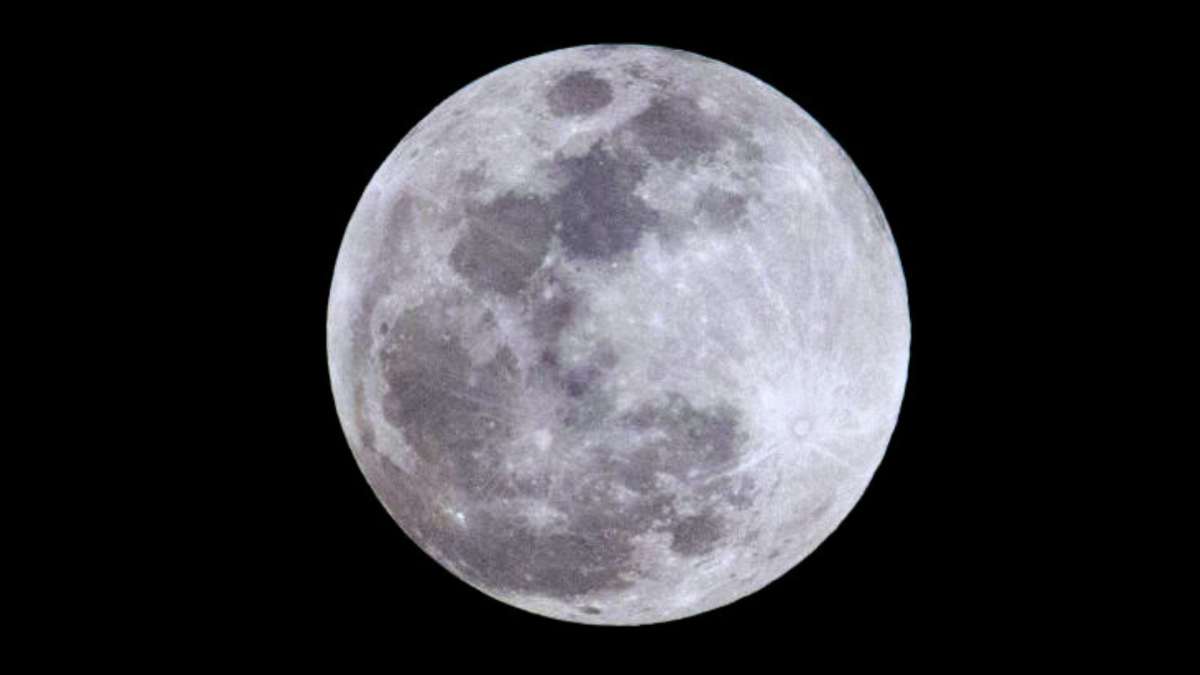
The full moon is seen prior to the 'Blood Worm Moon' total lunar eclipse above Austin, TX on March 13, 2025. (Photo by Rick Kern/Getty Images)
The full moon is seen before the 'Blood Worm Moon' total lunar eclipse above Austin, TX on March 13, 2025. (Representative Image Source: Getty Images | Photo by Rick Kern)

Another factor to consider is that the Moon’s gravity will not disappear when the Moon explodes. If most of the debris manages to stay in the same place, the mass will remain, and the gravity will not change so much. This will cause the debris cloud to orbit around Earth, allowing the Moon to put itself back together. In such a scenario, most of the lunar debris won't hit Earth. The fragments will instead collide with each other, creating smaller fragments or joining to form bigger ones, thus aiding the Moon in eventually putting itself back together.
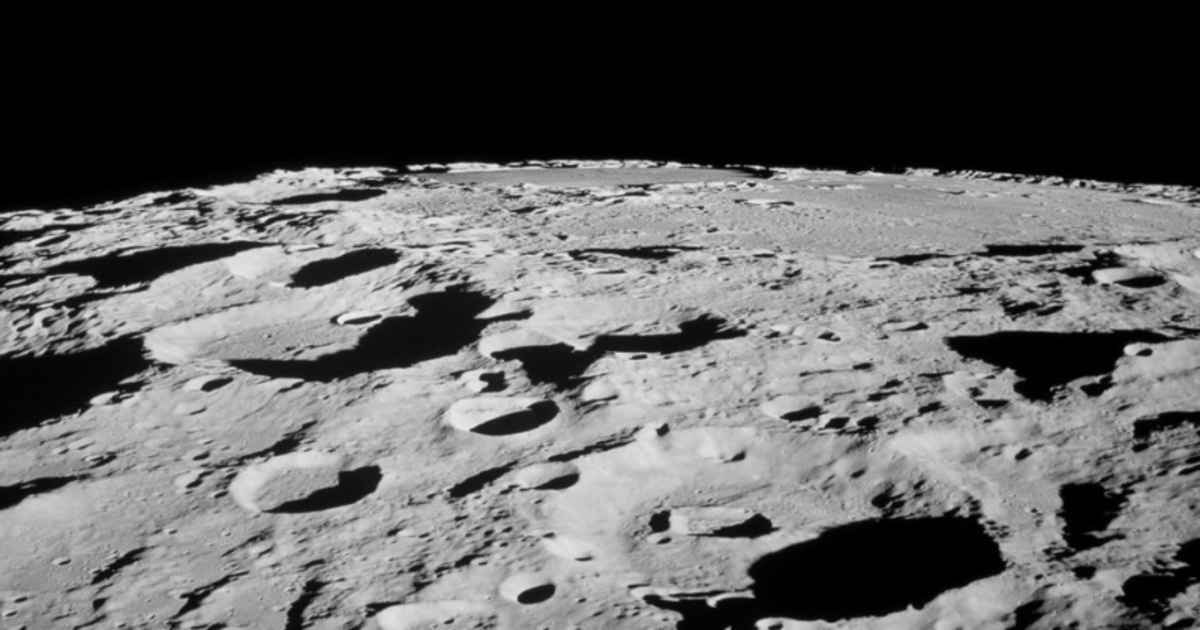
A detailed image of the lunar surface (Image Source: NASA)
A detailed image of the lunar surface (Representative Image Source: NASA)

On Earth, the first notable change brought about by the explosion of the Moon will be the near-disappearance of our ocean tides as the Moon's gravity is the primary driver of tidal forces. Marine life like crabs, starfish, and mussels will be affected the most since they depend on tides for survival. This will trigger the collapse of the tidal ecosystem, which will almost certainly lead to mass extinctions. Much of the animal kingdom will have to face the effects, too, as they use the Moon for navigation or moonlight for hunting. 
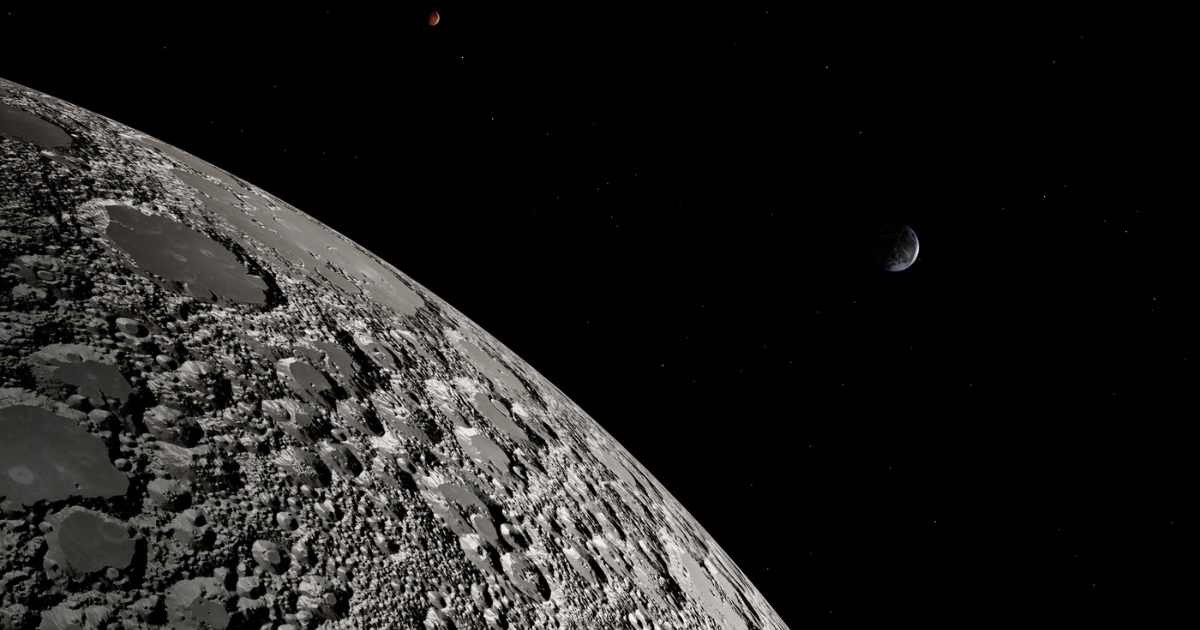
High detailed image of the moon (Cover Image Source: Getty | MASTER)
High-detail image of the moon and its surface (Representative Image Source: Getty Images | Photo by MASTER)

Tides also affect ocean currents that distribute warm and cold water across the globe. With no water travelling around the planet, some places will grow colder while others will grow hotter, with extreme and unpredictable weather events becoming more common. Moreover, without the Moon keeping us on a constant 23.5-degree tilt, the planet will wobble and will lose its seasons, and some parts of the world will have near-constant summer, while others face centuries-long ice ages.
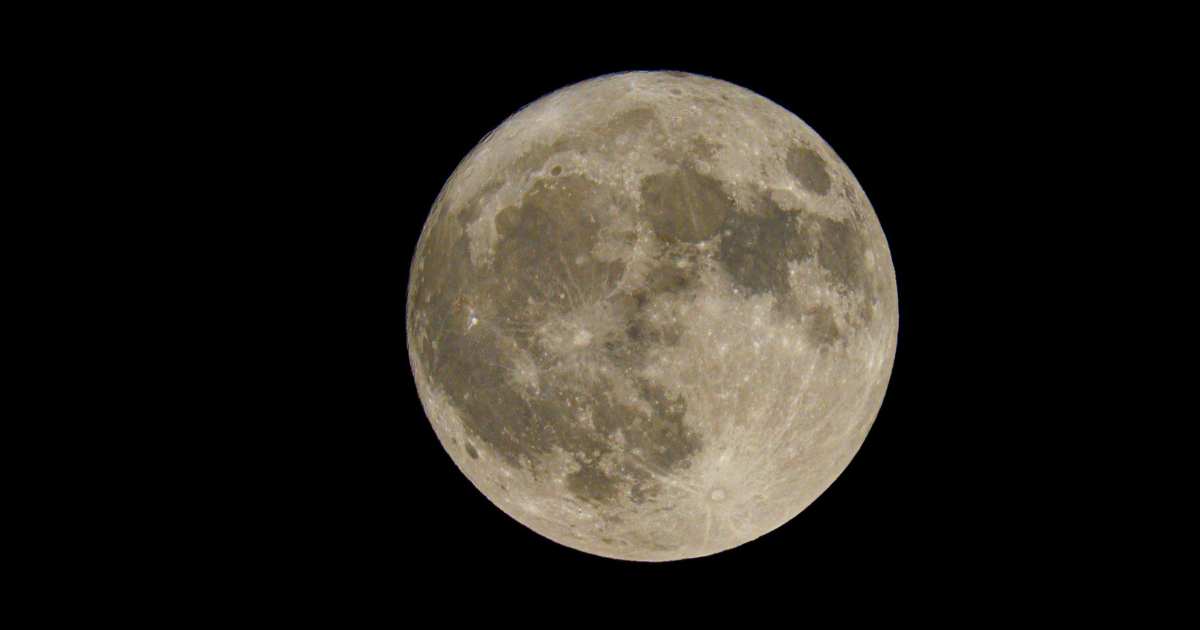
A full moon against the black sky (Representative Image Source:  Pexels | Jay Brand
A full moon against the black sky (Representative Image Source: Pexels | Photo by Jay Brand)

With the Moon and all its remains gone, the night sky will be naturally much brighter. There will not be any natural impediments to pristine, dark skies, as per Forbes. Another notable aspect of the explosion is that there will not be any eclipses. Bottom line: the Moon is vital for our existence. In fact, astronomers look for a large Moon whenever they are trying to locate a planet that can support life. Thankfully, for us, the Moon isn't likely to explode anytime soon.

More on Starlust

7 fascinating features of the Moon that would make your stargazing night perfect

Earth's 'wind' is causing the Moon to rust—but how is this possible?
MORE STORIES

These events, known as Luminous Fast Blue Optical Transients (LFBOTs), were originally thought to be a rare type of supernova.
17 hours ago
A scientist suggests our first alien signal may come from a loud, unstable civilization in crisis.
3 days ago
Texas astrophotographer Raman Madhira is questioning the object’s identity, claiming it fails to meet the standard criteria for a comet.
3 days ago
Most telescopes capture comets in visible light, but XMM-Newton deployed its high-sensitivity EPIC-pn camera for a 20-hour deep dive into 3I/ATLAS.
3 days ago
Research suggests Titan lacks a unified sea; instead, it may have a 'slushy' interior where liquid water exists only in scattered pockets.
4 days ago
Data shows microscopic particles floating at distances 3 times the planet's radius, revealing a massive vertical scale to the supposedly 'flat' rings.
4 days ago
A pair of massive solar eruptions, known as coronal mass ejections, was detected on December 16 and is currently on a direct collision course with Earth.
5 days ago
Officially labelled PSR J2322-2650b, this Jupiter-mass planet has been deformed into a bizarre lemon shape by the sheer, crushing gravity of its host star.
5 days ago
The new candidate, AT2025ulz, initially acted like a kilonova, only to later mystify scientists by morphing into what appeared to be a common supernova.
6 days ago
The average distance between Earth and the Moon is 384,400 kilometers (about 238,855 miles).
6 days ago