What will happen when the Sun runs out of fuel?
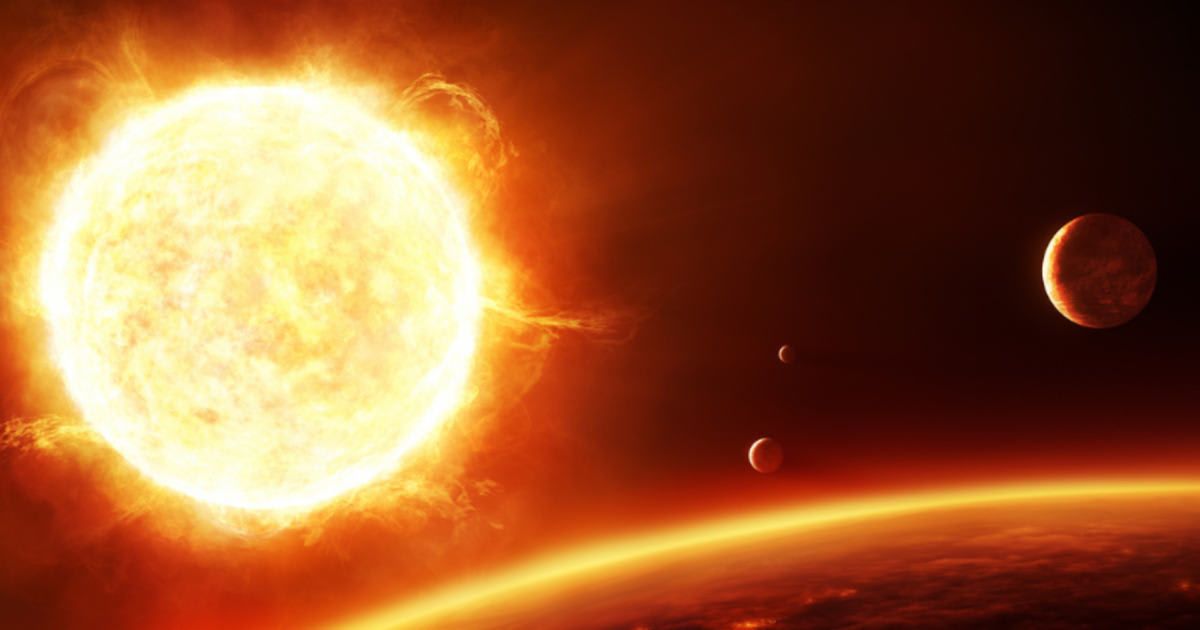
While it seems like the Sun, which is around 4.6 billion years old, might be around forever, that's unfortunately not the case. However, if it makes you feel any better, you and everyone you know will be long gone by the time our host star begins to die.

In a conversation with BBC Sky at Night Magazine, astronomer Dr. Christopher Manser stated that the Sun will run out of hydrogen in its core as it dies, becoming a red giant in about 5 billion years. A glimpse of what might happen was seen in the observations of ZTF SLRN-2020, the star that swallowed a planet. Once past this stage, the Sun will release its outer layers and become a white dwarf.
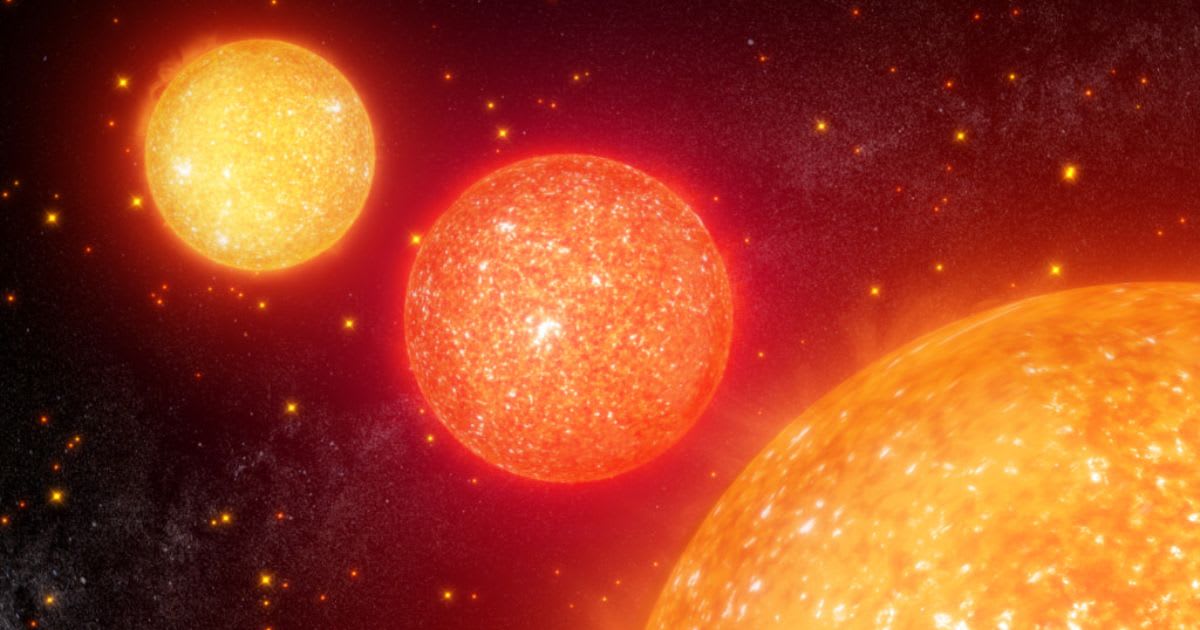
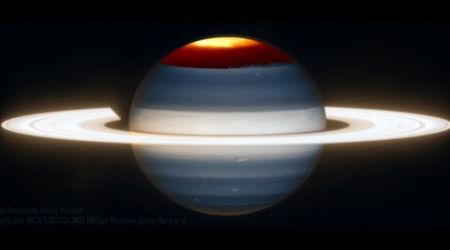
Now, 25-50% of white dwarfs are known to host planetary systems. This, Manser explained, is detected by looking at the evidence of white dwarfs ripping apart asteroids using their immense gravity and arranging them in Saturn-like accretion disks. Earth, however, would become uninhabitable by then. That's because less than a billion years into the future, the Sun's rising temperature will have boiled Earth's oceans away, thereby rendering the planet barren, per ESO Supernova. Not to mention, Earth, along with Mercury and Venus, will likely be consumed by the Sun as it becomes a red giant.
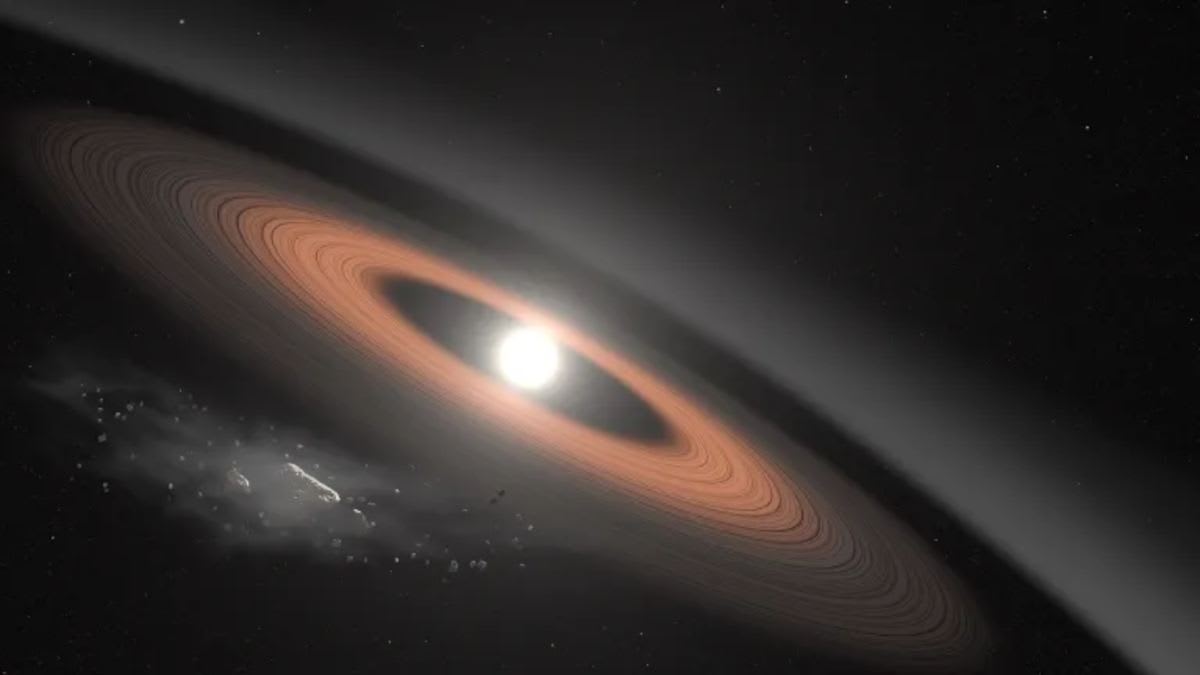
Only Mars, the asteroid belt, and all that lies beyond will be around to witness the Sun as a white dwarf. As the star loses mass, ejecting its outer layers, and planets expand their orbits, the chances of asteroid-generating collisions will go up. The erratic motion will throw more asteroids onto the white dwarf at bizarre orbits, which will get ripped apart and arranged into a dust disc.
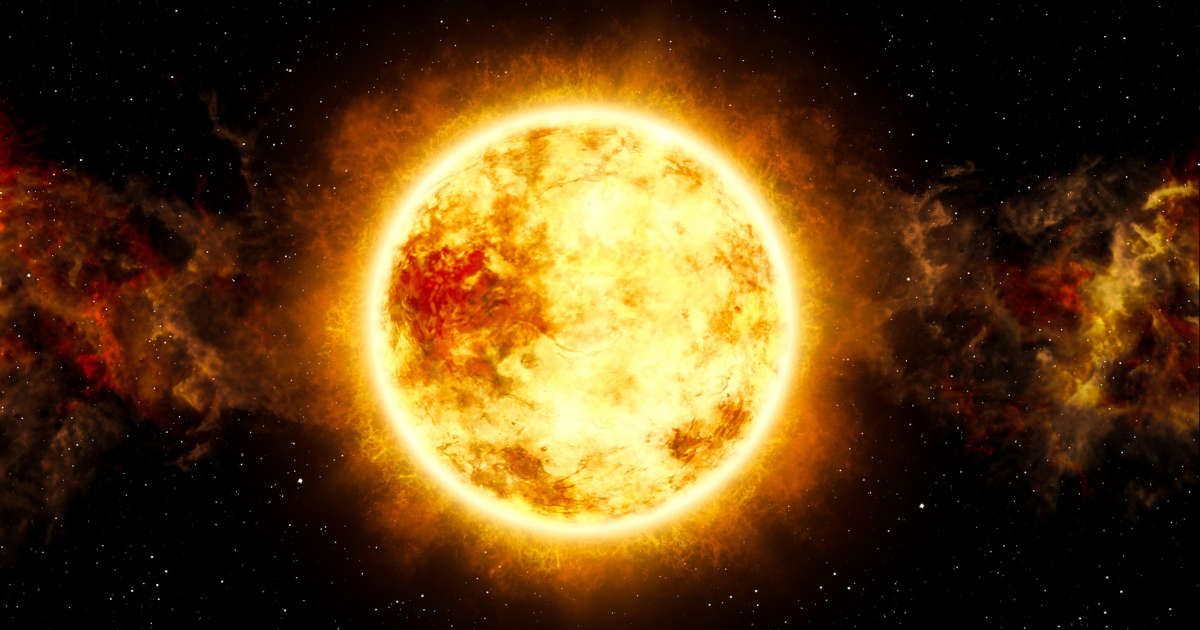
The slow death of our host star may destroy life on our planet, but it also might create habitable worlds in the far ends of the solar system. Pluto and other distant dwarf planets in the Kuiper Belt—a region of icy space rocks that lies beyond Neptune—might become a refuge for people, according to Astronomy. With the expansion of the Sun, these worlds might become capable of harboring conditions needed for the evolution of life. Planetary scientist Alan Stern of the Southwest Research Institute referred to them as “delayed gratification habitable worlds.”
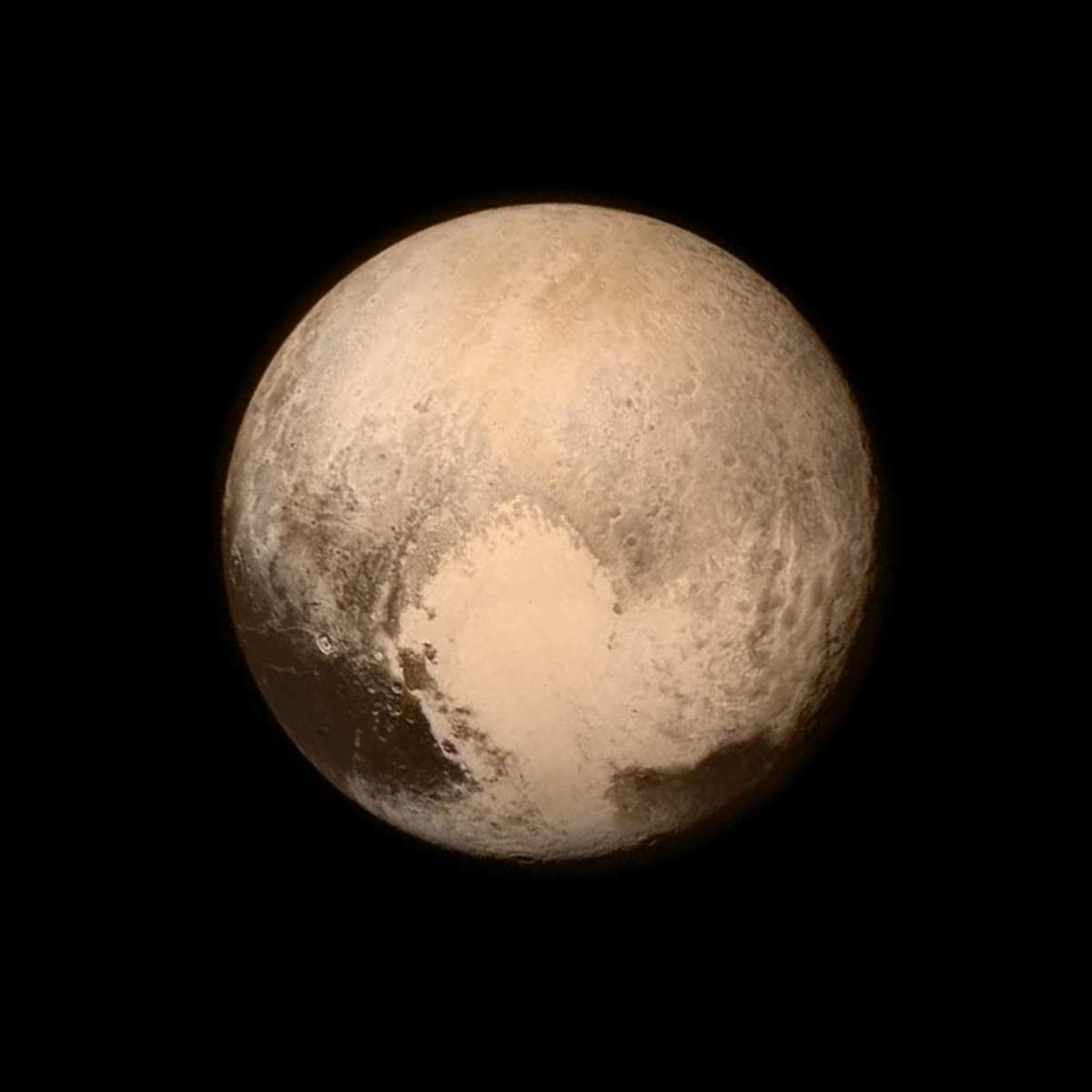
“Late in the life of the Sun — in the red giant phase — the Kuiper Belt will be a metaphorical Miami Beach,” he says. Sterns examined the prospects of life on the margins of the solar system in a 2003 study published in the journal Astrobiology. He predicts that Pluto might develop a thick atmosphere and liquid water surface as planets in the inner solar system are wiped out. Moreover, the worlds in this new habitable zone, which will include space rocks akin to comets and dwarf planets like Sedna and Eris, will have a surface area three times that of the inner solar system planets combined. All this, however, is more of a concern for our distant descendants. We, for now, would be wise to address the more immediate issues threatening the habitability of our planet.
More on Starlust
Massive solar flare bursts from the sun cause radio blackouts across parts of North America