Perseverance rover finds light-colored rocks in Jezero crater, offering new clues about Mars' wet past
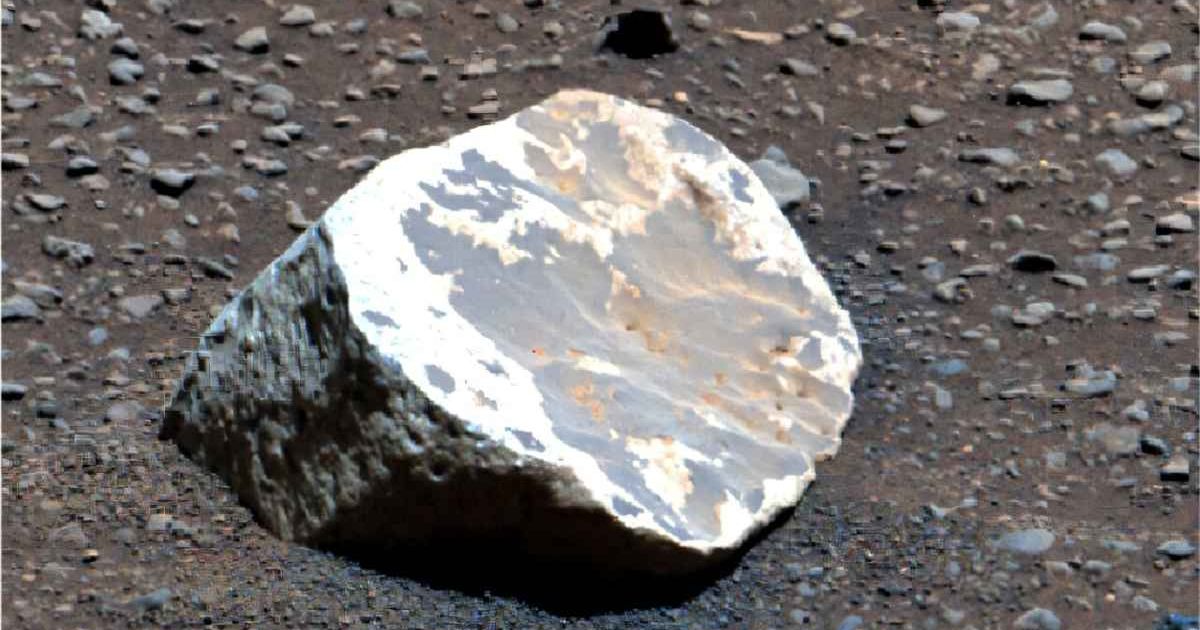
A study published in Communications Earth & Environment suggests that certain pale rocks spotted on Mars, seen as bright, light-toned specks against the planet’s rusty terrain, are evidence that Mars once hosted moist oases with a humid atmosphere and substantial rainfall. These rocks were spotted by NASA’s Perseverance rover and were determined to be kaolinite, a white, aluminum-rich clay.

These are formed on Earth when all other minerals from rocks and sediments are swept off by millions of years of water and rain, according to Purdue University. “Elsewhere on Mars, rocks like these are probably some of the most important outcrops we’ve seen from orbit because they are just so hard to form,” said Briony Horgan, professor of planetary science in the Department of Earth, Atmospheric, and Planetary Sciences in Purdue’s College of Science. The sheer amount of water required for such formations led the scientists to conclude that the Red Planet might have experienced rainfall for millions of years.
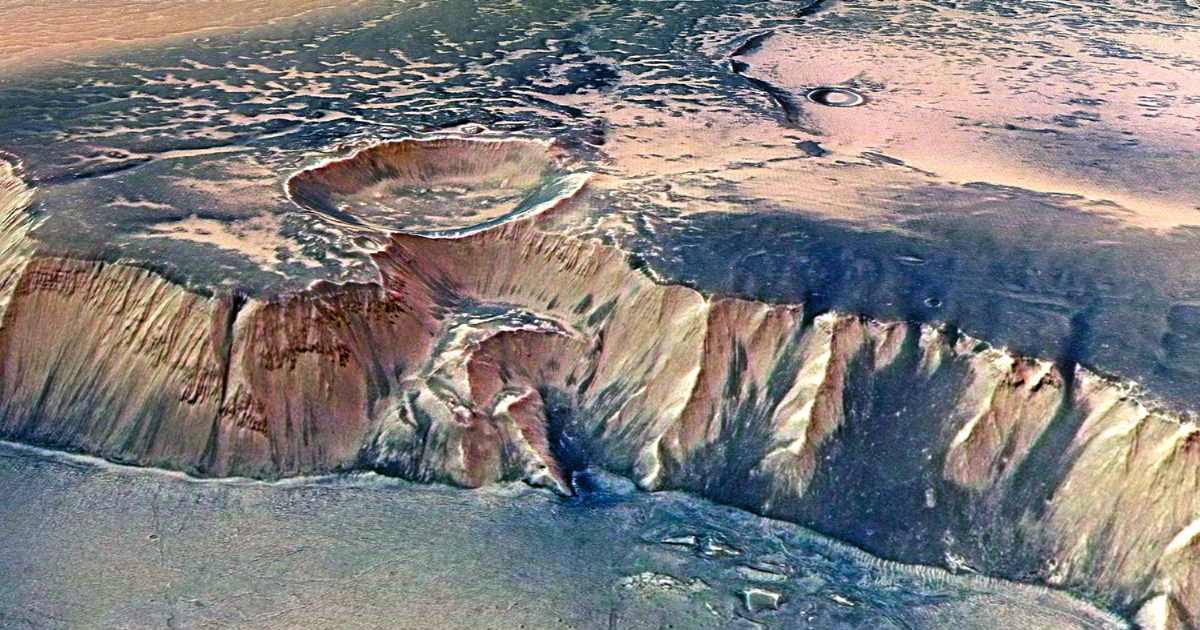
Kaolinite clay on Earth is commonly found in environments that have tropical climates, like rainforests. Finding such a rock in a barren and dry place like Mars is a strong indication of a wet past. The fragments of kaolinite, which were as small as pebbles to as big as boulders, were initially examined by the Mars rover’s SuperCam and Mastcam-Z instruments and compared to similar rocks on Earth. These fragments might prove to be crucial in not just tracing Mars' past environmental stages but also help figure out how it became barren.
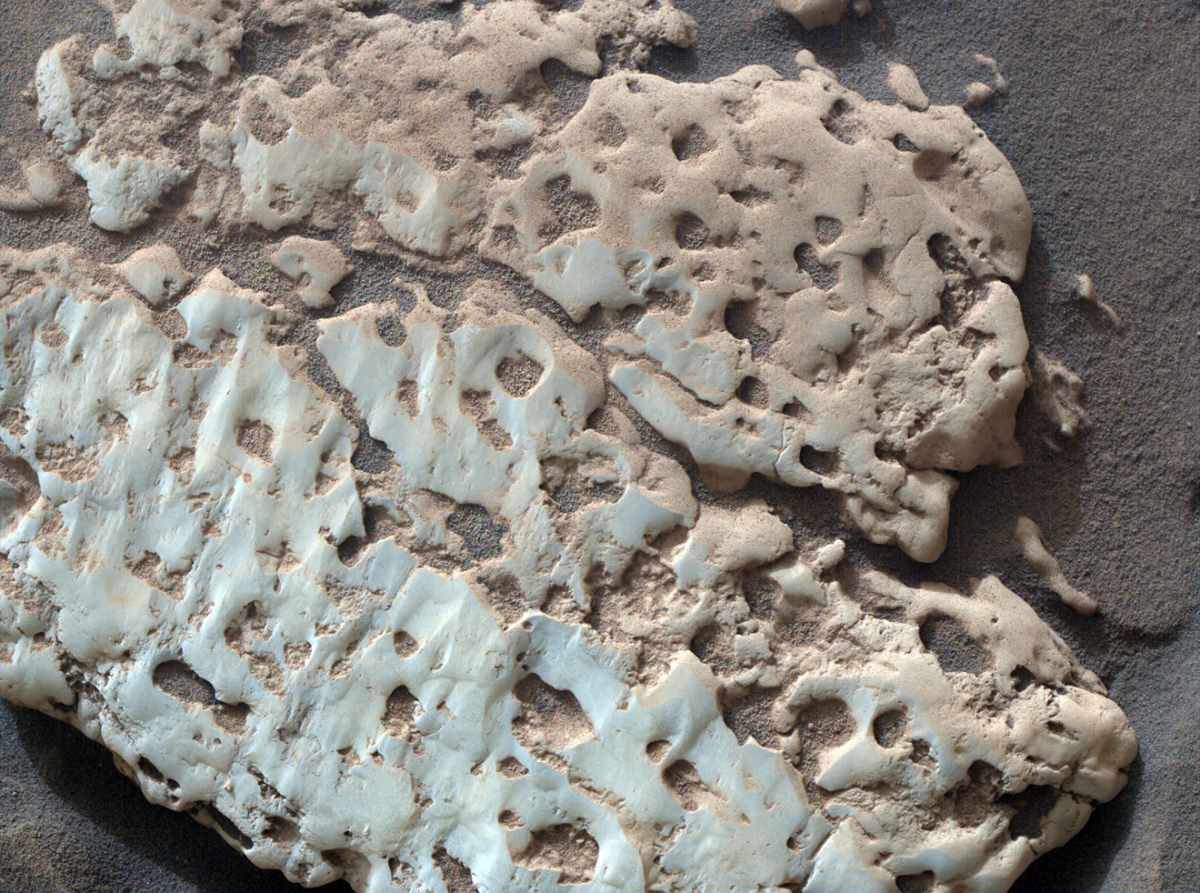
According to Horgan, what's really mysterious about the kaolinite is the absence of major outcropping near where the rocks could have originated, even though they can be found everywhere on the path Perseverance has followed since landing at the Jezero crater four years ago. “They’re clearly recording an incredible water event, but where did they come from?” Horgan said. “Maybe they were washed into Jezero’s lake by the river that formed the delta, or maybe they were thrown into Jezero by an impact, and they’re just scattered there. We’re not totally sure.” There is evidence of a lake that is around twice the size of Lake Tahoe in the crater, and major outcroppings of kaolinite have been spotted in other areas of Mars.
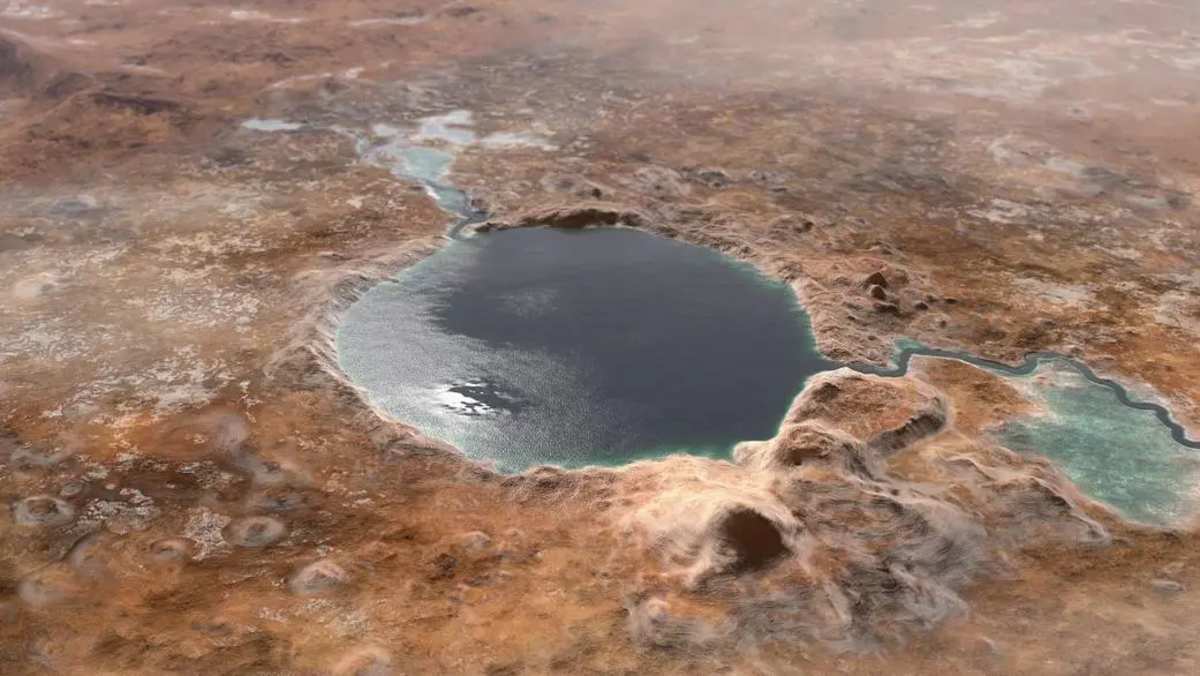
These spots are still out of reach and are yet to be investigated by the rover to get more insight into the rocks. "Until we can actually get to these large outcroppings with the rover, these small rocks are our only on-the-ground evidence for how these rocks could have formed,” Horgan stated. "And right now the evidence in these rocks really points toward these kinds of ancient warmer and wetter environments." The Martian kaolinite samples were compared to rock samples near San Diego, California, and in South Africa, and the rocks were a close match.

Martian rocks are like a time capsule and can hold information about the planet from billions of years ago. No life can survive without water, and its presence on Mars opens a multitude of opportunities to explore.
More on Starlust
Stunning new study claims Mars may have supported life longer than initially suspected
New research reveals how volcanic gases may have made early Mars a cradle for life