NASA’s Crew-13 is go for launch! Watch four astronauts fly to ISS today. Timeline and livestreaming details.
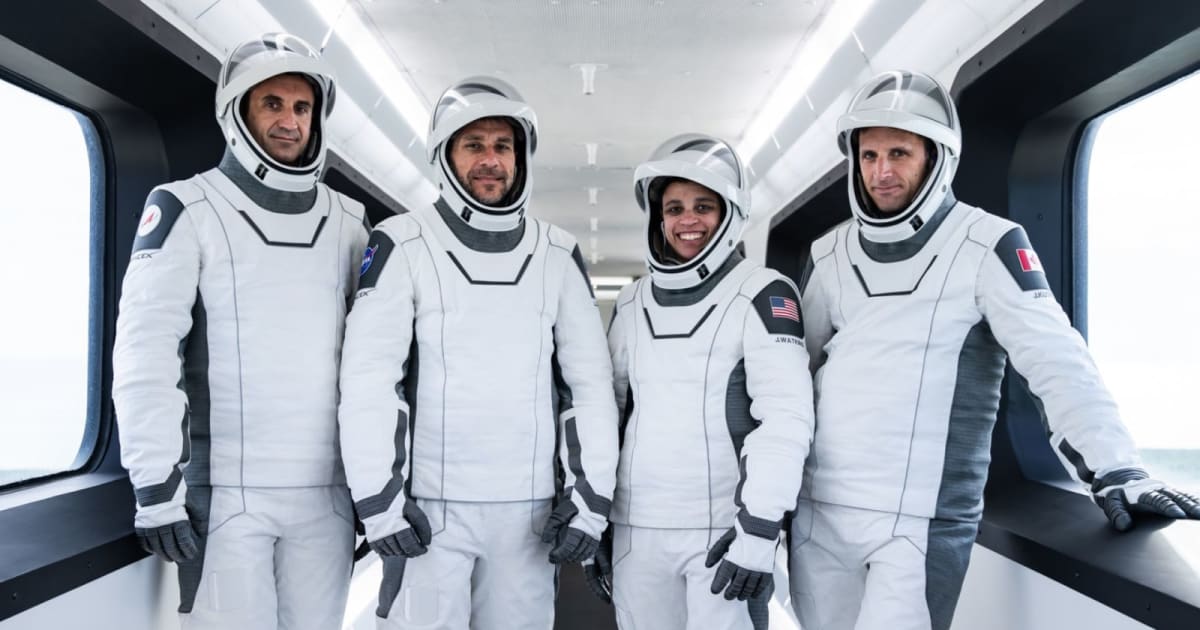
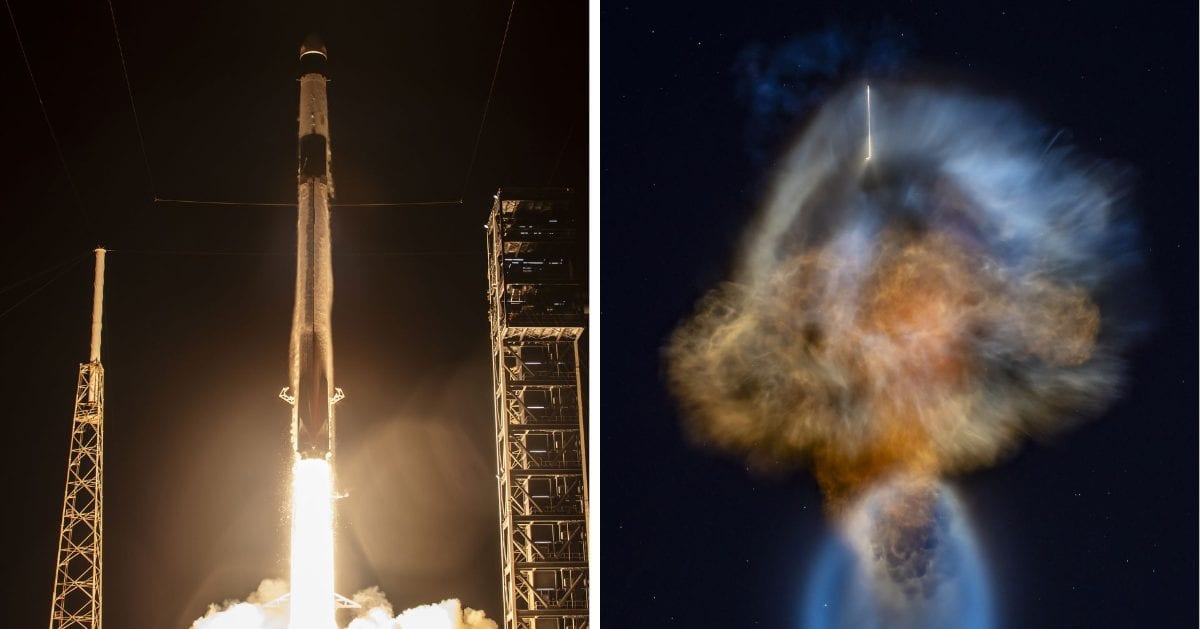
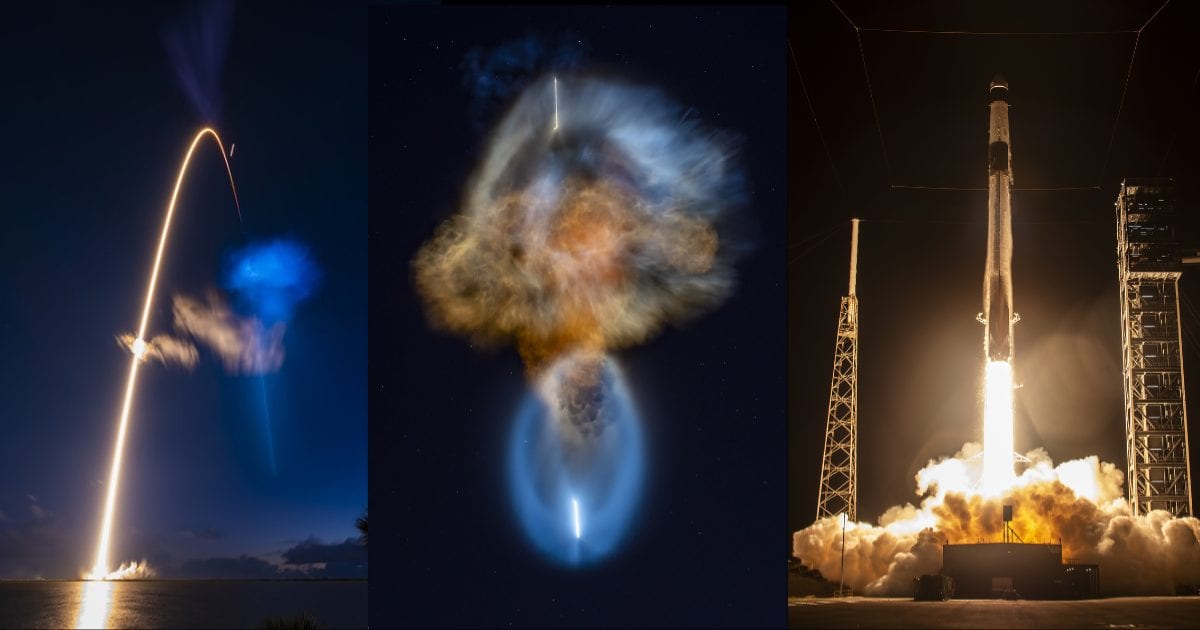
NASA announced on Thursday that it has completed a launch readiness review with SpaceX and international partners, and that the Crew-13 mission is ‘go’ for launch. The mission is now cleared for launch at 11:10 am EDT from Space Launch Complex 40 at Cape Canaveral Space Force Station in Florida. Four astronauts will board SpaceX’s Dragon spacecraft, which will be launched atop a Falcon 9 rocket toward the International Space Station (ISS).
Crew-13 is GO for launch! 🚀
— NASA's Kennedy Space Center (@NASAKennedy) September 30, 2026
After a successful review, @NASA and @SpaceX are gearing up for liftoff as the team prepares for their journey to the @Space_Station.
Read more: https://t.co/IVcuzXJljj pic.twitter.com/7WDxGSpdnu
“NASA, SpaceX, and international partner teams completed the Launch Readiness Review for the agency’s Crew-13 mission to the International Space Station, with mission leaders polling “go” to proceed into the launch count,” the agency said in a statement. If the launch happens today, the spacecraft will dock at the station’s Harmony module at 7 pm EDT. This will be the fastest trip to the ISS by a U.S. spaceflight in history.
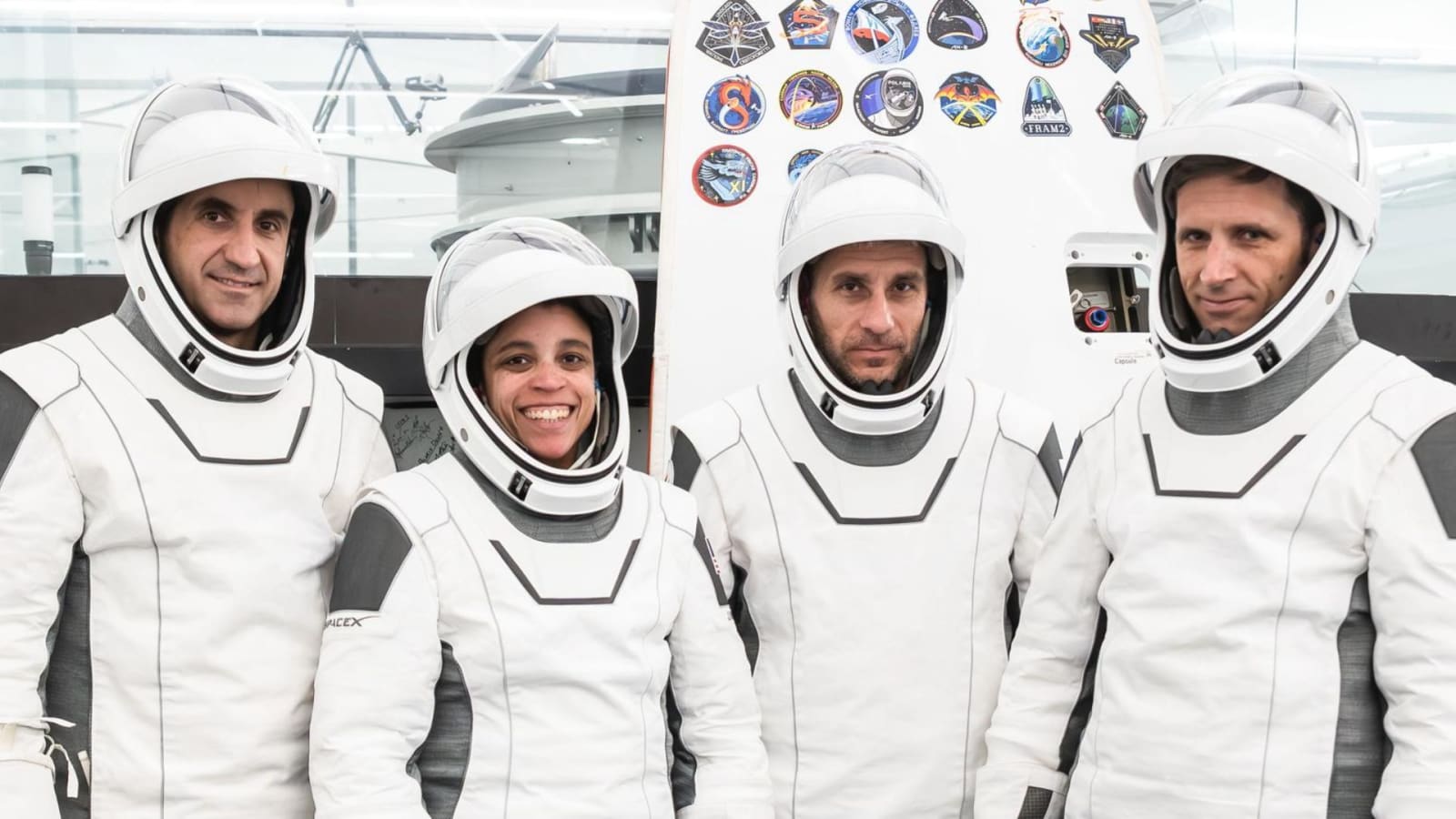
Crew-13 includes NASA astronauts Jessica Watkins (mission commander) and Luke Delaney (pilot), Canadian Space Agency astronaut Joshua Kutryk, and Roscosmos cosmonaut Sergey Teteryatnikov. The quartet will spend at least six months aboard the orbital lab and replace the Crew-12 members after taking over their responsibilities. This mission will mark the first for Delaney, Kutryk, and Teteryatnikov, and the second for Watkins.
Where to watch the launch live?
The mission, from the launch till the docking, is expected to last around 7 hours and 50 minutes. The live webcast of the launch will begin at 9:20 am EDT on several NASA platforms such as Twitch, Facebook, Instagram, X, YouTube, and NASA+. After audio-only coverage during Dragon's transit, the webcast will resume at 5:20 pm on Twitch, X, YouTube, and NASA+ before the Dragon spacecraft approaches the station for docking. SpaceX will also livestream the mission on its Crew-13 mission page and its official X page. At 6 pm EDT, NASA has also planned a post-launch news conference with agency officials, including Administrator Jared Isaacman, and it will stream on YouTube. You can also watch live views of the Crew-13 rocket on Space Launch Complex 40, streaming now on the Kennedy Space Center Newsroom YouTube page.
ISS population is set to increase to 11
With Crew-13’s arrival, the number of ISS residents will increase to 11. The seven astronauts presently living aboard the station are Crew-12 members Jessica Meir, Jack Hathaway, Sophie Adenot, and Andrey Fedyaev, along with Anil Menon, Pyotr Dubrov, and Anna Kikina. The Crew-12 astronauts launched in February from Florida and are slated to return later this month. Menon, Dubrov, and Kikina flew to the station aboard Russia’s Soyuz MS-29 spacecraft in July from the Baikonur Cosmodrome in Kazakhstan.
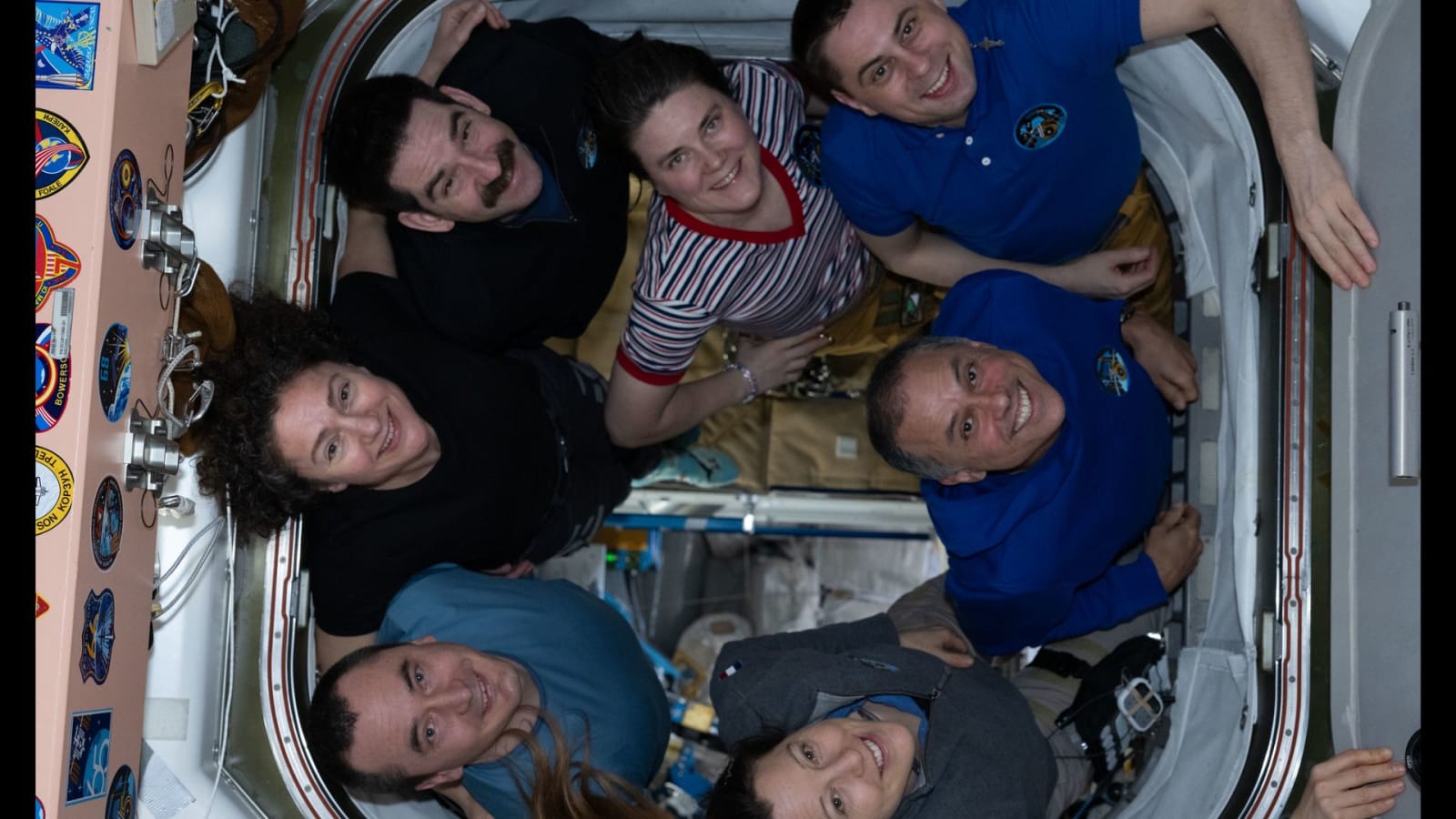
As part of preparations for their launch, the Crew-13 astronauts completed their dress rehearsal on Wednesday, while Crew-12 is busy packing their spacecraft with essential payloads before departure. Meanwhile, Menon and his MS-29 crew are on an approximately eight-month mission that will end in April 2027. As of today, there are five spacecraft docked at the station, with the sixth on its way. However, three of them—the Crew-12 Dragon, the Cygnus NG-24 cargo vehicle, and the Progress 96 spacecraft—are scheduled to undock in October.
More on Starlust
A second shot for Starliner: NASA set to re-induct Boeing's spacecraft after 2024 ISS incident