There's a 30 percent chance Interstellar object 3I/ATLAS does not have 'natural origin,' says Harvard astronomer
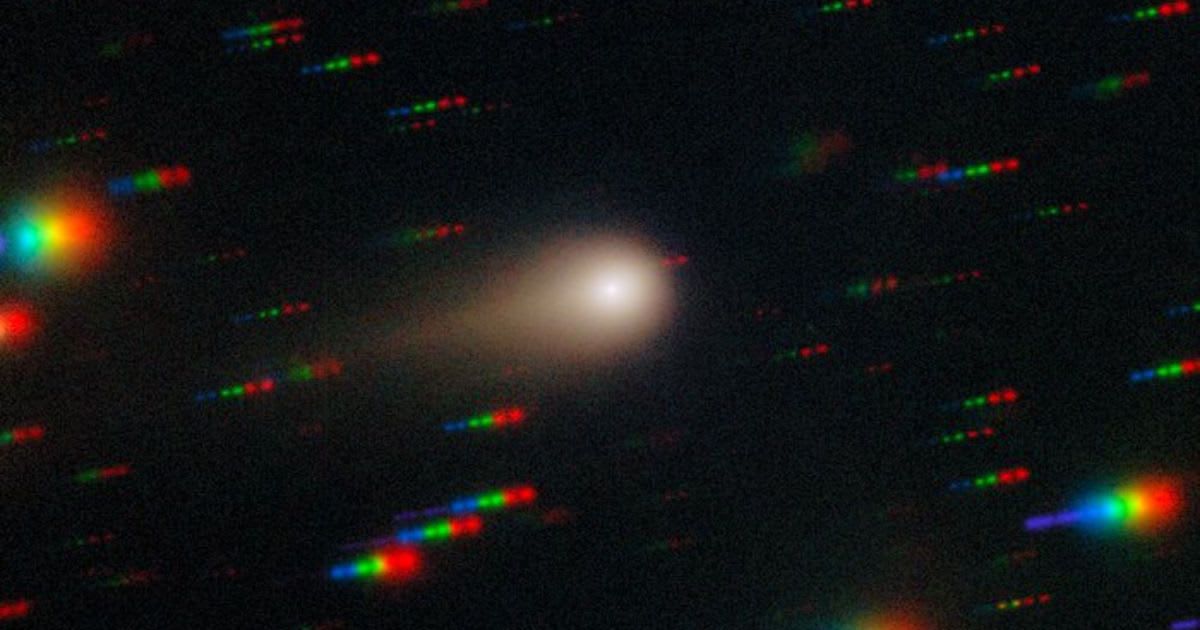
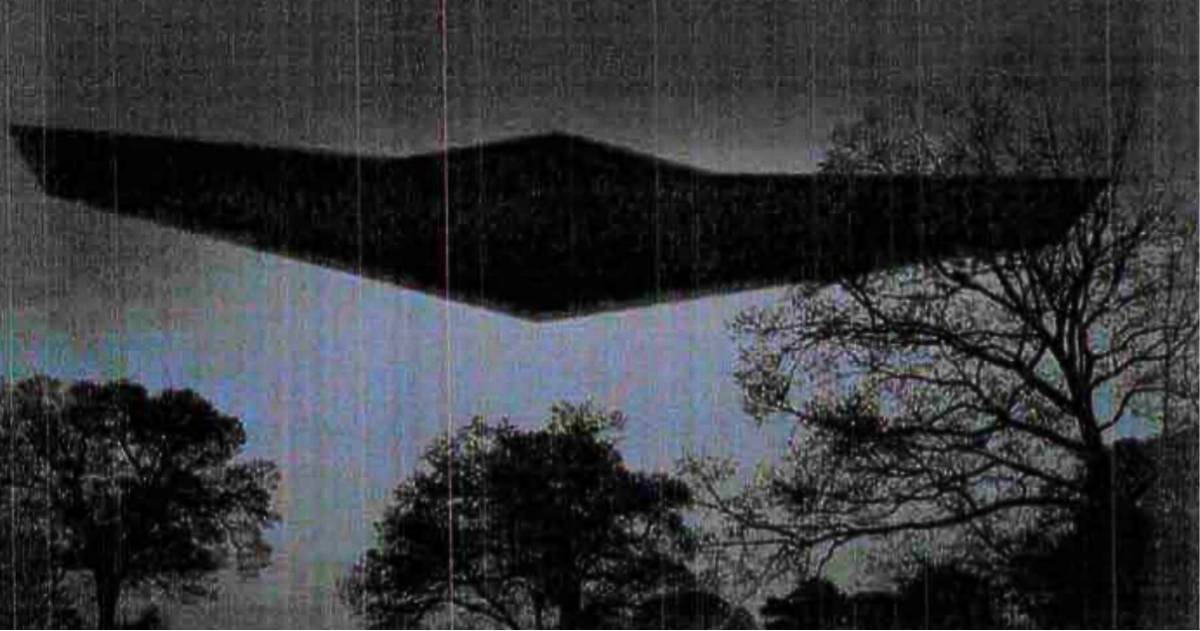
The debate surrounding 3I/ATLAS (C/2023 A3) has intensified, challenging claims that the interstellar object could be an extraterrestrial probe. Since its 2025 discovery, the body has been the subject of speculation, largely due to assertions by Dr. Avi Loeb, who cited its size, path, and chemical ambiguity as possible evidence of an alien origin. However, a new scientific paper dismisses this theory, offering a compelling astrogeological explanation for the object's properties, according to the new SETI study.
The new analysis argues that 3I/ATLAS, which is roughly seven miles across, is likely a lithified clastic fragment originating from a sedimentary basin on an exoplanet that could once host life. The research shows that the object's compact coma and spectral slope are consistent with stratified, diagenetically altered siliciclastic strata, cemented rock layers. This model provides a non-alien-intelligence-based explanation for 3I/ATLAS's features. The findings suggest the object is a piece of exoplanetary geology, and future high-resolution studies are recommended to validate this hypothesis and deepen our understanding of other worlds.
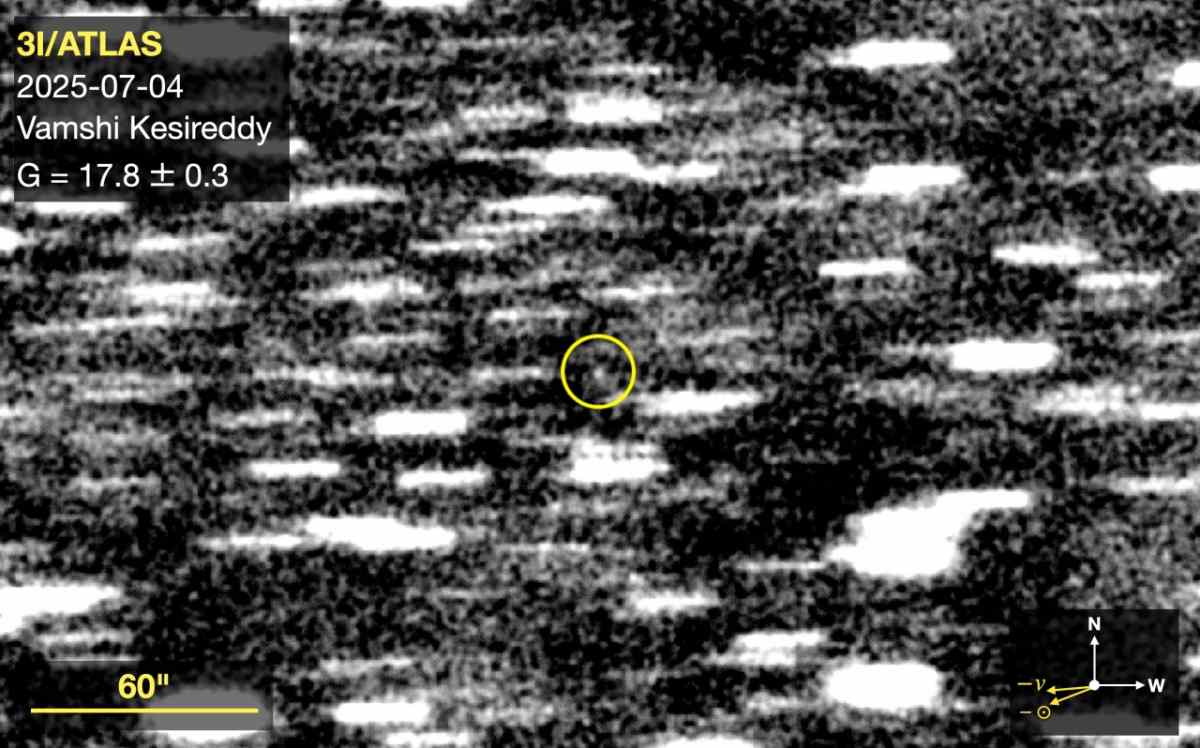
The object was initially detected in early July 2025 by the Asteroid Terrestrial-impact Last Alert System (ATLAS) telescope network, designed to spot potential threats to Earth. 3I/ATLAS was observed moving rapidly on an escape trajectory, making it only the third confirmed interstellar visitor after ʻOumuamua (2017) and 2I/Borisov (2019), per Daily Galaxy.

Dr. Avi Loeb and his team have highlighted several unusual traits that they suggest might indicate an artificial origin. In a hypothetical scenario framed by the "Dark Forest" hypothesis, a concept from science fiction suggesting civilizations hide out of fear, Loeb posited that the object could be part of an extraterrestrial strategy. His team specifically pointed to the object's retrograde orbital tilt, which is unusually close to the solar system's plane, arguing this alignment "offers various benefits" for an Extra-terrestrial Intelligence (ETI) approaching Earth. They even suggested the body could perform a reverse Solar Oberth Manoeuvre using the Sun’s gravity to slow down, potentially setting up a later rendezvous with Jupiter or Earth. Loeb believes such "extraordinary risks deserve attention," even if they require "extraordinary evidence."
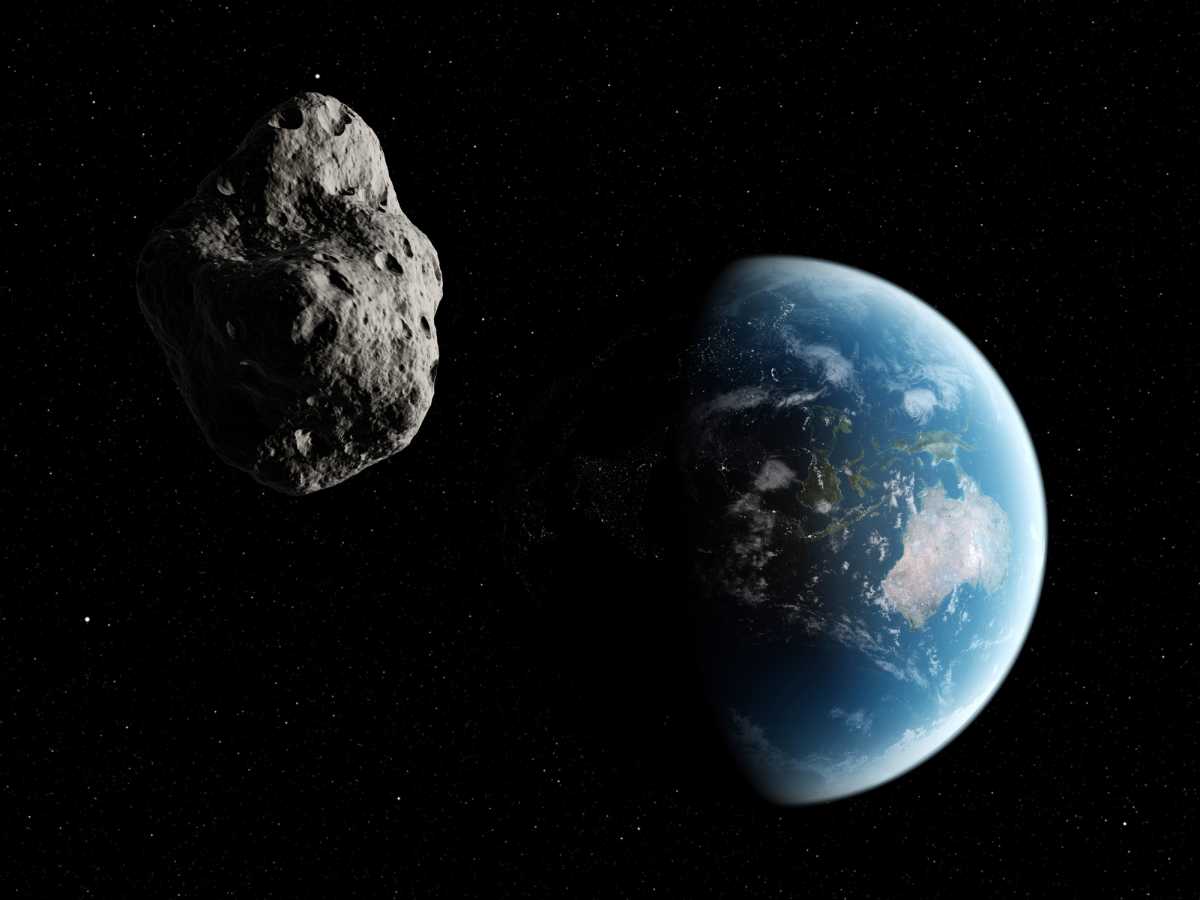
This speculative view is met with significant skepticism from other scientists. Loeb's suggestion that the presence of nickel without iron could hint at an artificial construct is countered by SETI scientist A.K.M. Eahsanul Haque, who notes the chemical profile aligns with natural interstellar bodies. Haque also calculated a minimal 0.005% chance of gravitational close encounters with Venus, Mars, or Jupiter, disputing the idea that planetary interactions would influence its path. NASA's Tom Statler and other astronomers agree, emphasizing that despite some unusual characteristics, 3I/ATLAS behaves like a typical comet.
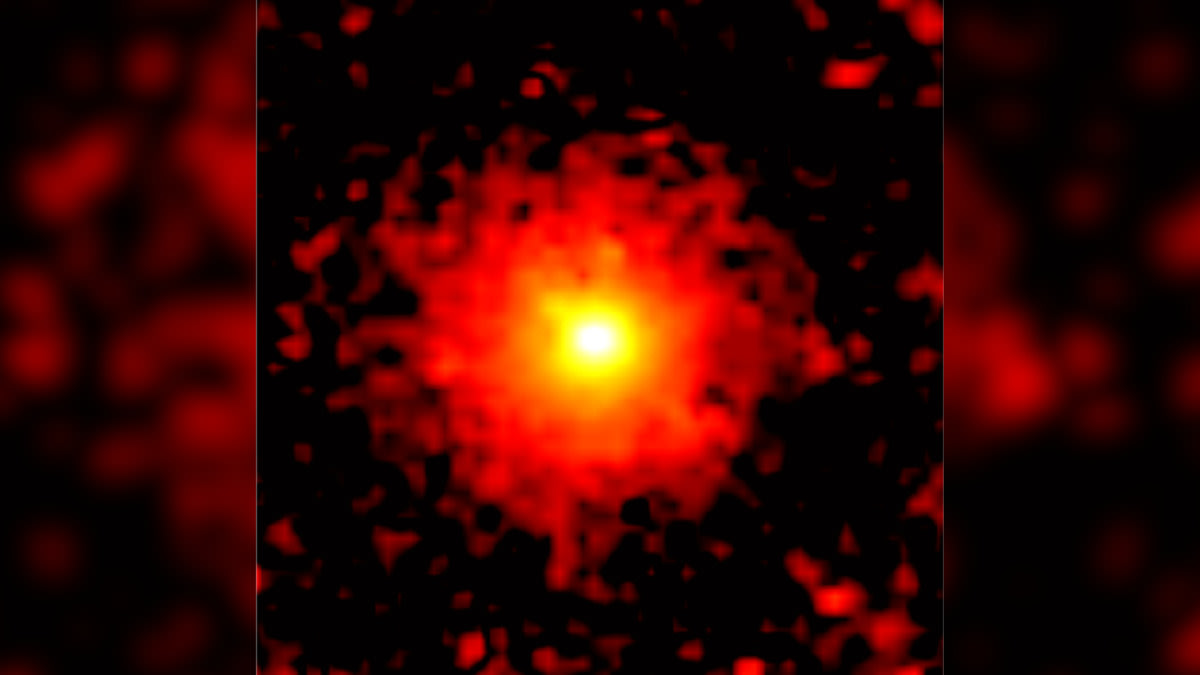
While Loeb assigned a 30-40% probability to the object being non-natural, a case he claims would be strengthened if the size exceeds five kilometers, most astronomers remain focused on the scientific value of 3I/ATLAS as a rare opportunity to study a potentially 10-billion-year-old fragment from a distant planetary system.
More on Starlust
3I/ATLAS reveals first-ever ultraviolet clue to water in an interstellar comet in historic discovery