SpaceX's Falcon 9 to deploy another 25 Starlink satellites on March 24 following a busy launch week
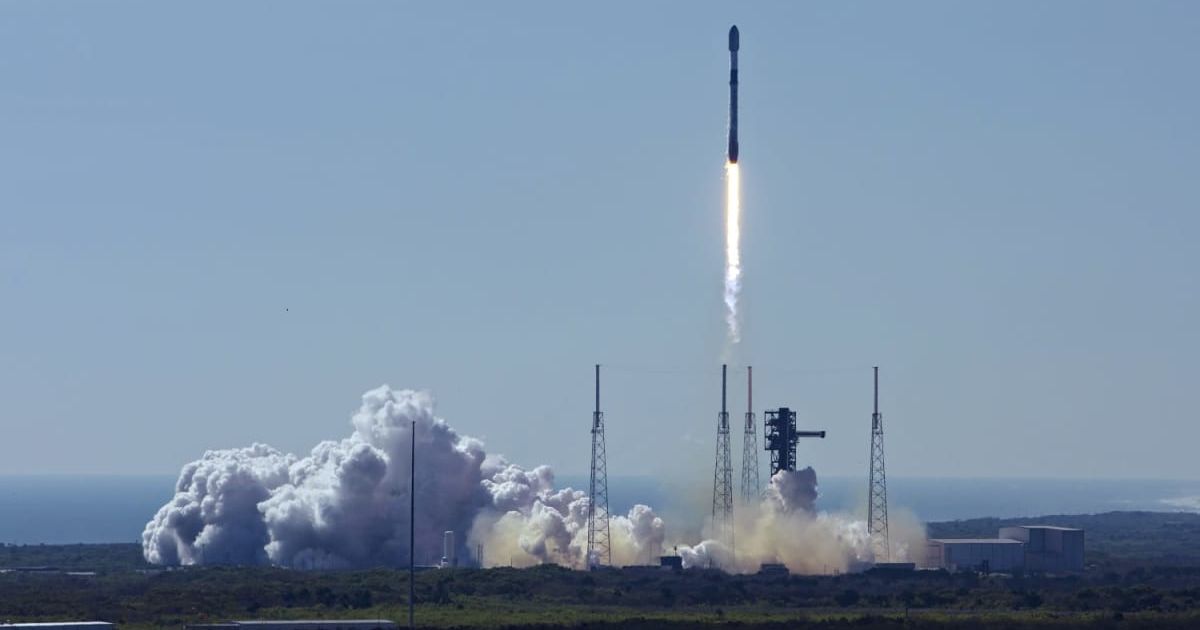
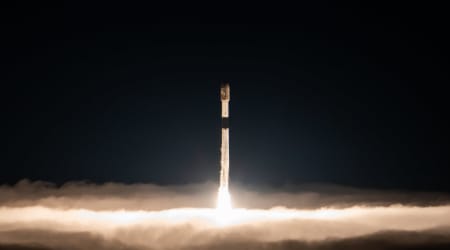
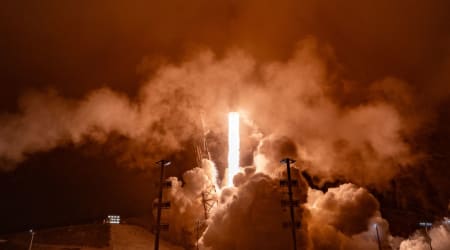
SpaceX is set to launch another 25 Starlink satellites aboard a Falcon 9 rocket on March 24, 2026, maintaining its high cadence of launches. The satellites will be deployed from the Space Launch Complex 4 East (SLC-4E) at Vandenberg Space Force Base in California. This announcement follows a hectic week of nearly daily Falcon 9 flights, during which 137 satellites were deployed into low-Earth orbit in five separate batches.
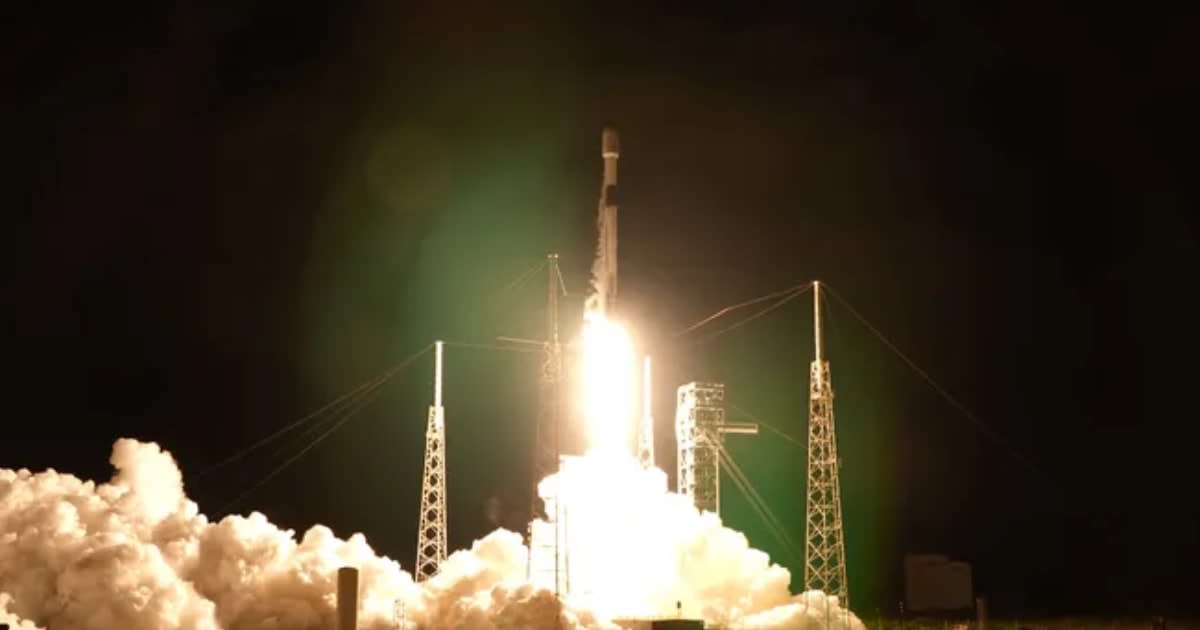
The upcoming launch from Vandenberg’s SLC-4E is scheduled to take place between 7:03 p.m. EDT and 11:03 p.m. EDT. Following stage separation, which is expected to happen around two and a half minutes into the mission, the first stage of the rocket will land in an upright fashion on the Of Course I Still Love You droneship, stationed in the Pacific Ocean, about eight minutes and thirteen seconds into the mission. According to the company, the mission will also mark the 23rd flight for the first-stage booster, which has supported 12 Starlink missions as of yet. SpaceX has also warned that the residents of the Santa Barbara, San Luis Obispo, and Ventura counties may hear one or more sonic booms, depending on the weather.
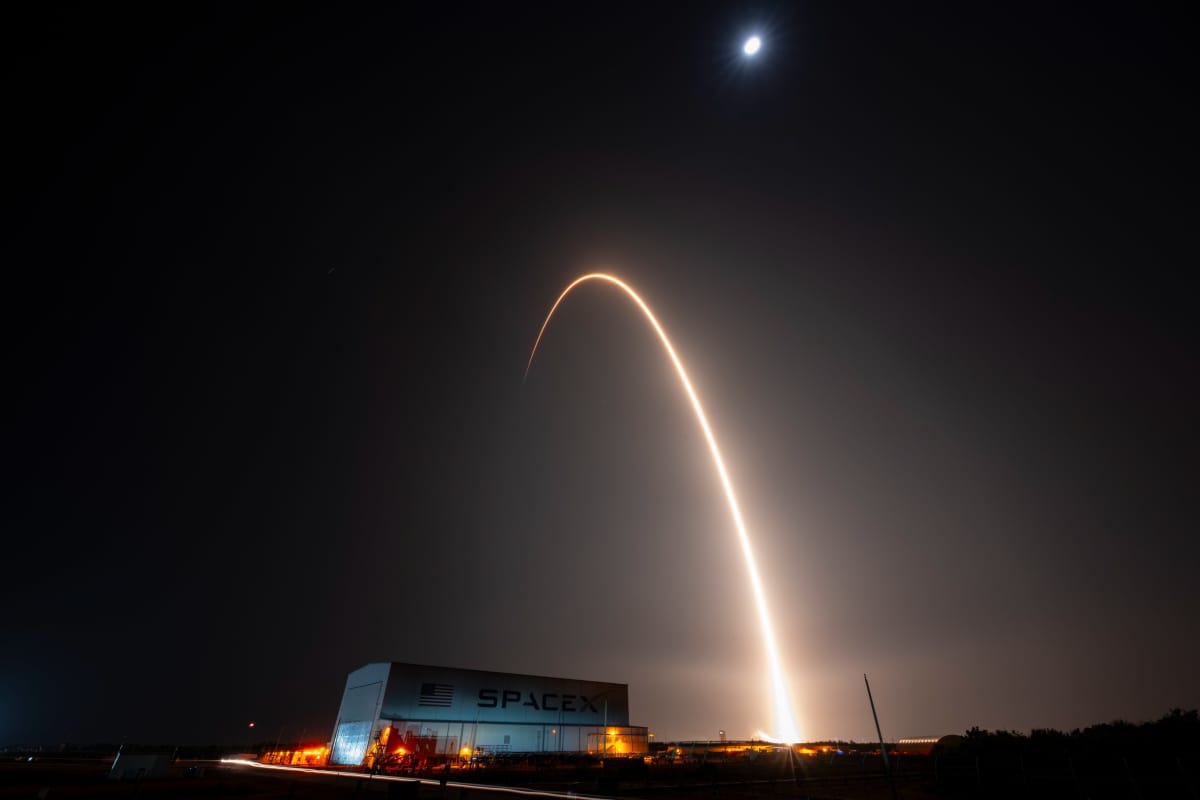
This event will have a live webcast, so you can watch the pre-launch stream on the company’s X account and the X TV app, starting five minutes before liftoff. A batch of 29 Starlink satellites is also scheduled to launch on March 26, 2026, between 7:22 a.m. EDT and 11:22 a.m. EDT from Space Launch Complex 40 (SLC-40) at Cape Canaveral Space Force Station in Florida. It will be the 34th flight for the first-stage booster, which has flown on 22 Starlink missions till now. Following stage separation, it will land on the Just Read the Instructions droneship out in the Atlantic Ocean.
More on Starlust
SpaceX conducts first Starship V3 static fire test in preparation for April test flight
Blue Origin joins SpaceX in the orbital data center race, aims to launch over 50,000 satellites