Small icy moons are hiding boiling oceans deep under their frozen shells, scientists say
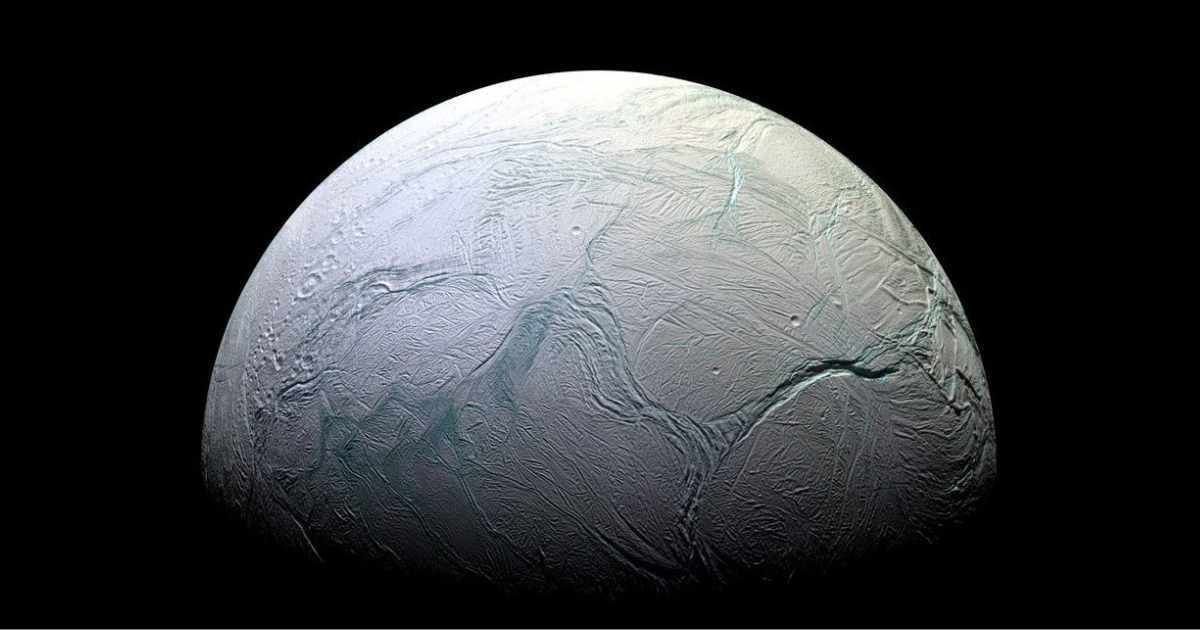
The liquid water trapped between the frozen shells and rocky cores on ice-covered moons makes them some of the prime candidates to host life beyond Earth. A new study published in Nature Astronomy on November 24 now claims that these oceans may be heating up and boiling, thus influencing their surface features.

Unlike geology on Earth, which is driven by the movement of deep rock, the action on icy moons is powered by the dynamics of water and ice. These satellites are heated up by powerful tidal forces coming from the gravitational pull of their host planets. This heat varies over time, melting and thinning the ice layer when high, and having the opposite effect when low.
The lead author of the paper and associate professor of Earth and planetary sciences at the University of California, Max Rudolph, and his colleagues previously looked at what happens when the layer of ice thickens. The pressure changes can cause the surface to crack, such as the famous "tiger stripes" visible on Enceladus. “We’re interested in the processes that shape their evolution over millions of years, and this allows us to think about what the surface expression of an ocean world would be,” Rudolph explained, per UC Davis.
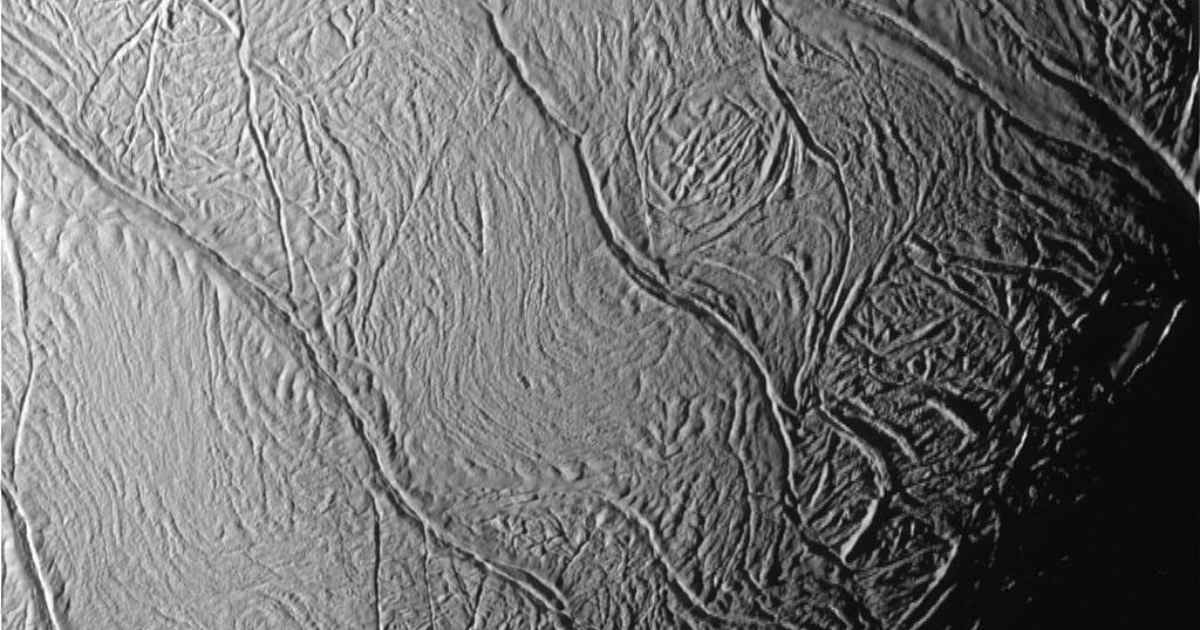
The new research, in contrast, examined the opposite scenario: what happens when the ice shell melts from below. In a surprising conclusion, the scientists found that this melting could lead to boiling of the entire subsurface ocean. When the solid ice turns into less-dense liquid water, pressure on the ocean above drops drastically. Rudolph and his colleagues calculated that on the smallest moons, for example, Saturn's Mimas and Enceladus, or Uranus's Miranda, this pressure drop might be sufficient to bring the water up to its triple point. This is precisely the condition under which ice, liquid water, and water vapor or steam can all coexist.
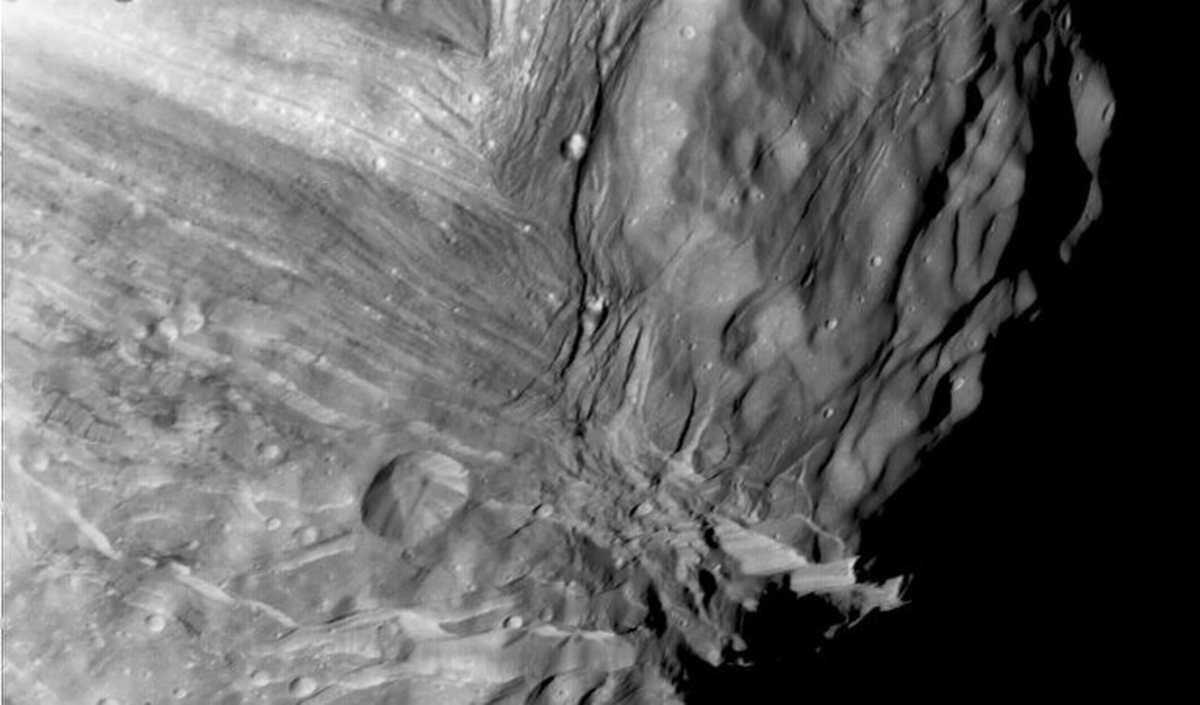
This boiling of the ocean may hold the key to deciphering some of the geological mysteries of the moons. Voyager 2's images of strange ridges and cliffs termed coronae on Miranda may have formed in response to this boiling. Even though Mimas stretches for less than 250 miles, it is still packed with craters. In fact, one of them is exceptionally large and has come to be nicknamed "Death Star." Rudolph said it is geologically dead, but a wobble in its movement indicates the presence of an ocean.
Because its ice shell is not expected to fracture easily, boiling-induced low pressure explains how it might have a buried ocean without any sign of activity on its surface. The size of a moon is critical, the team discovered: on much larger moons, the ice shell would crack before the triple point is reached, as occurs with Uranus' moon, Titania. Researchers concluded that Titania's geology could be the result of a period of ice shell thinning followed by re-thickening.
More on Starlust
Groundbreaking data from NASA’s Cassini suggests Saturn's icy moon could support life
Saturn's icy moon harboring alien life? New discovery has scientists buzzing