Scientists find evidence our Sun may have migrated from the galaxy center with stellar 'twins'
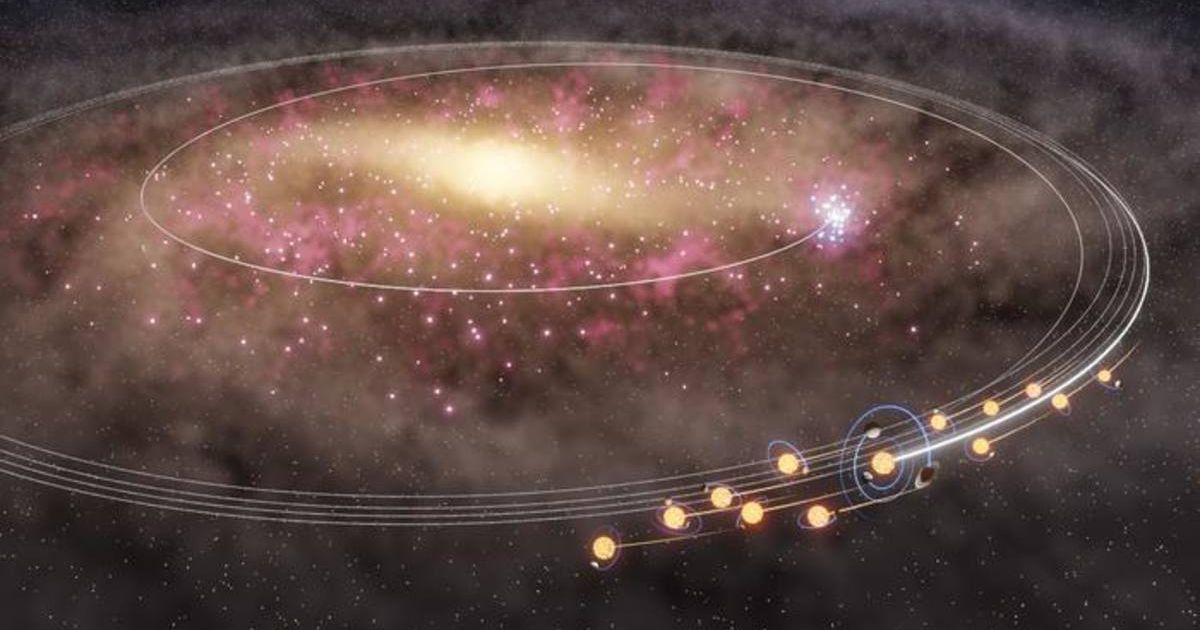
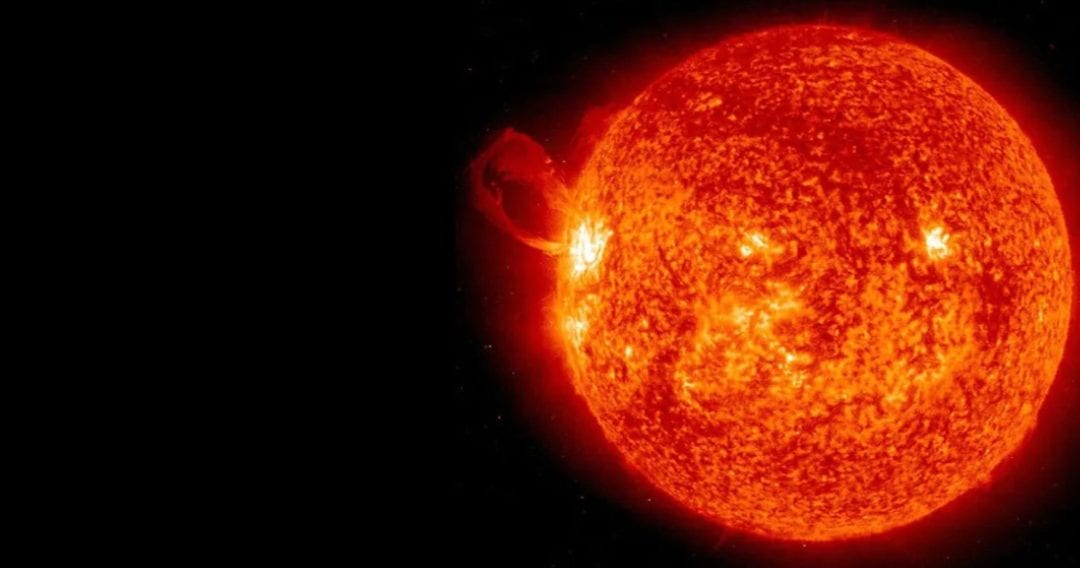
Stars, too, migrate like humans. The Sun and sun-like stars left their birthplaces at the core regions of our galaxy between 4 and 6 billion years ago, claims a new study. A team of astronomers at Tokyo Metropolitan University and the National Astronomical Observatory of Japan described such a mass exodus of stars in the study, published in Astronomy & Astrophysics on March 12. The team created an accurate catalog of the stars and their properties, such as temperatures and elemental abundances, based on data from the European Space Agency’s Gaia satellite. This discovery throws light on how the Milky Way, along with its bar-like structure at its center, evolved.
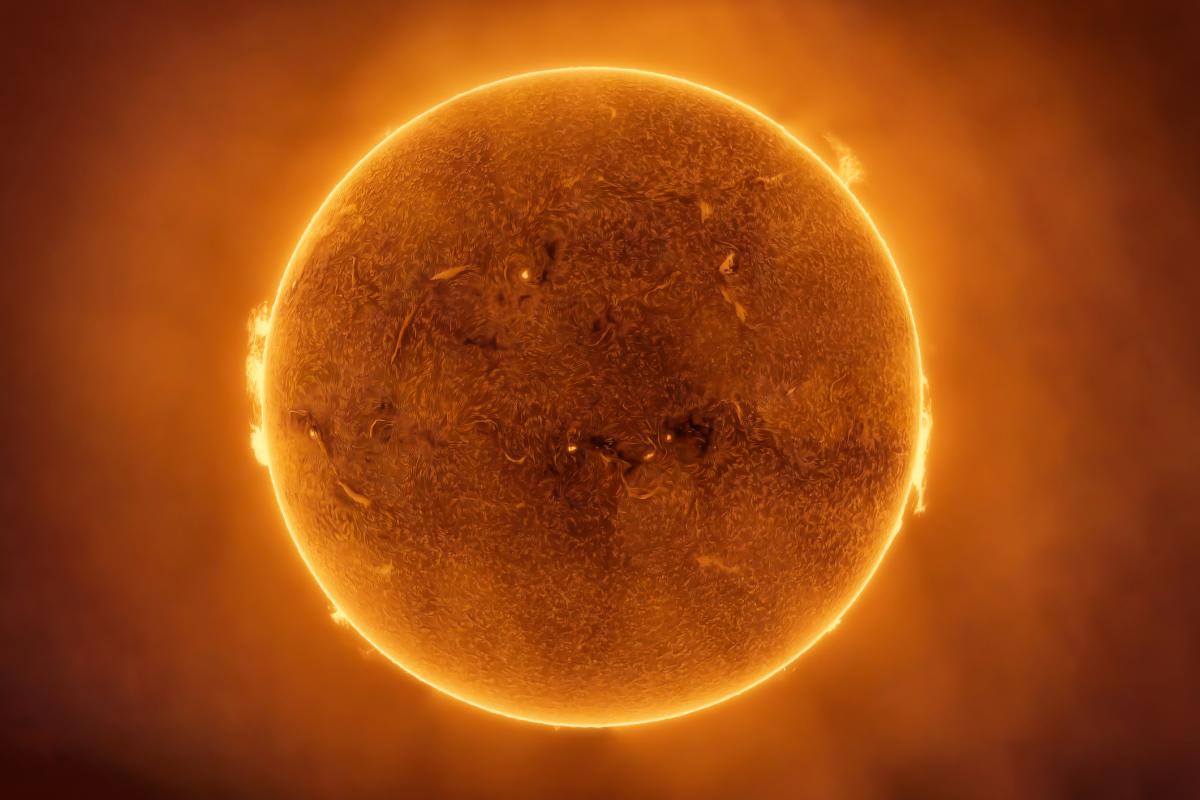
Like archaeology that digs into the human past, galactic archaeology allows astronomers to study the lives and evolution of stars and galaxies. They know that the Sun’s age is 4.6 billion years. At the time of birth, it was 10,000 light-years closer to the center of our galaxy than where it is today. Observations reveal the presence of a Galactic bar that creates a barrier, making it difficult for stars to migrate out. So, how did the Sun and sun-like stars cross the barrier to reach their present location? To find an answer, a team led by Assistant Professors Daisuke Taniguchi from Tokyo Metropolitan University and Takuji Tsujimoto from the National Astronomical Observatory of Japan scanned a database of the Gaia satellite. They specifically looked for stars that are identical to the Sun in terms of temperature, surface gravity and composition. Sifting through the Gaia data, they generated a detailed list of 6,594 solar ‘twins’ that has 30 times more information than the previous surveys.
The list, including the elemental abundances and light signals, helped the researchers to determine the age of the stars. They detected two peaks – one around 2 billion years ago and the other between 4 and 6 billion years ago. The former, according to previous studies, suggests a burst of star formation, which was probably triggered by the interactions of the Sagittarius dwarf galaxy and our galaxy. The latter points to the important role of the Galactic bar, which accelerated star formation and outward radial migration when it formed. The age of the bar, estimated to be between 4 and 7 billion years, coincides with the heightened star formation. Such strong bar activity was probably overlapped with the formation of the solar system and its migration with similar stars.
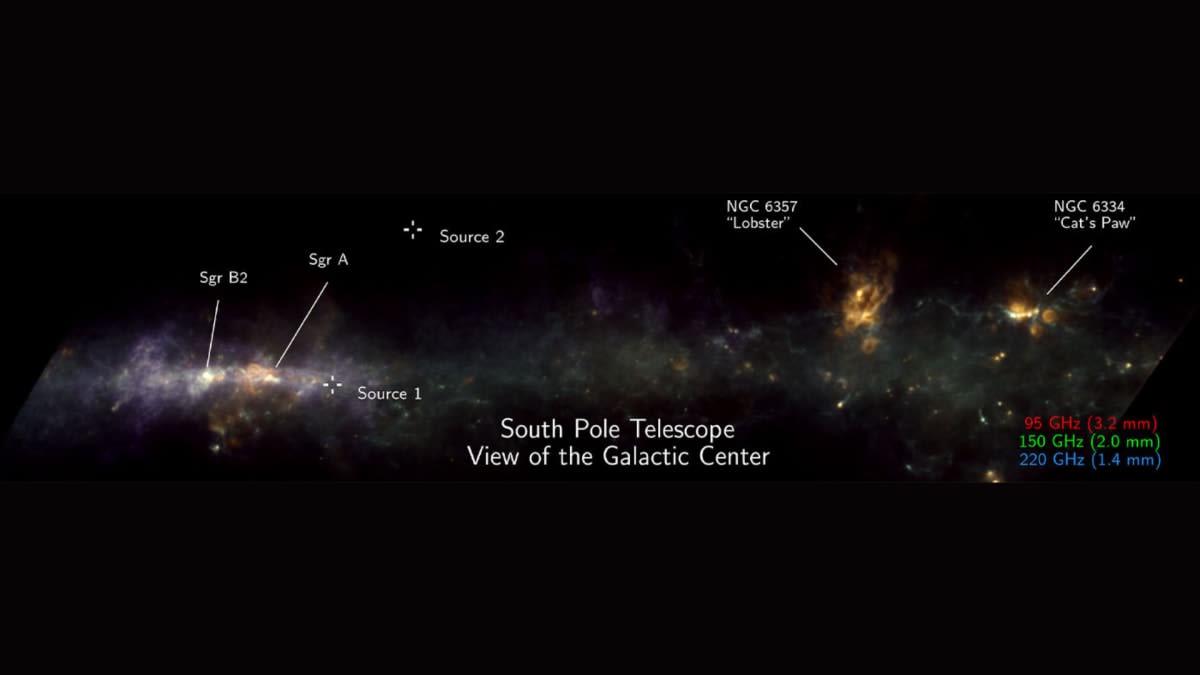
The Sun and the sun-like stars fall in the age bracket of 4 to 6 billion years. The bar structure at the galactic center is supposed to halt such a migration event. “However, the story changes if it was still being formed at the time. The ages of our stellar “twins” reveal not only when the mass escape occurred, but the time range over which the bar was formed,” according to a statement released by the team. Thus, the Sun became a member of a large population of co-migrating stars. “The center of the galaxy is a far less hospitable environment for the evolution of life than the outer regions. The team’s findings thus illuminate a key factor in how our solar system, and in turn our planet, found itself in a region of the galaxy where organisms could develop and evolve,” the statement reveals.
More on Starlust
Largest-ever ALMA image shows Milky Way's chaotic center in unprecedented detail