FAA lifts restrictions on daytime commercial launches as government shutdown ends
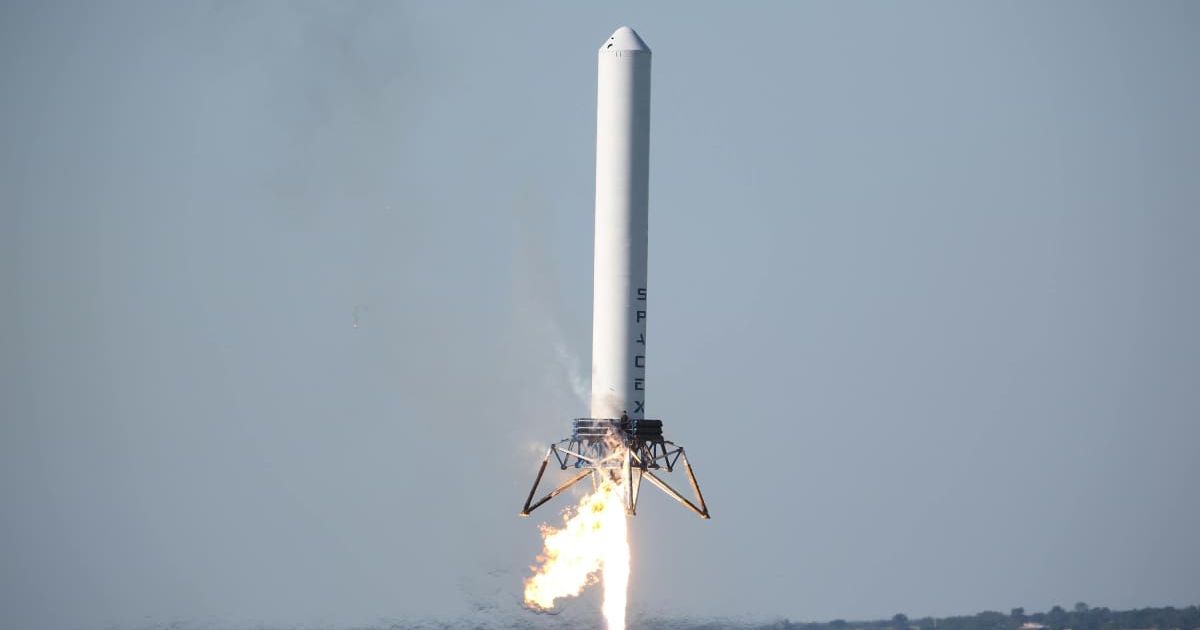
The Federal Aviation Administration (FAA) terminated its flight reduction emergency order on Monday, at 6 a.m. EST on November 17. The termination that officially greenlit the resumption of normal operations across the National Airspace System (NAS) was announced on Sunday, November 16, by FAA Administrator Bryan Bedford and U.S. Transportation Secretary Sean P. Duffy, per the press release issued by the FAA.
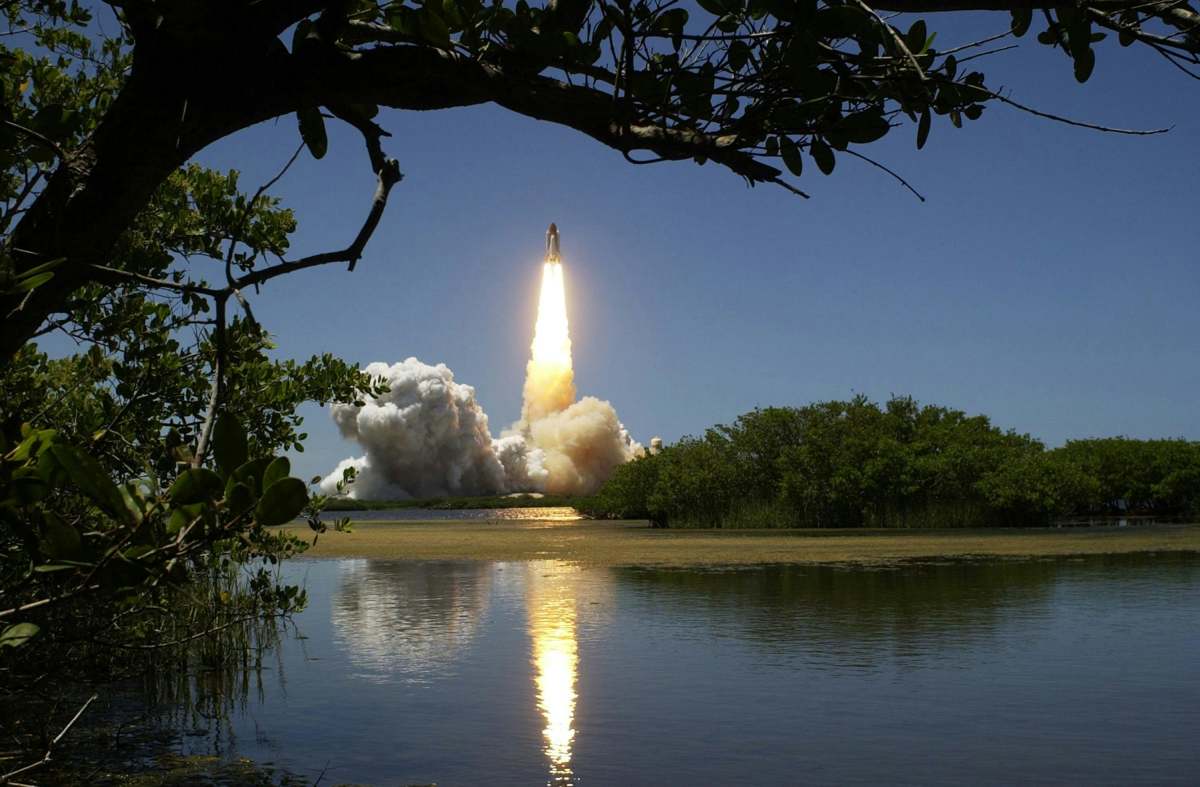
The directive, which came into effect on November 10, restricted all commercial launches to nighttime hours (10 p.m. to 6 a.m. local time) to reduce air traffic around spaceports in California, Florida, and the Delmarva area, according to Space.com. In fact, it was the result of a domino effect that began with the recent U.S. government shutdown, which led to growing absenteeism among air traffic control staff who had not received pay since the shutdown started on October 1.

Now that the U.S. government is back in business (the shutdown ended on November 12), the FAA decided to rescind the order following its safety team’s exhaustive review of safety trends and the reassuring decline of staffing concerns in air traffic control facilities. “The FAA has determined that normal flight operations can resume after multiple days of positive staffing with air traffic controllers in our towers,” wrote Duffy on X. “Now we can refocus our efforts on hiring and building the state-of-the-art control system the American people deserve.”
🚨The @FAANews has determined that normal flight operations can resume after multiple days of positive staffing with air traffic controllers in our towers.
— Secretary Sean Duffy (@SecDuffy) November 17, 2025
Now we can refocus our efforts on hiring and building the state-of-the-art air traffic control system the American people… https://t.co/28wQpOfKHD
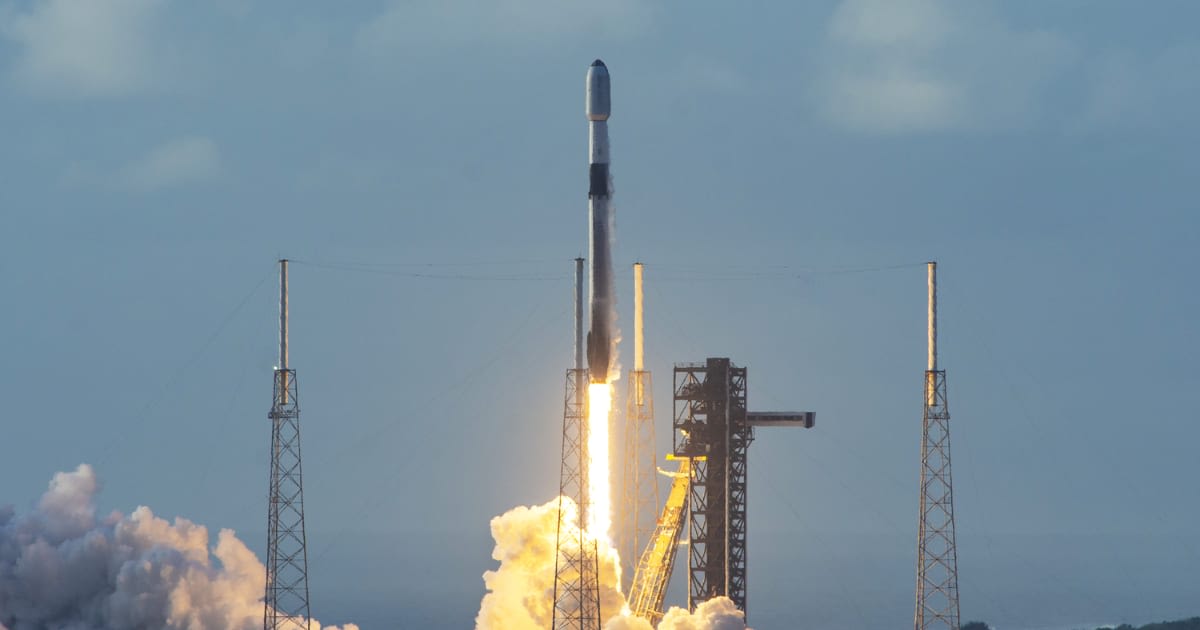
SpaceX’s Transporter-15 rideshare mission bore the brunt of the restriction order as it was scheduled for launch at 10:18 a.m. local time from Vandenberg Space Force Base in California on November 11, per Space News. Now that the restrictions are no more, SpaceX has scheduled the launch for the same time on November 19. Because of the restrictions, the launch times of SpaceX’s three Falcon 9 missions carrying Starlink satellites were shifted to after 10 p.m. local time. Similarly, United Launch Alliance’s Atlas 5 of ViaSat-3 F2 also lifted off just after 10 p.m. EST on November 13. That being said, some launches were exempted from the restrictions.
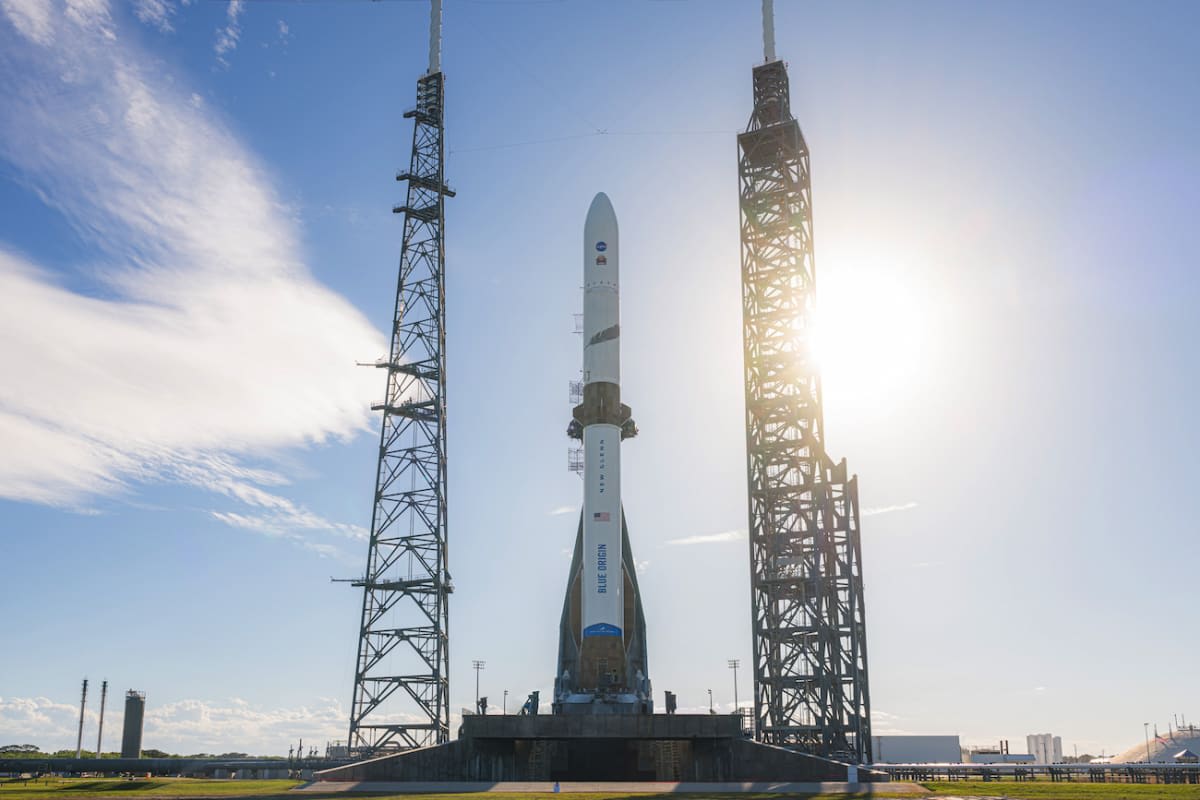
Take, for instance, NASA’s ESCAPADE mission, which marked the second-ever launch of Blue Origin’s New Glenn rocket, and was allowed to liftoff at 3:55 p.m. EST on November 13 from Launch Complex 36 at Cape Canaveral Space Station, Florida, as it was not possible to reschedule it to after 10 p.m.
Speaking of NASA, the end of the government shutdown also led the space agency to announce that it is going to release never-before-seen images of interstellar comet 3I/ATLAS at 3 p.m. EST on Wednesday, November 19. While the shutdown was in effect, 3I/ATLAS touched several milestones, including its closest approaches to the Sun and Mars. This is a significant development, with Harvard astronomer Avi Loeb claiming in his mini vlog that among the images released could be those taken by the HiRISE camera onboard the Mars Reconnaissance Orbiter. These high-resolution images, Loeb believes, could facilitate a better understanding of the geometry of 3I/ATLAS’ anti-tail, as well as a more accurate estimation of the diameter of the object’s nucleus. These things have not been possible with the previous high-resolution images provided by the Hubble Space Telescope.
More On Starlust
Severe solar storm forces Blue Origin to postpone NG-2 launch of NASA’s twin ESCAPADE spacecraft