Rocket Lab makes history by launching US Space Force mission within 17 hours of getting notice
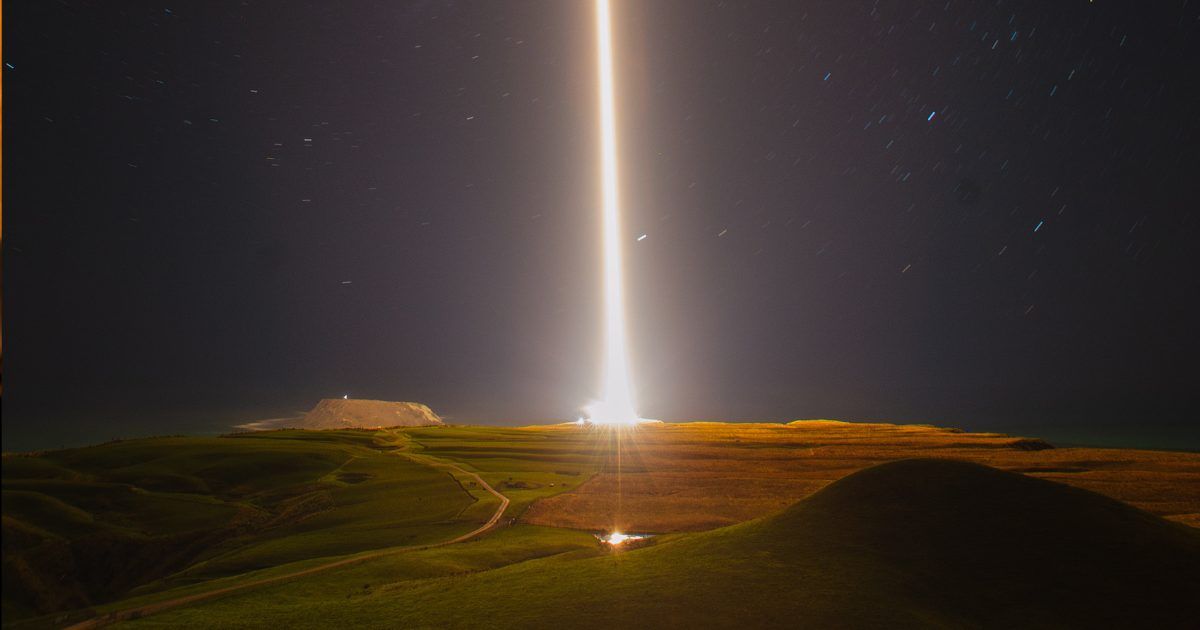
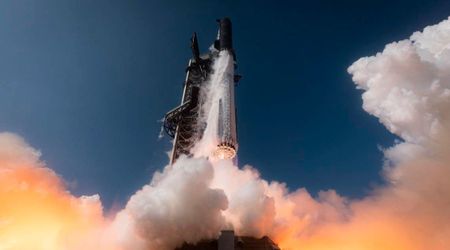
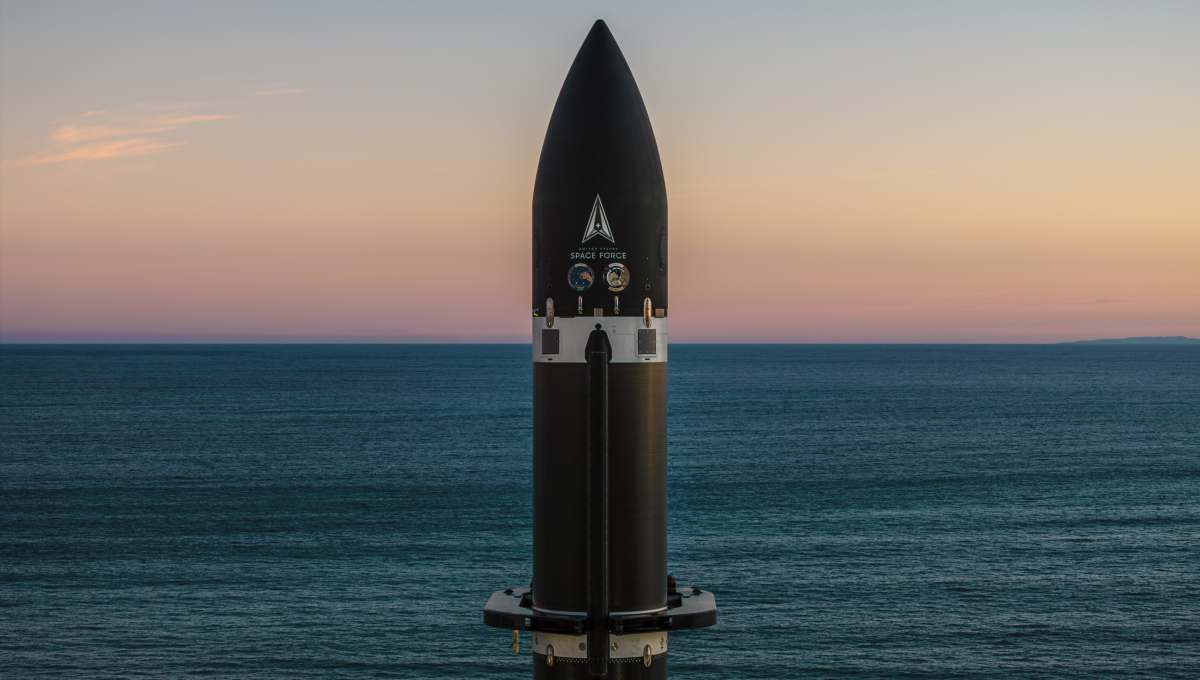
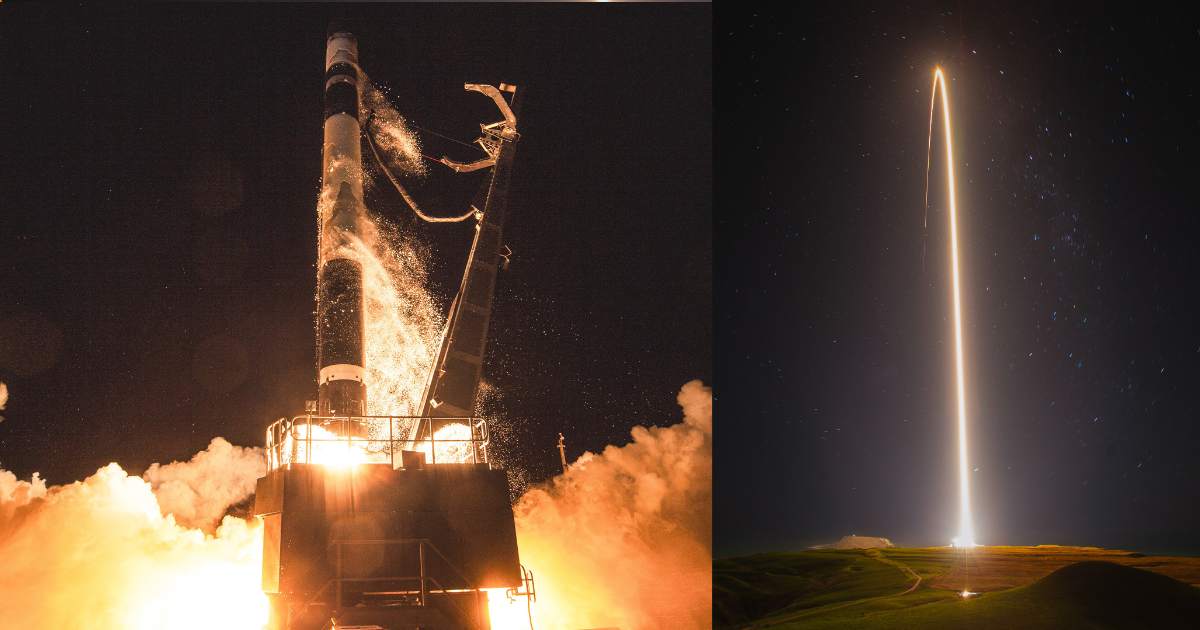
The U.S. aerospace company Rocket Lab has achieved an unprecedented feat of launching its Pioneer spacecraft for the U.S. Space Force (USSF) Space Systems Command's (SSC) VICTUS HAZE Tactically Responsive Space (TacRS) mission within 16 hours and 42 minutes of getting the Notice-to-Launch. In doing so, the company broke the previous TacRS record set by Firefly Aerospace with VICTUS NOX in 2023 by more than 10 hours. The lift-off of the company's Electron rocket took place from Launch Complex 1 in Mahia, New Zealand, at 10:19 pm NZT (6:19 am EDT) on Friday, June 19. The mission was led by the SSC's Space Safari Program Office in collaboration with the Defense Innovation Unit (DIU).
The VICTUS HAZE mission explained.
— Rocket Lab (@RocketLab) June 23, 2026
Phase 1: Launch on demand 🚀 The @USSpaceForce's @USSF_SSC called, told us to launch, and just 16 hours 42 minutes hours later, Electron successfully left the pad from LC-1.
Phase 2: 🛰️ With Pioneer spacecraft checkouts complete 34 hours… pic.twitter.com/lJK226LhzT
After receiving the Notice-to-Launch from the SSC, the Guidance, Navigation, and Control (GNC) team at Rocket Lab had to figure out the final trajectories, update flight software, and also coordinate with ground systems around the world before Pioneer could be sent to space. The team completed all these tasks in a matter of just 4 hours. Quick turnarounds like this are essential for VICTUS HAZE, whose objective is to rapidly acquire, launch, and operate space vehicles in response to what the SSC press release referred to as "on-orbit threats."
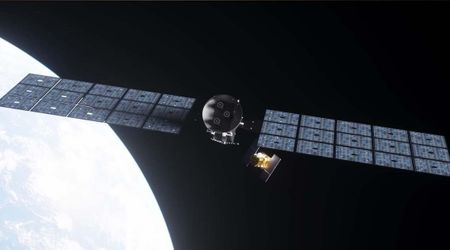
As of June 22, Pioneer was simulating what Rocket Lab called "a rapid threat-response scenario" by performing rendezvous and proximity operations with another VICTUS HAZE vehicle—True Anomaly’s Jackal. This other satellite was launched by a SpaceX Falcon 9 rocket back in May 2026. USSF Lieutenant Colonel Lincoln Miller, Space Safari system program manager, stated, "Rendezvous and Proximity Operations on such short timelines are certainly not trivial, especially in a crisis or conflict scenario, but this demonstration of our ability to commission a complex and capable space vehicle within less than 72 hours, and immediately begin an RPO scenario thereafter, shows that we can field capability to deny adversaries first-mover advantage into novel orbits."
The 72-hour deadline mentioned by Lt. Col. Miller for getting the spacecraft ready for its in-space operations was also beaten comfortably by Rocket Lab. The Pioneer spacecraft was activated ahead of its first orbital maneuver in 37 hours and 36 minutes. Rocket Lab founder and CEO Sir Peter Beck also spoke in glowing terms about the success of these rapid operations while alluding to the fact that his company built all of the hardware launched. "Our launch-plus-spacecraft integrated mission capability is transformative for responsive space. By launching on demand with spacecraft at-the-ready we've shown we can secure and defend the nation's space interests rapidly, and that’s a powerful capability for the United States and its allies," he said. The objective of USSF's Victus Haze mission is to "rapidly acquire, launch, and operate space vehicles on operationally relevant timelines in response to urgent on-orbit threats."
Electron has been selected by @nasa for three launches in 2027 to deploy its PolSIR and TSIS-2 Sun and Earth sciences missions.
— Rocket Lab (@RocketLab) June 25, 2026
We've been delivering reliability, precise orbital accuracy, and on-demand launch for NASA missions for almost a decade - and we're ready to deliver… pic.twitter.com/9bg7OKznIe
Last year, Rocket Lab broke its own single-year record with "The Wisdom God Guides" mission, which was its 21st launch of the year. Its Electron rocket will also see itself launched again from the same launch pad as the VICTUS HAZE mission next year, with NASA having selected the company to launch its PolSIR (Polarized Submillimeter Ice-cloud Radiometer) and TSIS-2 (Total and Spectral Solar Irradiance Sensor-2) missions.
More on Starlust
Rocket Lab expands deeper into defense sector with $275 million Geost acquisition
UFO files released by US Department of War reveal strange sights Apollo astronauts saw