New rover concept would traverse Mercury by following its terminator line
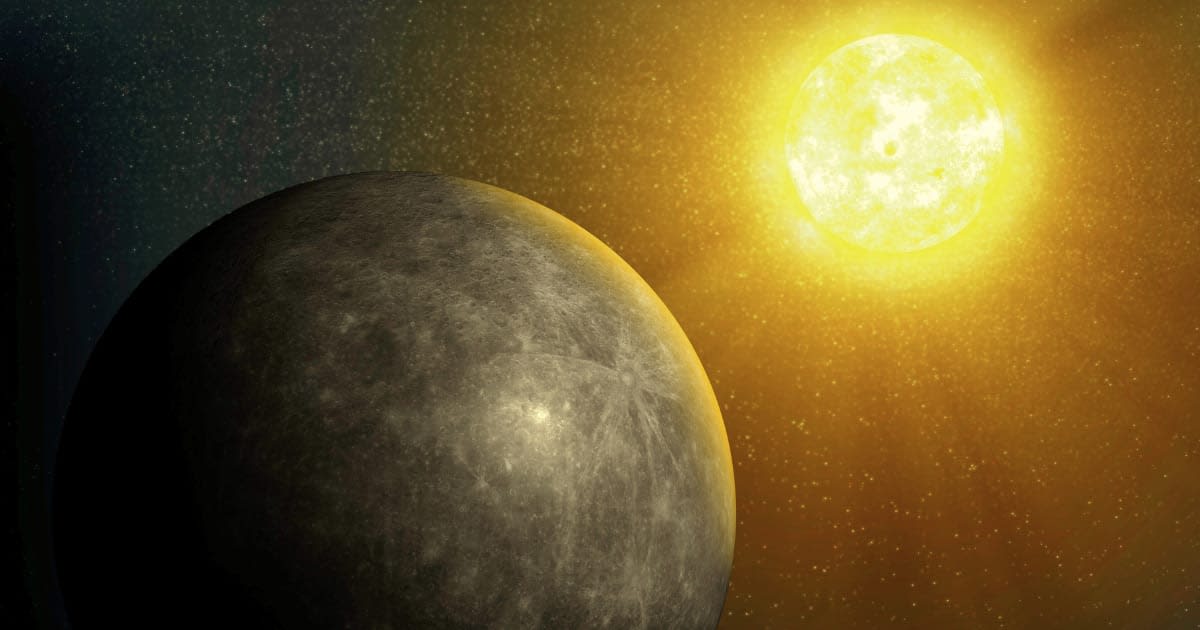
Mercury, the closest planet to the Sun, is also the hottest planet in the solar system. On the sunlit side, its temperature soars to blistering 427 degrees Celsius, enough to melt some metals. But, on the unlit side, temperature plummets to a chilling -173 degrees Celsius, cold enough to freeze most liquids and even some that are used in batteries. On the sun-facing side, any rover will stop or melt. On the nightside, it will run out of power and come to a halt. But there is a temperate region, known as the terminator, where temperatures are stable and sunlight is enough for a solar-powered rover to operate. Now, a research team from the Hawai’i Institute of Geophysics and Planetology (HIGP) at the University of Hawai’i at Mānoa has put forward a proposal to set down a rover on this terminator region.
The team, which includes Marisa Murillo, a Planetary Science PhD Student at HIGP, and Paul G. Lucey, a prominent researcher with HIGP and Murillo's PhD advisor, has described their proposal in a paper presented at the 2026 Lunar and Planetary Science Conference (2026 LPSC). Once on the terminator, the rover will run on solar power and collect data and samples on the surface without facing the extreme thermal cycling. This will yield data for researchers to understand Mercury’s unique geological features, formation, volcanic history and past tectonic activities. To linger in the perpetual twilight zone of the Terminator, the rover will take advantage of this planet’s slow spin. It takes 58.6 Earth days to revolve around its axis three times. But it completes two revolutions around the Sun in 88 Earth days.
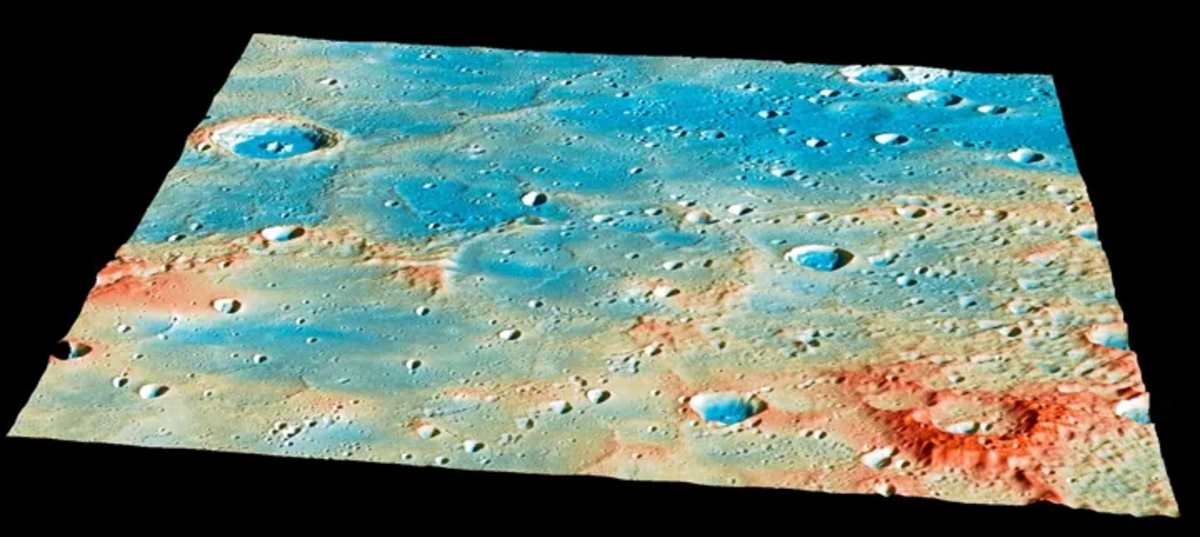
This means that the time it takes for the Sun to return to the same place in Mercury’s sky (which takes 24 hours on Earth) is 176 Earth days. Considering all these and historical data about past and contemporary rover missions, such as the Apollo Lunar Roving Vehicle, Lunokhod 2, and Perseverance rover, the proposed Mercury rover could navigate at approximately 6 kilometers per hour. A rover must traverse longitudinally at a rate comparable to the apparent motion of the Sun across Mercury’s surface. After descending on the planet, the rover could traverse and explore the Mercury surface with its suite of instruments, such as Laser-Induced Breakdown Spectroscopy, X-ray and gamma-ray spectrometers for elemental analysis and Raman and infrared spectrometers, and X-ray diffraction for mineral identification. These tools would provide critical insights into Mercury's regolith, enhancing our understanding of volatile-driven processes and space weathering effects.
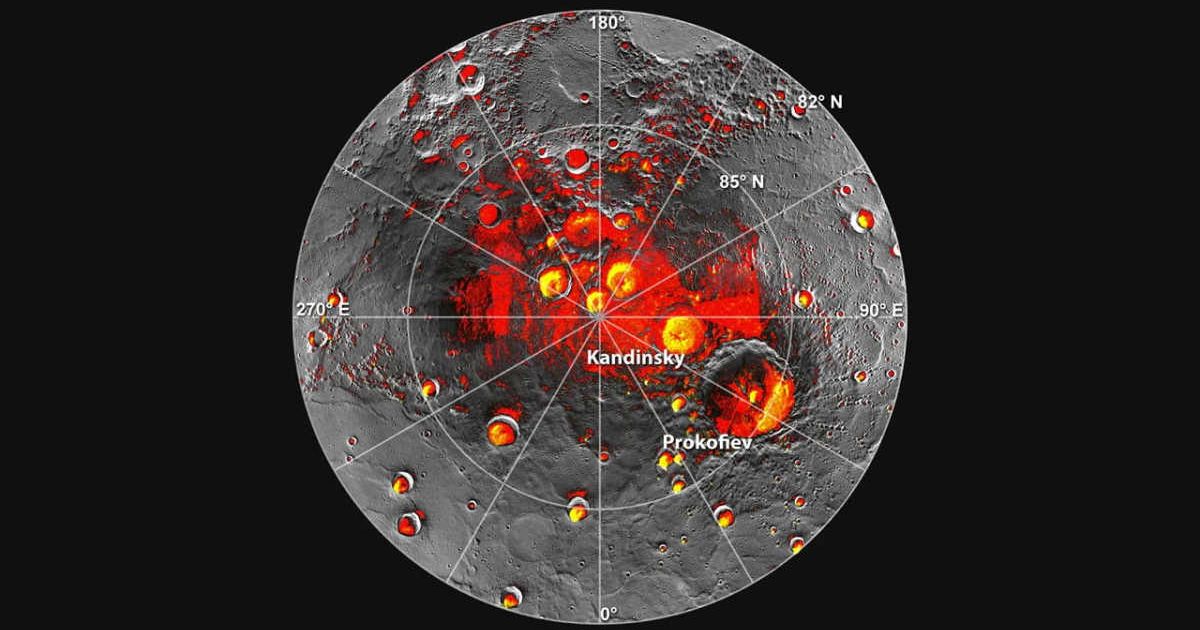
The rover will search for signs of explosive volcanism, offering clues about Mercury’s internal processes and mantle composition. It will scan the planet’s fresh craters that serve as natural probes into subsurface material. It can move into Mercury’s poles, which are thought to contain water ice and volatile-rich deposits. Such deposits could preserve a historical record of the inner solar system. The researchers say that the proposed rover can achieve significant science objectives without thermal or power failure. Relying on data provided by NASA JPL’s Horizon System, they estimate the motion of the rover. It can begin its journey at a hypothetical landing site near the equator. The site has been selected to get optimum sunlight and utilize the planet’s orbital motion. From this point, the rover can travel to latitudes, enabling sustained exploration.
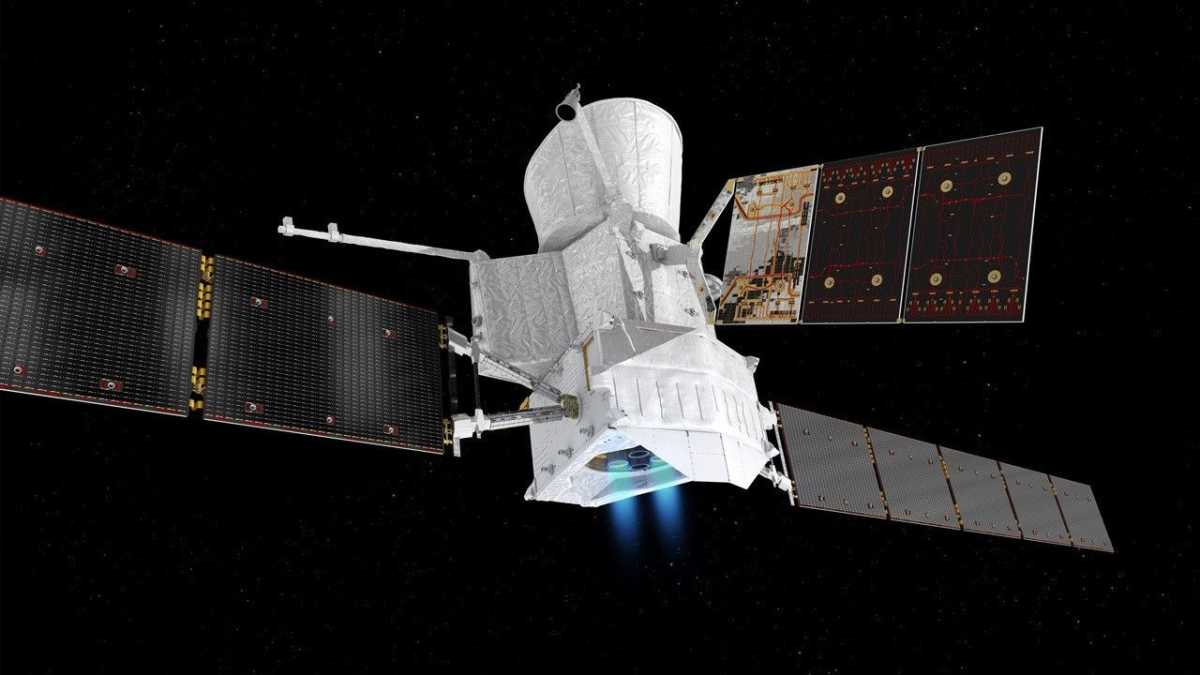
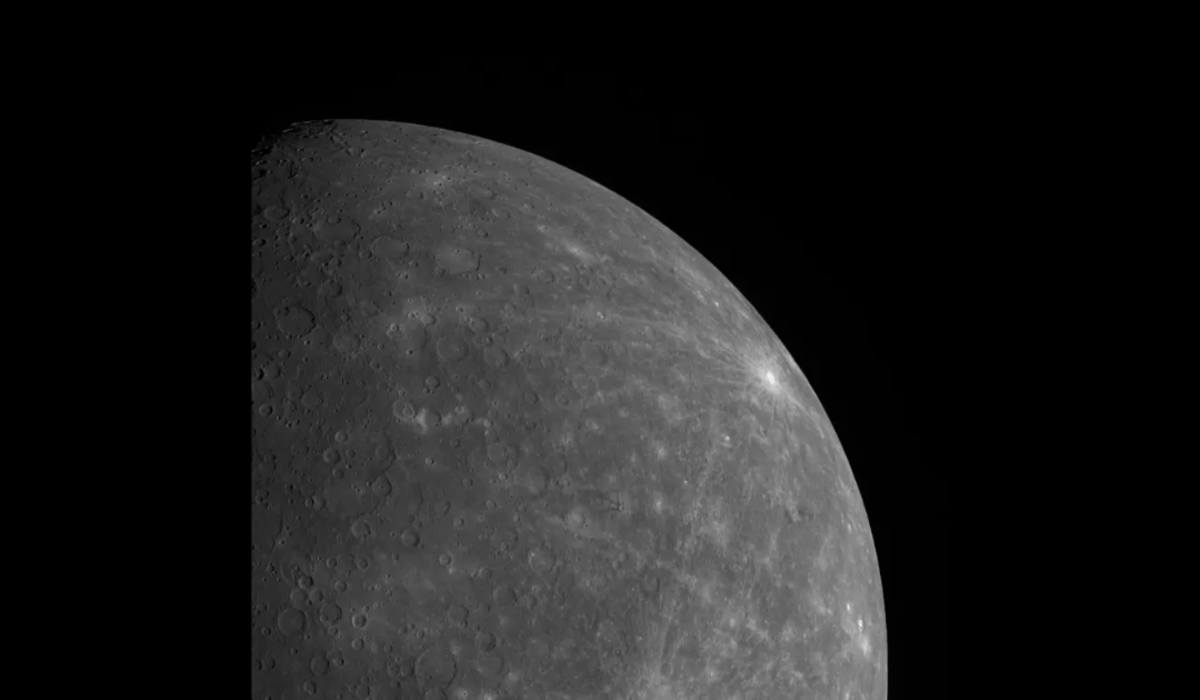
The researchers suggest that a terminator-tracing rover mission on Mercury is plausible using existing and near-term space technologies. This should also harness low-Sun-angle to generate power and store energy that will enable autonomous navigation. The measurements, by the proposed rover, would complement previous orbital observations from spacecraft such as NASA’s MESSENGER and BepiColombo, a joint mission by the European Space Agency (ESA) and the Japan Aerospace Exploration Agency (JAXA). The rover mission will provide us with unique data on surface materials and processes that cannot be fully resolved remotely.
More on Starlust
Mercury is not a 'dead planet': Bright streaks on the planet indicate activity