NASA scraps March launch for Artemis II—SLS rollback to VAB set for February 24
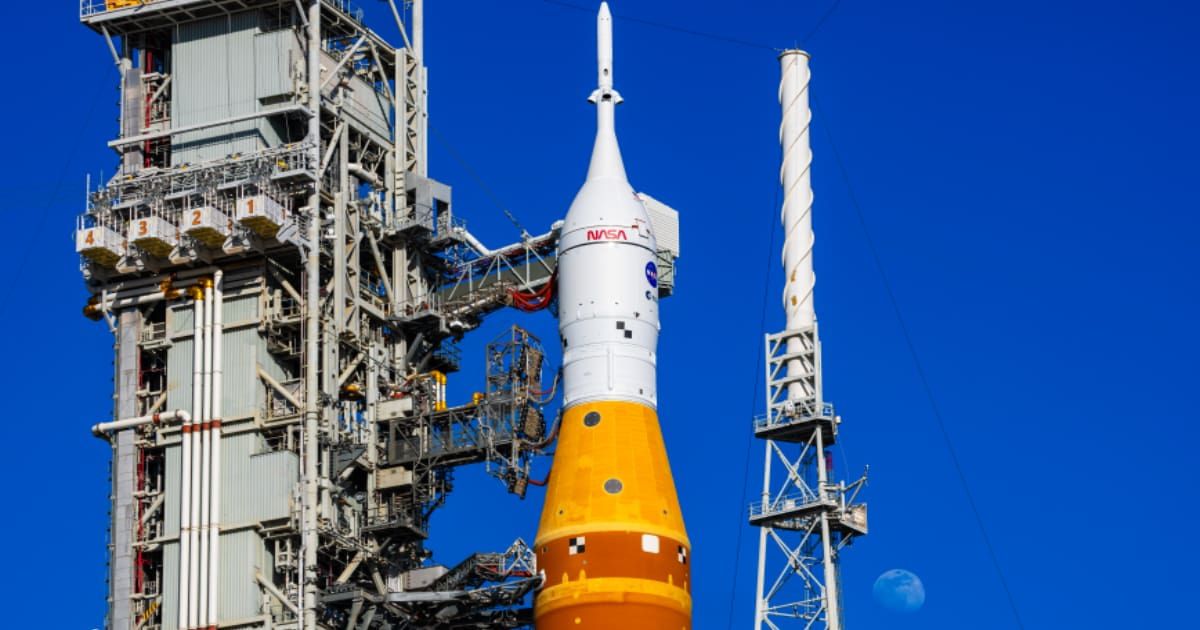
Despite what appeared to be a relatively uneventful and seemingly successful second wet dress rehearsal, a helium flow issue discovered on February 21, 2026, has thrown cold water on March launch expectations for Artemis II. This is because, according to the administration, the Artemis II SLS rocket is set to be rolled back from Launch Pad 39B to the Vehicle Assembly Building at the Kennedy Space Center in Florida. This slow crawl of 4 miles may take place on Tuesday, February 24, 2026, at the earliest.
So far, platforms that were built around the rocket and on the mobile launcher to access and service the flight termination system have already been dismantled over the weekend to facilitate the move. Windy conditions at Cape Canaveral forecast for Sunday, February 22, 2026, meant mission managers had to expedite the platform removal process. These platforms were meant to enable end-to-end testing of the solid rocket boosters and core stage intertank at the launchpad itself in line with Eastern Range safety requirements. NASA mentioned this expeditious removal of platforms as being key to preserving any hopes of launching in April 2026.
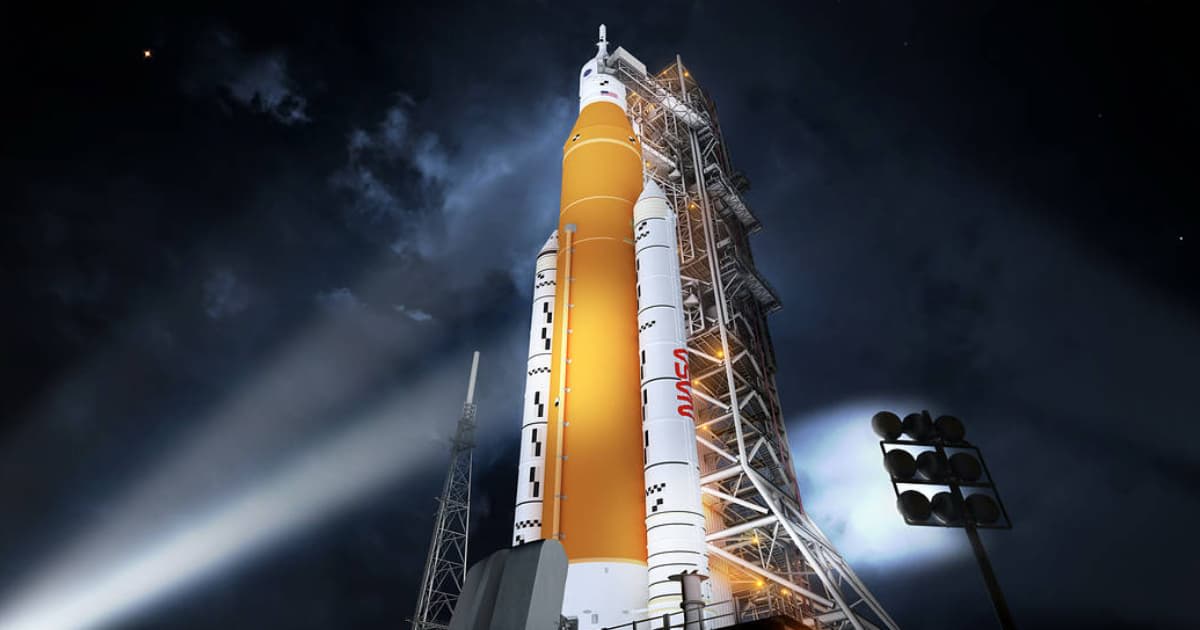
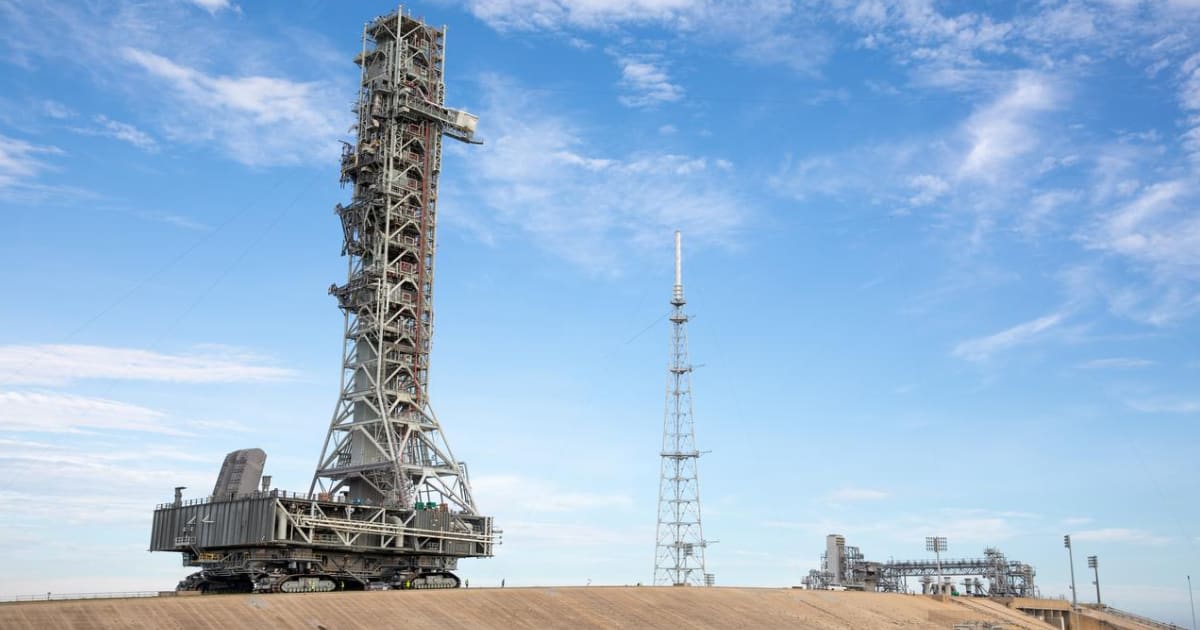
These platforms would have done away with the need for movement to the Vehicle Assembly Building, which was also mooted after the first wet dress rehearsal. However, NASA is still not sure about the cause of the helium flow issue and has expressed the need for a rollback to point to the cause and find a fix. Weather conditions will have to be considered before the agency can decide on an exact time to begin the move. The move itself will mean that NASA will have to employ its gigantic Crawler-Transporter 2 for a journey that has a top speed of a mile an hour.
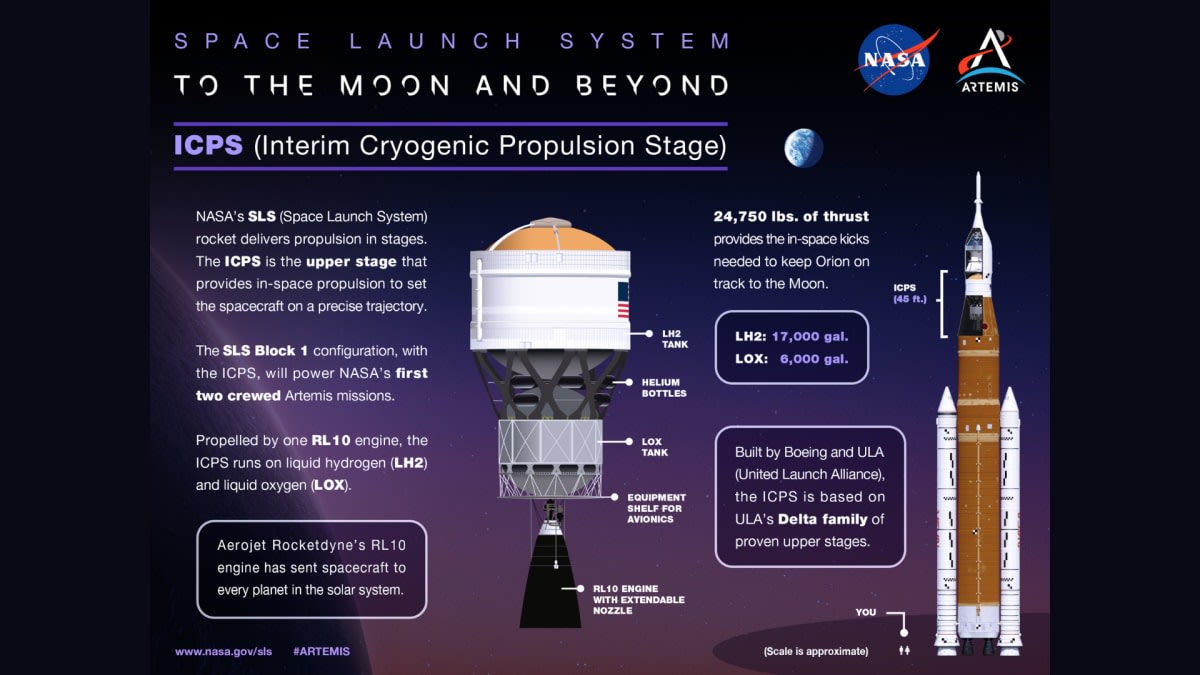
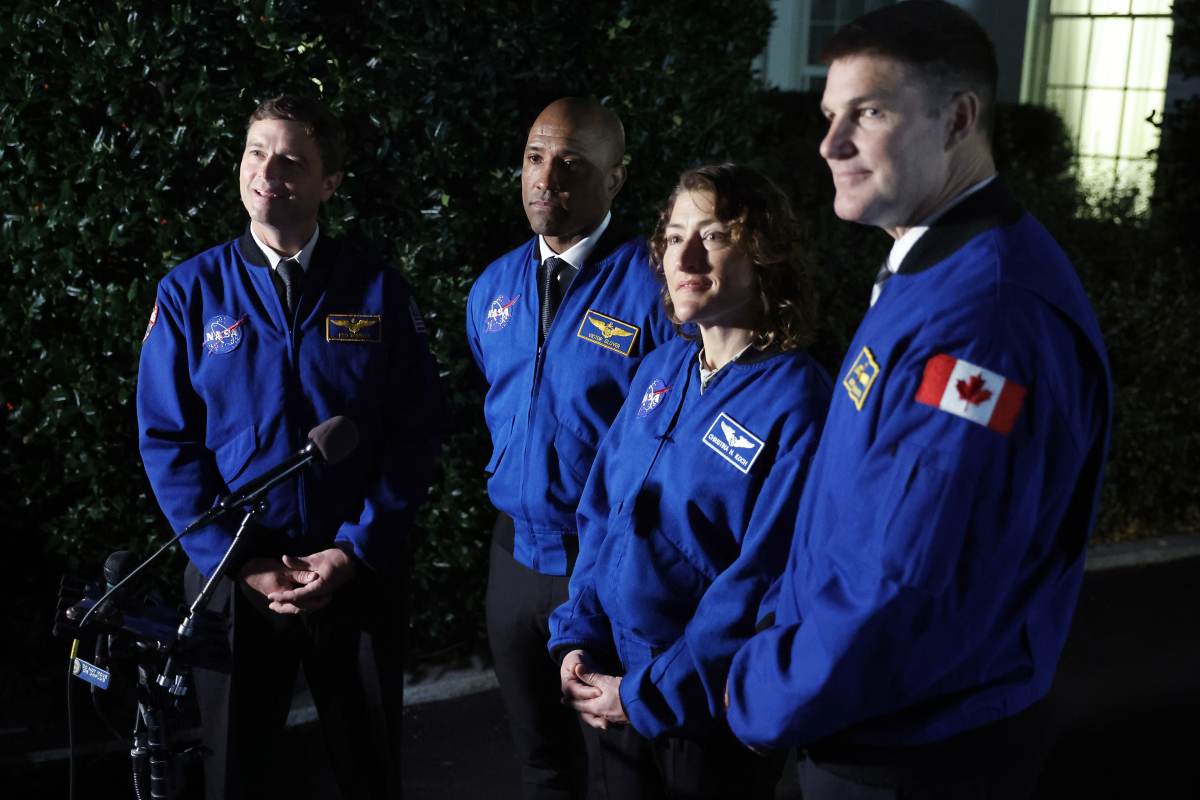
The primary issue revolves around the rocket’s interim cryogenic propulsion stage (ICPS), which was reportedly not receiving an uninterrupted flow of helium. The ICPS is the upper stage of the rocket and will help fire twice—once to maintain Orion's path and the second time to raise it to a high-Earth orbit. For the crew, the news of a rollback meant coming out of quarantine in the evening hours of Saturday.
While the previous news conference held the morning after the second wet dress rehearsal yielded positive news, NASA is slated to hold another media event to address this setback. A launch in April is subject to further data reviews and possible repairs, with teams reviewing the interface between the rocket and the ground lines used to route helium, an upper-stage valve, and a filter between the ground and the rocket. The second wet dress rehearsal was a notable step towards success after hydrogen leak issues from the first one were overcome.
As an update to my earlier post.
— NASA Administrator Jared Isaacman (@NASAAdmin) February 21, 2026
- The ICPS helium bottles are used to purge the engines, as well as for LH2 and LOX tank pressurization. The systems did work correctly during WDR1 and WDR2.
- Last evening, the team was unable to get helium flow through the vehicle. This… https://t.co/Qte3nEXwQb
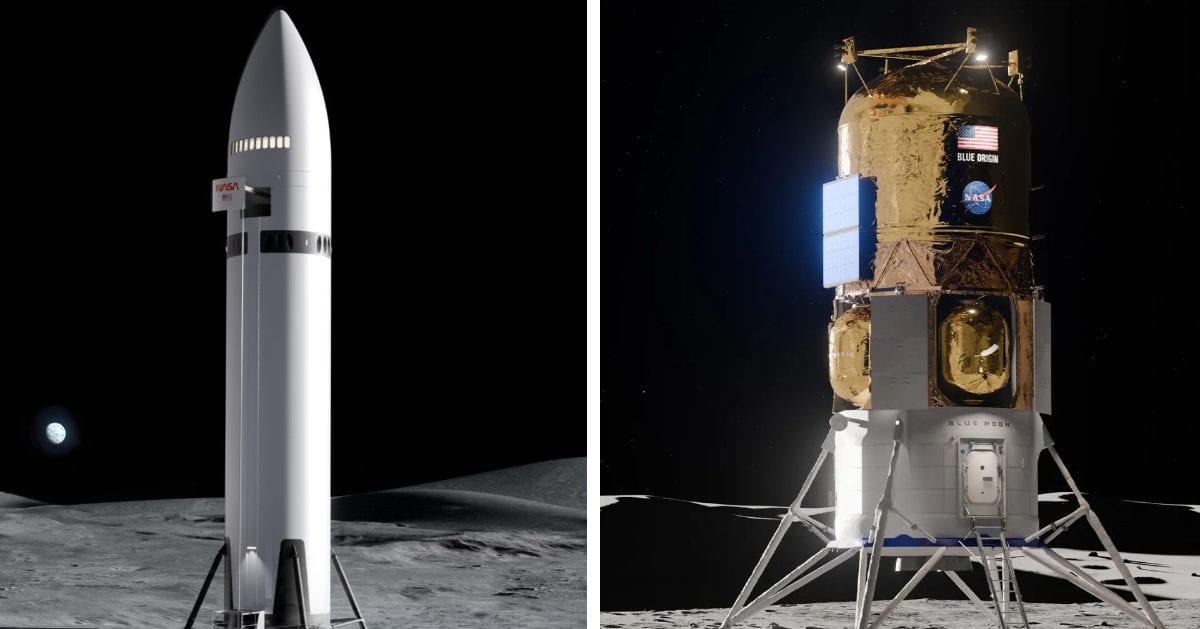
NASA is no stranger to setbacks throughout its ambitious Artemis program. Artemis I saw plenty of hold-ups of its own before the 2022 uncrewed mission performed well in taking Orion around the Moon and back. Artemis II will do the same but with a crew, and Artemis III will take a major step further by making use of a commercial partner-built human landing system to put the first humans in over 50 years on the lunar surface.
More on Starlust
The anomalies NASA faced during Artemis II second wet dress rehearsal
NASA's Artemis II and Crew-12 astronauts will be first to carry latest smartphones to space