Maiden flight of reusable Chinese rocket, designed to rival SpaceX's Falcon 9, fails
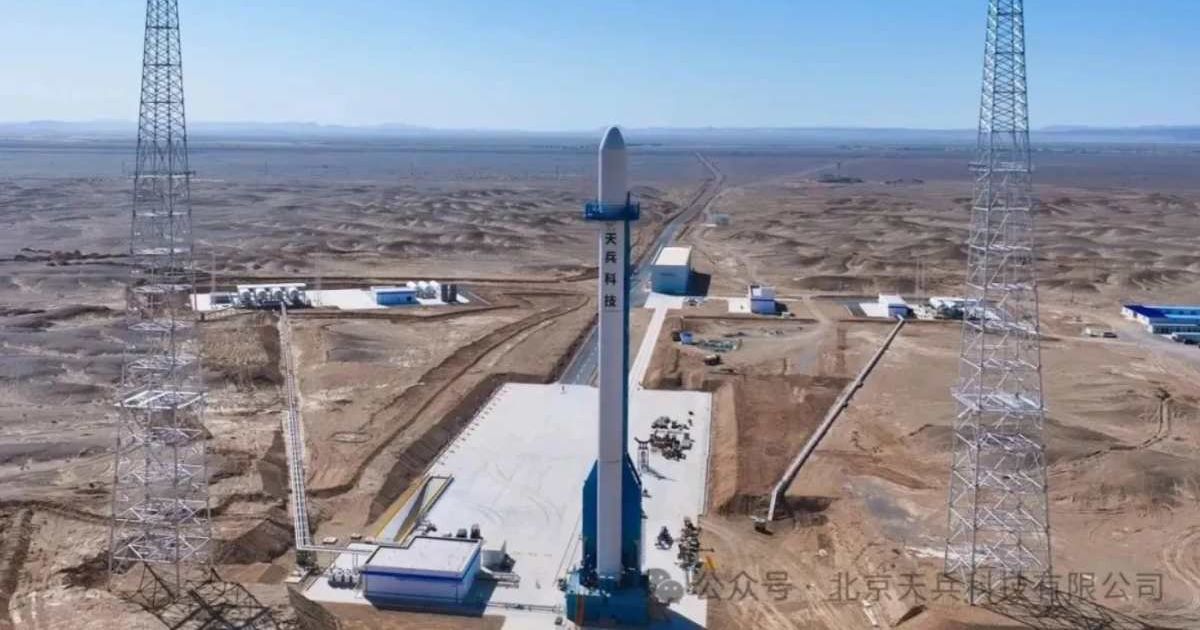
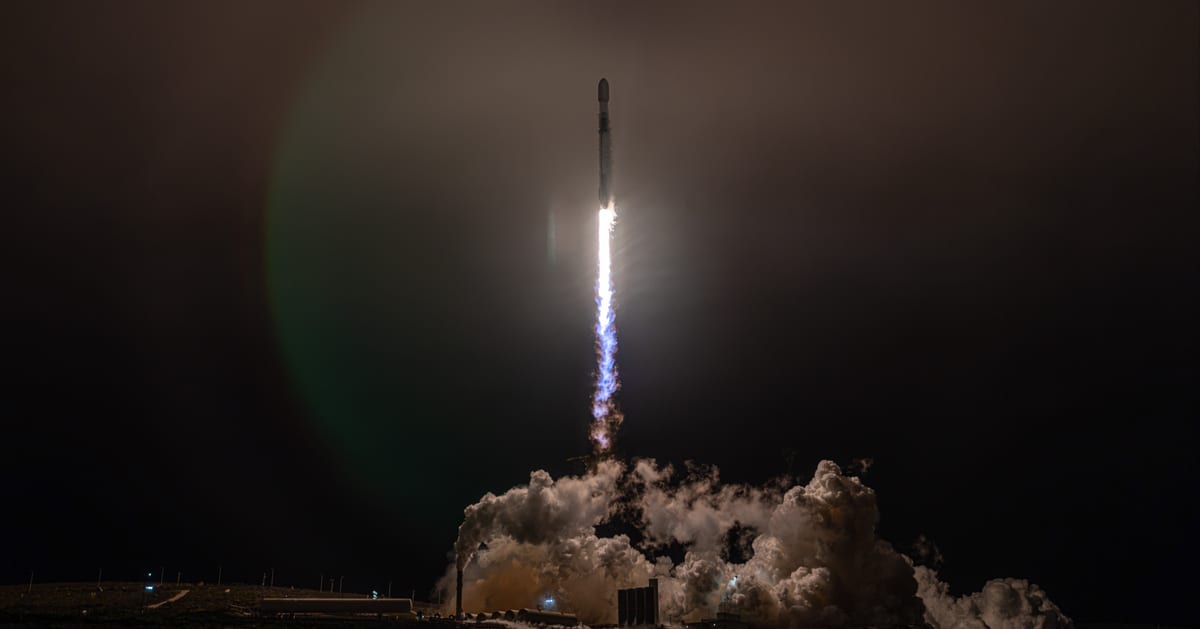
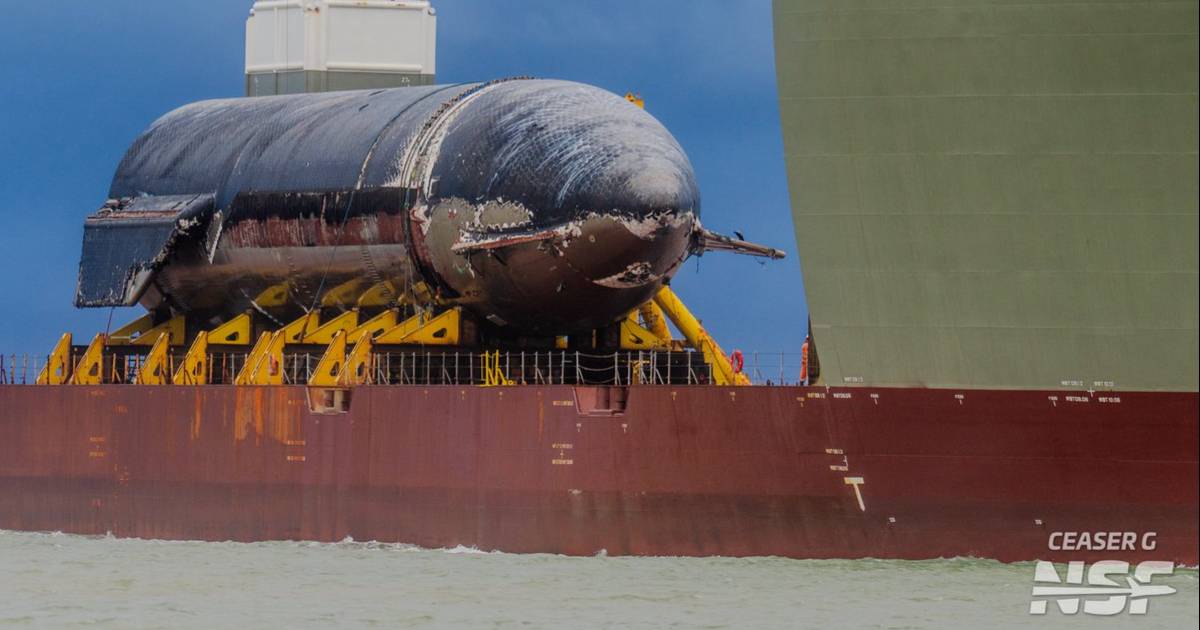
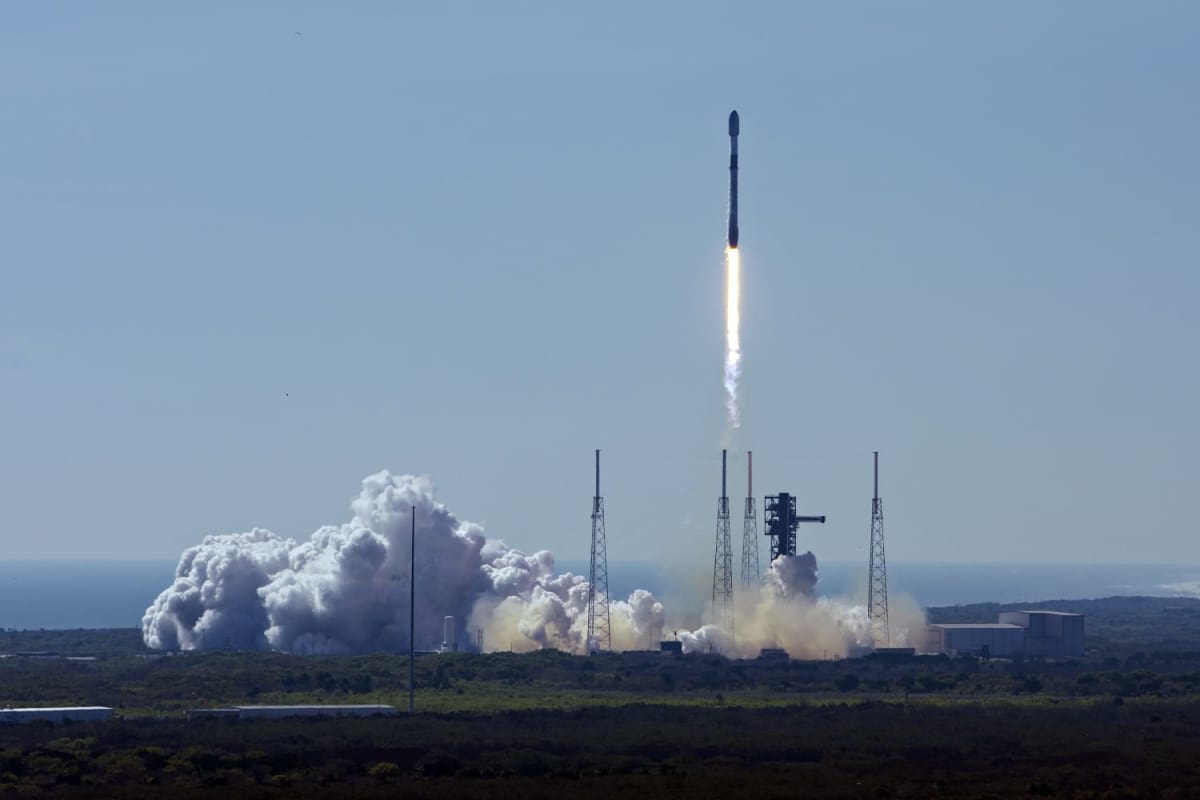
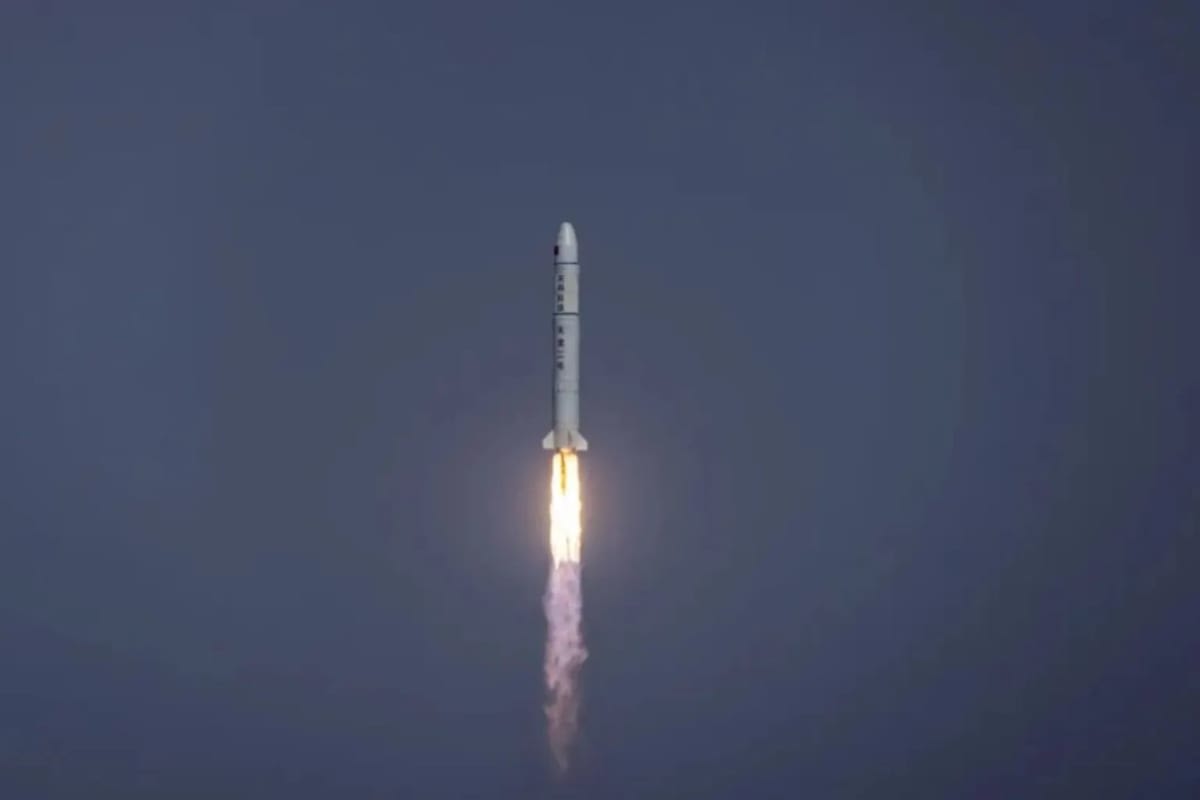
The U.S. continues to be unrivaled in reusable rocket technology. While April 2 saw SpaceX's Falcon 9 launch 29 more Starlink satellites into low-Earth orbit and its first stage land back on a drone ship, as designed, Chinese start-up Space Pioneer saw its Tianlong-3 rocket suffer a flight anomaly. The 236-foot-tall vehicle, which is seen as China's answer to the Falcon 9, launched on its maiden flight at 12:17 p.m. local time on Friday, April 3, from the Jiuquan Satellite Launch Centre in the Gobi Desert. And while the initial stages of the liftoff proceeded smoothly, the vehicle suffered an abnormality in its flight before it could reach its targeted orbital altitude. The company, also called Beijing Tianbing Technology Co, said in a social media post that the cause of the incident was being investigated and offered its apologies to its partners for the failure.
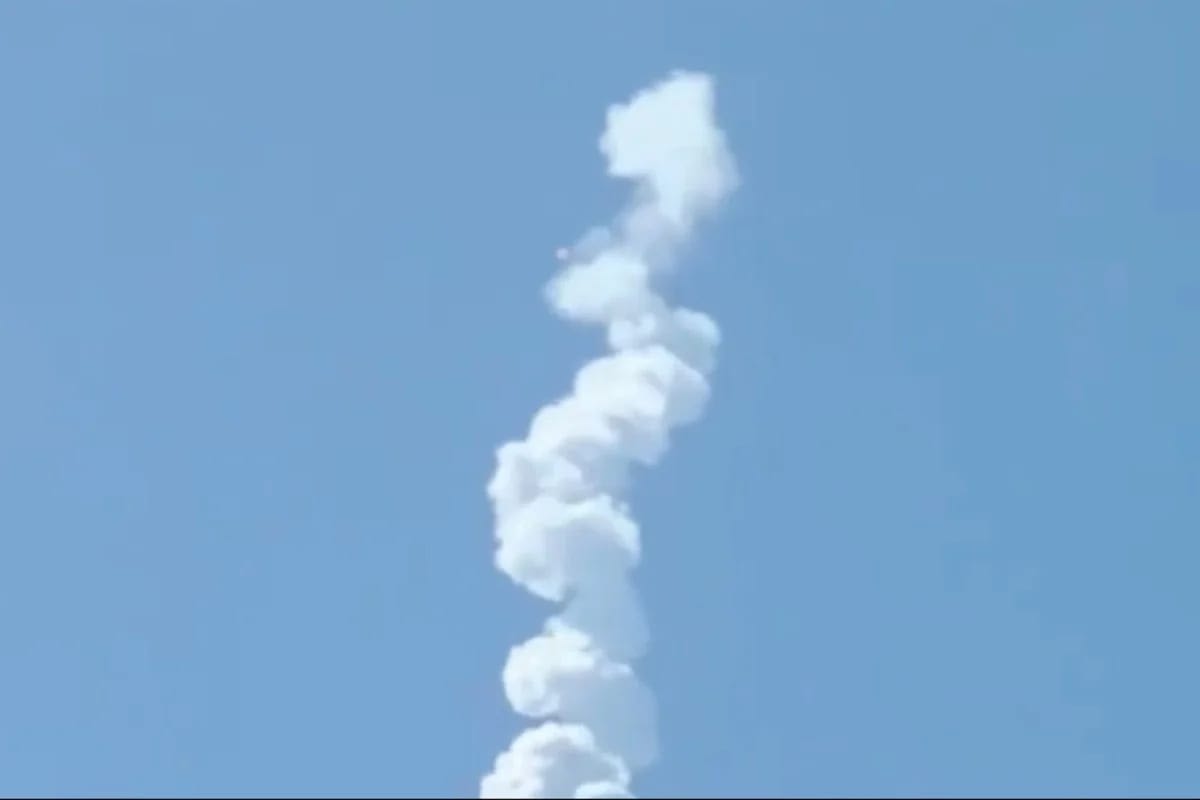
Space Pioneer said that the maiden flight was meant to test the rocket's systems to ensure success on subsequent missions. The company claims that the 3.8-meter-wide rocket, capable of deploying 22 tons of payload to low-Earth orbit, can carry 36 satellites for the Qianfan broadband megaconstellation. However, the ability to launch, recover, and reuse the first stage of orbital-class rockets is crucial for lowering the costs and turnaround time for the deployment of satellites that can be used for communication as well as military surveillance. According to the South China Morning Post, there are currently only 108 Qianfan satellites in orbit. As things stand, the target of launching about 1,300 orbiting satellites by 2027, as well as that of launching 15,000 by 2030, seems like a long shot. SpaceX, on the other hand, already has more than 10,000 Starlink satellites in orbit.
While April 3 marked Tianlong-3's first flight, the vehicle had made headlines for the wrong reasons during its developmental phase as well. Back in 2024, during a static-fire test, the 9 engines in the rocket's first stage caused it to accidentally lift off, climb high into the sky, and then crash in a massive explosion. Space Pioneer said that it was the result of a faulty connection between the rocket and the test stand and that it did not cause any casualties.
They have added aspects of Starship, such as use of stainless steel and methalox, to a Falcon 9 architecture, which would enable it to beat Falcon 9.
— Elon Musk (@elonmusk) October 23, 2025
But Starship in another league.
Besides Tianlong-3, Chinese efforts at achieving rocket reusability include LandSpace's Zhuque-3 and the state-owned Long March 12A. Both rockets flew in December last year, but neither's first stage could be recovered successfully. Interestingly, Elon Musk praised the design of Zhuque-3 last year, even going so far as to say that the rocket could "beat Falcon 9." Landspace claims that the rocket, once mature, can be reused at least 20 times and will be able to carry payloads weighing up to 18 tons. The first stage of Space Pioneer's Tianlong-3, on the other hand, is reported to be designed to be reused at least 10 times.
Despite the latest setback, Space Pioneer will continue to be an important player for the design of reusable rockets to deploy Chinese megaconstellations. The company, in fact, made history in 2023, when its Tianlong-2 rocket became the first rocket to be powered by aviation kerosene made from coal instead of petroleum-based aviation kerosene.
More on Starlust
ESA–China's Smile mission launches April 9 to study how Earth reacts to solar wind
China launches its mysterious reusable ‘space plane’ into orbit