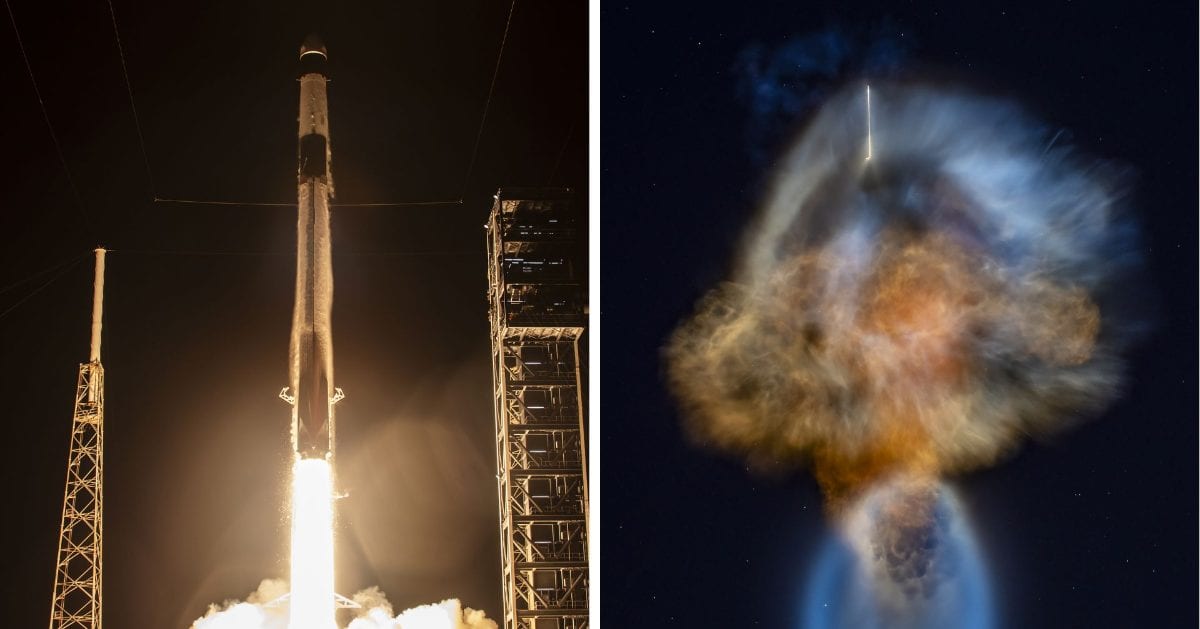
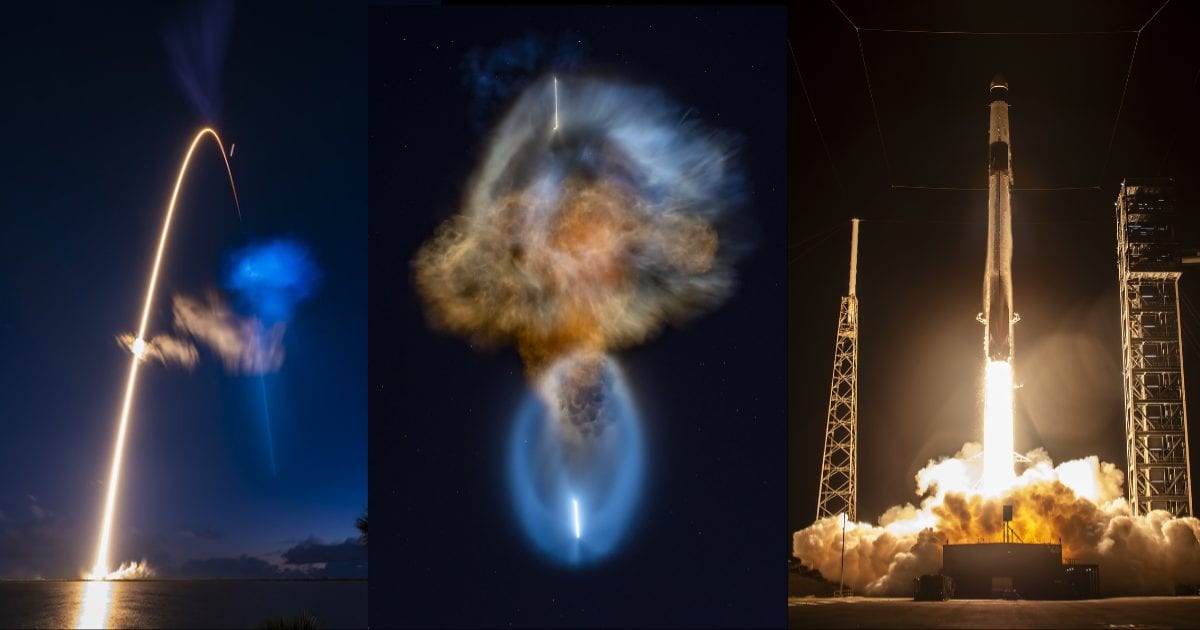
In photos: ULA's Vulcan rocket launches historic first national security mission from Florida
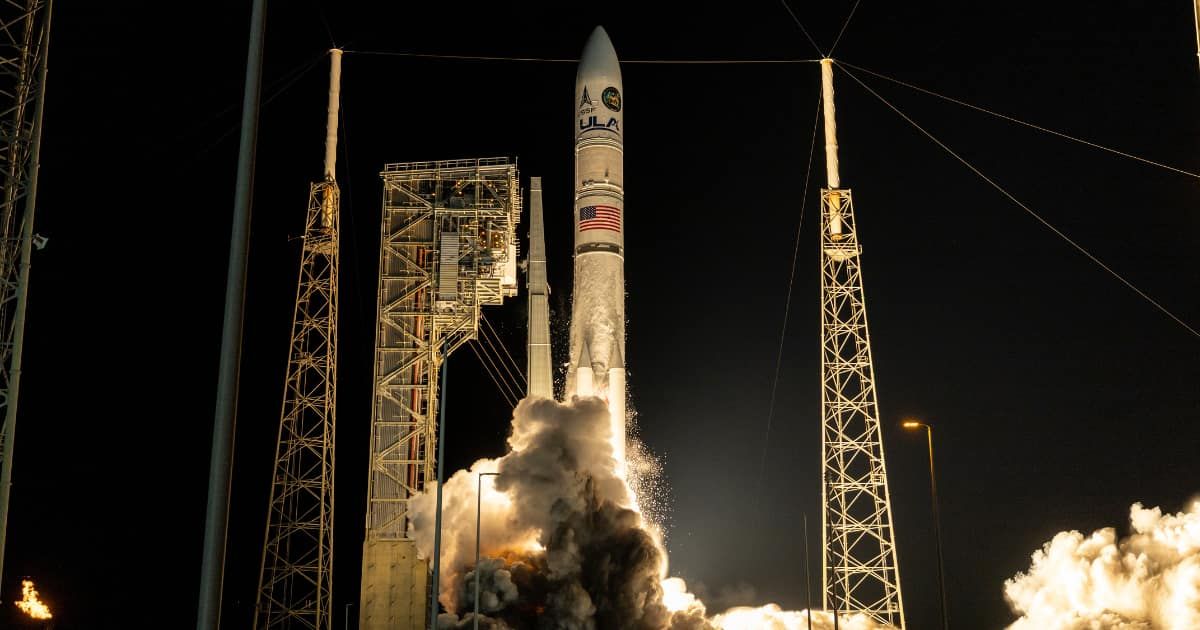
The USSF-106 mission lifted off at 8:56 p.m. EDT on August 12, marking a new era in the nation's space defense.
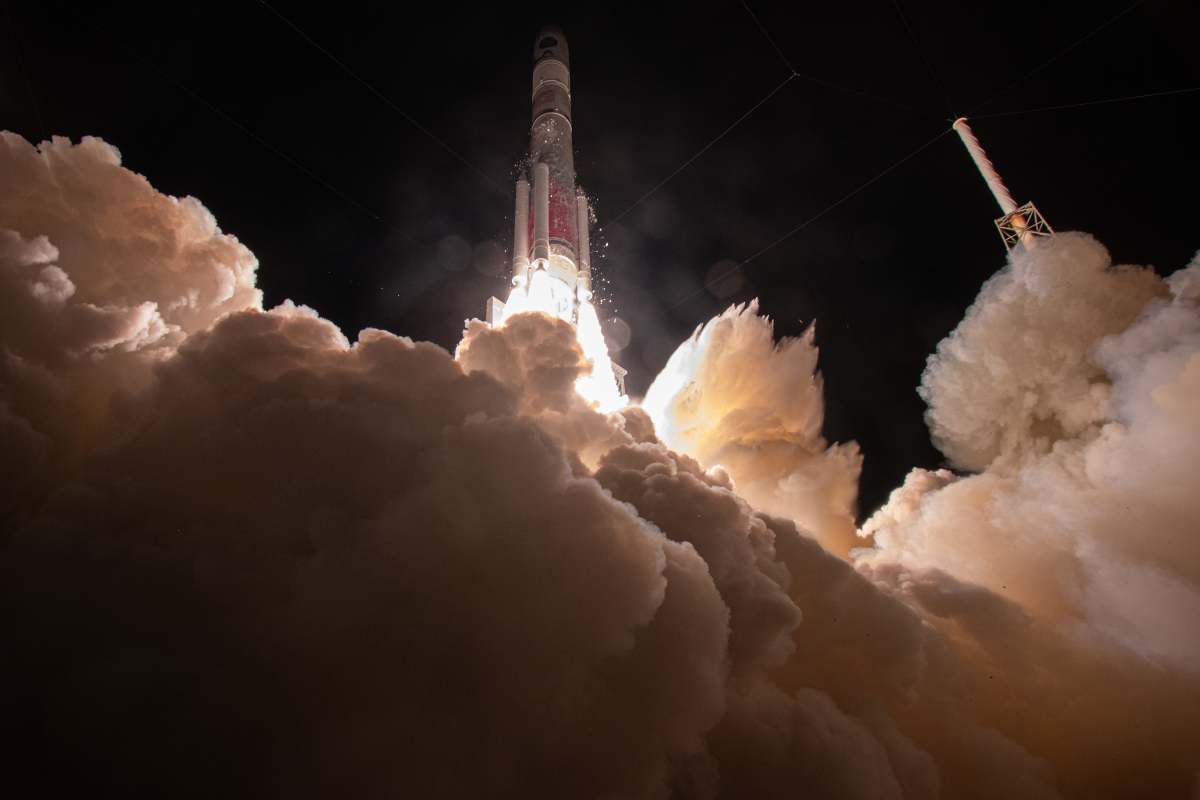
ULA Vulcan rocket lifts off from Space Launch Complex-41 on Aug. 12 at 8:56 p.m. EDT on its first U.S. national security mission, known as USSF-106, for the U.S. Space Force Space Systems Command (Cover Image Source: Flickr | ULA)

United Launch Alliance's (ULA) next-generation Vulcan rocket successfully lifted off from Cape Canaveral Space Force Station, marking its historic inaugural launch for the US Space Force. This mission, designated USSF-106, launched at 8:56 p.m. EDT on August 12, marking a new chapter in the nation's space defense strategy, as per ULA

A United Launch Alliance (ULA) Vulcan rocket lifts off from Space Launch Complex-41 on Aug (Image Source: Flickr | ULA)

The 202-foot-tall rocket delivered its national security payload directly into Geosynchronous Earth Orbit (GEO) using the powerful Centaur V upper stage, which boasts a significant increase in energy and endurance compared to its predecessors. 
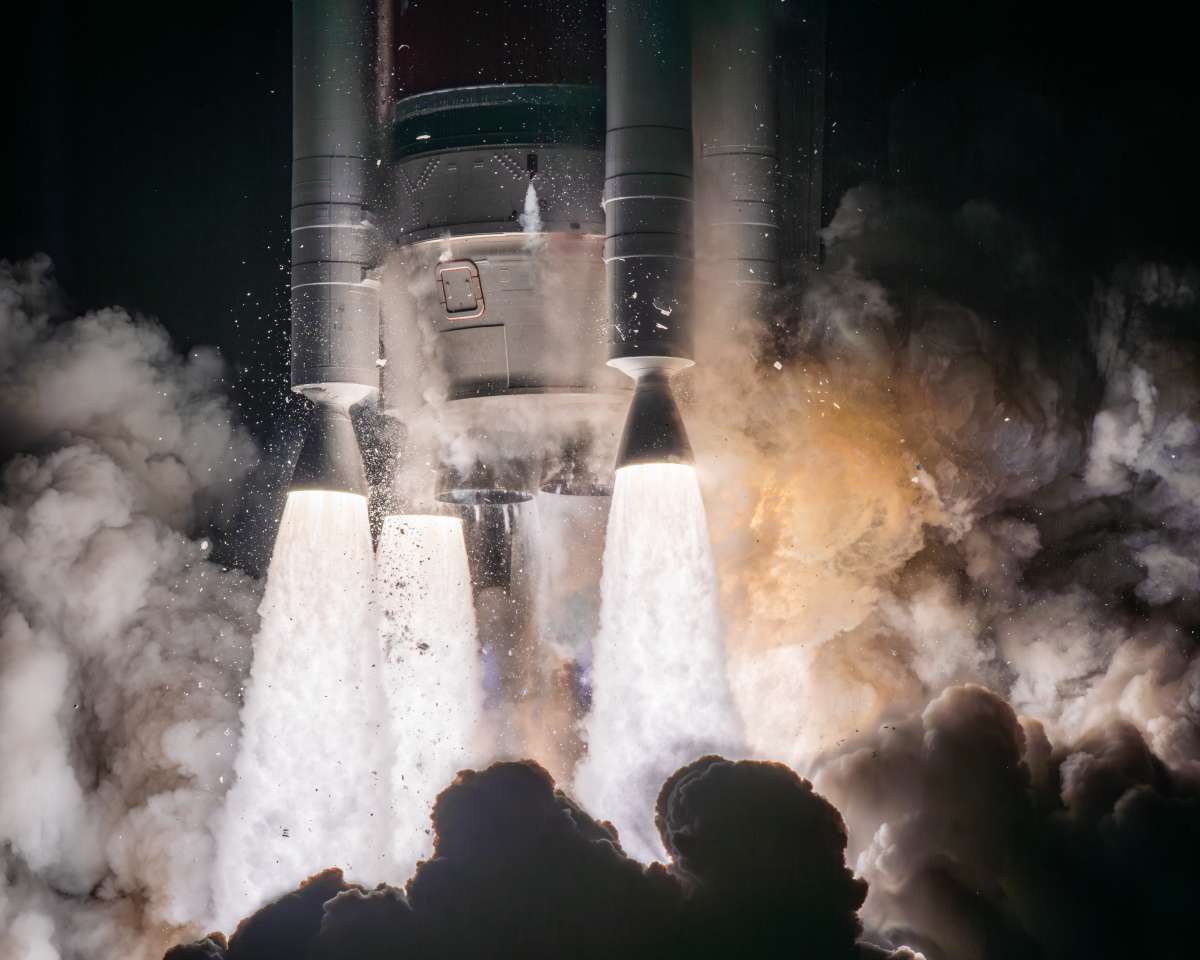
A United Launch Alliance (ULA) Vulcan rocket lifts off from Space Launch Complex-41 on Aug (Image Source: Flickr | ULA)

“Vulcan did exactly what it was built to do: deliver a critical mission with power, precision, and confidence. We are proud to play a role in strengthening the nation’s space capabilities,” said ULA CEO Tory Bruno. 
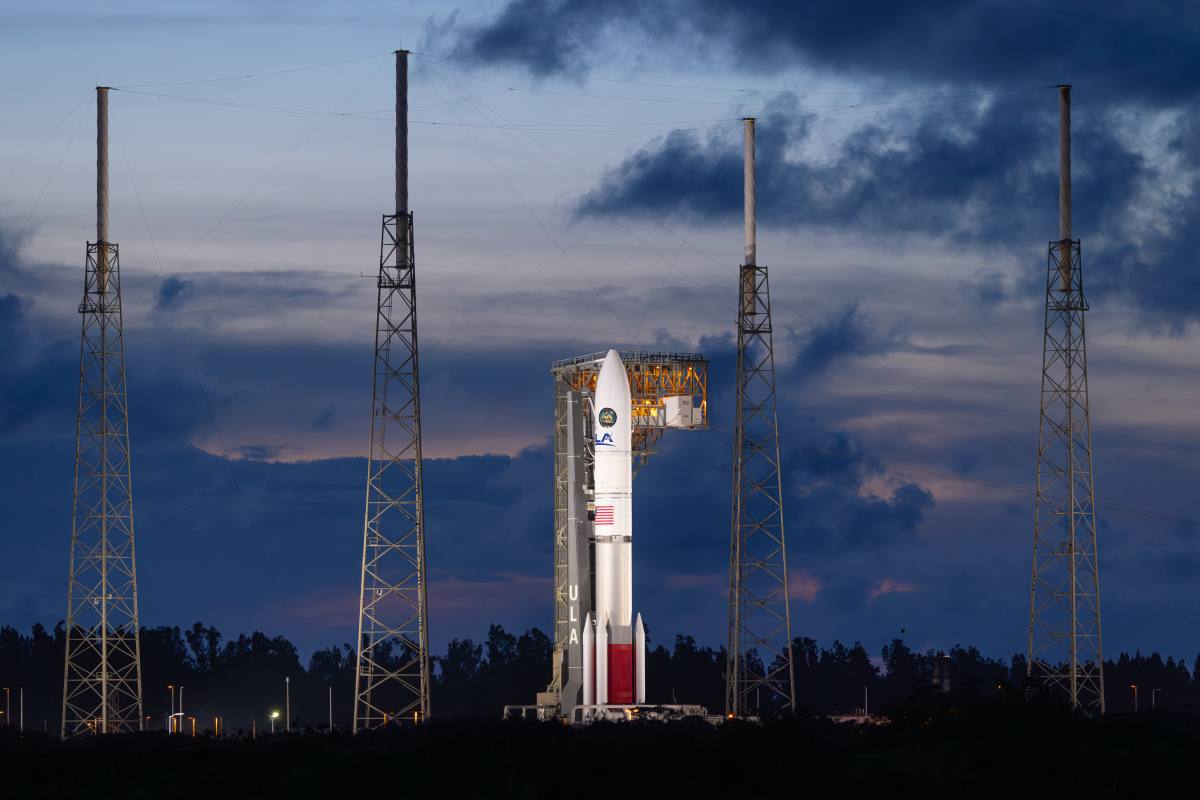
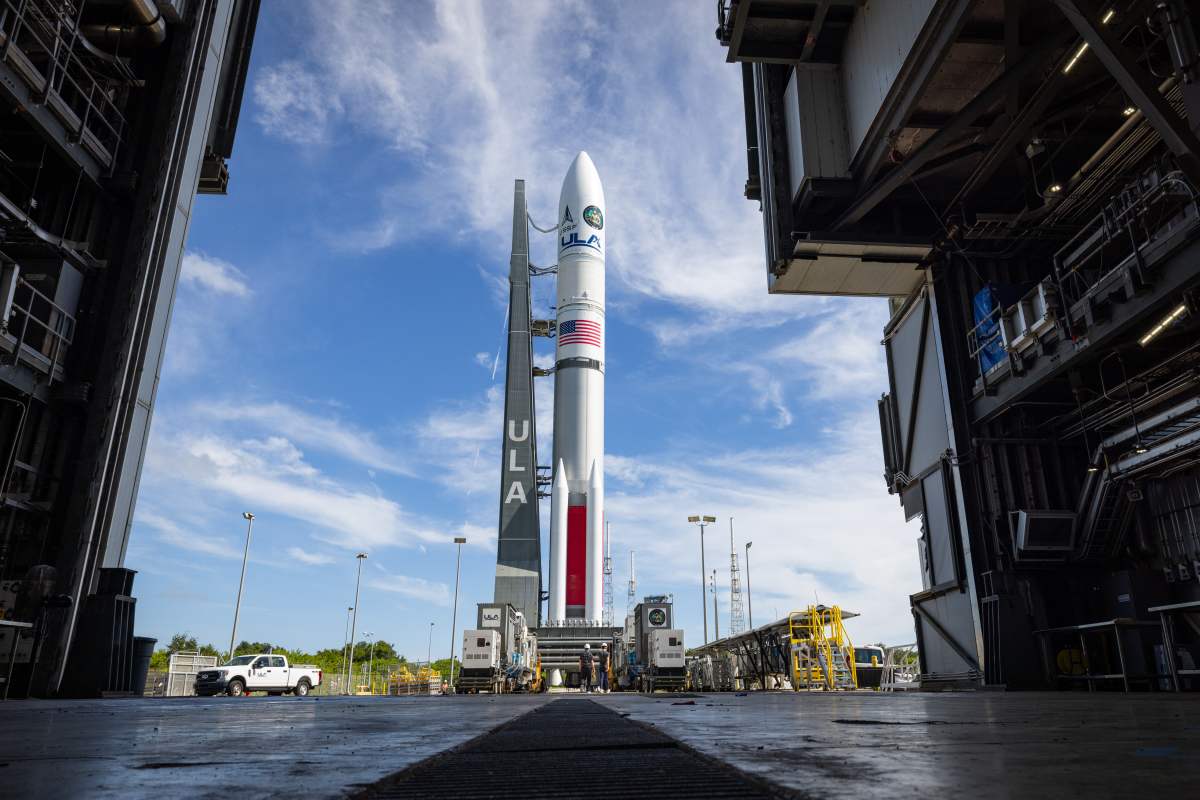
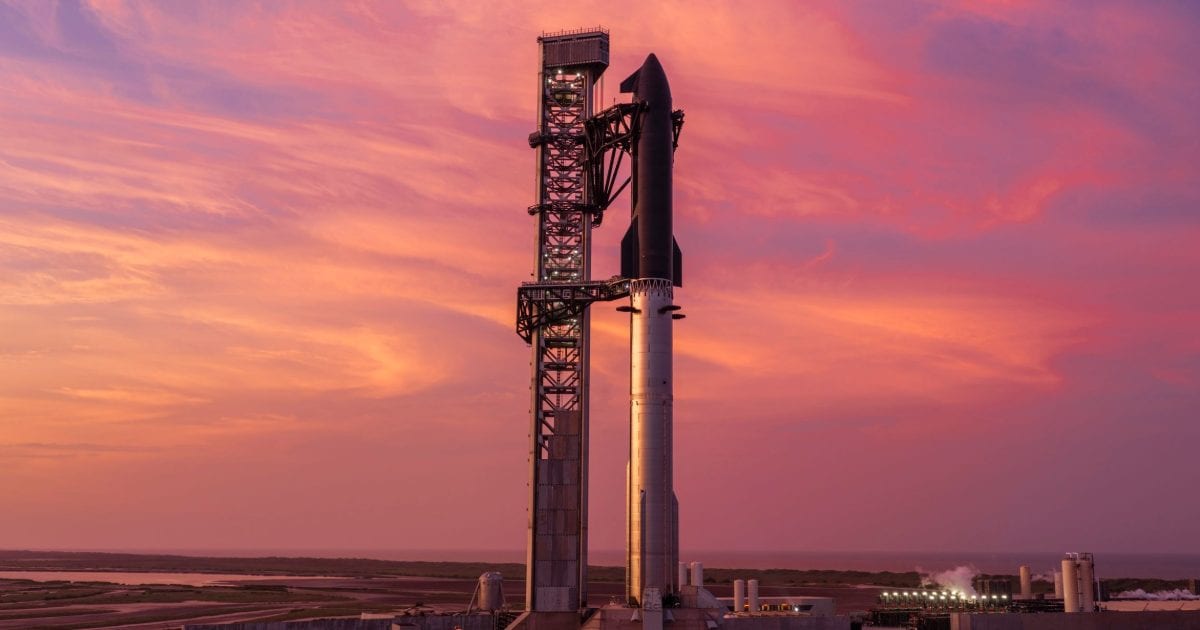
The United Launch Alliance (ULA) Vulcan rocket sits on Space Launch Complex 41 (SLC-41) at Cape Canaveral at sunset (Image Source: Flickr | ULA)

This launch builds on ULA's extensive history of launching critical missions for the US military and intelligence communities. The company has a track record of nearly 132 successful national security launches since its founding in 2006, a legacy previously carried by its Atlas V, Delta II, and Delta IV rockets. 
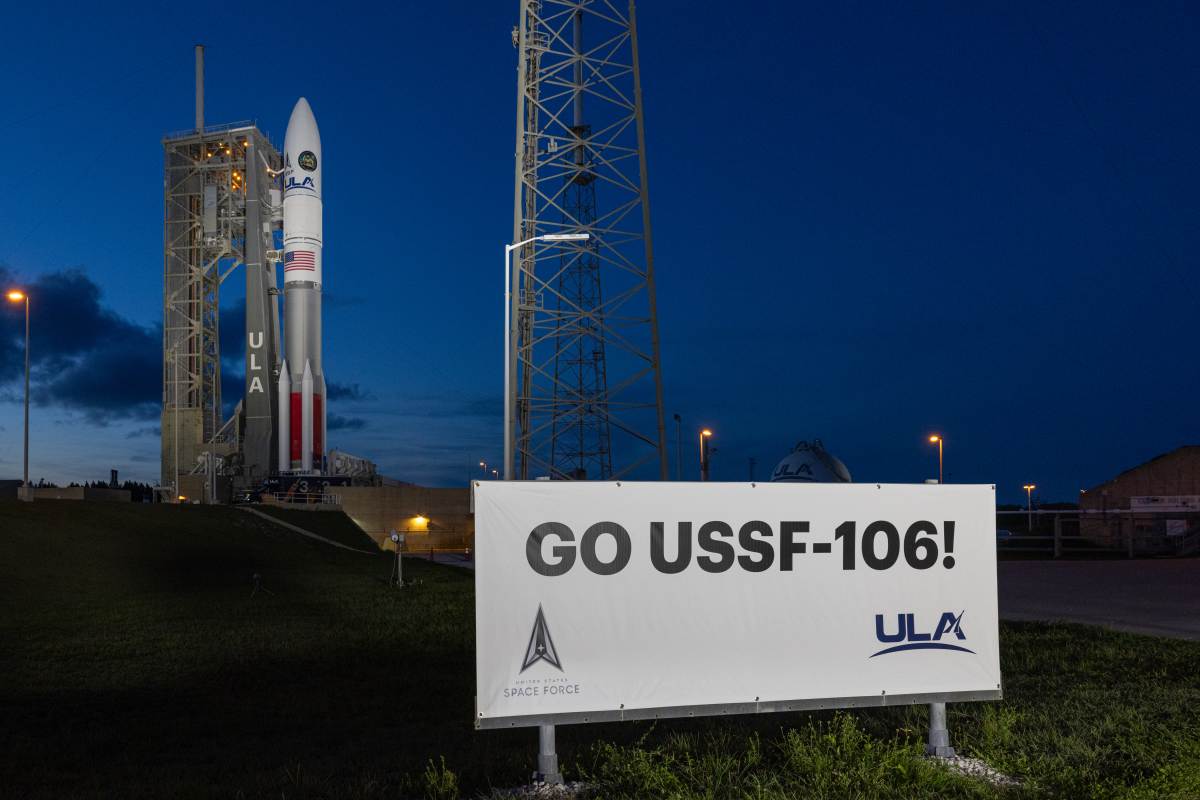
The United Launch Alliance (ULA) Vulcan rocket sits on Space Launch Complex 41 (SLC-41) at Cape Canaveral at sunset (Image Source: Flickr | ULA)

The Vulcan's successful flight also positions it to expand into the commercial sector, with its modular design providing flexible access to various orbits for future missions. ULA's next launch is slated to be the third Atlas mission for Amazon's Project Kuiper

A United Launch Alliance (ULA) Vulcan rocket rolls from the Government Vertical Integration Facility (VIF-G) to the launch pad at Space Launch Complex-41 at Cape Canaveral Space Force Station, Florida (Image Source: Flickr | ULA)

Equipped with four solid-fuel boosters for added thrust, the Vulcan's methane-fueled BE-4 engines ignited with a thunderous roar, pushing the rocket away from pad 41 with a combined thrust of nearly three million pounds, as per Spaceflight Now. The powerful ascent created a spectacular light show that was visible for miles around as the rocket arced over the Atlantic.
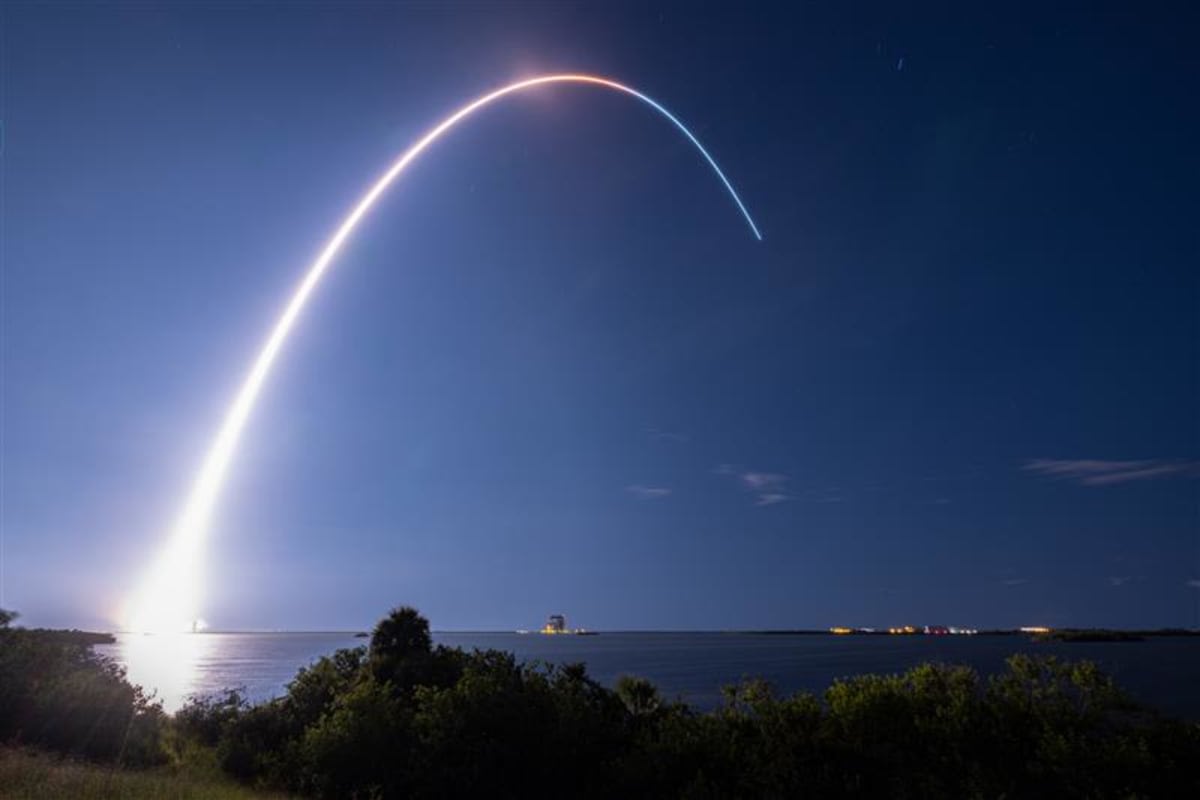
A United Launch Alliance (ULA) Vulcan rocket lifts off from Space Launch Complex-41 on Aug. 12 at 8:56 p.m. EDT on its first U.S. national security mission, known as USSF-106, for the U.S. Space Force Space Systems Command (Image Source: Flickr | ULA)

Following the jettison of its four boosters, the first stage separated, and the Centaur V upper stage took over. In line with standard military protocol, ULA's public broadcast of the mission concluded at this point, and the remainder of the flight was conducted under a veil of secrecy. 
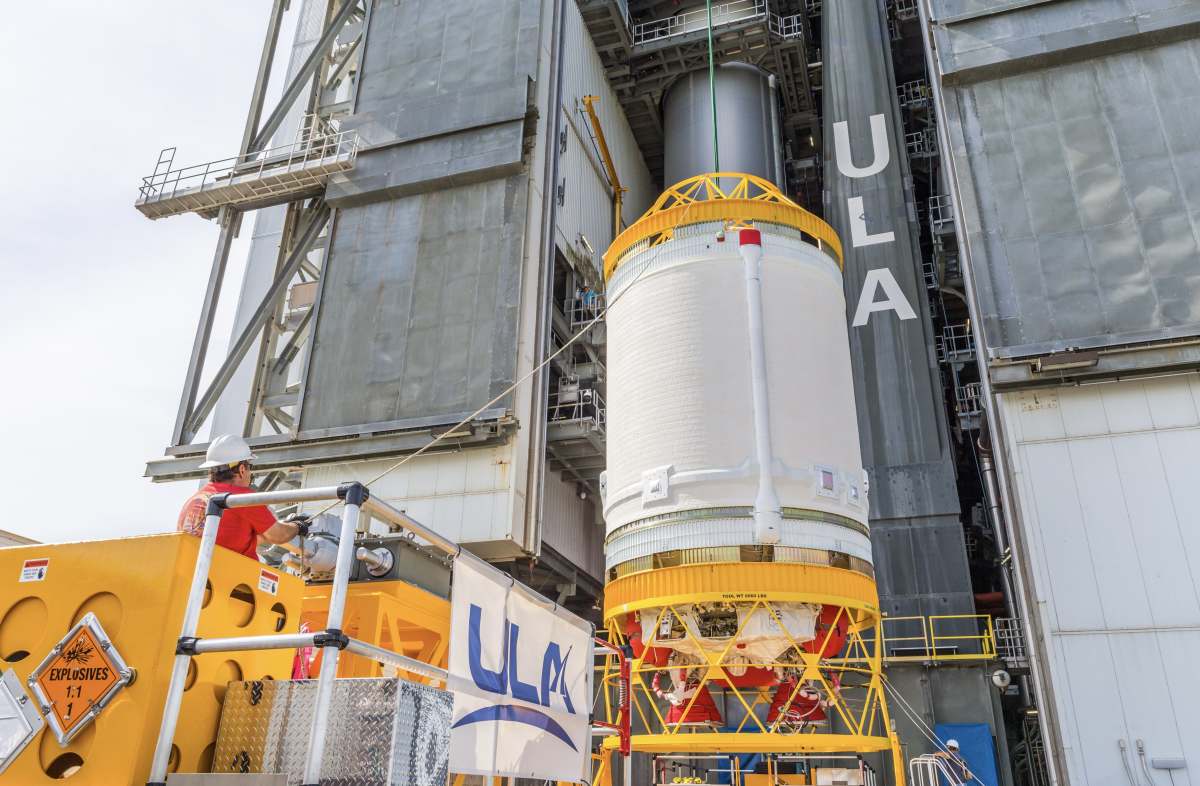
United Launch Alliance (ULA) hoists its Centaur V upper stage atop the Vulcan rocket that will launch the multi-manifest USSF-106 payload (Image Source: Flickr | ULA)

While details remain classified, the mission is widely believed to have carried at least two payloads: a classified spacecraft and an experimental satellite known as the Navigation Technology Satellite 3 (NTS-3). Both payloads were successfully delivered into a geosynchronous orbit approximately 22,300 miles above the equator. 
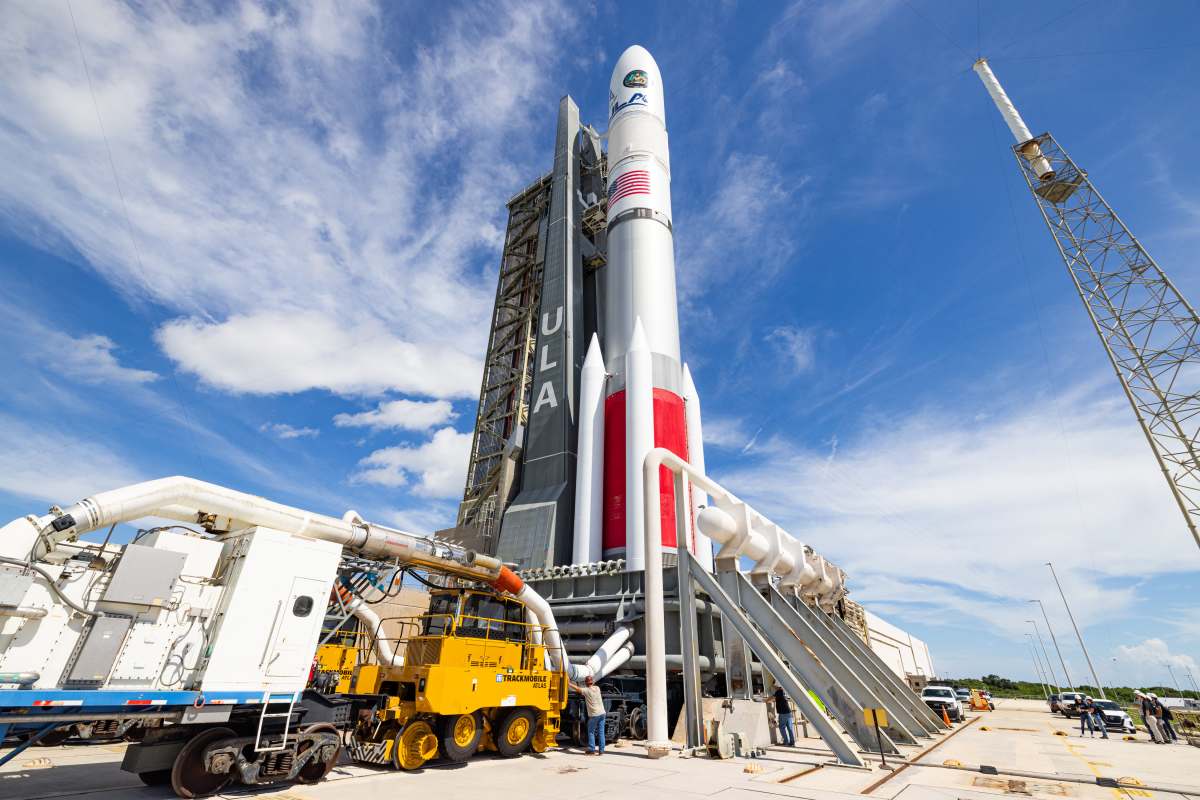
A United Launch Alliance (ULA) Vulcan rocket rolls from the Government Vertical Integration Facility (VIF-G) to the launch pad at Space Launch Complex-41 at Cape Canaveral Space Force Station, Florida (Image Source: Flickr | ULA)

The NTS-3 satellite is a critical experiment for the Pentagon, designed to test advanced atomic clocks and navigation technologies. Its mission is to explore ways to improve and augment the current Global Positioning System (GPS), providing military and commercial users with more accurate and jam-proof data.
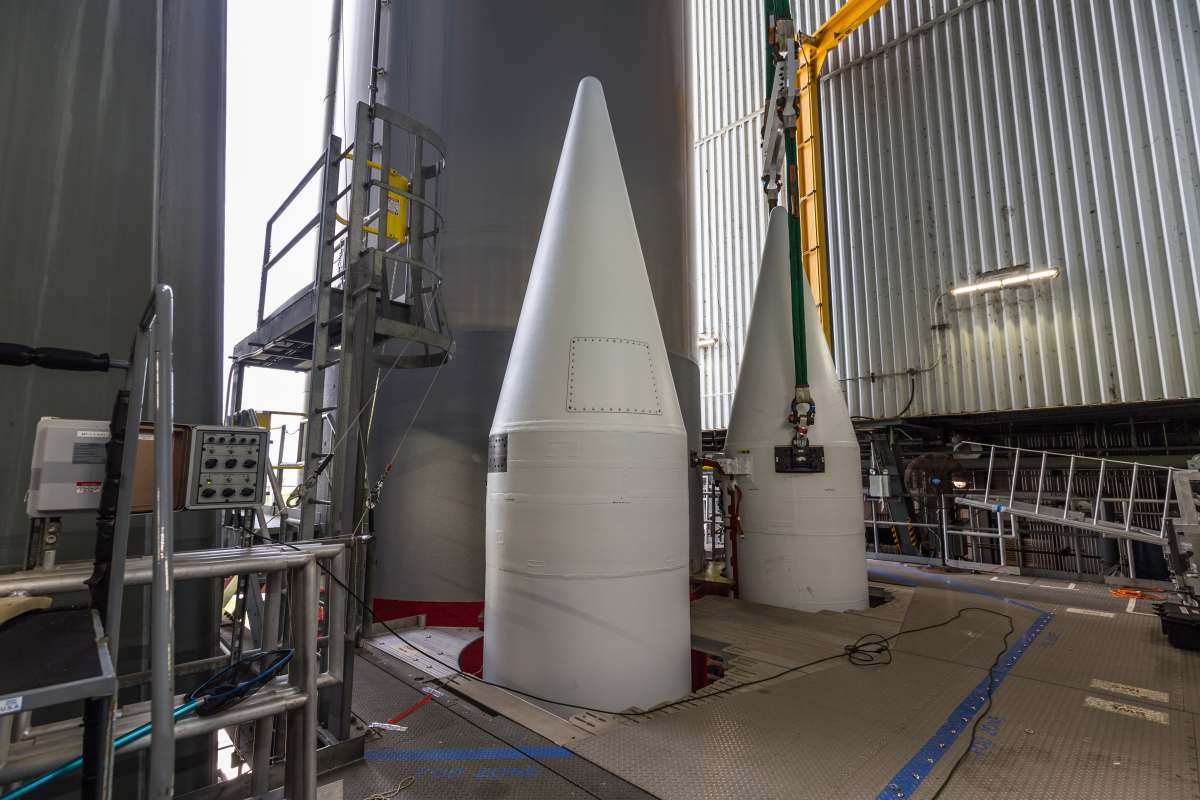
The GEM 63XL solid rocket boosters (SRBs) are mounted onto the United Launch Alliance (ULA) Vulcan rocket that will carry the USSF-106 mission (Image Source: Flickr | ULA)
The GEM 63XL solid rocket boosters (SRBs) are mounted onto the United Launch Alliance (ULA) Vulcan rocket that carried the USSF-106 mission (Image Source: Flickr | ULA)

"With NTS-3, we are going to be experimenting with a number of different technologies that look at how we can continue to evolve and augment GPS to make sure that it remains the gold standard that our warfighters need,” said Joanna Hinks, an aerospace engineer with the Air Force Research Laboratory. 
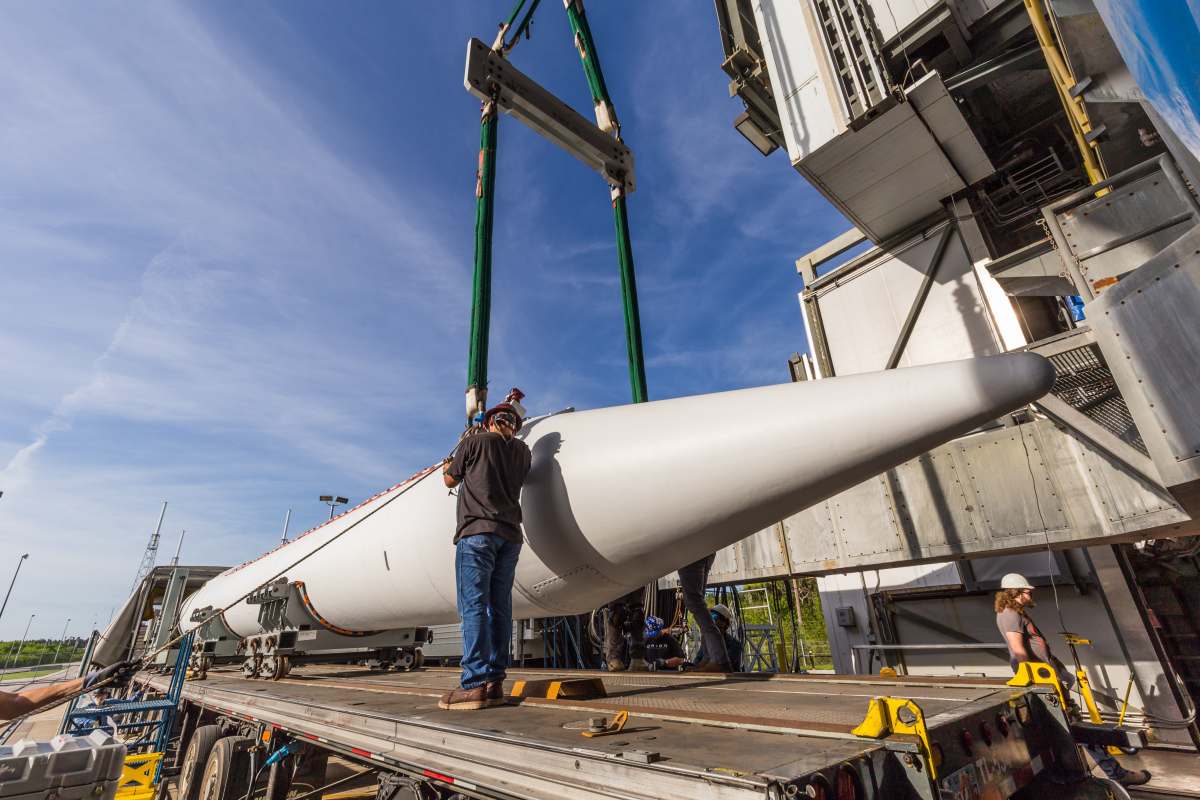
The GEM 63XL solid rocket boosters (SRBs) are mounted onto the United Launch Alliance (ULA) Vulcan rocket that carried the USSF-106 mission (Image Source: Flickr | ULA)

The USSF-106 mission was the third flight for the new Vulcan rocket but the first to be officially "certified" by the Space Force for national security missions. The certification follows two successful test flights last year. 
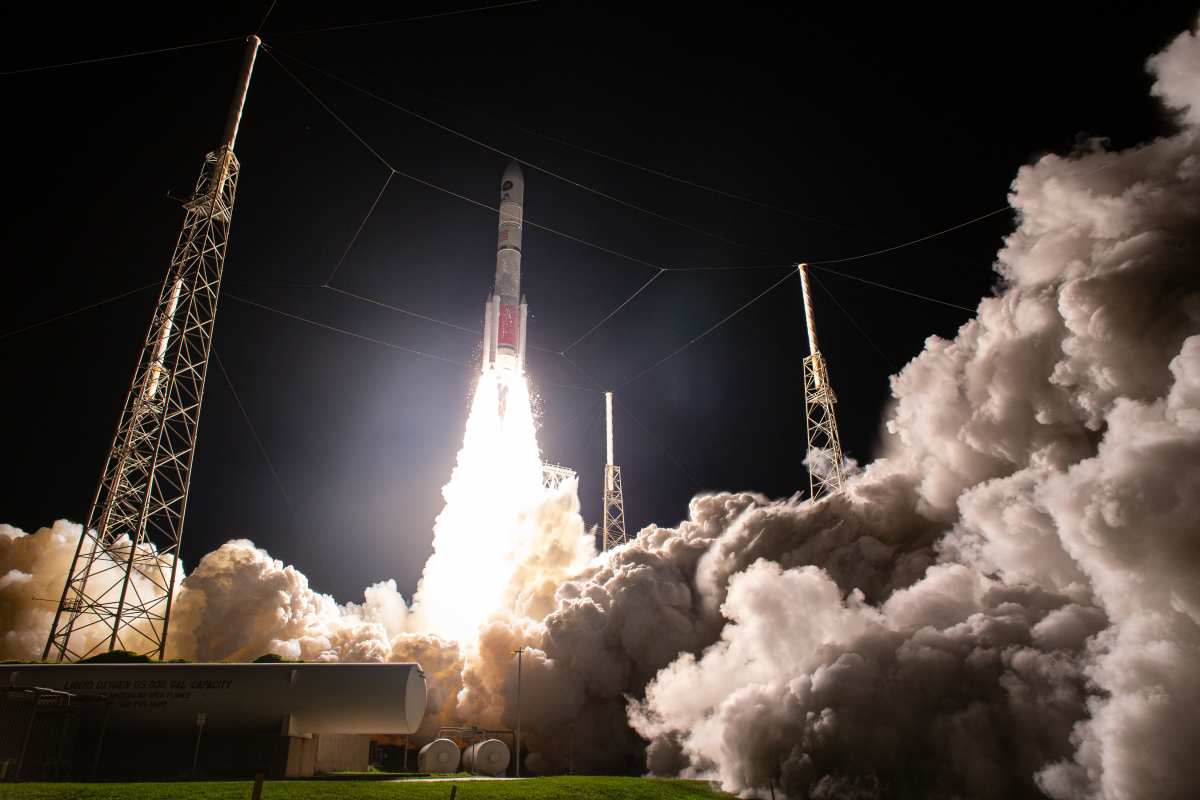
A United Launch Alliance (ULA) Vulcan rocket lifts off from Space Launch Complex-41 on Aug. 12 at 8:56 p.m. EDT on its first U.S. national security mission, known as USSF-106, for the U.S. Space Force Space Systems Command (Image Source: Flickr | ULA)

This milestone is a significant step for ULA, as the Vulcan is designed to replace both the company's retired Delta family of rockets and the venerable Atlas V, which has come under scrutiny for its use of a Russian-built first-stage engine.
MORE STORIES

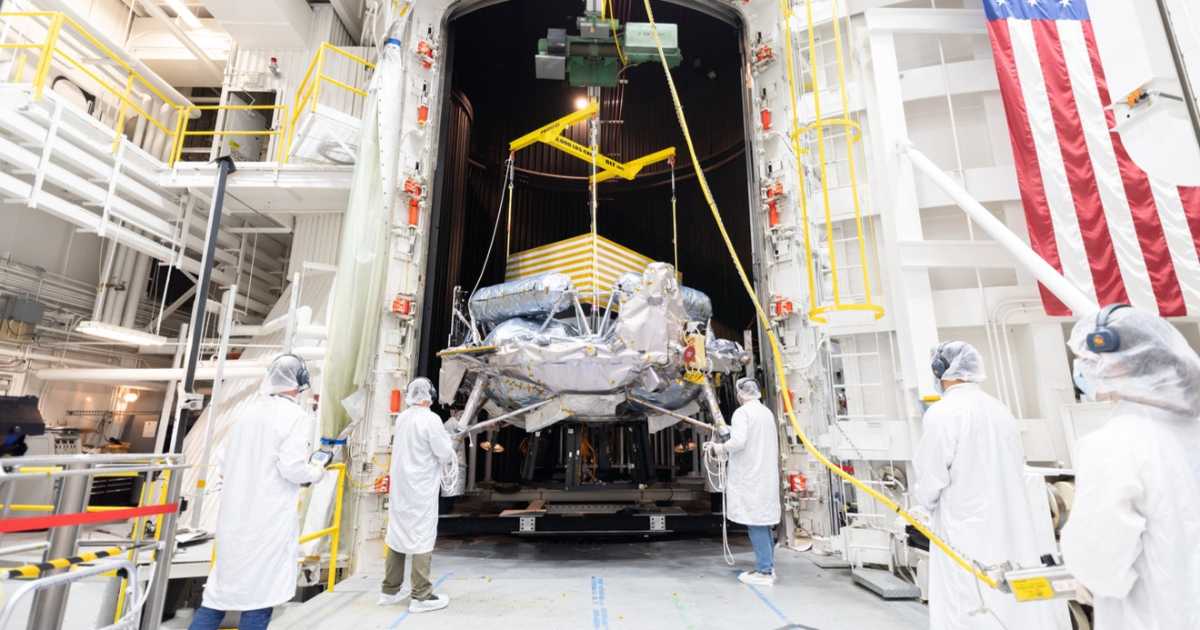
Blue Origin's lander completes environmental testing at Johnson's Chamber A, which simulates the harsh conditions of space.
20 hours ago
A new method could pave the way for low-cost, round trips to asteroids.
1 day ago
NASA appears to have released the highly anticipated photos on the Gateway to Astronaut Photography of Earth website, as opposed to its main image library.
1 day ago
The Falcon 9's upper stage will hit the Moon at seven times the speed of sound. Details here.
1 day ago
While work on Artemis III architecture is well underway, important information about the mission still remains under wraps.
1 day ago
NASA and its international partners have shared the broad outline of the new ISS schedule.
2 days ago
The nanotube-based composite blocks radiation, survives extreme temperatures, and can be 3D-printed.
5 days ago
"We're going to marry our success from Ingenuity, all that knowledge, all that skill and success, and couple that with an industry capability. We're going to get this done."
5 days ago
The seven-person also did studies in the areas of biomedicine while also upgrading data hardware.
5 days ago
Apollo 17 astronaut Harrison 'Jack' Schmitt explains why exploring the Moon continues to be important.
5 days ago