How far away is comet C/2024 E1 (Wierzchos) from Earth on December 29?
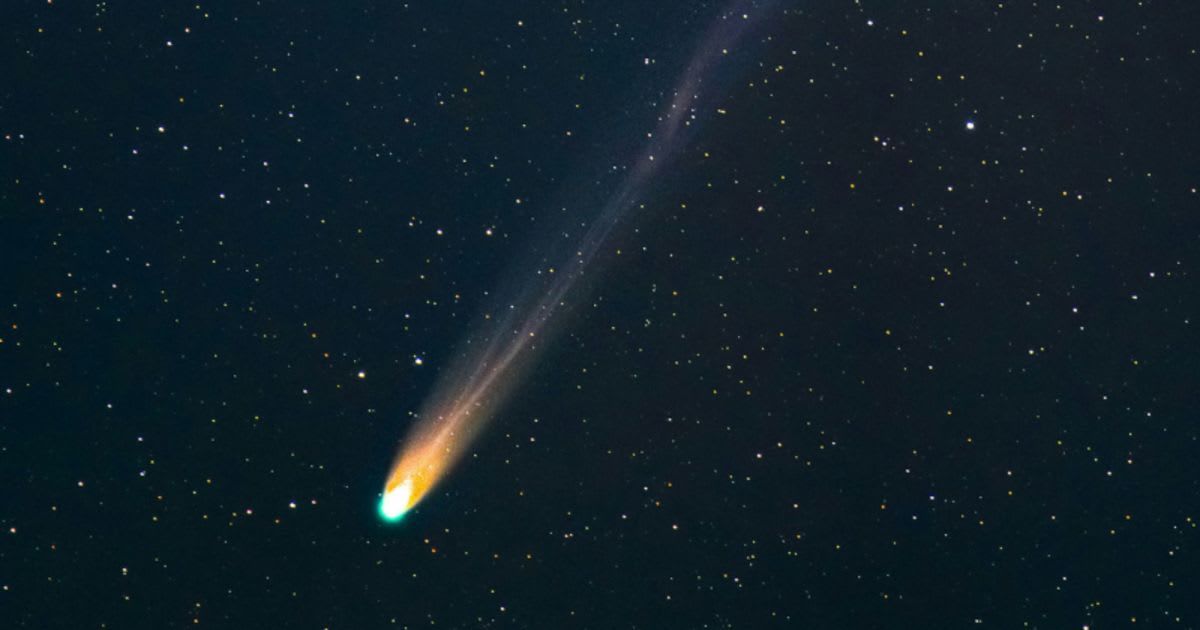
Comet C/2024 E1 (Wierzchos) is currently making its way through the constellation Sagittarius as it prepares for its first and only pass through our neighborhood. The object is about 160 million miles away from the planet Earth right now, according to The Sky Live. Speaking about the distance in a more practical manner, it takes more than 14 minutes for the light from the comet to reach us. As of December 29, the comet is present at Right Ascension 18h 57m 01s and Declination -24° 27' 28".
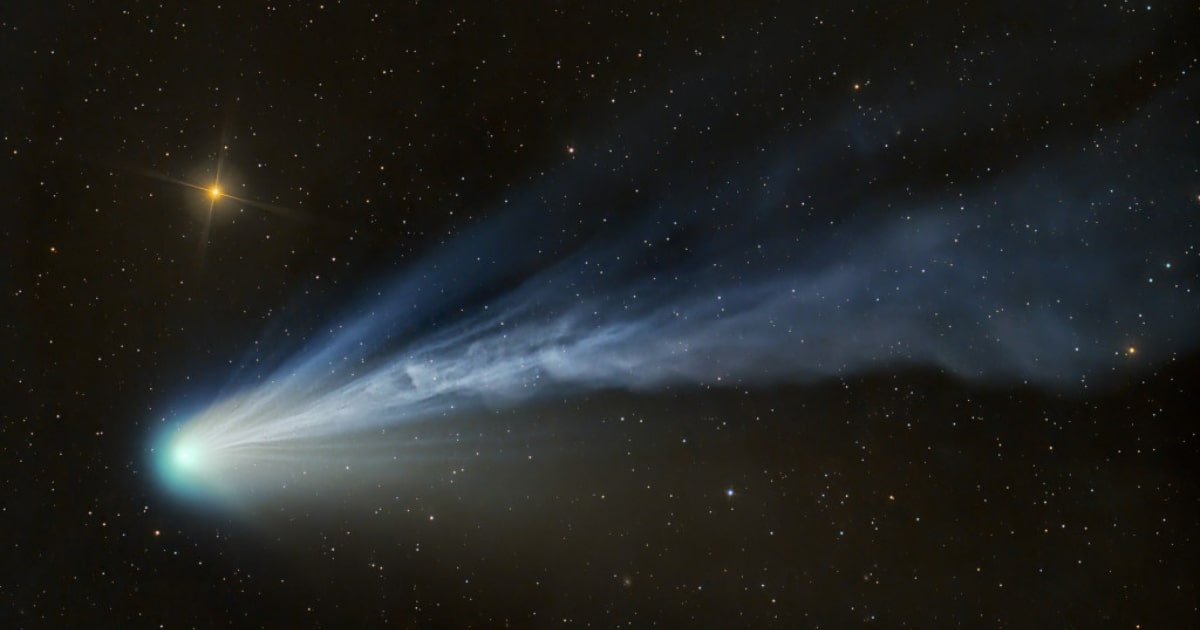
Although the comet is very dim at this time and only professionals with powerful telescopes can see it, astronomers are keeping close tabs on its trajectory heading into the New Year, as it will make its closest approach to our planet on February 17, 2026. On the day, the comet will be about 93 million miles from Earth. For perspective, the interstellar comet 3I/ATLAS was around 170 million miles away at its closest approach on December 19, 2025. As for its perihelion, C/2024 E1 (Wierzchos) will get the closest to the Sun on January 20, 2026. Around this time the comet will be visible in the skies of the Southern Hemisphere.
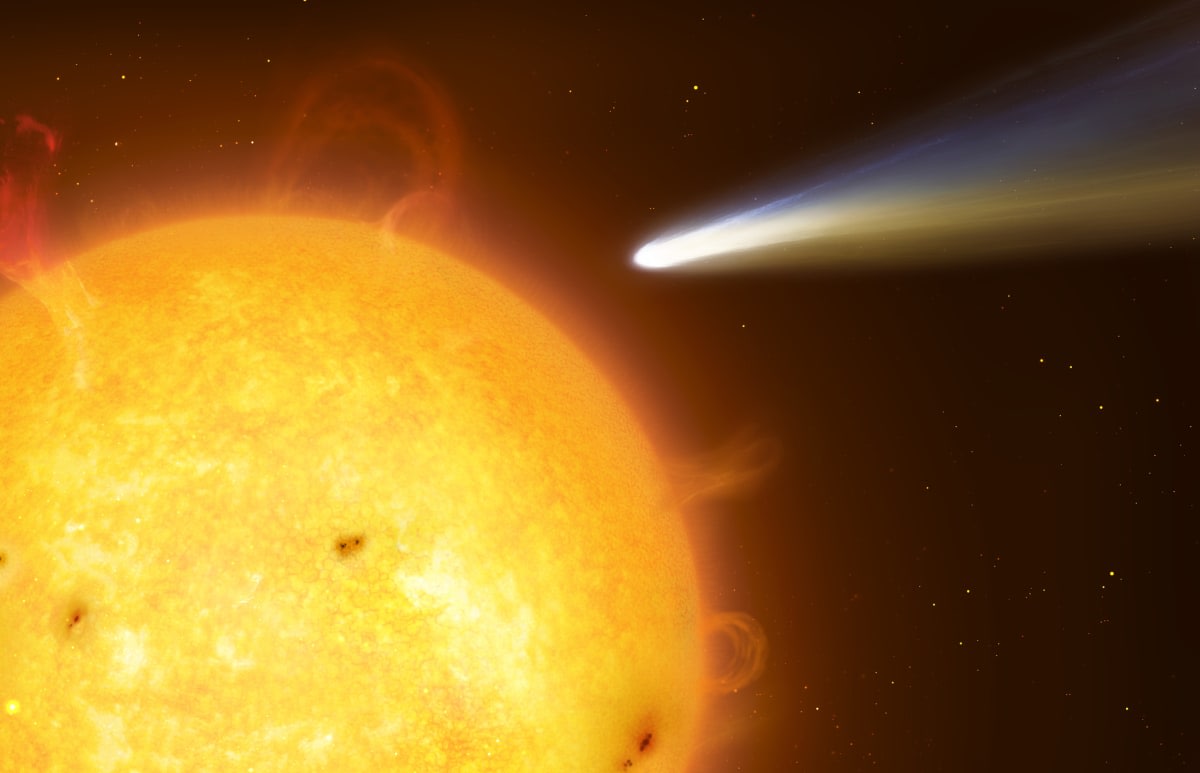
After its perihelion, the comet will be visible from the Northern Hemisphere as well. Observers in that half of Earth will have the chance to see the comet low in the southwestern sky about an hour after sunset around the time of its closest approach to our planet. At the time, the comet is predicted to fade to a magnitude of 8, but it will still be a reasonable target for those in possession of a small telescope or even a good pair of binoculars.

This comet, which was first discovered by Polish astronomer Kacper Wierzchos in March 2024 in images taken by the Mount Lemmon Survey, has been termed a "hyperbolic" object by scientists. Unlike the more famous comets that return every few decades to orbit around the Sun, Wierzchos travels on a trajectory that will ultimately launch it out of our solar system forever. The comet, in researchers' view, originated within the Oort Cloud, a large area made up of icy bodies and rock fragments surrounding our solar system. Hence, the comet presents us with a rare opportunity to investigate material arriving from deep space.
Winter will also offer skywatchers another reason to behold the sky as the Comet 24P/Schaumasse nears its peak. The comet is anticipated to reach a magnitude of 8 at its peak around, if not just before, January 8, 2026. By this point, it will be observable under very dark skies with a good pair of binoculars or a small telescope.
More on Starlust
Interstellar comet 3I/ATLAS found to 'wobble' as it spews gas and dust
January 2026: Quadrantids meteor shower and more skywatching events to start the new year