NASA awards U.S. woman $300,000 for devising space food system to feed astronauts on Mars
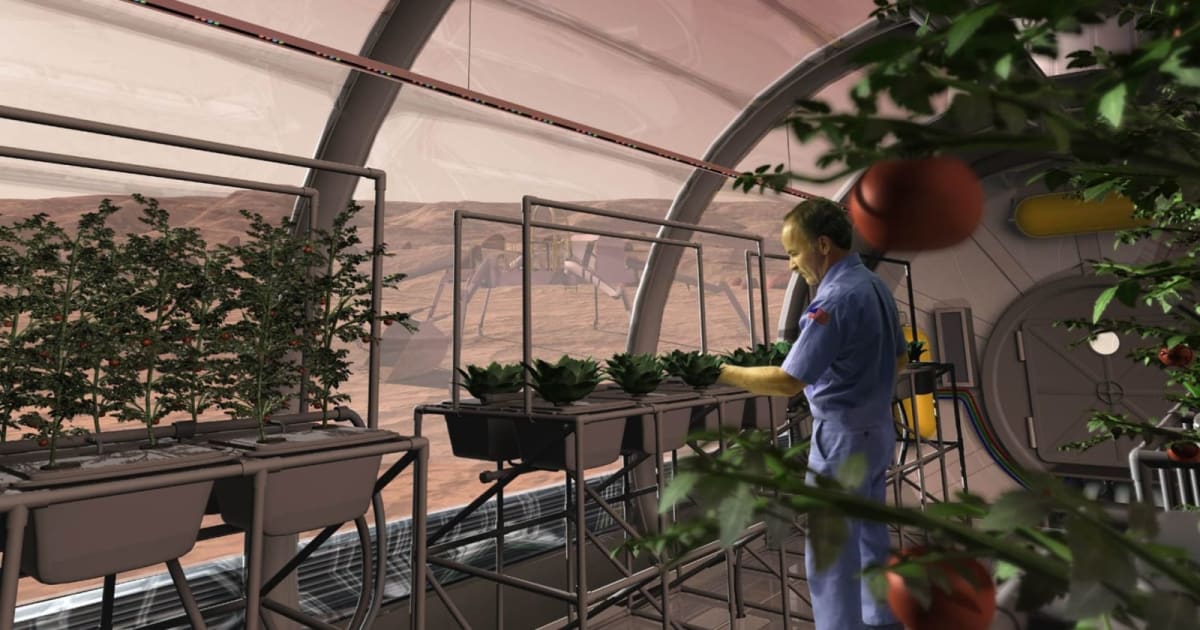
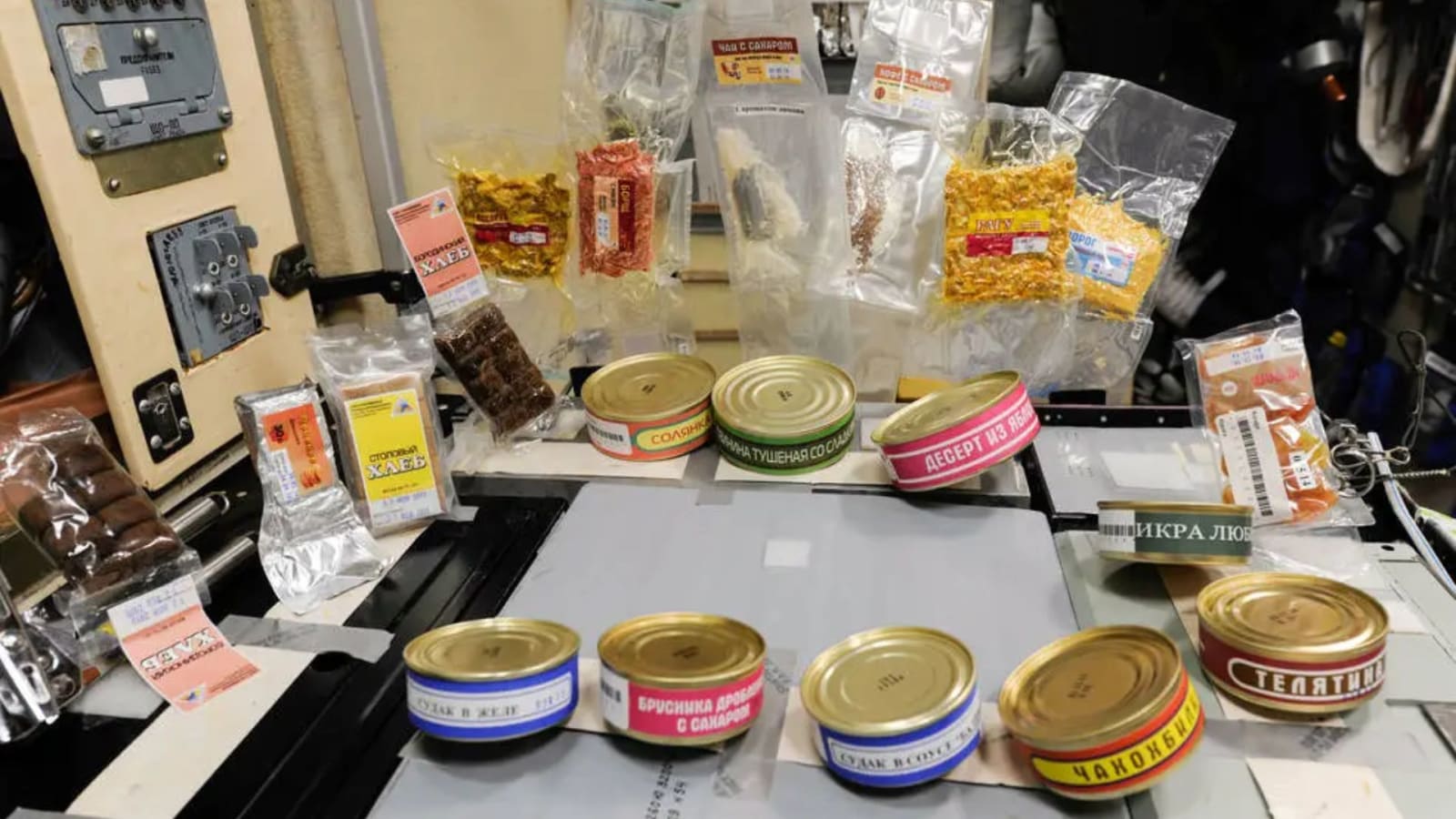
Among the biggest challenges of crewed spaceflights is ensuring that the astronauts are well fed on long-term missions. While this challenge is relatively easier for residents of the International Space Station (ISS) who live about 250 miles above Earth, missions to destinations such as the Moon or Mars require a viable solution to provide the travellers with proper nutrition. Food on the ISS is sent from Earth after being cooked and packaged at the Space Food Systems Laboratory of NASA’s Johnson Space Center but astronauts living on, say, Mars will need to grow their own food as there’s a limit on how many meals they can carry from Earth.
In order to solve this problem, NASA invited ideas that would enable the space traveler to grow food without reliance on Earth via its Mars to Table challenge. This challenge began in January 2026 asking participants from 33 countries and 28 US states to device a meal plan and food systems to fulfil astronauts’ nutritional needs.
The Mars to Table challenge
This challenge is aimed at tackling problems such as deteriorating food quality and shelf stability of prepackaged food through integrated food systems that would offer a variety of safe meal options with minimal crew time and work needed to maintain those systems. The participants of this challenge were required to present a design layout, meal plan, concept of operations, and walkthrough video under a mission scenario of feeding a 15-person astronaut crew for 500 Martian days (about 513 Earth days).
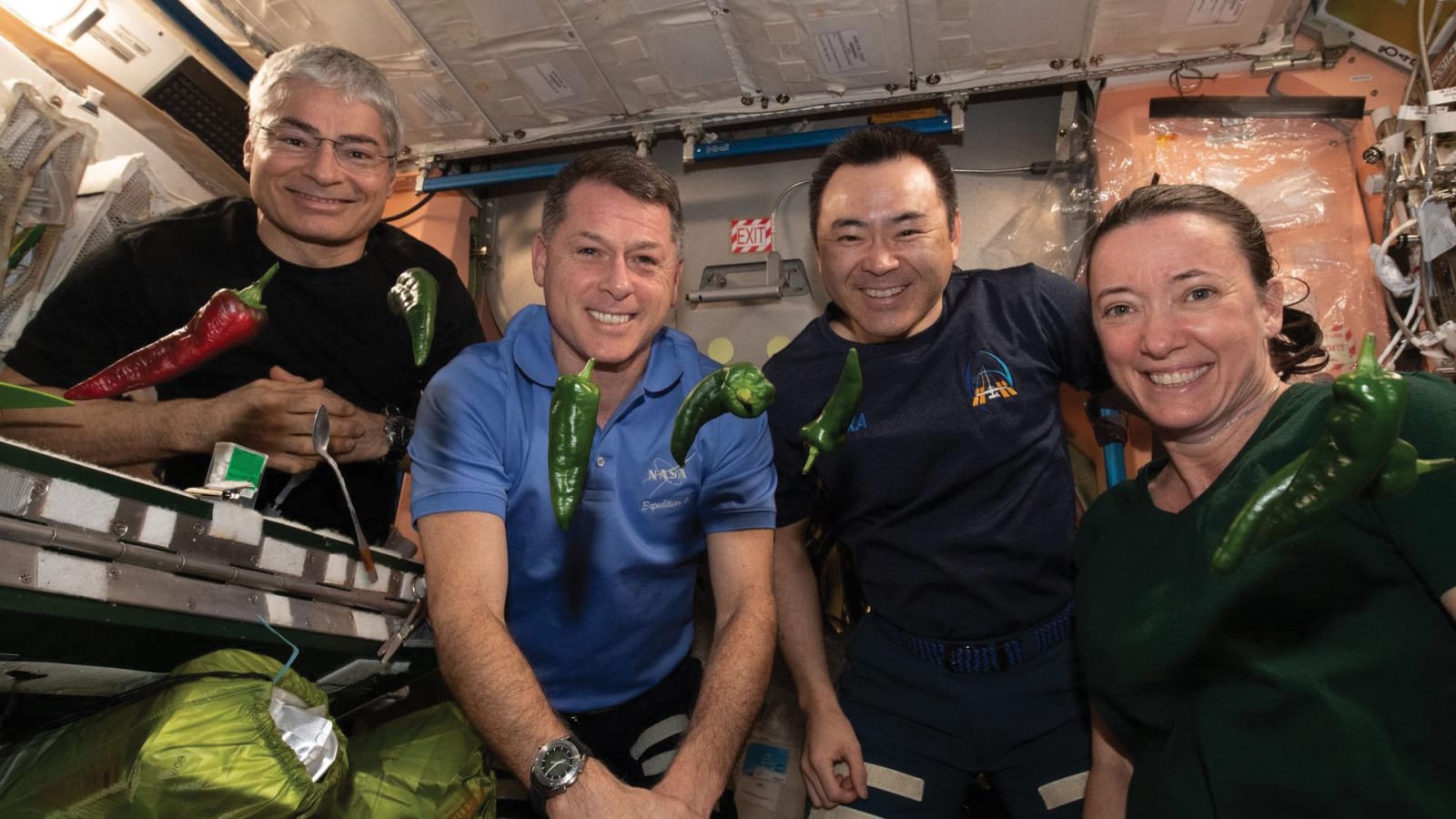
Mars to Table head judge Dr. Alexander Meyers said in a statement—“The criteria we laid out for this competition were challenging, but intentionally so. This challenge spotlights the complexity of a complete space food system and the human ingenuity required to solve these problems. Every new idea presented in this challenge represents a possible new tool in NASA’s plans for the future of space exploration.”
Top design gets $300,000
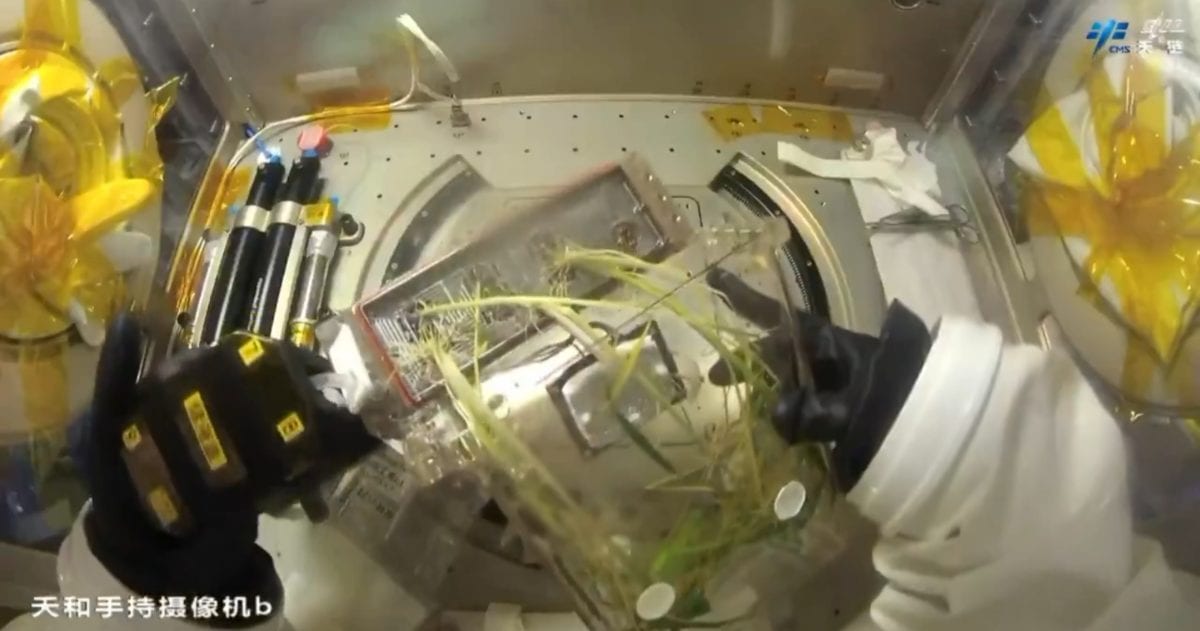
The challenge invited a total of 113 submissions but only five were picked by NASA which disbursed a total of $650,000 in prize. The top design, by Chinyere Ukeje of Philadelphia, received $300,000 for the Adaptive Nourishment Infrastructure (ANI) food system concept that will solve several problems at once. Named after the Nigerian Earth goddess of harvest and fertility, ANI is a modular system that combines methods like plant growth, fermentation, fungi cultivation and nutrient recycling. It can produce not just fresh meals everyday but cook 50 per cent of the food away from Earth and work even under scarcity of water, equipment, power or crew time.
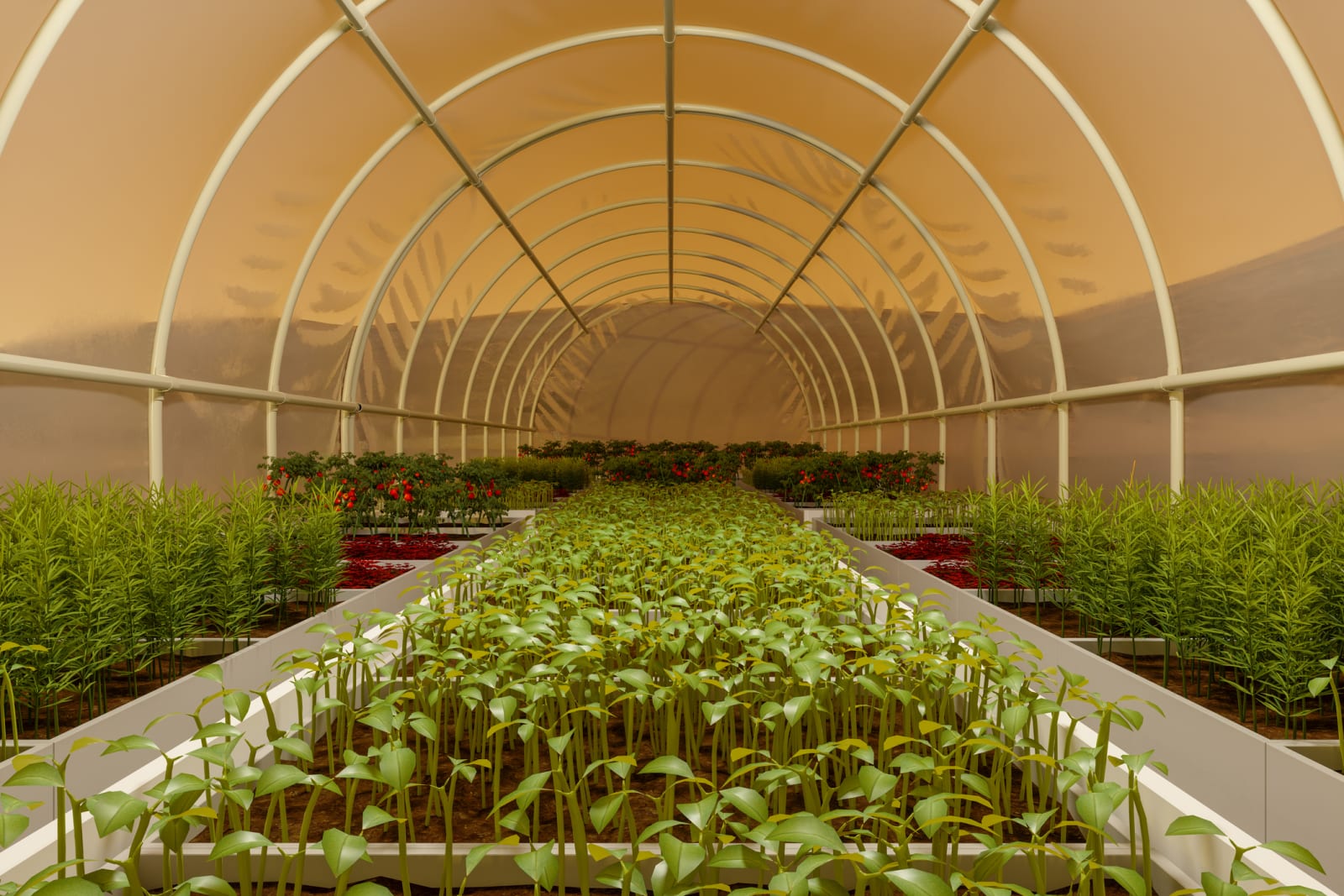
Another design selected by NASA is the Fresh, Ferment, Reserve food infrastructure by Cislune of California and it won $200,000. This system is designed to grow selected crops on Mars, converts part of the harvest into familiar foods and protect the reserve from Earth in case the system runs into trouble. Other three winners are also from the US and received $50,000 each for their proposals.
More on Starlust
Stunning new study claims Mars may have supported life longer than initially suspected
Astronauts may be able to grow plants on Mars and the Moon—the 'how' will surprise you