Final moments of comet C/2026 A1 (MAPS) captured by NASA as it disintegrates near the Sun
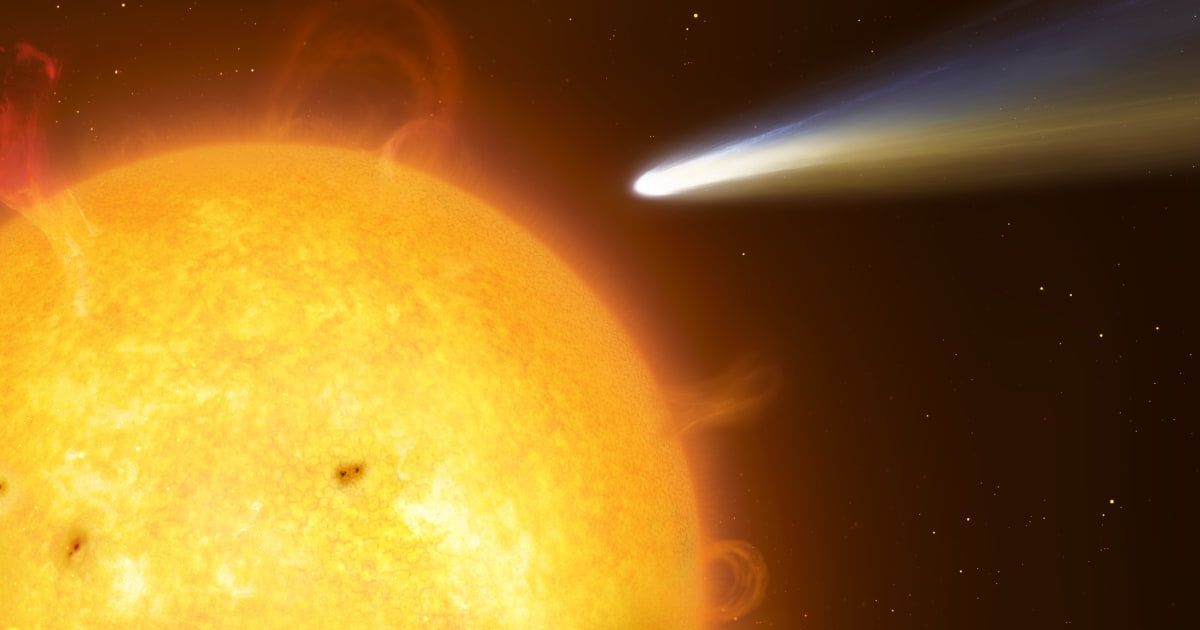
Comet C/2026 A1 (MAPS) flew too close to the Sun on April 4, which led to its destructive demise. Multiple heliophysics spacecraft from NASA managed to capture this final plunge in real time when astronomers watched closely to see whether the comet would survive its close solar encounter, which it did not. ESA and NASA’s joint mission SOHO (Solar and Heliospheric Observatory) observed the sun-grazing comet, offering new insights into how these celestial bodies disintegrate.
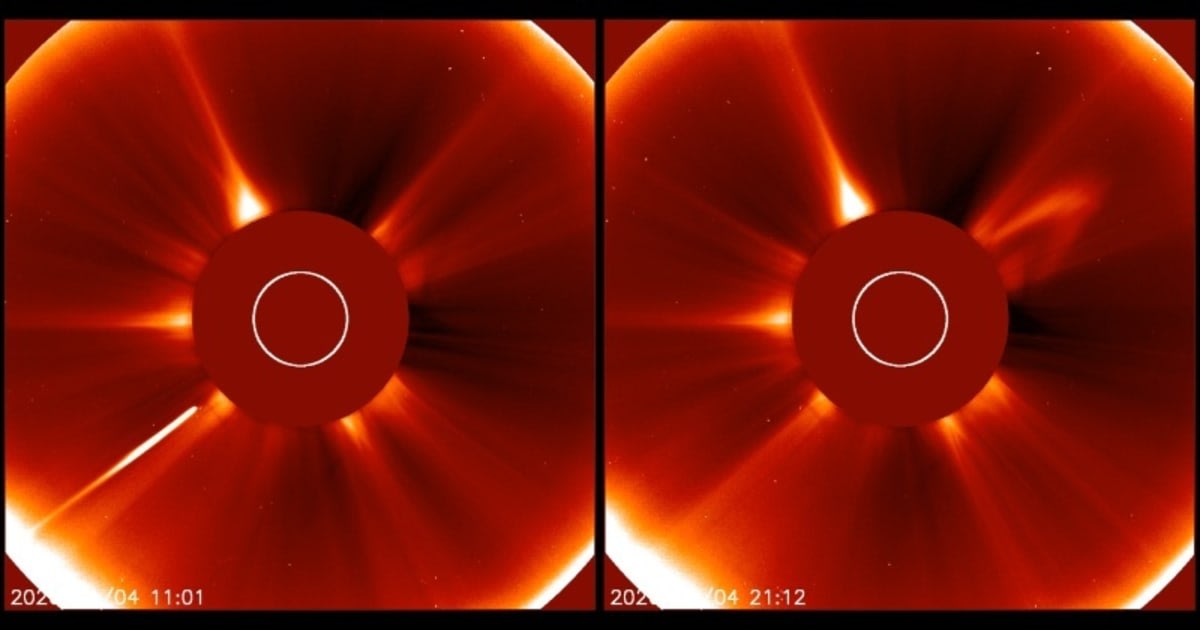
As the MAPS comet approached the Sun, SOHO tracked it using its LASCO coronagraph, which can block out the Sun’s bright disk. The comet was intact when it entered SOHO’s field of view. However, after disappearing briefly behind the coronagraph’s disk, it re-emerged as a cloud of dust, and not the solid object it once was. “The comet was clearly destroyed — likely several hours before its closest approach to the Sun,” said Karl Battams, the principal investigator for LASCO.
🧵4/4
— NASA Solar System (@NASASolarSystem) April 16, 2026
NASA’s STEREO mission shows the comet swinging around the Sun rather than heading straight into it. As it nears the Sun, the comet breaks apart, leaving behind a cloud of debris.
Read the full story: https://t.co/ksYXiGpX1U pic.twitter.com/syfatUDpEI
While SOHO’s perspective made it seem like C/2026 A1 (MAPS) plunged straight into the Sun, NASA’s STEREO (Solar Terrestrial Relations Observatory) spacecraft suggested otherwise. STEREO’s different angle — at about 54.5 degrees from the Sun-Earth line — showed that the comet was actually swinging around the Sun. Essentially, it disintegrated during this close approach and not by crashing into the solar surface. The observations suggest that the comet broke up while passing at a distance of about twice that between Earth and the Moon.
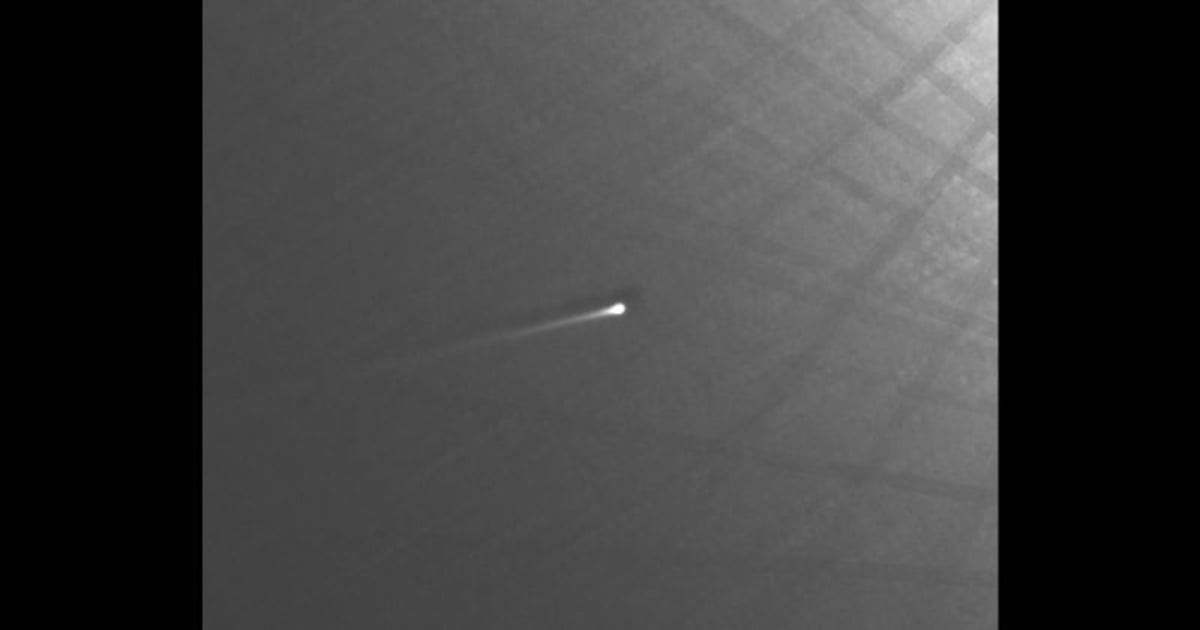
Apart from SOHO and STEREO, NASA’s PUNCH (Polarimeter to Unify the Corona and Heliosphere) mission also watched the comet as it died. PUNCH was designed to study how the Sun’s corona becomes solar wind. This collective monitoring by multiple spacecraft—positioned at different angles—helped form a complete picture of the comet’s trajectory and its disintegration. Observations from this destructive event could reveal more about comets, such as their internal structure and behavior in extreme heat and radiation, as well as conditions in the early solar system where comets first formed.
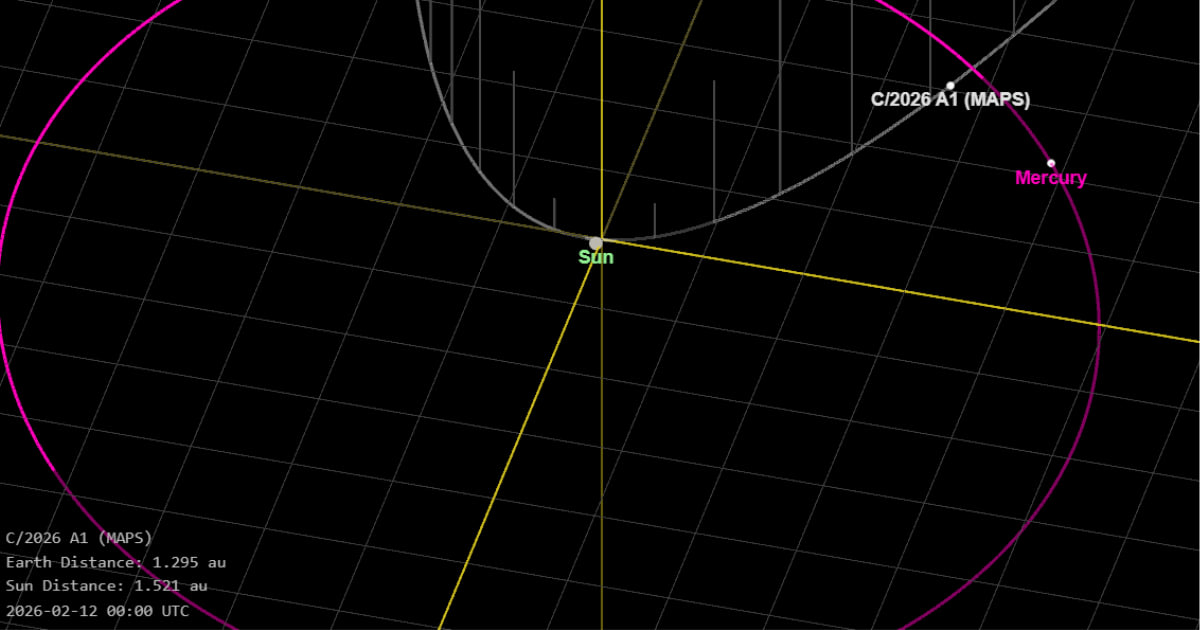
The comet C/2026 A1 (MAPS) was discovered on January 13, 2026, by a telescope in Chile. Its name comes from the MAPS program, led by amateur astronomers Alain Maury, Georges Attard, Daniel Parrott, and Florian Signoret, whose last names’ initials form the acronym. It belonged to the Kreutz family of sungrazing comets, most of which meet a similar end—disintegration by the Sun’s heat. These comets are believed to be fragments of a much larger comet that broke apart centuries ago.
More on Starlust
3I/ATLAS was spewing 70 Olympic swimming pools' worth of water daily when ESA's Juice observed it
3I/ATLAS isn't just older than our solar system—it may be almost as old as the universe itself