Female astronauts at risk of developing stronger blood clots, finds new study
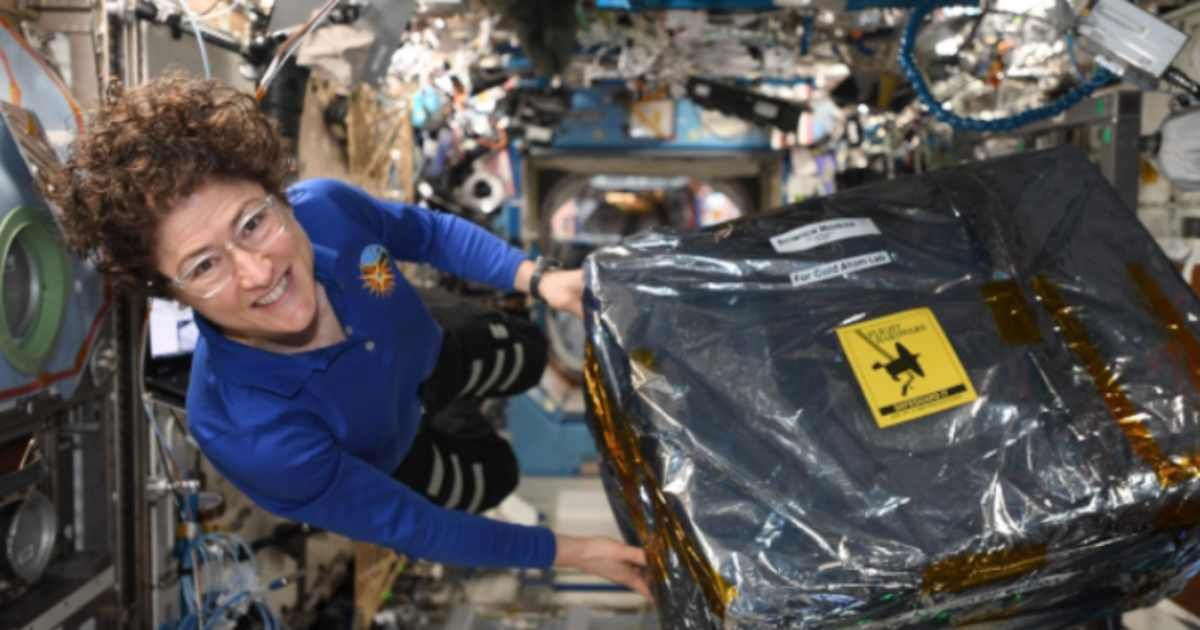
To date, space-health research has been dominated by male participants, resulting in a lack of data regarding the physiological effects of space and its environment on women. A medical risk, reported in 2020 onboard the International Space Station, where a blood clot in the internal jugular vein of a female astronaut was detected, put this issue in the limelight and prompted action. Now, with the number of female astronauts on the rise, a new study, published in Acta Astronautica, has examined the effects of microgravity on blood clotting specifically in women. A collaboration between Simon Fraser University and the European Space Agency, the study is igniting fresh questions about astronaut health monitoring.
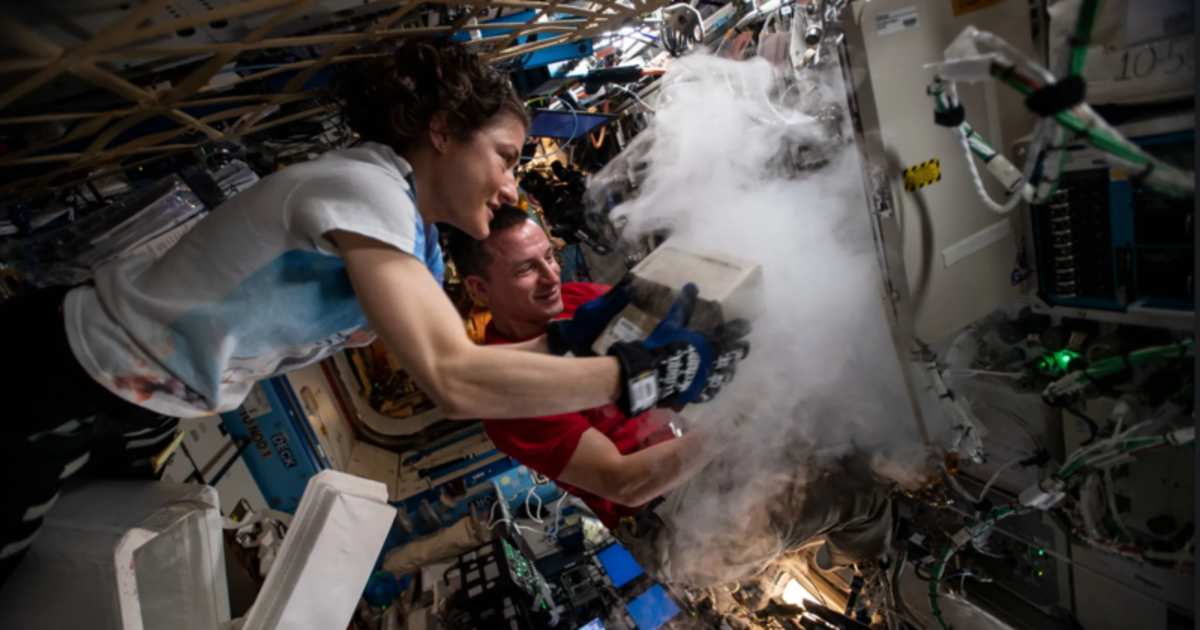
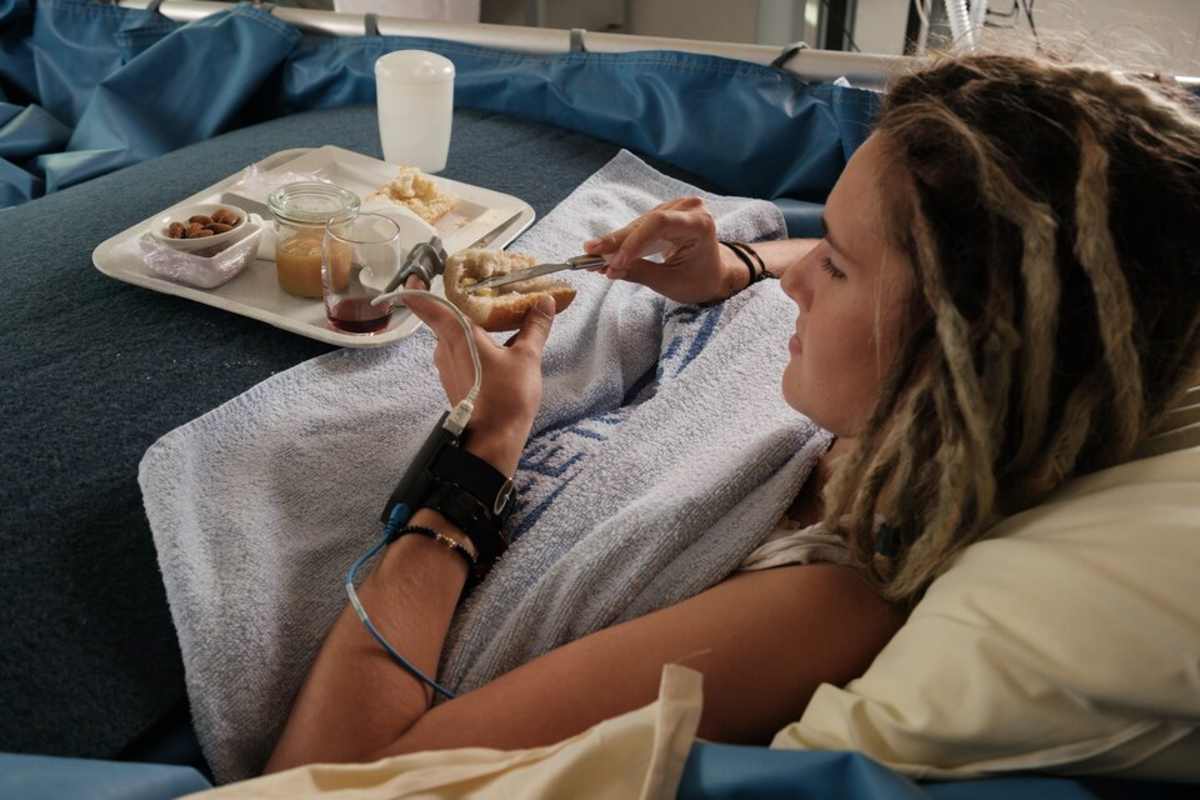
The study placed 18 healthy female participants in a dry immersion tank, a specially designed water bath with a waterproof sheet to keep participants dry while floating. This ESA-sponsored experiment, known as VIVALDI-I, simulated microgravity and recorded the participants' real‑time clotting responses in this environment over five days. The researchers used a diagnostic method called rotational thromboelastometry (ROTEM) to assess the inception and progression of the blood clotting process in the body of the participants. Their blood was also examined for menstrual hormones, but it was confirmed that it does not weigh any influence on blood coagulation.
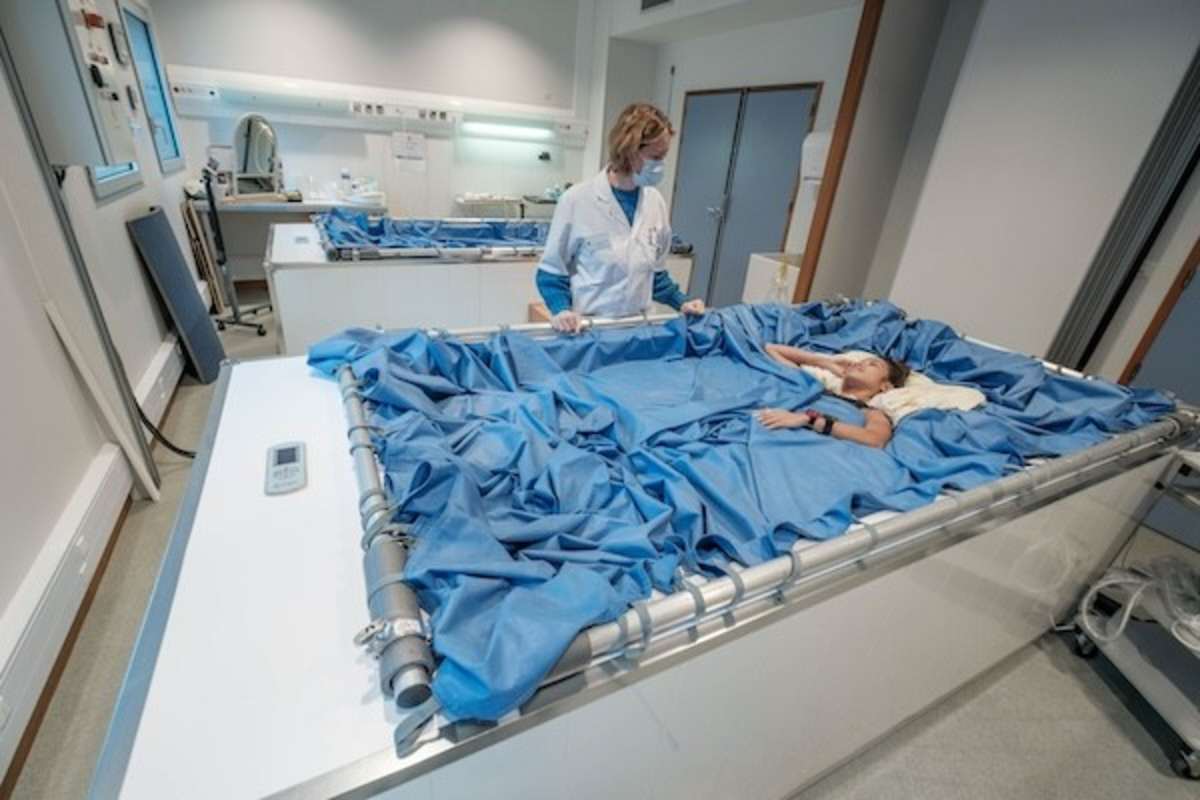
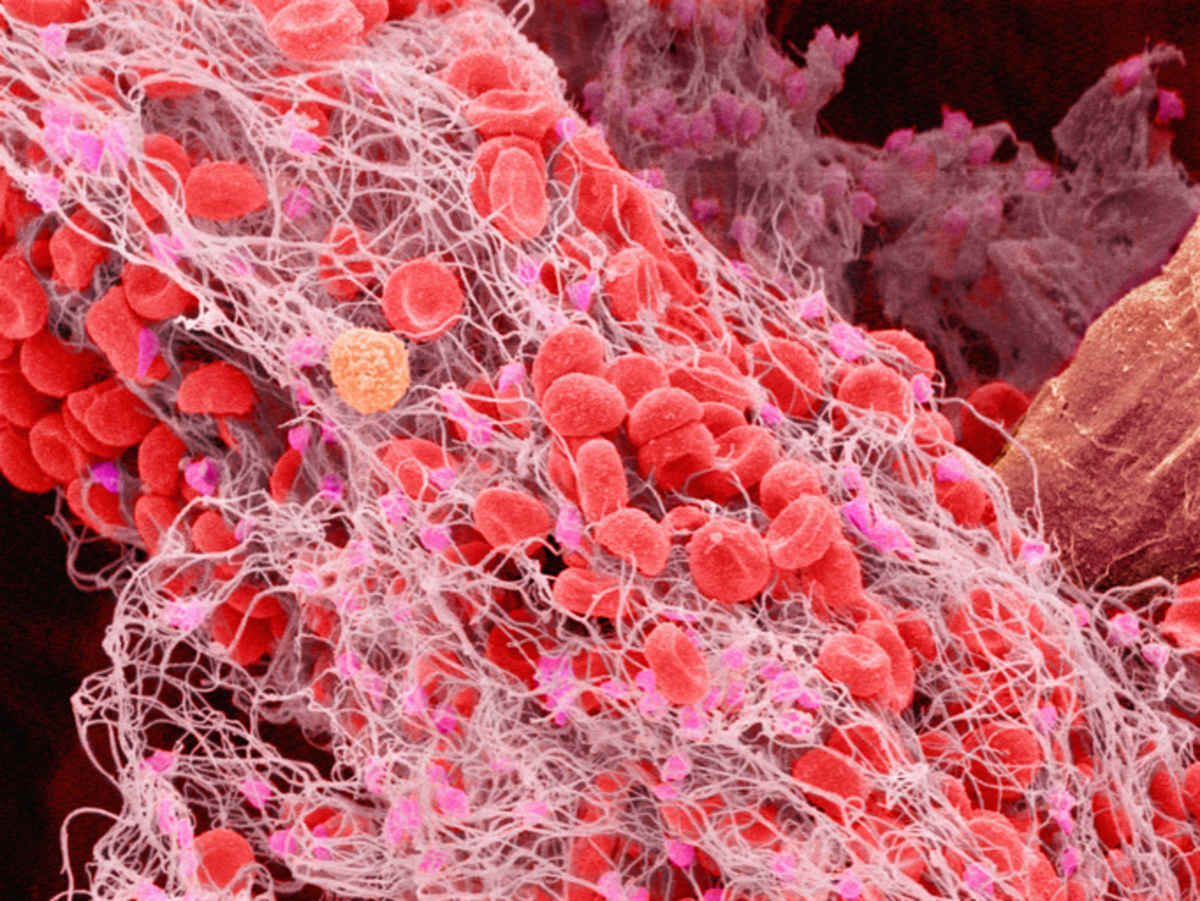
After five days of rigorous testing, the study revealed that the time it took for the blood clots to start forming was longer. However, once the clots began to form, they did so faster and showed greater strength and stability. Andrew Blaber, professor of biomedical physiology and kinesiology and senior author of the study, states that this stability of the clots makes them “harder to break down.” Tiffany Stead, the lead author of the study, says that stronger clots forming fast was not considered a danger in the short term. That being said, it does cause anxiety about the possibility of blood clots forming anytime and anywhere on the body while the astronauts are in space and far from emergency care.
Due to gravity, blood clots on Earth most commonly form in the legs, giving the body enough time to break them down on its own, preventing any further complications. However, in a microgravity environment, blood is pushed upwards toward the head, and in some cases, it might reverse direction, which facilitates clot formations, states Blaber. If blood clots are left untreated, they increase the risk of pulmonary embolism, heart attack, or stroke. “We’ve found that in space, blood clots are more likely to form in the jugular vein. From there, it doesn’t have to travel far to reach lungs or heart, and trigger a serious medical event,” Blaber explains in a statement. “Space is not a place where you want these things to happen.”
Space agencies have already started taking due action. “Now that they know it can happen, they’re looking at it more frequently as part of the standard measures,” Blaber says. Astronaut crews now regularly perform jugular vein ultrasound scans during missions. NASA, for instance, screens crew members for deep vein thrombosis (DVT) and flow anomalies of the internal jugular veins. Blaber's team is now looking into immersion data of male participants so as to enable comprehensive monitoring and countermeasures.
More on Starlust
Long-term space travel significantly deforms the human brain, new study finds
Dangerous solar storms can now be predicted up to two years in advance, thanks to new study