ESA to launch dedicated SpaceX Crew Dragon mission to ISS in early 2028
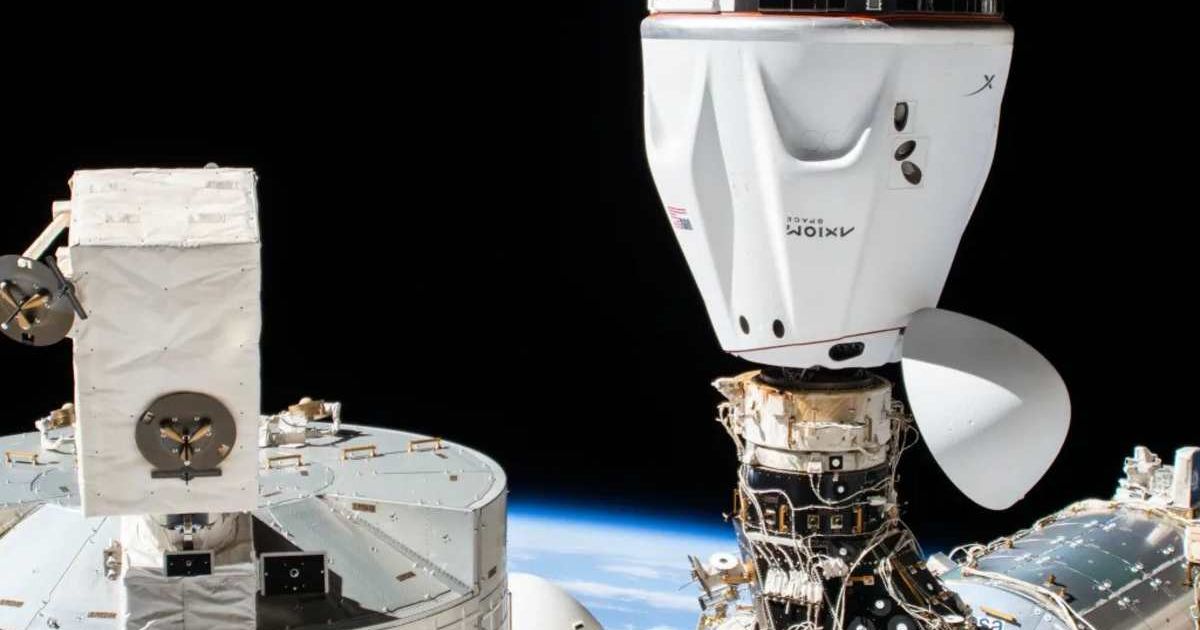
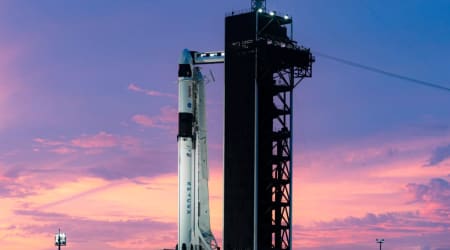
The European Space Agency (ESA), on March 19, announced plans to purchase a SpaceX Crew Dragon mission to fly its astronauts to the International Space Station (ISS) in early 2028, following a decision at an ESA Council meeting in Interlaken, Switzerland. ESA Director General Josef Aschbacher stated that this mission will be part of the new ESA Provided Institutional Crew (EPIC) project, endorsed by member states, that aims to provide more flight opportunities to the European astronaut corps in the final years of the ISS before 2030.
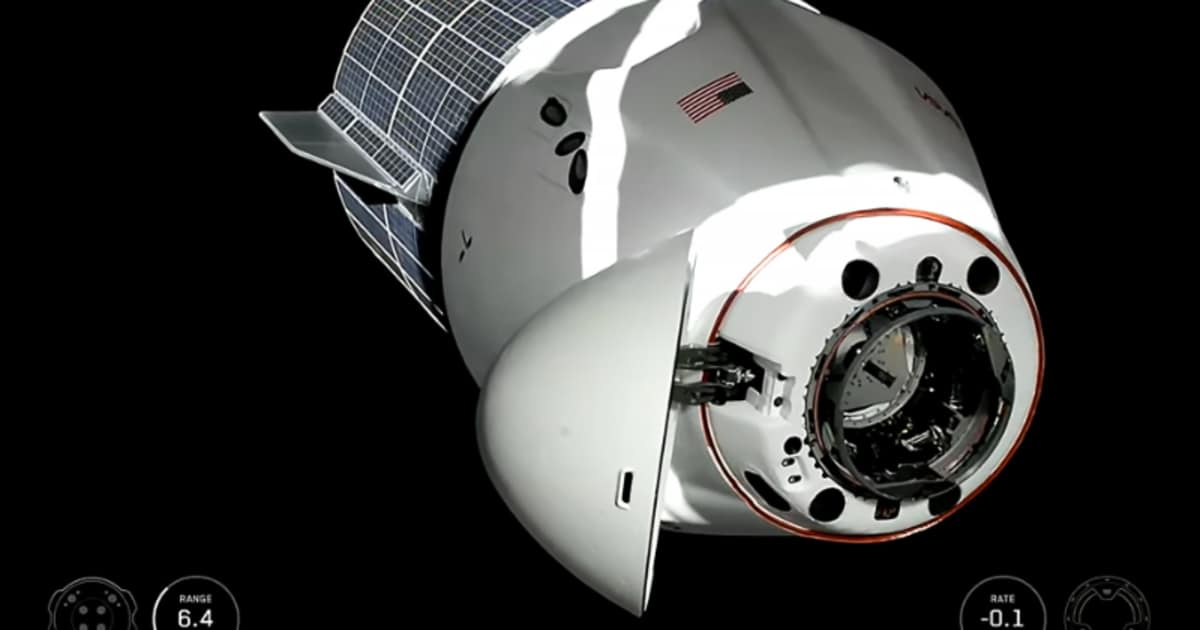
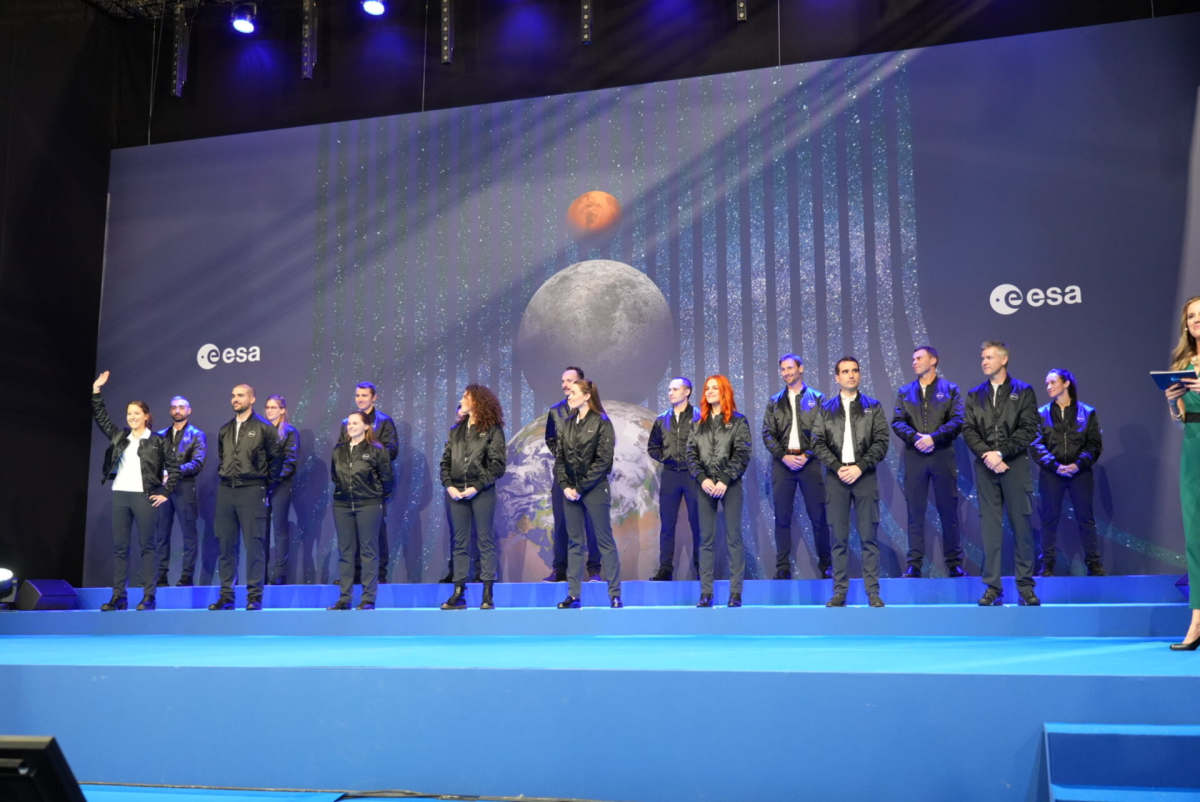
The EPIC project is driven by a vision to provide European astronauts with augmented access to space with dedicated long-duration flights for ISS missions, as reported by SpaceNews. “We have five career astronauts that I intend to fly in the next few years, and EPIC is one way of making sure that these career astronauts can go to the space station, do research and certainly also enlarge our experience and our work on the International Space Station,” Aschbacher said in the press briefing. This group of five career astronauts was unveiled in Paris as part of the space agency's astronaut class 2022, which includes Sophie Adenot, Pablo Álvarez Fernández, Rosemary Coogan, Raphaël Liégeois, and Marco Sieber, as reported by ESA. Following ESA's current barter agreement with NASA, the agency has successfully secured only two long-duration flights for the selected five career astronauts, out of whom Sophie Adenot is currently aboard the space station as part of SpaceX's Crew-12 mission, per European Spaceflight. Raphaël Liégeois is the next one expected to embark on a long-duration ISS mission, but there has been no flight assigned to him yet.
However, the EPIC mission will not strictly include only ESA astronauts, as there will also be a few non-ESA astronauts among its four-person crew. "ESA will buy launch capability for four professional astronauts," Aschbacher said. "We plan to implement this with international partners. That means ESA astronauts plus international partners." The Director clearly stated that the agency will be working in “close cooperation” with NASA, but ESA will be in full charge of leading and operating this mission.

ESA has already flown a few astronauts on short-duration flights to the space station on private missions, like Swedish astronaut Marcus Wandt on Axiom Space’s Ax-3 mission in 2024, and Polish astronaut Sławosz Uznański-Wiśniewski on Axiom's Ax-4 mission to the ISS in 2025. But EPIC will differ from these previous missions in several ways. Daniel Neuenschwander, ESA’s director for human and robotic exploration, explains that the selected EPIC crew will spend around one month in orbit, where they will conduct research, perform various utilization activities on the ISS, and help the long-term crew with maintenance and other logistical operations. He states that the previous private astronaut missions “have a very clear task allocation which is specifically focused on conducting the experiments for which they have trained.” These missions also usually last around two weeks.
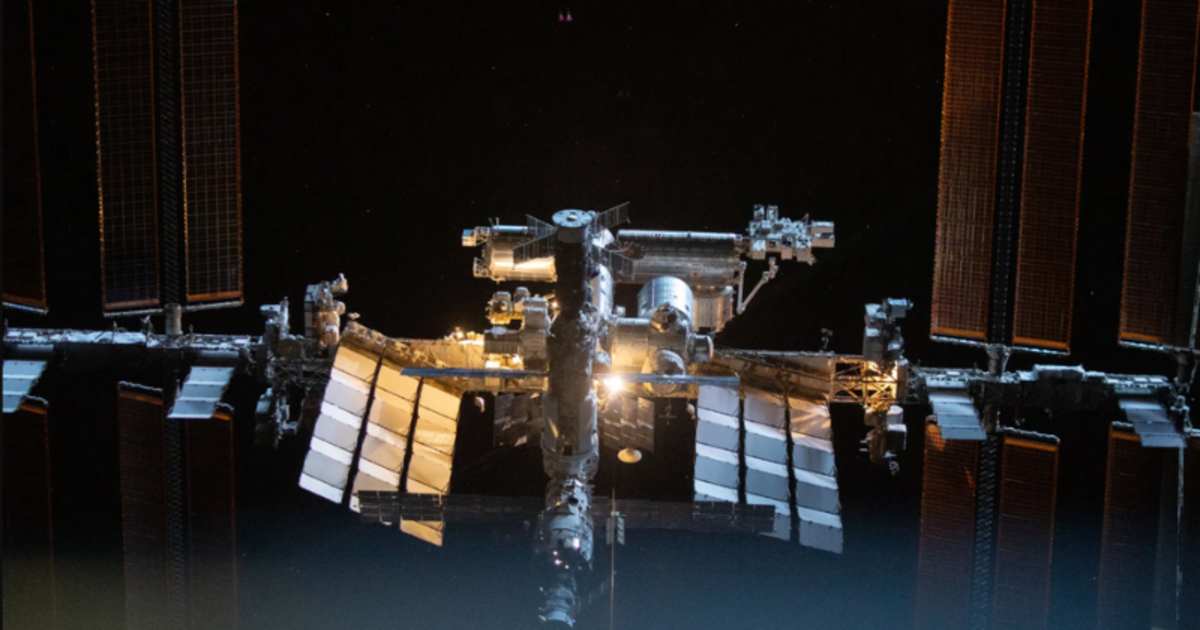
Currently, the ESA has not disclosed any plans for selecting the four-person crew or the anticipated cost of the EPIC mission. By the end of this decade, the ISS will be deorbited, with no specific date announced, by which time, it will have completed 30 years of being permanently occupied. The end of an era has stressed several U.S. senators, as it will create a gap in the U.S. presence in low-Earth orbit. Due to this, they are calling for the extension of the lifetime of the ISS by two years until September 2032 to avoid “ceding leadership to China before commercial stations are ready," as China simultaneously prepares for launching its taikonauts on the Moon before the U.S.
More on Starlust
ESA confirms solar eclipse-generating Proba-3 satellite is 'alive' after a month of silence
ESA’s Hera probe to catch up with Didymos, home to the only asteroid ever deflected by humans