Deep-sea magma oceans may guard life on super-Earths from cosmic rays, new study finds
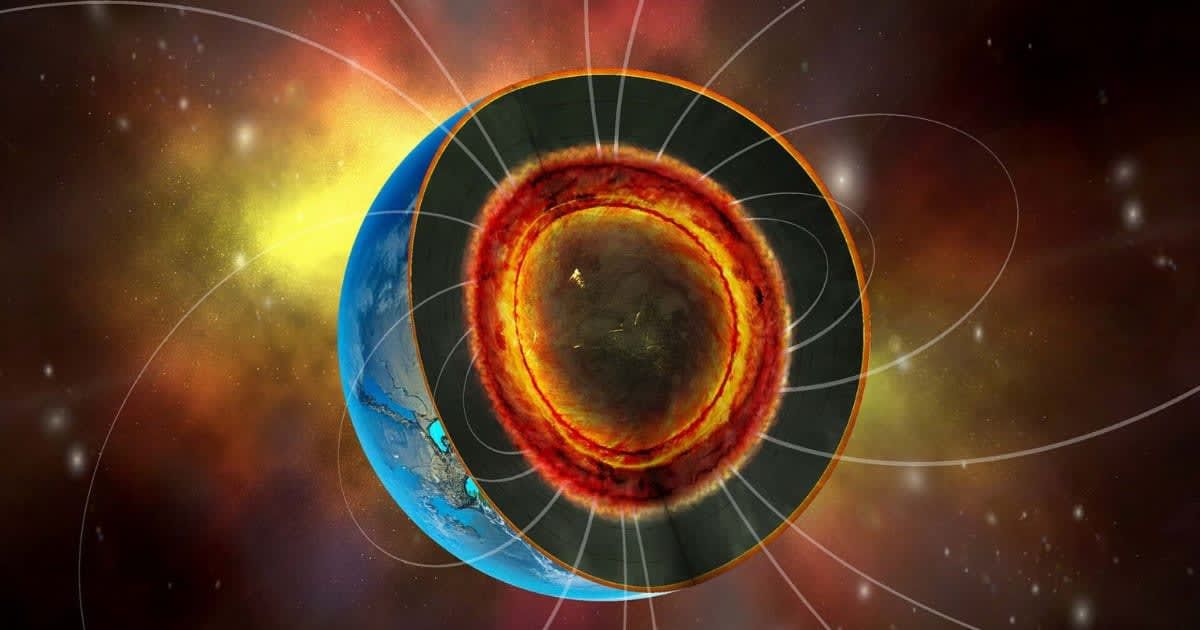
Researchers may have discovered a “hidden defense” that could make distant “super-Earths” friendlier than we think. A new study suggests that oceans of molten rock deep within these distant planets could be responsible for creating a magnetic shield. Our planet needs its liquid iron core to maintain the magnetic field that protects us against solar radiation, but many large rocky planets do not have the same properties. However, a study published in Nature Astronomy suggests that these planets may have a way to circumvent this problem by using a basal magma ocean.
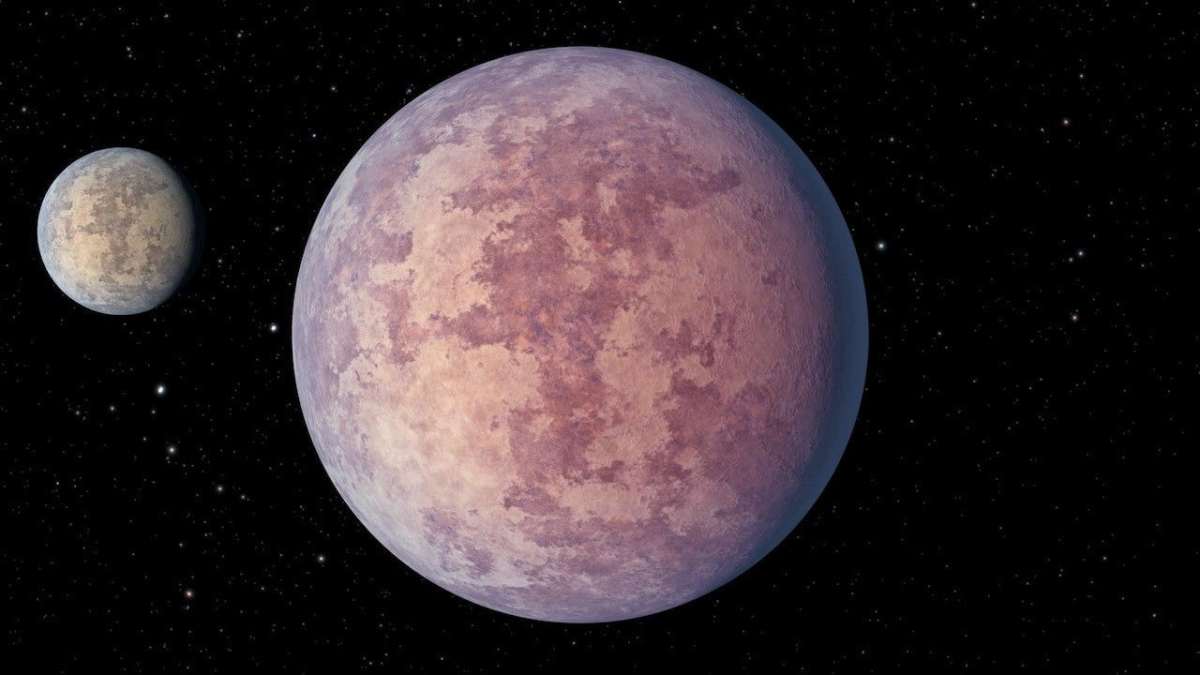
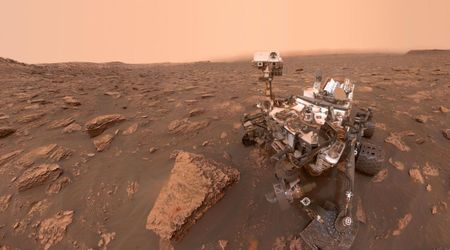
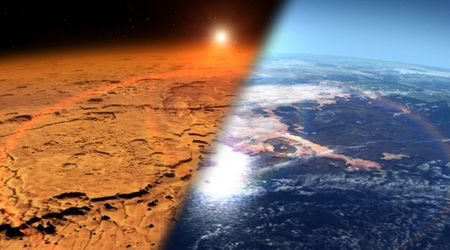
A magnetic field is viewed as a crucial component of life. Without it, high-energy particles from space would destroy the atmosphere and boil away the water. Although Mars and Venus do not have this shield, super-Earths, the most typical planets in the galaxy, could have a significant advantage. “A strong magnetic field is very important for life on a planet, but most of the terrestrial planets in the solar system, such as Venus and Mars, do not have them because their cores don’t have the right physical conditions to generate a magnetic field,” said Miki Nakajima, an associate professor at the University of Rochester, in a statement. “However, super-Earths can produce dynamos in their core and/or magma, which can increase their planetary habitability.”
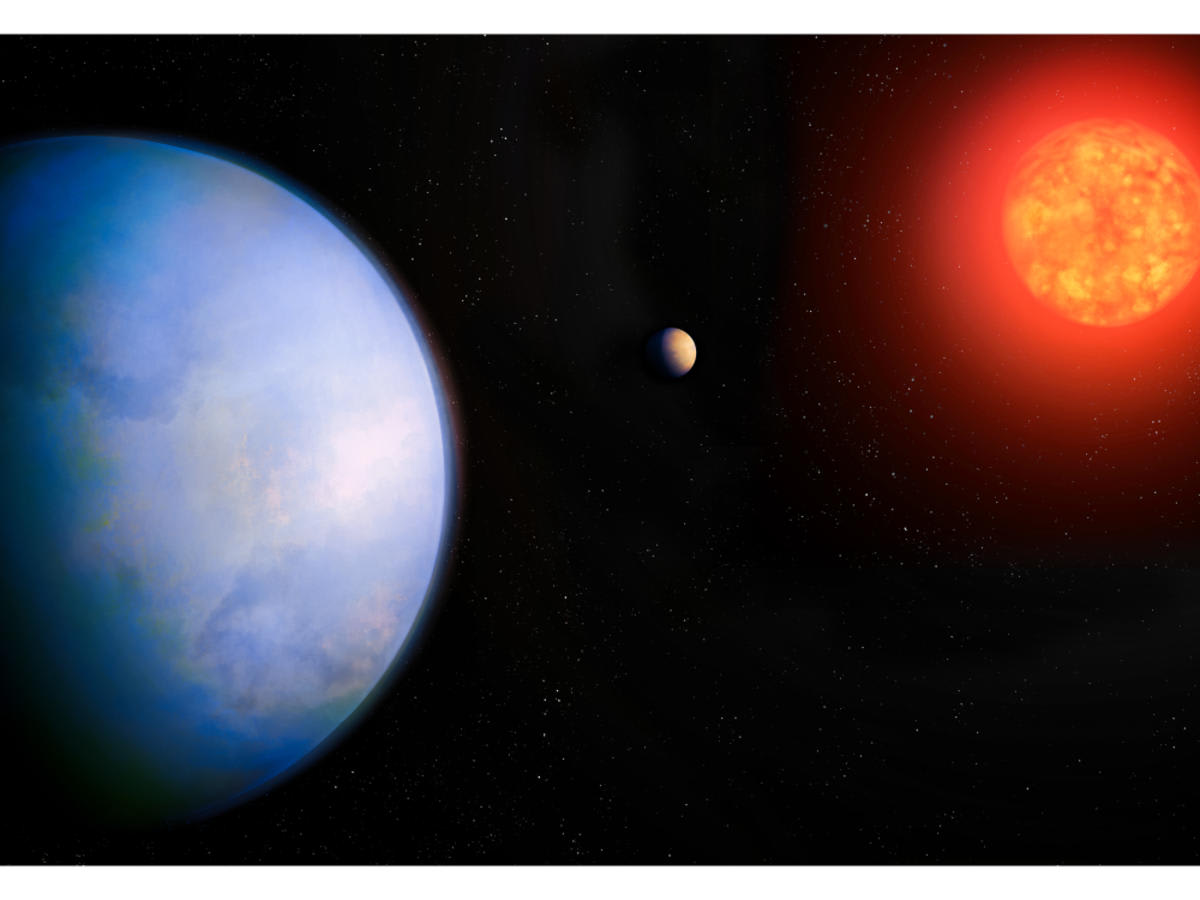
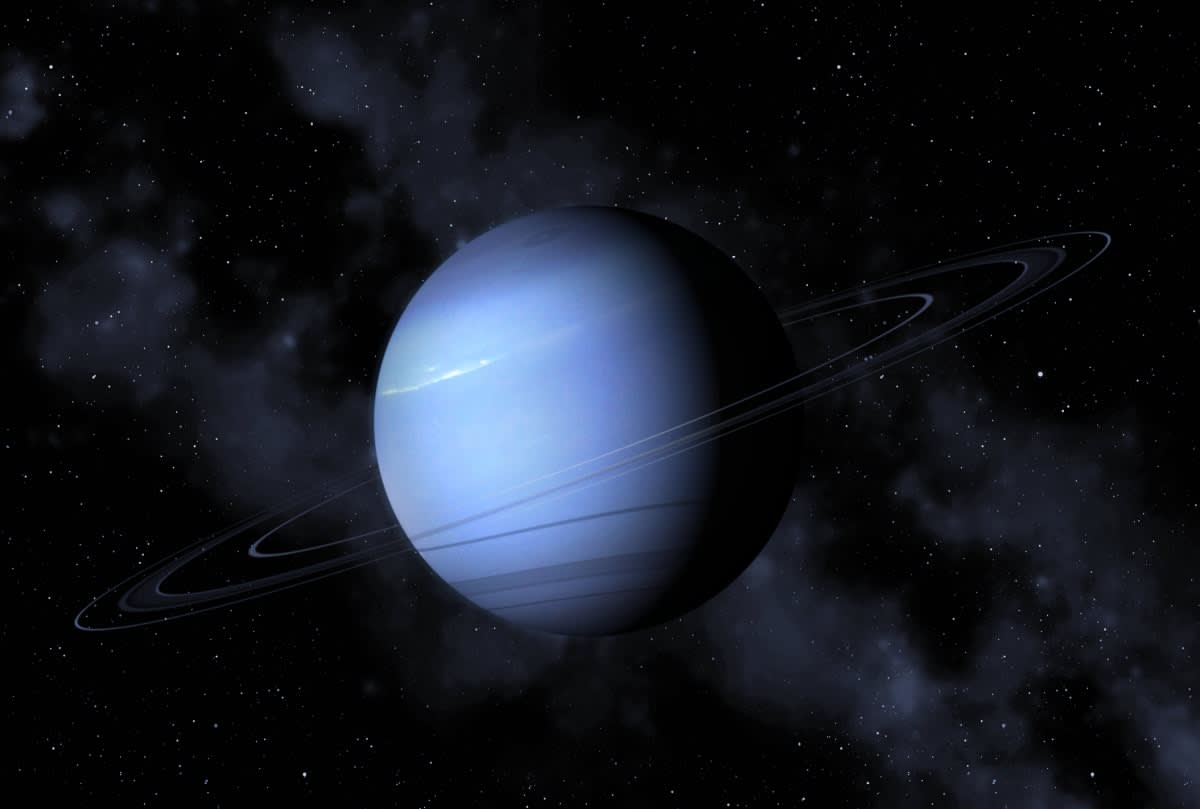
These planets lie between Earth and the ice giants, such as Neptune, in terms of size. This means they have enough mass to be subjected to extreme pressure, which keeps the magma in their cores liquid for billions of years. To better understand the behavior of these thick layers of magma, Nakajima and her colleagues conducted laser shock experiments at the University of Rochester's Laboratory for Laser Energetics to simulate the extreme pressures on massive exoplanets.
By combining the results with computer simulations and planetary evolution models, they observed how rock behaves when subjected to conditions similar to those expected in a basal magma ocean. They discovered that, under such pressures, molten rock is electrically conductive. This property enables the convecting magma to act as a dynamo, creating a stable magnetic field that can last billions of years. This research identifies planets three to six times as massive as Earth as the best candidates for such magma shields, and in certain cases, these magma dynamos could be stronger than Earth’s magnetic field.
Regarding the interdisciplinary endeavor, Nakajima remarked, "This work was exciting and challenging, given that my background is primarily computational and this was my first experimental work." "I’m very grateful for the support from my collaborators from various research fields to conduct this interdisciplinary work. I cannot wait for future magnetic field observations of exoplanets to test our hypothesis," she added.
More on Starlust
Astronomers witness rocky planet like Earth being born around a baby star for the first time