Camelopardalid meteor shower 2025: When and how to see it this week
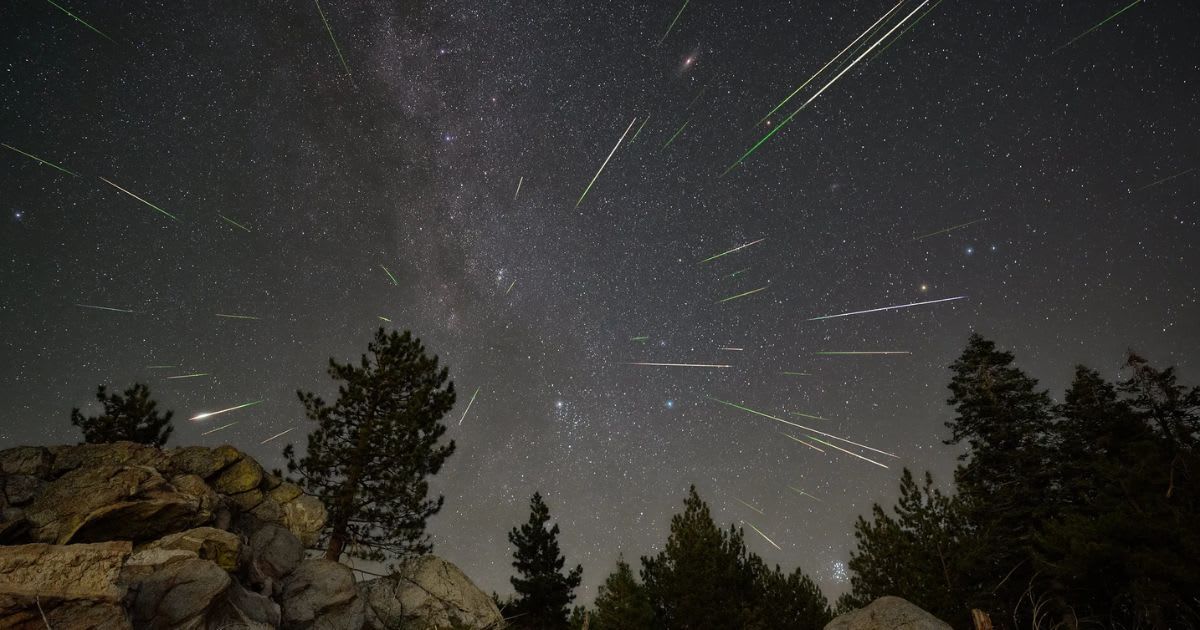
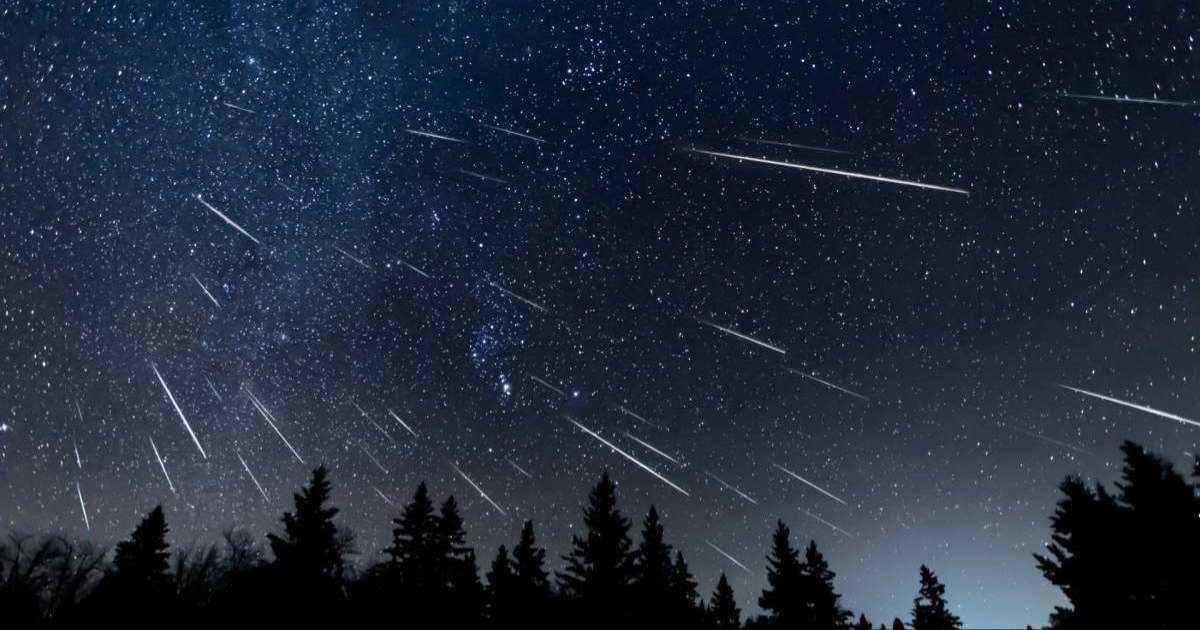
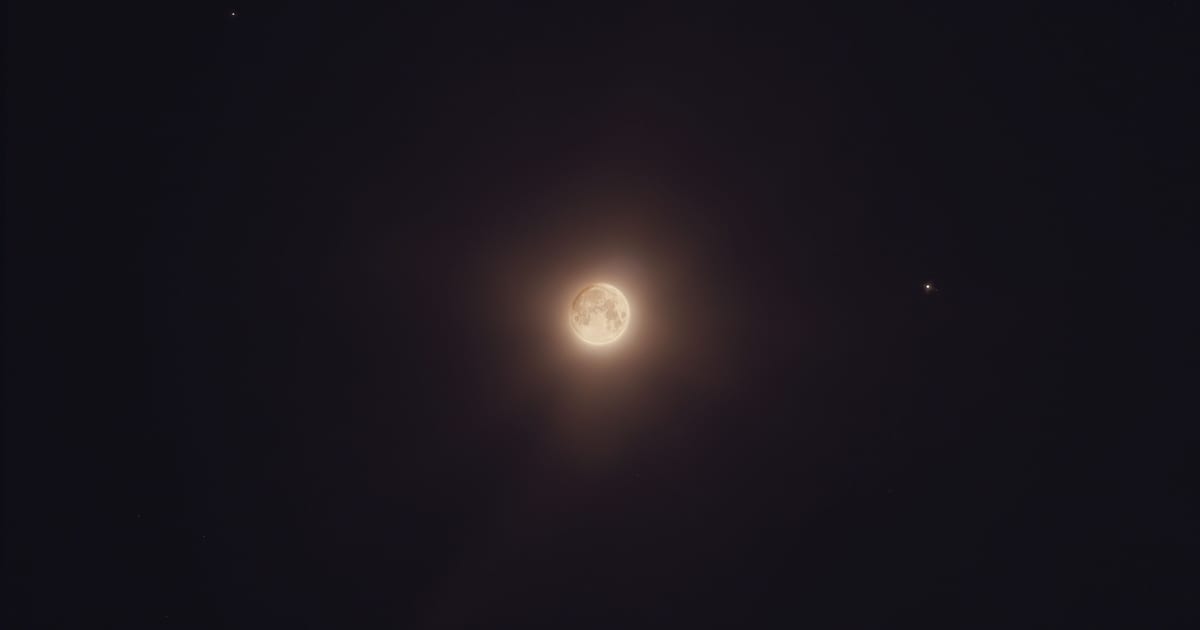
Stargazers hoping to catch a glimpse of the October Camelopardalid meteor shower this week will face significant observational challenges. The annual event, which is active from October 5-6, is set to peak on October 5, but the nearly full Moon’s 98% illumination will severely hinder visibility, as per Star Walk.
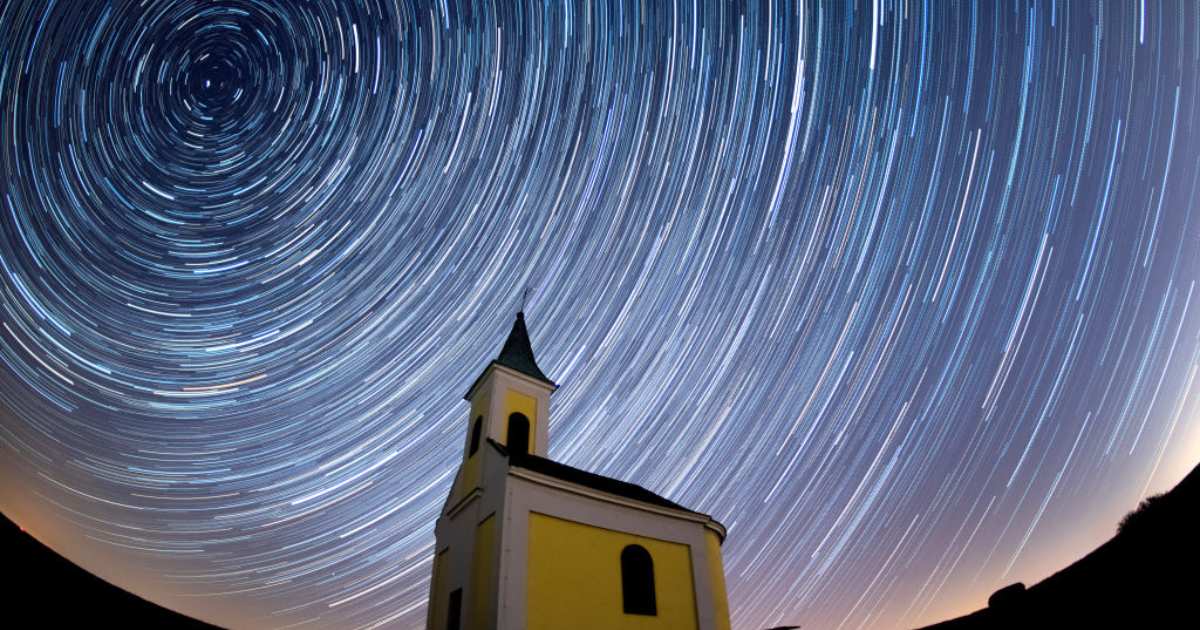
Experts project a meager peak rate of approximately five meteors per hour as bright moonlight is expected to wash out all but the most luminous streaks. For those in the Northern Hemisphere, the meteor shower’s radiant, located in the constellation Camelopardalis, will remain visible throughout the night, offering a limited viewing opportunity despite the poor conditions.
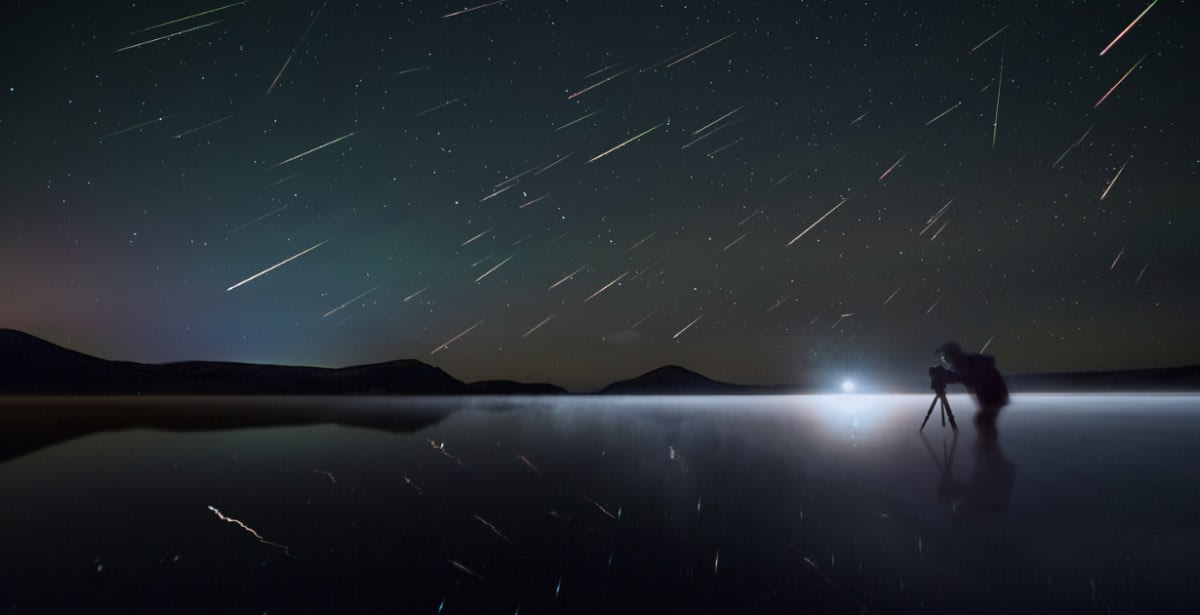
The origin of the October Camelopardalids remains an astronomical mystery. While their orbital path suggests a link to a Halley-type long-period comet, the specific parent body has yet to be identified. Astronomers speculate that the source comet is either undiscovered or has already fragmented or collided with another object in space.

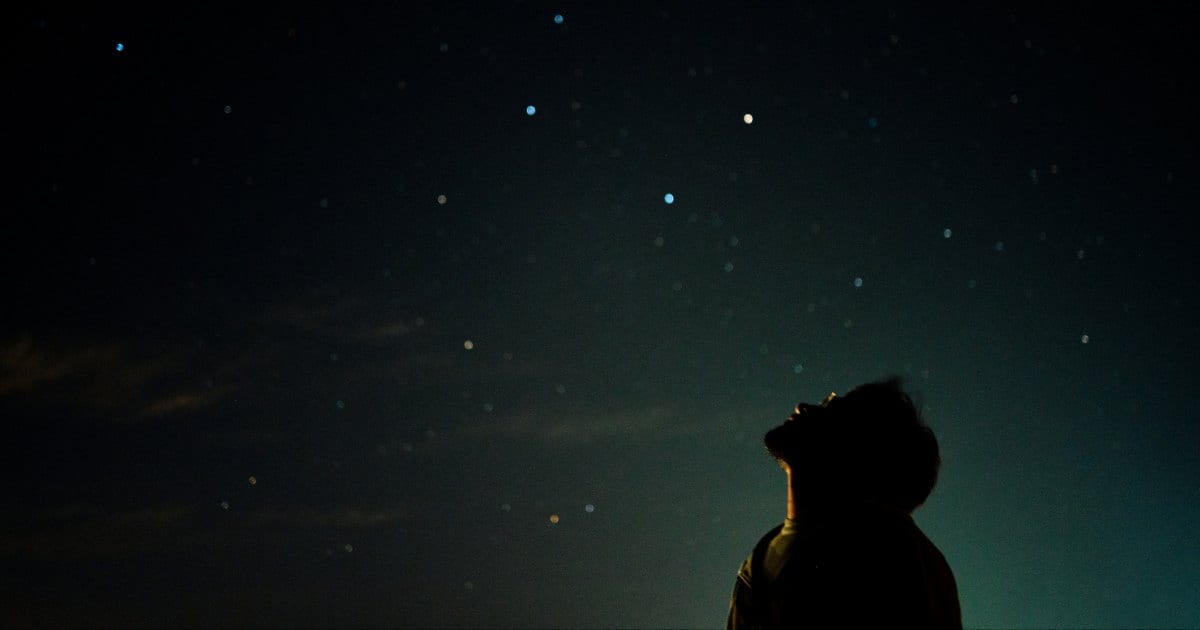
Successful observation of the October Camelopardalids will be a demanding endeavor, even for seasoned skywatchers. According to COSMOBC, unlike more prolific events, these meteors are exceptionally faint and sparse, making viewing conditions critical. The single greatest factor in seeing these subtle streaks is escaping local light pollution. City and suburban lighting will completely obscure all but the brightest meteors. Observers are strongly encouraged to locate and travel to a dedicated dark sky site, such as a remote park or public land. Higher elevations and open vistas are preferable to maximize the field of view. Resources like darksky.org can help identify the nearest prime stargazing spots.
Once on location, patience is non-negotiable. Plan to stay for a significant period and ensure comfort by bringing a reclining chair, dressing in warm layers, and packing snacks or a thermos. Crucially, allow your eyes a minimum of 20–30 minutes to fully adjust to the darkness. Even a momentary glance at a phone screen or a bright light source will compromise your night vision. Using a red-filtered flashlight is advised to maintain dark adaptation. In addition to the moon's brightness and the shower’s inherent faintness, observers must contend with atmospheric conditions. Humidity, haze, or air pollution can scatter ground lights and further blur the faint meteors. Even on clear nights, success is not guaranteed, requiring observers to be nimble and consult the most favorable weather forecasts for their chosen viewing window.
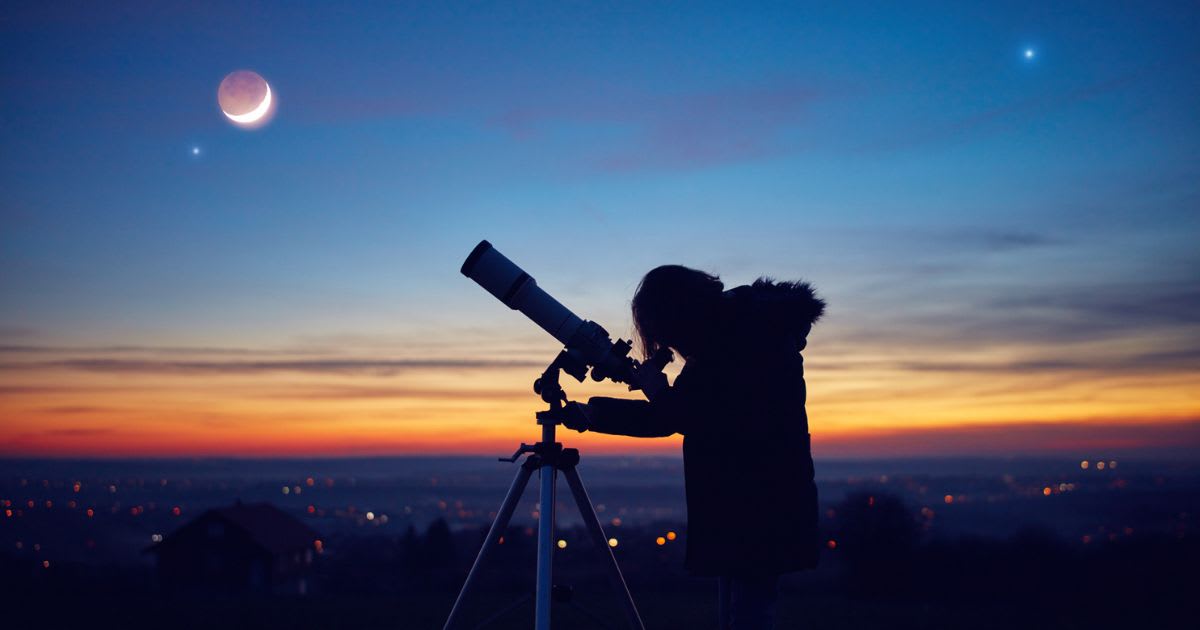
What defines this shower is its notorious variability. In most years, observers report seeing only a handful of meteors, a performance described as weak and dim. However, the shower has a history of catching astronomers off guard with brief, concentrated episodes of unexpectedly higher activity, leading to its classification as a variable meteor shower. When experts use the term "elusive," they refer directly to this unpredictable, weak performance and the extremely short duration of its peak. This combination of faint meteors, a quick peak, and interfering factors like moonlight and ground pollution makes the October Camelopardalids a true test of a stargazer's dedication.
More on Starlust
October 2025 skywatching guide: Harvest Supermoon, Draconid meteor shower and more
Daytime Sextantids meteor shower peaks September 27—but can you spot it with the naked eye?