Aurora alert: Northern lights could appear in nearly a dozen states, including Washington and Minnesota on October 1
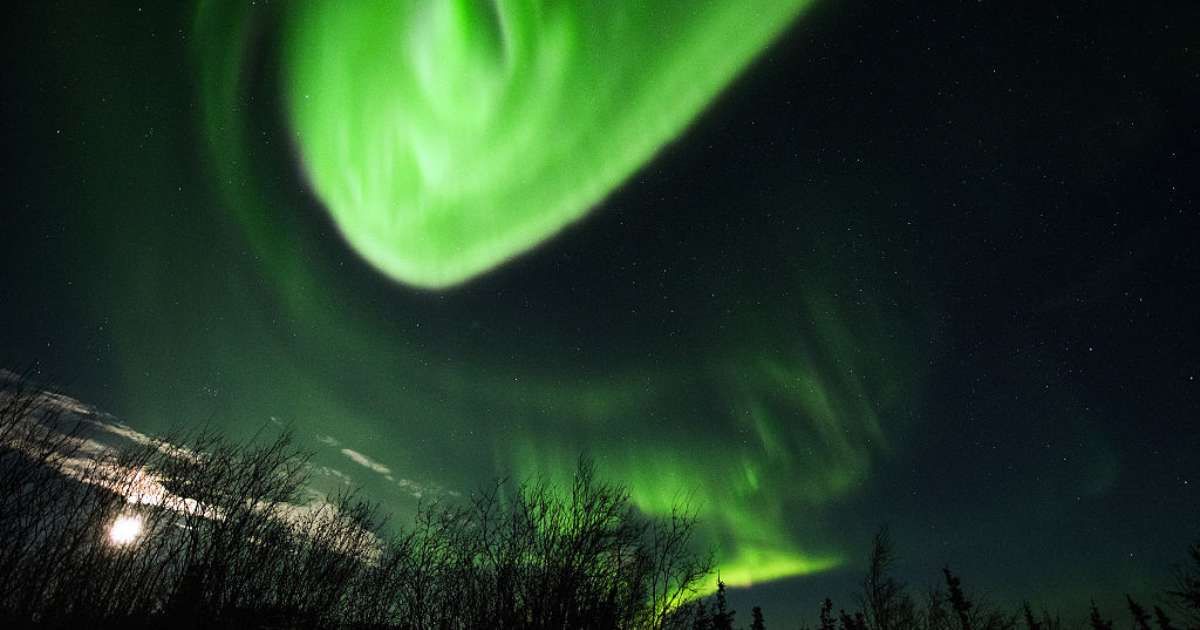
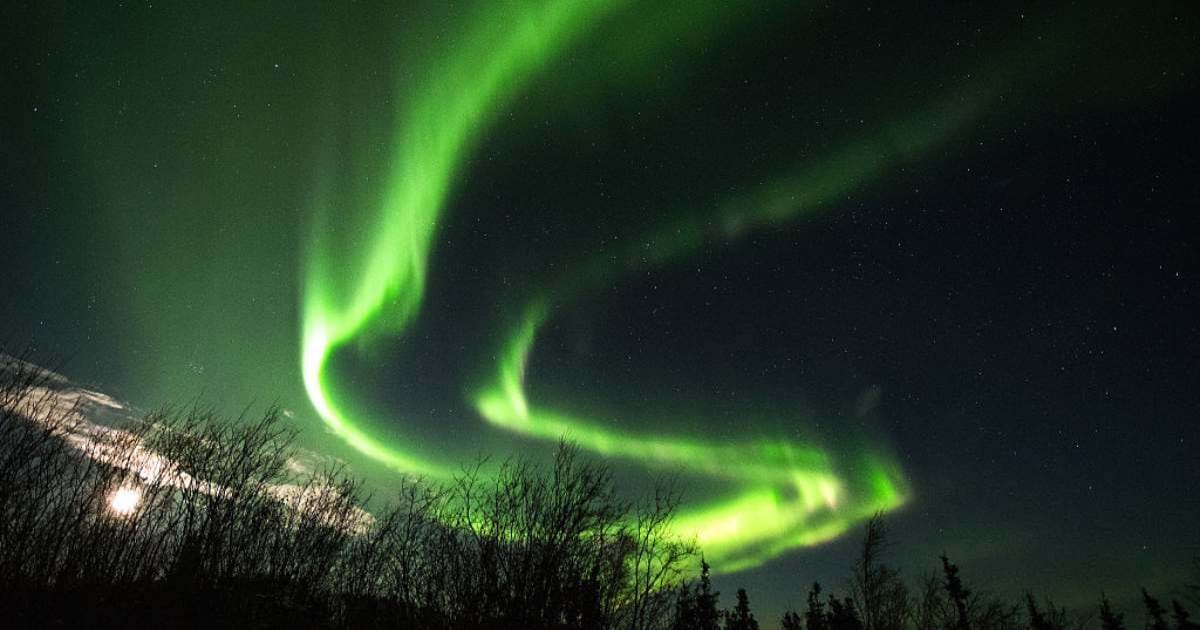
The highly anticipated Aurora Borealis is set to offer widespread visibility tonight on October 1 across the northern United States, though observers are advised to catch the display immediately as geomagnetic activity is projected to drop sharply tomorrow, as mentioned on the Space Weather Prediction Center site.
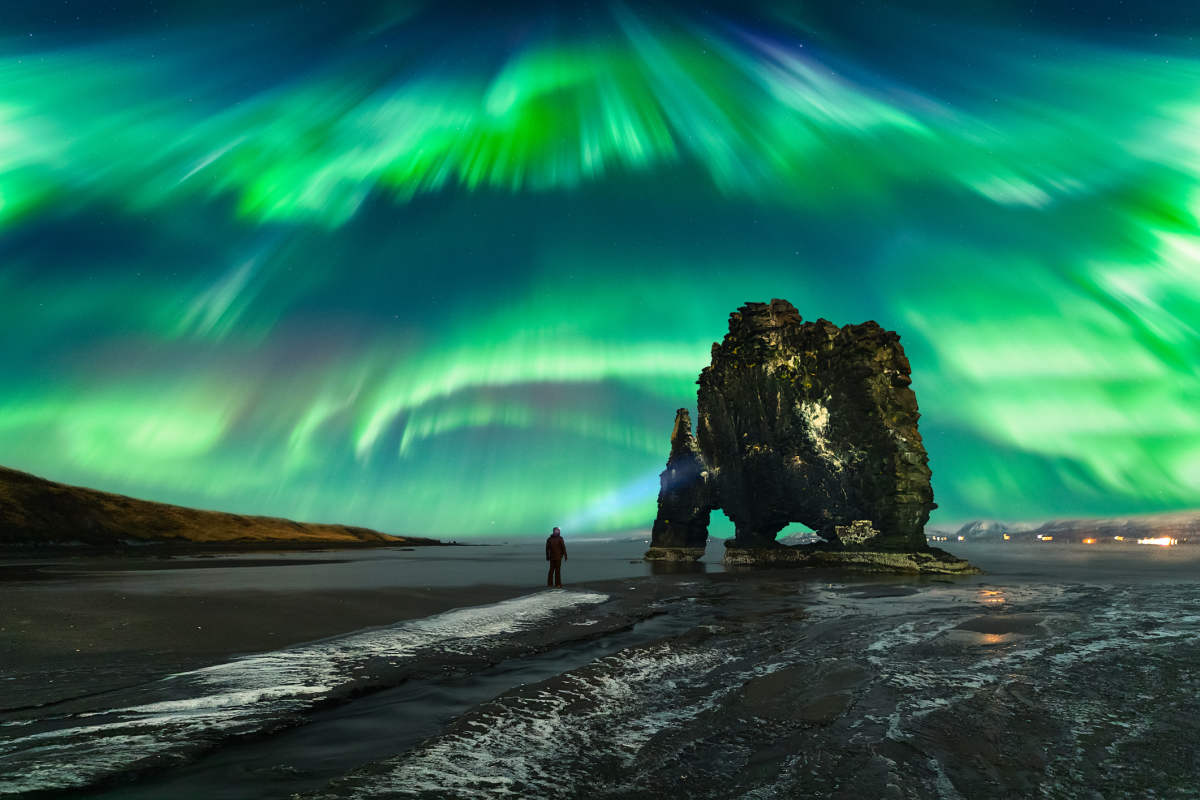
Tonight (October 1): High visibility (Kp-index 5)
Tonight's forecast calls for a Kp-index of 5, signaling strong geomagnetic activity that will push the visible boundary of the Northern Lights significantly southward. Sightings are expected to be likely across a wide band of states, particularly along the northern horizon. The core viewing area includes the Pacific Northwest, Mountain West, and Upper Midwest, specifically: Washington, Oregon, Idaho, Montana, Wyoming, North Dakota, South Dakota, Minnesota, Wisconsin, and Michigan.
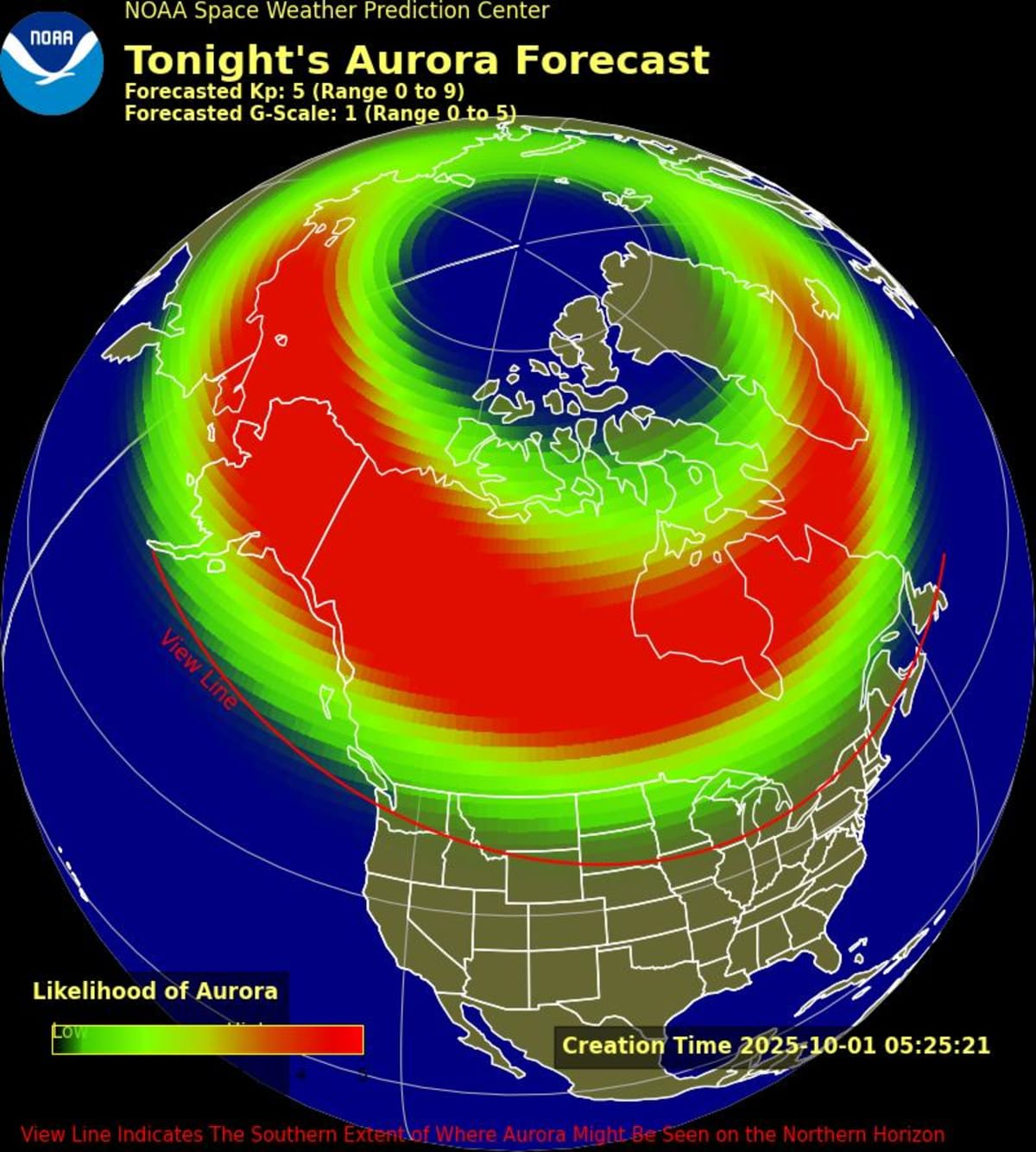
The display is also projected to reach the Northeast, providing a viewing opportunity for residents in New York, Vermont, New Hampshire, and Maine. Furthermore, a chance for a faint glimpse exists in the northern sections of Pennsylvania, Ohio, Indiana, Illinois, and Iowa.
Tomorrow night (October 2): Low visibility (Kp-index 3)
Visibility is expected to be severely curtailed tomorrow night as the Kp-index falls to 3. This weaker activity will confine the auroral display much further north, limiting sightings to the closest border states. The chances for visibility will be restricted primarily to the northern edges of Washington, Idaho, Montana, North Dakota, Minnesota, Wisconsin, Michigan, New York, Vermont, New Hampshire, and Maine.
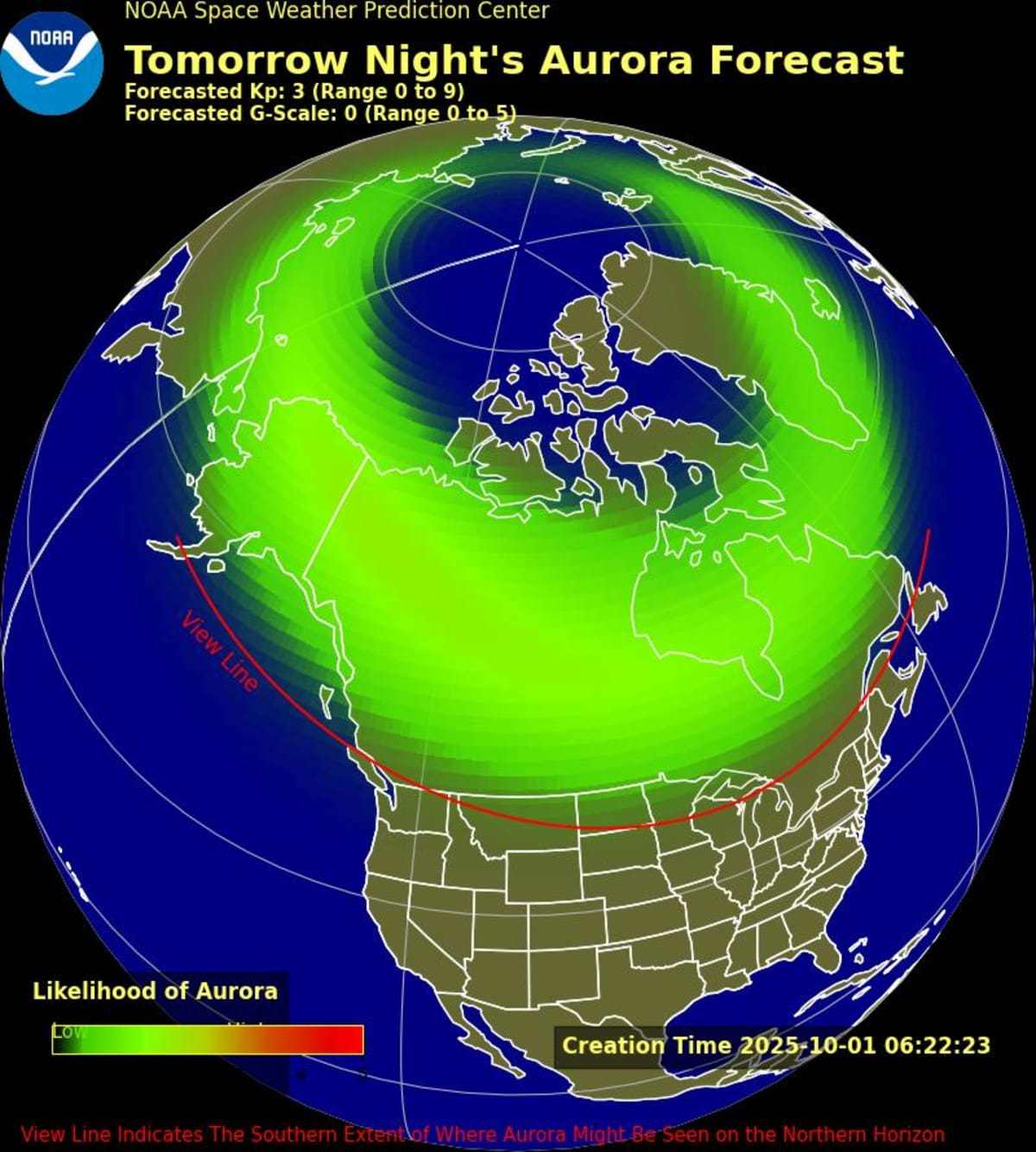
The display on the second night is expected to be much fainter and significantly less widespread than tonight's forecast, requiring optimal viewing conditions and clear northern horizons in only those select areas.

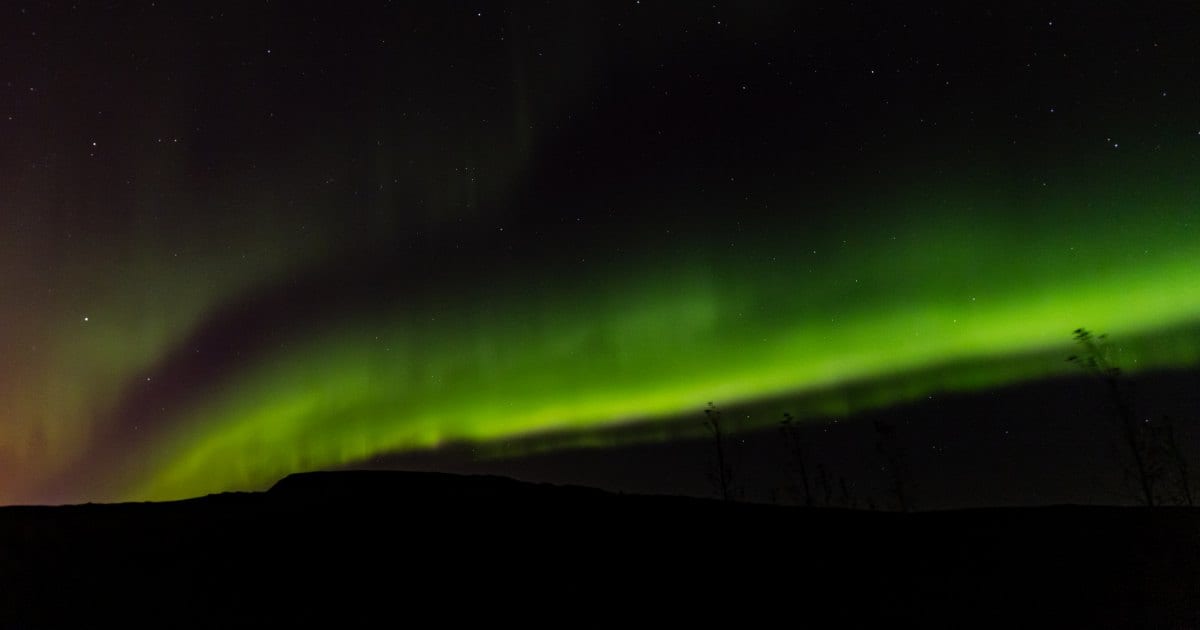
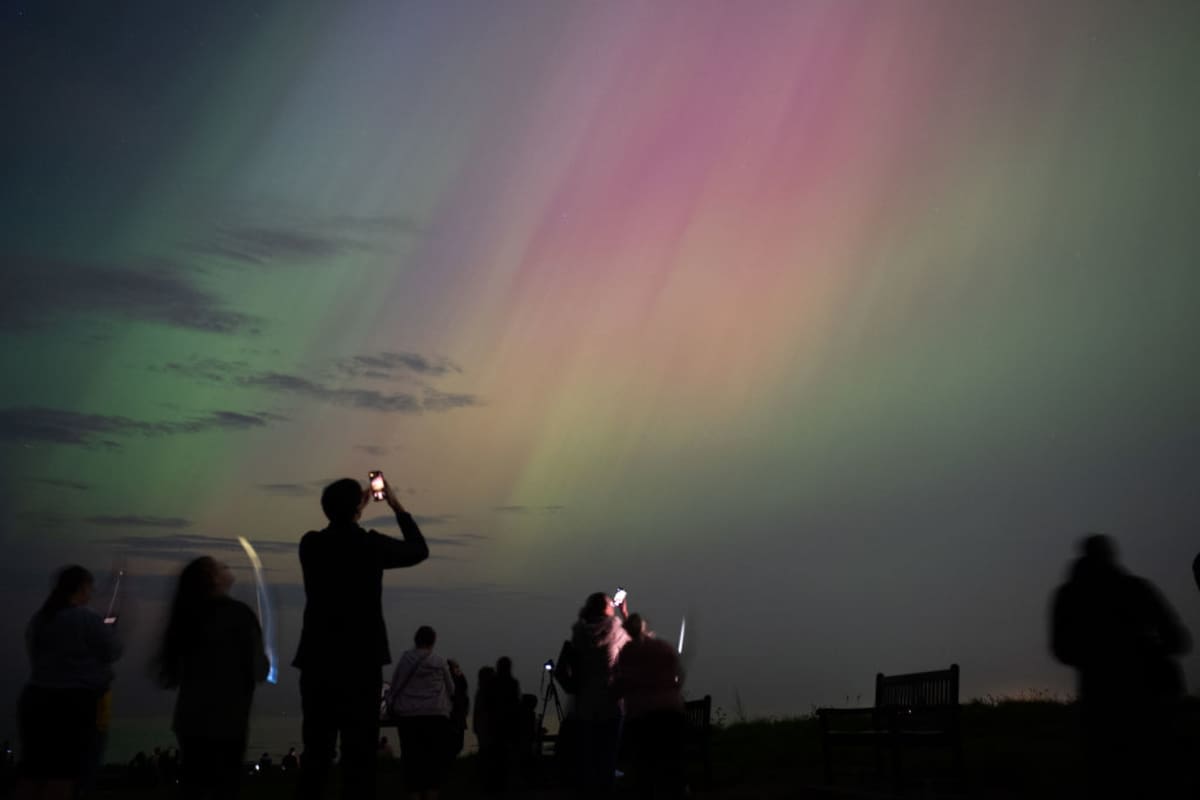
Across X (formerly Twitter) on September 30, the sheer beauty of the Aurora Borealis was perfectly documented by some talented users, showcasing the power of the geomagnetic event. Photographers Havoc DrayK, Tiffany, Brian Hutton, and Sammy each beautifully captured the celestial spectacle, sharing images that highlighted the aurora's vibrant, swirling ribbons of green and pink light stretching across the night sky. Their collective posts provided a stunning visual record of the night, confirming the widespread reach and intensity of the Northern Lights display for users around the globe.
I slept through the last 2 nights of the aurora, so I made sure that I didn’t miss out tonight. The moon washed things out a bit, but I’m happy to see the auroras again.
— sammy (@SammyWxNY) October 1, 2025
📸 Hamlin, NY 10:25pm pic.twitter.com/k99Bcobfd5
The Northern Lights are breathtaking tonight. pic.twitter.com/nhMd2DlM8o
— Brian Hutton (@briandjhutton) October 1, 2025
The Northern Lights are ripping this morning. pic.twitter.com/jn1SbPsDwf
— Tiffany (@Tiffany94528252) October 1, 2025
The aurora borealis (northern lights) and aurora australis (southern lights) are not just beautiful; they are a visual spectacle of a complex interaction between the Sun and Earth's magnetic field, per NASA. This cosmic ballet, often referred to as "space weather," begins with the solar wind, a continuous stream of charged particles from the Sun. When this wind reaches Earth, it's typically deflected by our planet's magnetic shield. However, during a geomagnetic storm, some of that energy is captured and eventually released, causing particles to rain down into our upper atmosphere and create the aurora.
The vibrant, dancing colors of the aurora are the result of these energetic particles exciting gas atoms and molecules in the atmosphere. The color you see depends on the type of gas being hit and its altitude. The most common colors are produced by oxygen. Green auroras are typically seen at altitudes between 60 to 120 miles (100-200 km), while red hues appear higher up, above 120 miles (200 km).
More on Starlust
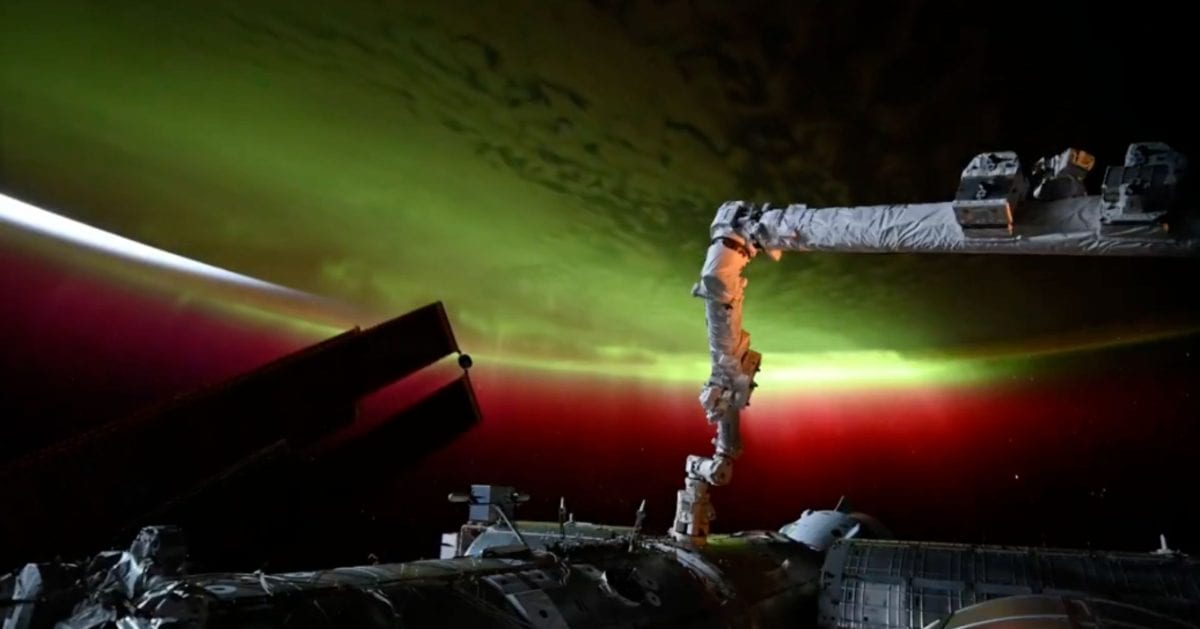
NASA astronauts share stunning video of Northern Lights dancing over Earth from the space station
A G2-level geomagnetic storm helped skywatchers catch Northern Lights further south than usual