Asteroid the size of a skyscraper set for a close approach to Earth this month—should we be worried?
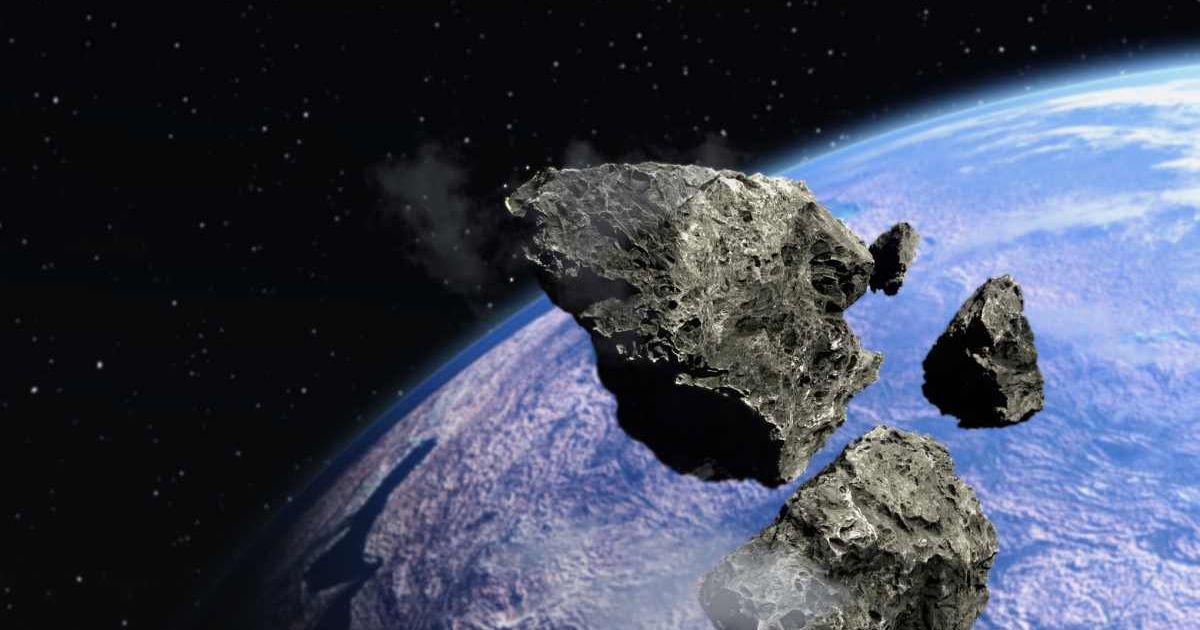
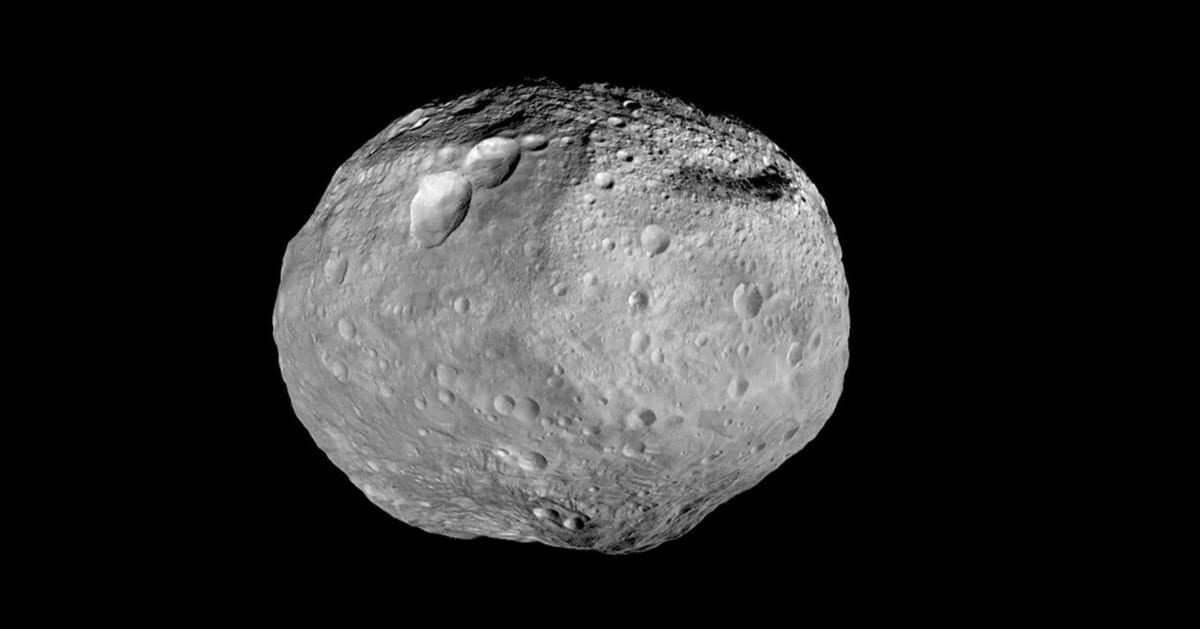
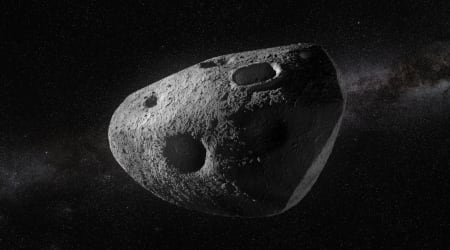
An asteroid estimated to be a few hundred meters in diameter is predicted to make a close approach to Earth this month, according to data from the Solar System Dynamics group at NASA's Jet Propulsion Laboratory. The Near-Earth Asteroid (NEA), designated 2020 FA5, is predicted to pass near our planet four times over the next 11 years. The asteroid follows a highly elliptical (stretched-out) orbit, taking approximately 2.65 years (967 days) to circle the Sun. Its path swings from a closest point of 0.38 Astronomical Units (au) to the Sun to a farthest point of 3.447 au.
The data details four specific close passages to Earth, with one occurring later this month. On October 26, 2025, the nominal closest approach in this forecast is at a distance of 0.04032 au, which is approximately 6 million kilometers (3.7 million miles). At this time, the asteroid will be traveling at a relative speed of about 26.54 kilometers per second (km/s). The smallest possible distance is calculated to be 0.00987 au (about 1.48 million km). Because the asteroid has a value of -4.16 on the Palermo Scale, it is not considered a significant risk to Earth and the likelihood of a collision is zero. About 2020 FA5's future approach to our planet, on March 21, 2028, it will be a more distant passage, with a nominal distance of 0.24712 au. The farthest passage in this set, with a nominal distance of 0.34635 au, will be on October 10, 2033. Finally, the March 06, 2036 approach will occur at a nominal distance of 0.11717 au and at the highest relative speed in the list, nearly 30 km/s.
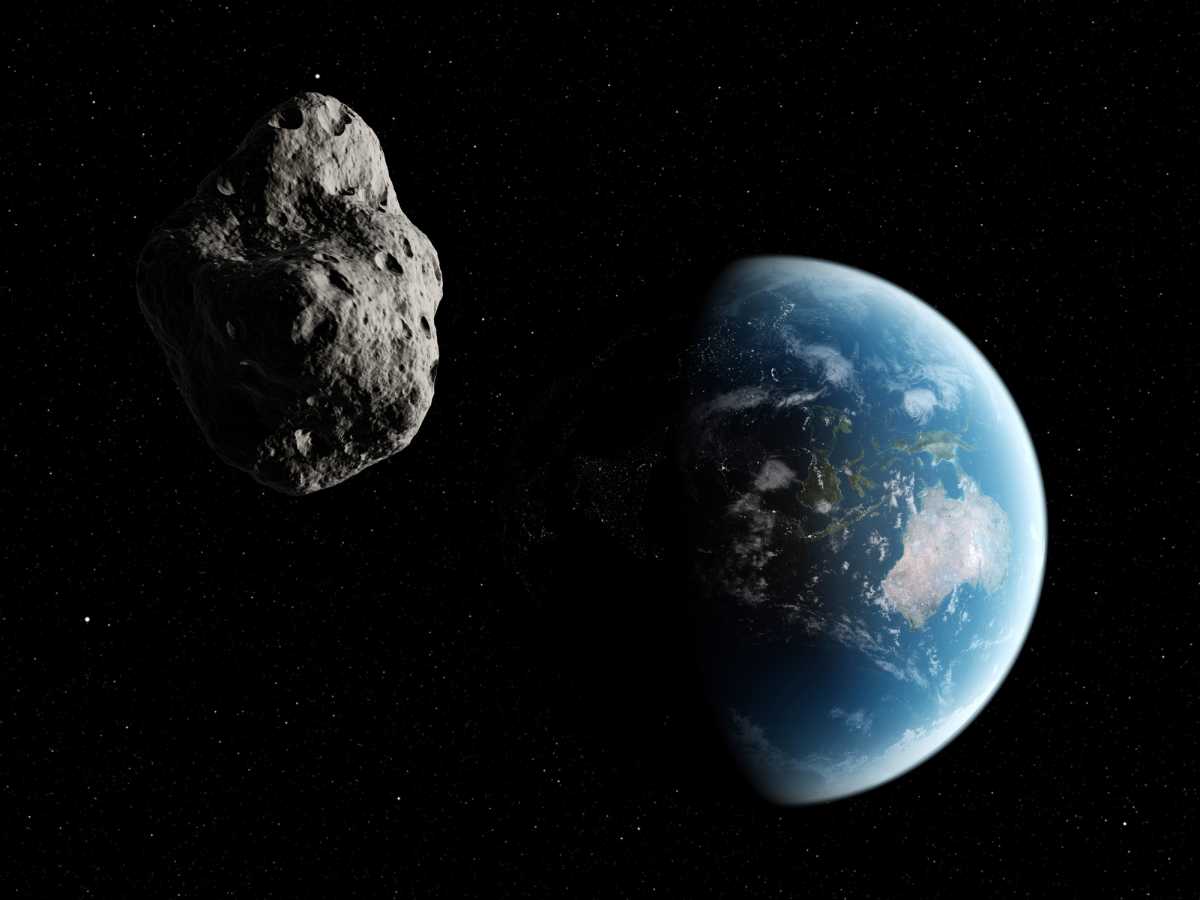
The close approach distances are measured in Astronomical Units (au), where 1 au is the average Earth-Sun distance (about 150 million km or 93 million miles). The predicted distances for all four approaches are significantly larger than the Moon's orbital distance from Earth.
Further emphasizing the ongoing need for celestial monitoring, an entirely separate asteroid, 2024 YR4, estimated to be 220 feet wide, is currently the subject of a high-stakes debate over a mission to potentially intercept and destroy it. Although the 2024 YR4's path, first detected in late 2024, has been ruled out as a threat to Earth, new observations from the James Webb Space Telescope suggest a small but growing possibility of a lunar collision in December 2032. This scenario presents a distinct danger to Earth's orbital environment: a lunar impact could generate a vast cloud of ejecta (lunar debris) that would enter low Earth orbit. Recent studies indicate that this debris could temporarily increase the micrometeoroid threat to orbiting spacecraft and astronauts by up to a thousand times for several days.
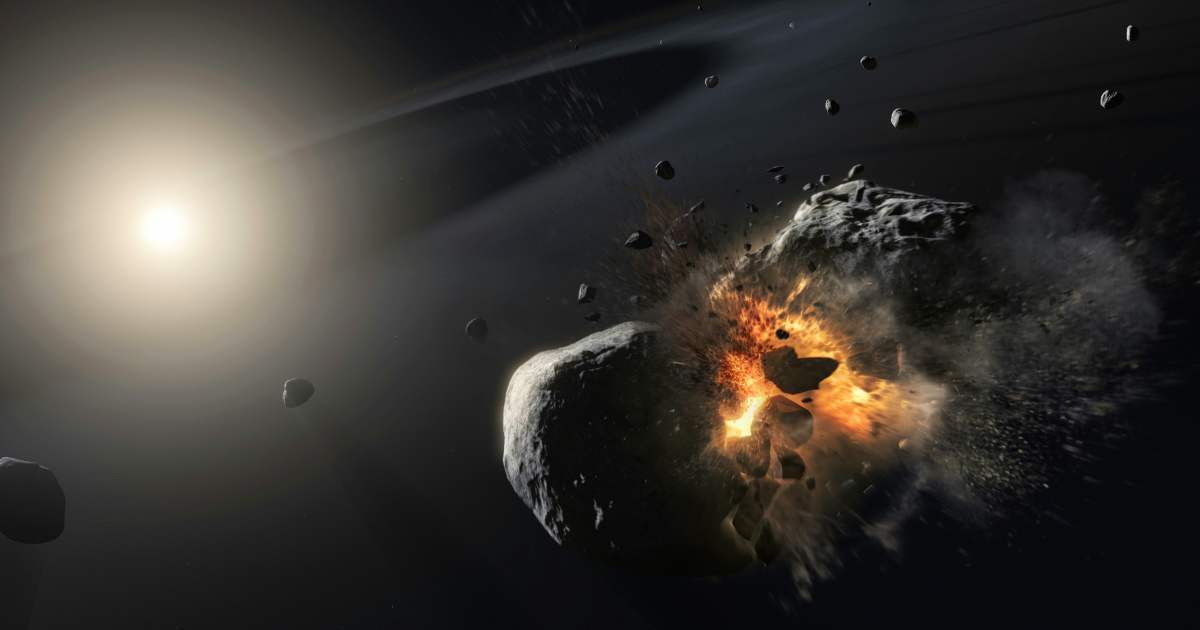
Understanding and tracking objects like 2020 FA5 is crucial for planetary defense, providing necessary advance notice for long-term observation and orbital refinement, even when close approaches are not immediately threatening. This research represents a crucial step in that field, which is dedicated to safeguarding humanity from the existential threat of a catastrophic cosmic impact, underscoring the importance of a proactive and prepared international strategy.
More on Starlust
'God of Chaos' asteroid would be visible to the naked eye in a once-in-a-millennium celestial event
Hayabusa2’s final target is faster and 3 times smaller than expected—is touchdown still possible?