Artemis II lunar flyby on April 6—When and where to watch live streaming
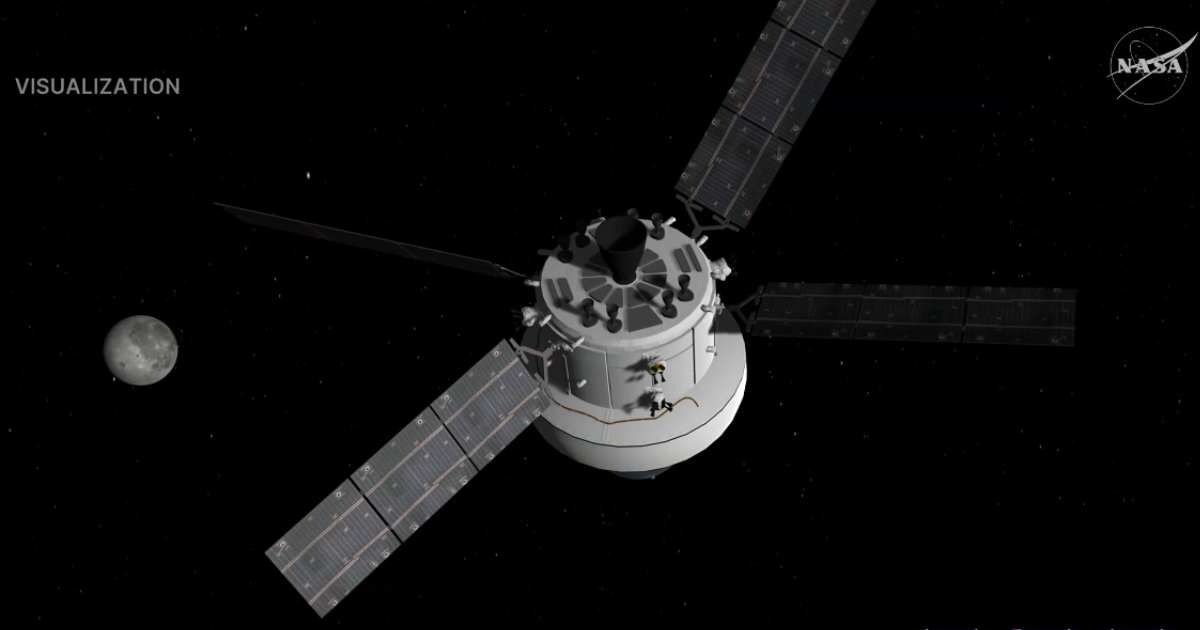
The day of the Artemis II lunar flyby is finally upon us. The crew—Reid Wiseman, Victor Glover, Christina Koch, and Jeremy Hansen—received their list of lunar targets from mission control early Sunday and are set to begin their observations of the same at 2:45 p.m. EDT today, per NASA. As has been the case for the mission so far, NASA has taken care to ensure the world gets to see what essentially is the main event of the flight live as it takes place.

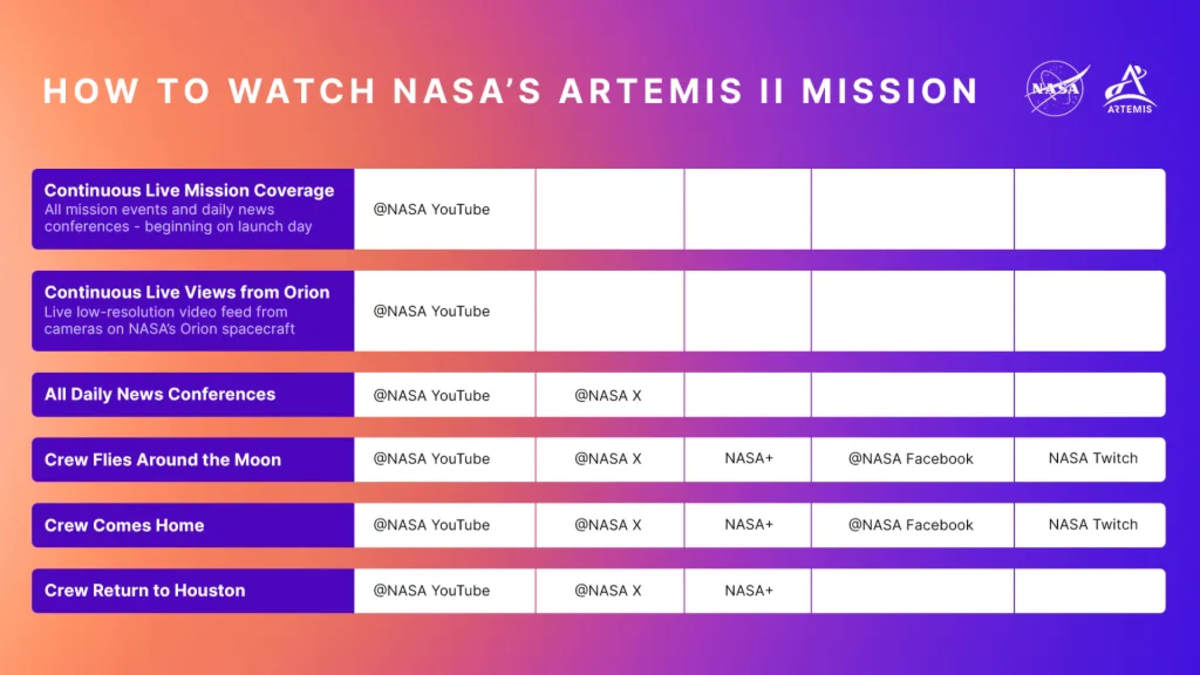
The live coverage of the lunar flyby will begin at 1:00 p.m. EDT on NASA+, Amazon Prime, Apple TV, Hulu, Netflix, HBO Max, and Roku. You can also access it on NASA's YouTube channel, which has been giving 24/7 coverage of the mission since April 1, the launch day. And while there is a gap of an hour and 45 minutes between the beginning of the stream and that of the observation period, make sure to tune in as early as possible and stay around for a while, as visuals of lunar far side features are just one of the things the flyby will have to offer.
At 1:56 p.m. EDT, 26 minutes after the science officer at mission control has briefed the crew on their science goals for the flyby, the Orion spacecraft is expected to break the record for taking humans farther from Earth than ever before. It is set to surpass the record set by Apollo 13 (248,655 miles) during its emergency return, reaching a maximum distance of 252,760 miles at 7:07 p.m. EDT. Then, between 8:35 and 9:32 p.m. EDT, the Moon will be between the Sun and the crew, thereby causing a solar eclipse, which will allow them to see the otherwise imperceptible solar corona.
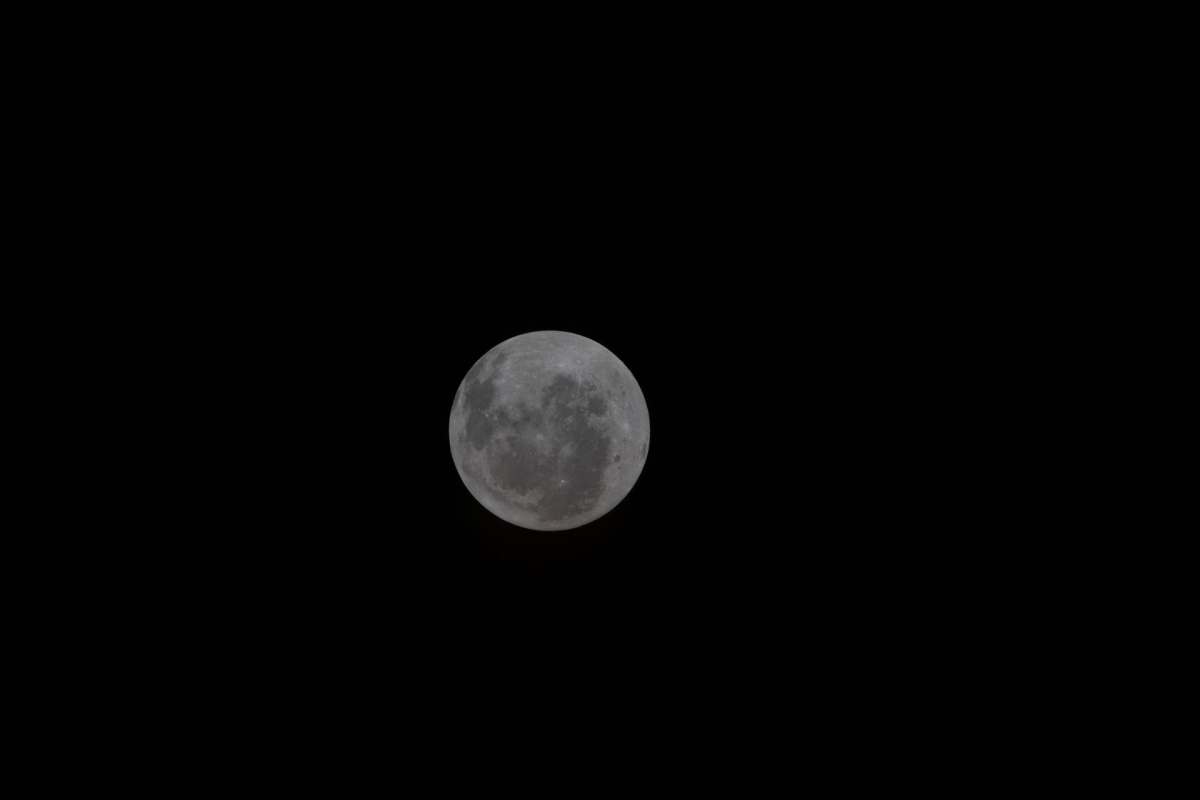
As for the features that the crew is expected to observe on the partly lit surface of the Moon, the list has as many as 30 targets. Arguably, the most hyped among them is the Orientale basin. This 3.8-billion-year-old, about 600-mile-wide crater spans both the near and the far side of the Moon and holds clear evidence of the impact that created it. The crew will compare and contrast the topography of the Orientale basin with that of the Hertzsprung basin, as the features of the latter, a nearly 400-mile crater, have been damaged by impacts that followed the one that created it.
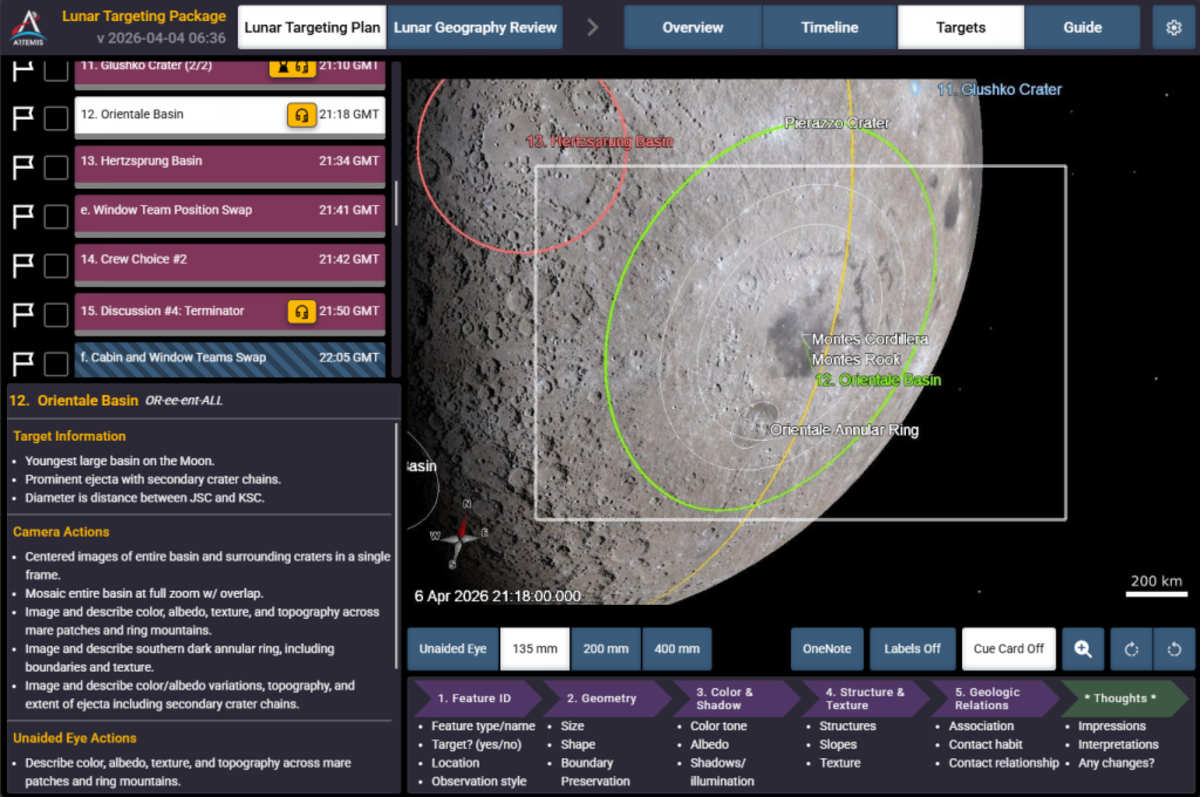
The lunar observations are set to conclude at 9:20 p.m. EDT. That being said, all of the timings can change depending on the demands of the flight as it proceeds. Moreover, mission control expects to lose communication with the crew as Earth disappears behind the Moon from Orion's point of view. The blackout is currently expected to last between 6:44 and 7:25 p.m. EDT—a window during which the crew will also make its closest approach to the Moon at 4,070 miles above its surface.
More on Starlust
Artemis II astronauts Christina Koch and Jeremy Hansen complete manual piloting demo
'Not the Moon you see from Earth': NASA’s Christina Koch describes the view from Artemis II’s Orion