Artemis II: All the ways you can keep track of the mission — before, during, and after launch
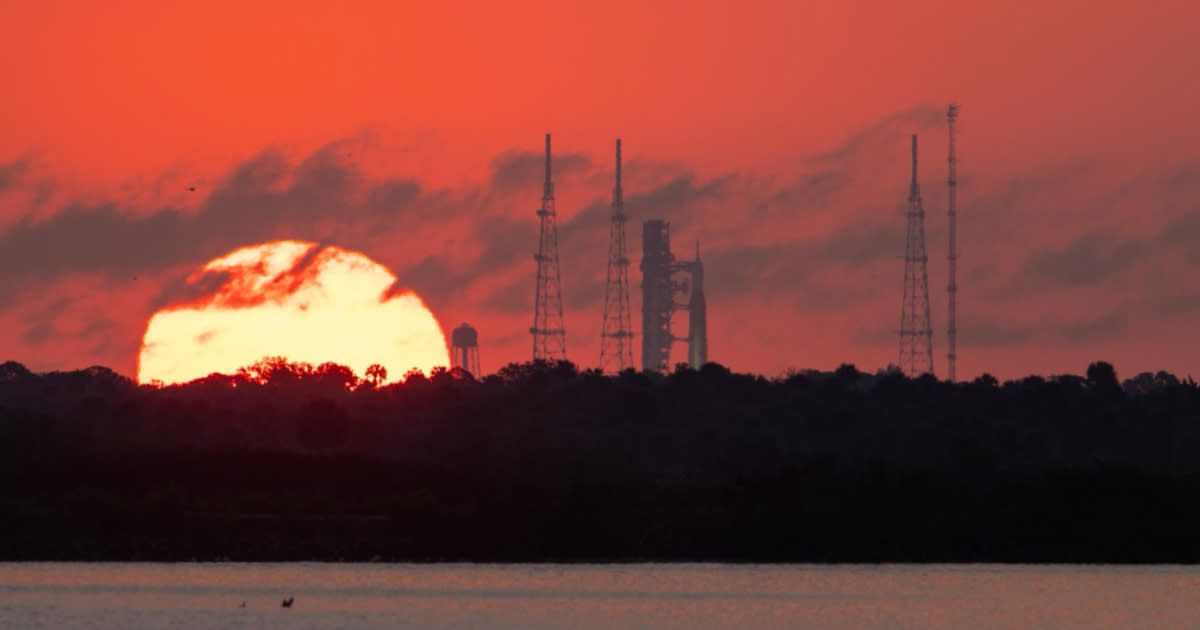
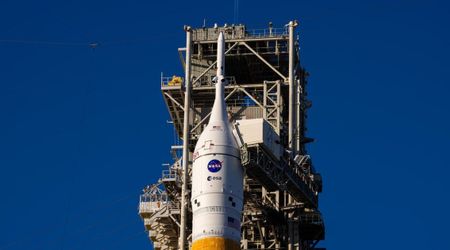
With the help of some of the brightest minds at NASA and its partners, four astronauts are about to embark on a journey not undertaken by humans in more than 50 years. Artemis II will have its crew fly by the far side of the Moon, and NASA is keen on having this mission capture the world's imagination. This sentiment was best expressed by NASA Administrator Jared Isaacman while speaking at Tuesday’s ‘Ignition’ event. Speaking in the context of a slow launch cadence, he shared his concerns about not being able to inspire the younger generation: “Less astronauts in space, which means less kids dressing up as astronauts for Halloween." NASA has committed itself to making this particular mission more accessible through as many channels as possible. Now with just days remaining until lift-off, following are all the ways you can stay updated about the mission.
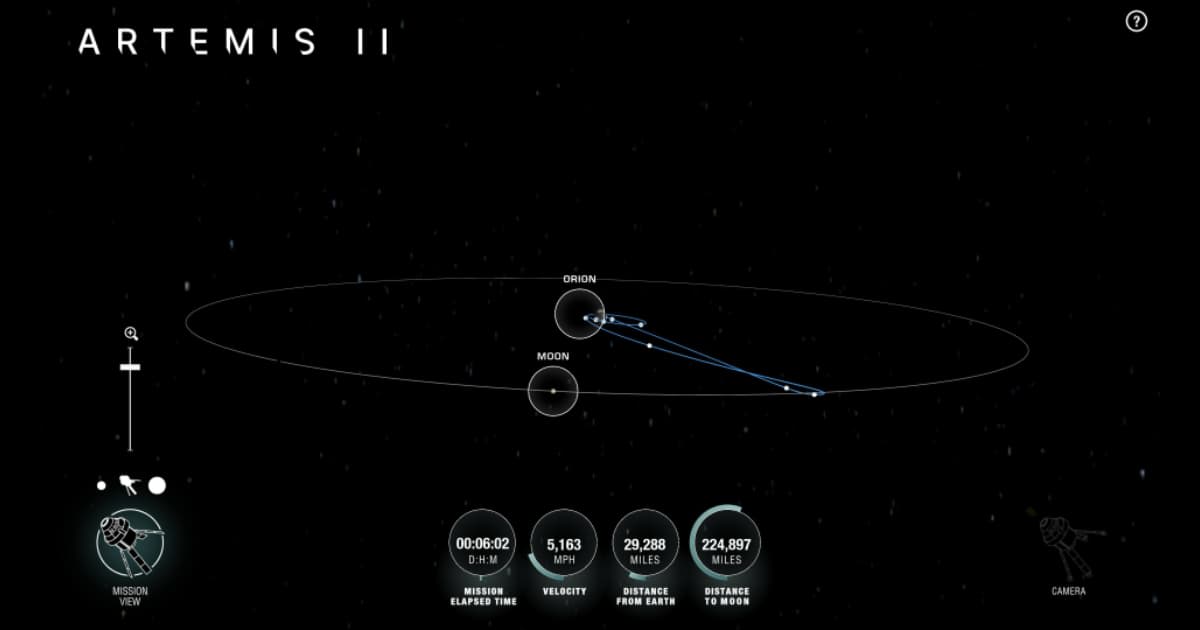
Note: Besides streaming content, one can pinpoint the exact location of Orion in space by using the Artemis Real-time Orbit Website (AROW) or by downloading the complementary app.
Live coverage
Press briefings, events, and 24/7 mission coverage will be available on NASA's YouTube channel, with the launch, lunar flyby, and splashdown also streaming on NASA+ and Amazon Prime. Tanking operations, which will see teams load the SLS rocket with propellant, will be broadcast from 7:45 am EDT on April 1, 2026. The launch coverage on NASA+, meanwhile, will begin at 12:50 pm, with the live stream continuing on YouTube after the deployment of Orion's solar array wings in space. Once the mission begins, live views from within the inhabited Integrity (the name given to the Orion capsule by the crew) may also be available as bandwidth allows.
During the mission
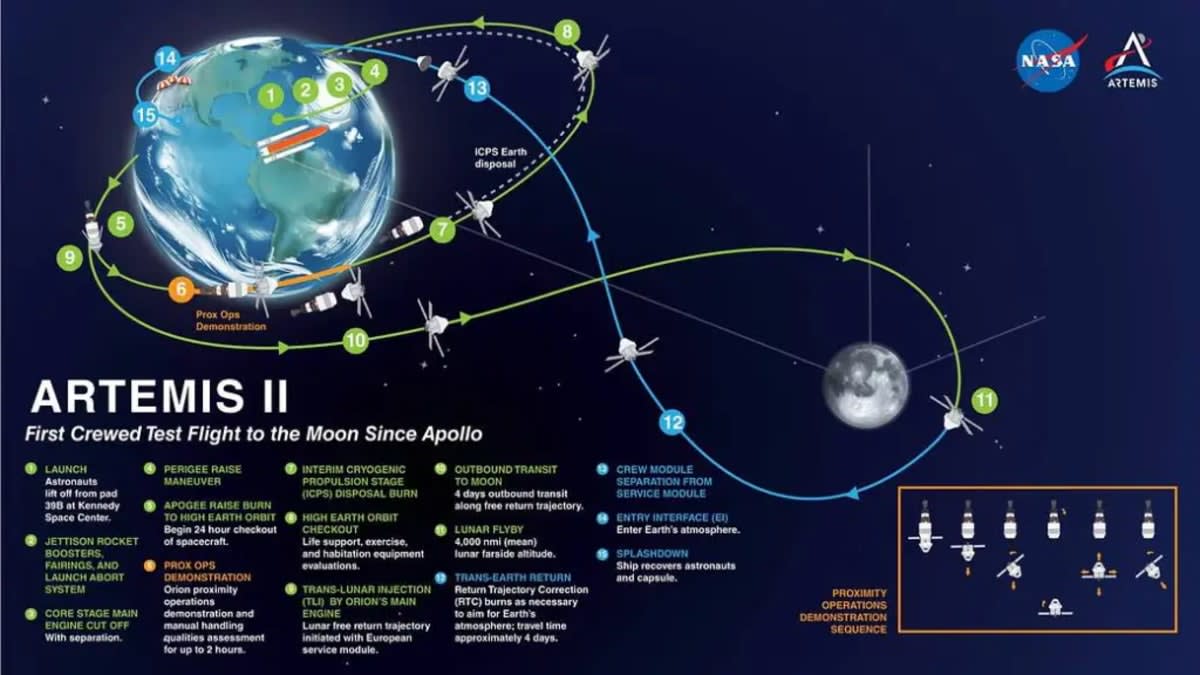
On April 2, 2026, at 8:30 pm, a status briefing will be conducted after the translunar injection burn, followed by a live crew conversation (downlink) at 10:24 pm. The next day, the same two events will take place at 3:30 pm and 8:44 pm, respectively. April 4 will see the Canadian Space Agency host its conversation with the crew at 12:59 am, while NASA’s will take place at 4:34 pm. Mission status briefing will follow at 5:15 pm. April 5 has a live CSA downlink event planned at 12:14 am and a mission status briefing at 3:30 pm.
We're flying around the Moon. Come watch with us.
— NASA (@NASA) March 25, 2026
Live coverage of Artemis II prelaunch activities begins Friday, March 27, when the crew arrives at @NASAKennedy. Here's the full Artemis II event schedule — keep checking back for the latest updates: https://t.co/jroi7BTUA5 pic.twitter.com/9DDkjTdt3K
April 6 would mark the highlight of the mission, when coverage of the lunar flyby will start at 12:45 pm on NASA+. An hour later, the crew will venture the farthest humans have traveled away from our planet. The record was set by the Apollo 13 astronauts when they traveled 248,655 miles from Earth. Loss of communications with Earth will also be expected as the Orion flies behind the Moon’s far side. The downlink event on April 6 is scheduled for 10:39 pm.
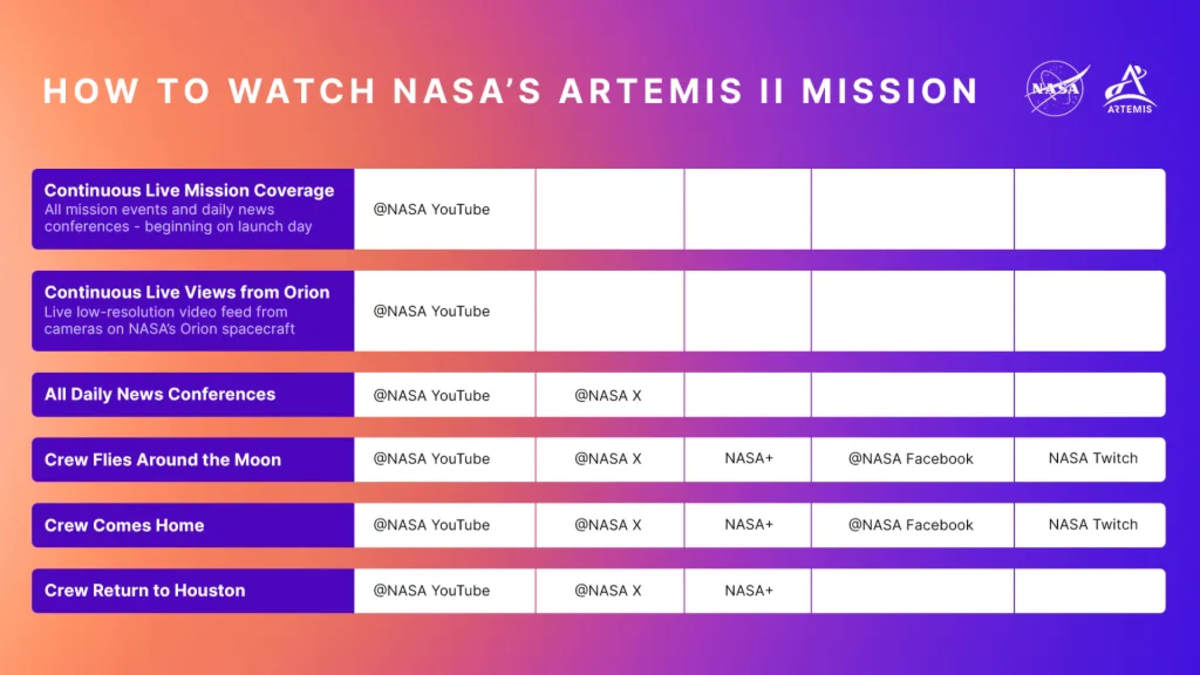
April 7 will have the crew speak to the astronauts aboard the ISS via audio at 2:29 pm. Mission status briefing will follow at 4 pm. April 8 has a status briefing lined up at 3:30 pm and a CSA downlink event at 7:09 pm. On April 9, a status briefing will take place at 3:30 pm, with the crew hosting a news conference from space at 5:59 pm. The day’s live downlink event is at 7:54 pm. April 10 will be the last day of the mission, and the crew’s reentry coverage will begin at 6:30 pm on NASA+, with splashdown occurring at 8:06 pm. A post-splashdown news conference will be held at 10:35 pm at Johnson Space Center in Houston.

Before the mission
On Friday, March 27, 2026, at 2:30 pm EDT, astronauts Reid Wiseman, Victor Glover, Christina Koch, and Jeremy Hansen will arrive at Kennedy Space Center and will be greeted by NASA leadership. They will then address the media while observing quarantine protocols. Then, on Sunday, March 29, 2026, they will address the media again through virtual means from within the quarantine facility in Florida at 9:30 am.
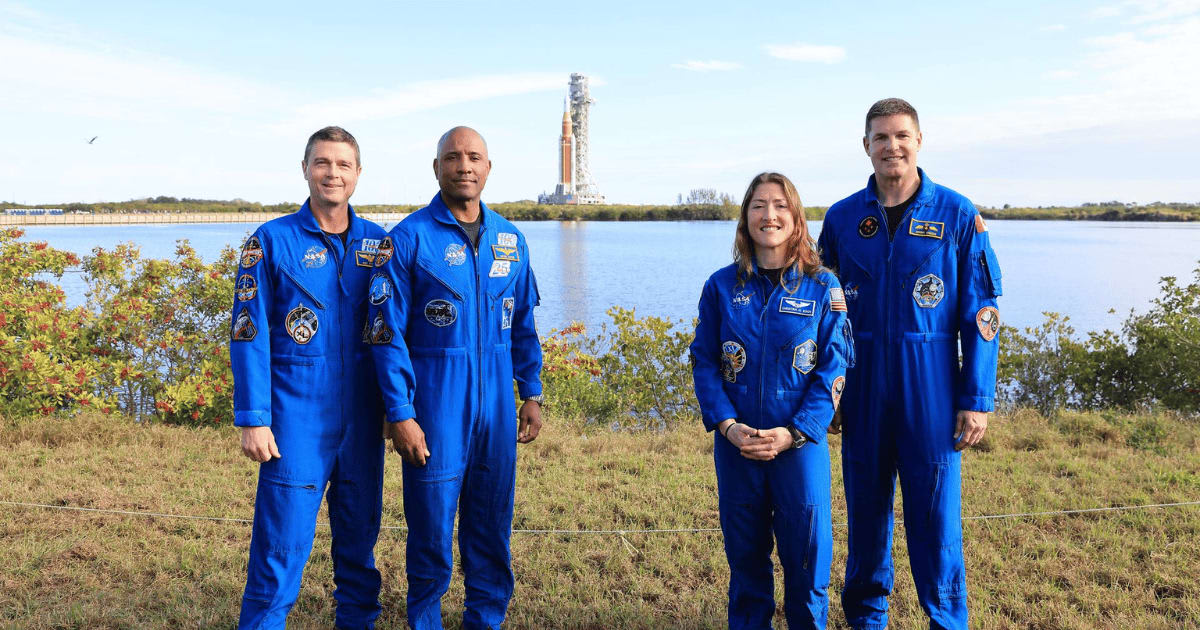
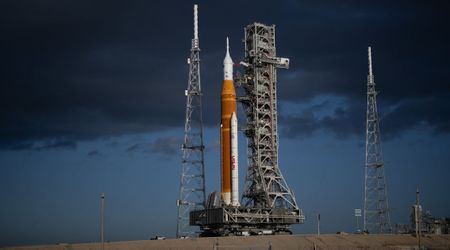
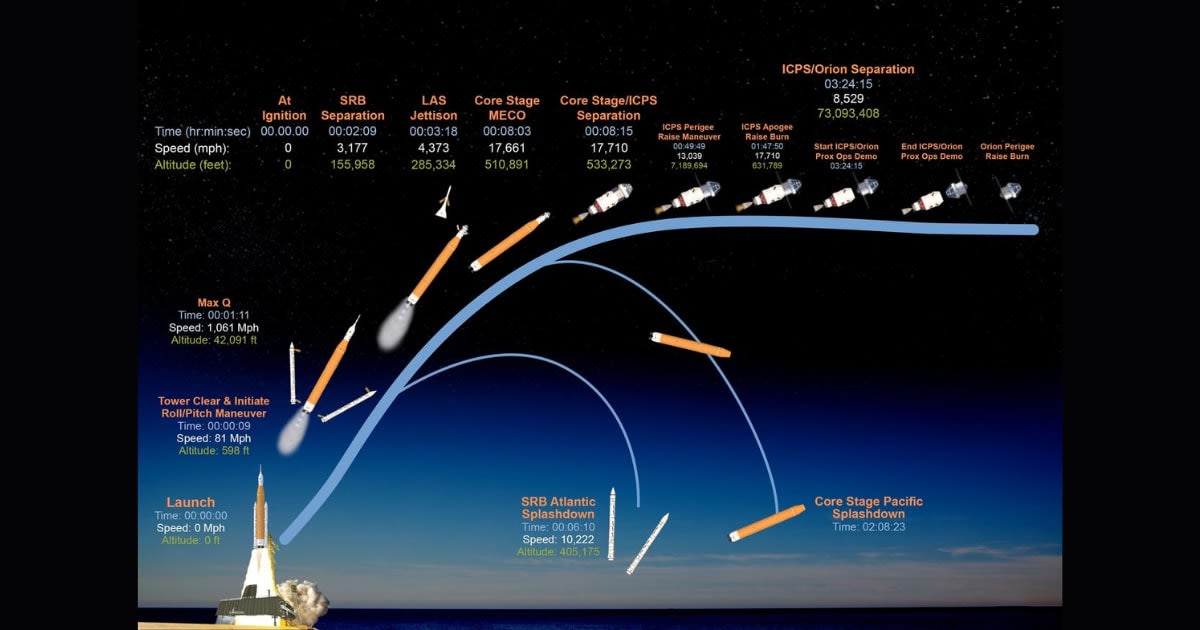
With a keen eye on the weather at Cape Canaveral as well as the newly-arrived SLS rocket at launchpad 39B, NASA’s mission managers will discuss their observations with the media on Sunday, March 29, 2026, at 2 pm. Expect mission managers to share their thoughts on how things will have been progressing till that point. Another update about the progress is scheduled for 5 pm the next day after the mission managers have had a key meeting of their own. March 31, meanwhile, will see the last of the prelaunch news conferences at 1 pm. The next update will come about 2 hours and 30 minutes after lift-off on April 1, 2026, when the rocket’s upper stage has carried out a burn to send Orion into high Earth orbit.
Other ways to stay updated with Artemis II
The media may listen to the audio-only coverage of the tanking and launch broadcast by dialing 256-715-9946, passcode 682 040 632. Locals of Brevard County on the Space Coast can also tune into Launch Information Service and Amateur Television System’s VHF radio frequency 146.940 MHz and KSC Amateur Radio Club’s UHF radio frequency 444.925 MHz, FM mode, to listen in.
More on Starlust
Hurry up! NASA is sending names around the Moon for free: Here’s how to get your 'boarding pass'
Artemis II commander Reid Wiseman shares update on crew stepping up preparations before launch