All hands on deck: The international collaboration behind Artemis II's SLS rocket and Orion capsule
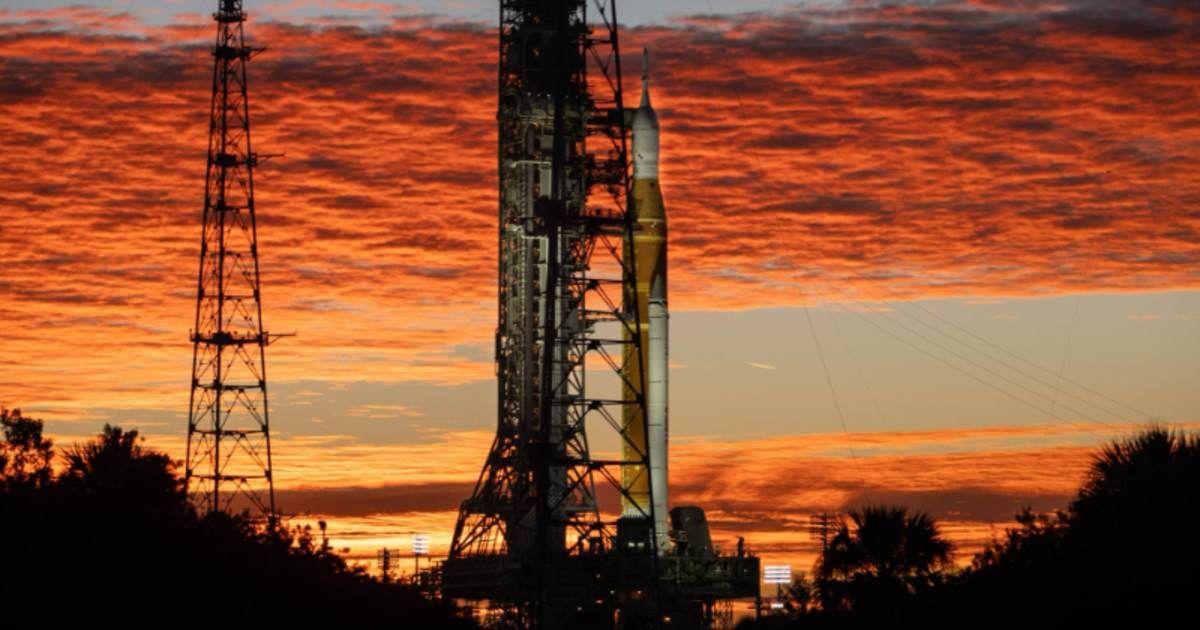
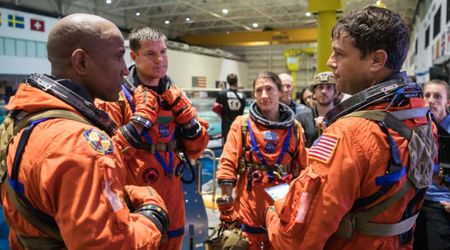
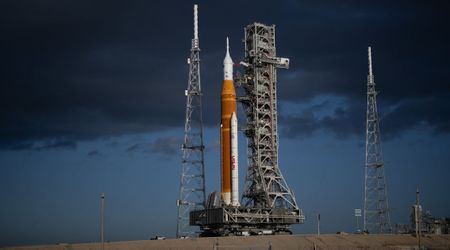
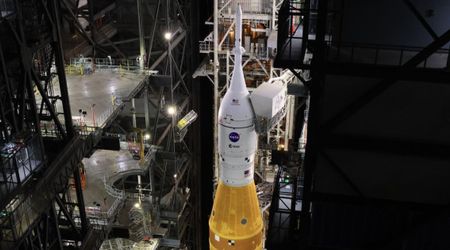
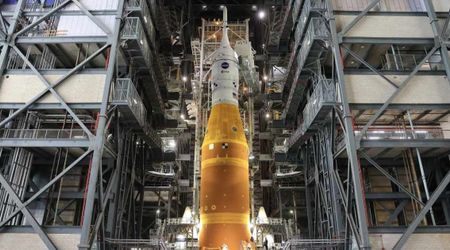
The contributions of NASA’s commercial and international partners that make the Artemis II mission possible cannot be overstated. While the leadership of NASA was key to the mission, it was a coordinated effort that came together in assembling the Space Launch System (SLS) rocket at the Vehicle Assembly Building at Cape Canaveral. Atop SLS, the Orion spacecraft will house the crew of four as they journey into deep space. The mission aims to send three NASA astronauts, Reid Wiseman, Victor Glover, and Christina Koch, alongside Canadian Space Agency (CSA) astronaut Jeremy Hansen, on a journey of more than 685,000 miles over 10 days beyond the moon and back, testing if the spacecraft’s life support systems can keep humans safe in the harsh environment of deep space.
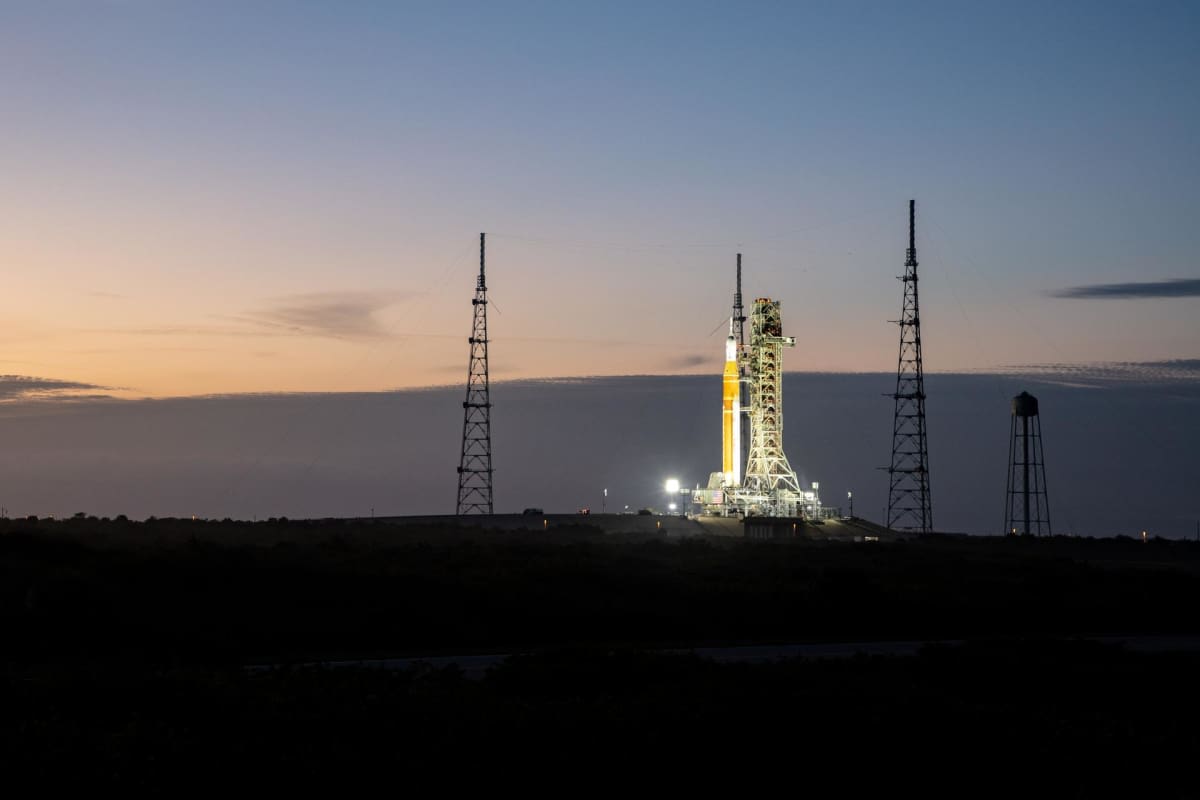
Building the Space Launch System (SLS) rocket
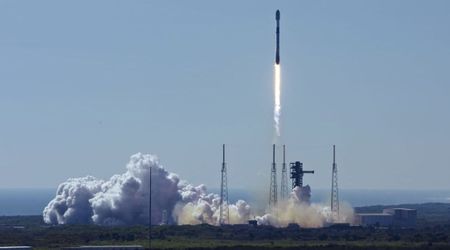
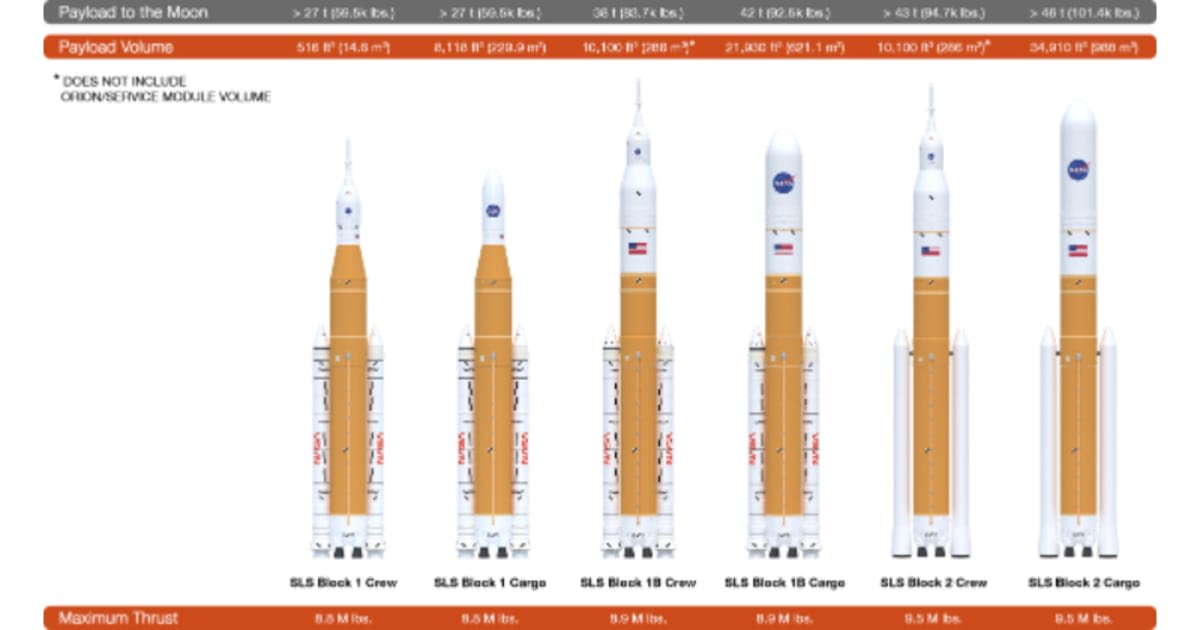
According to NASA, Artemis missions I, II, and III will utilize the Block 1 configuration of the rocket, which serves as an early iteration of the rocket. NASA plans to use even more powerful configurations in Block 1B and Block 2 for later missions, with the former slated for Artemis IV. For now, the Block 1 configuration has the capability to carry up to 59,500 pounds of payloads to space, delivering Orion towards the moon at a speed of 24,500 mph. Building the SLS rocket required the specialized expertise of several major industry partners. Boeing was responsible for the development, testing, and production of the core stage and the ICPS (Interim Cryogenic Propulsion Stage), as well as the development of the flight avionics suite. To provide the necessary power for liftoff, Northrop Grumman developed the twin solid rocket boosters, which provide more than 75% of the rocket's thrust. Additionally, L3Harris Technologies built the four RS-25 engines used to propel the SLS missions. It also manufactures and tests the RL10 engines that the ICPS uses for propulsion. Additionally, Teledyne Brown Engineering and United Launch Alliance have also made important contributions.
The Orion spacecraft
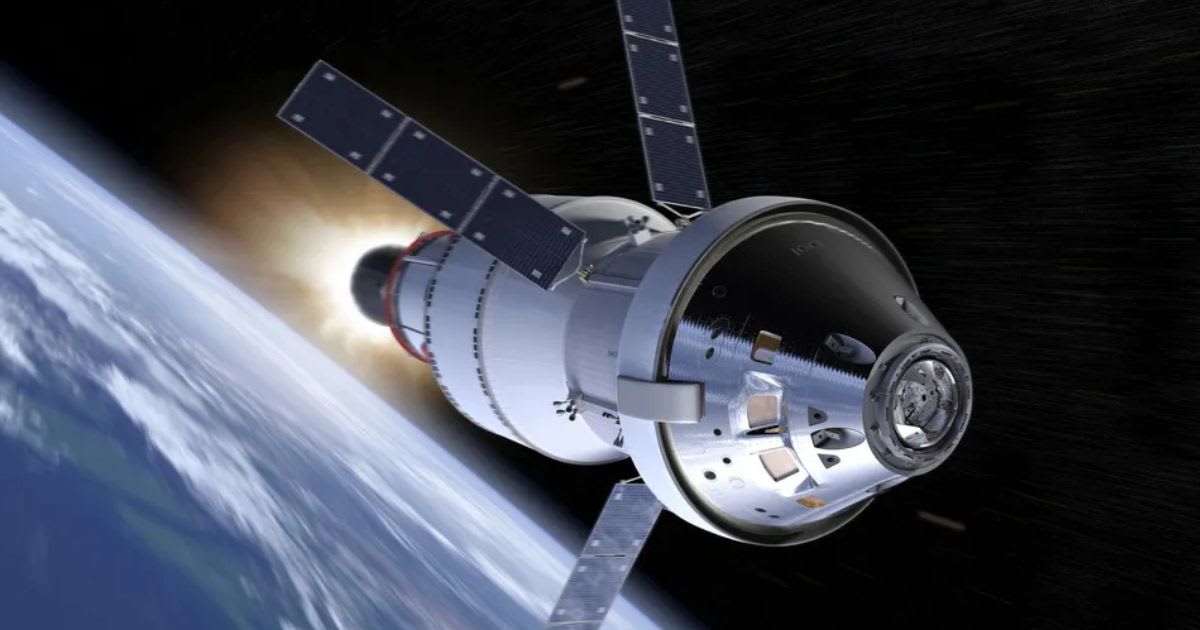
The Orion spacecraft, which sits atop the SLS, is another result of international engineering. Lockheed Martin serves as the prime contractor responsible for the design and building of the Orion crew module, the pressurized section where the four astronauts will live. It has been named by them as ‘Integrity’ for this mission. Meanwhile, eight auxiliary engines and 12 reaction thrusters for the Orion crew module and the jettison motor for the LAS (Launch Abort System) are provided by Aerojet Rocketdyne under contract to Lockheed Martin. It also manufactures the high-pressure helium tanks that facilitate Orion's water-based landings. In what was truly an excellent instance of international cooperation behind the ambitious project, the European Service Module of Orion, provided by the ESA (European Space Agency) and built by Airbus, had its components supplied by workers from as many as 10 European countries and the ESA.
This collaboration extends to the crew itself, with the Canadian Space Agency (CSA) contributing a crew member to the mission. This approach, involving thousands of specialists across the globe, ensures that the SLS and Orion are not just products of one nation but a global achievement. More international partners of the likes of Argentina’s Comisión Nacional de Actividades Espaciales, Korea Aerospace Administration, Saudi Space Agency, and Germany Space Agency will each also provide CubeSats with their own purposes towards scientific observations and measurements. These diverse efforts show how the Artemis II mission paves the way for a sustainable human presence on the Moon and the eventual journey to Mars, not from a certain section of humankind, but as an accurate representation of all of humanity.
More on Starlust
NASA's Artemis II mission: Why astronauts are quarantined ahead of launch
NASA could give a shoutout to your own 'Moon crew' during the Artemis II coverage: Here's how