After ninth test flight's failure, SpaceX's Starship prepares for a critical tenth test with major upgrades
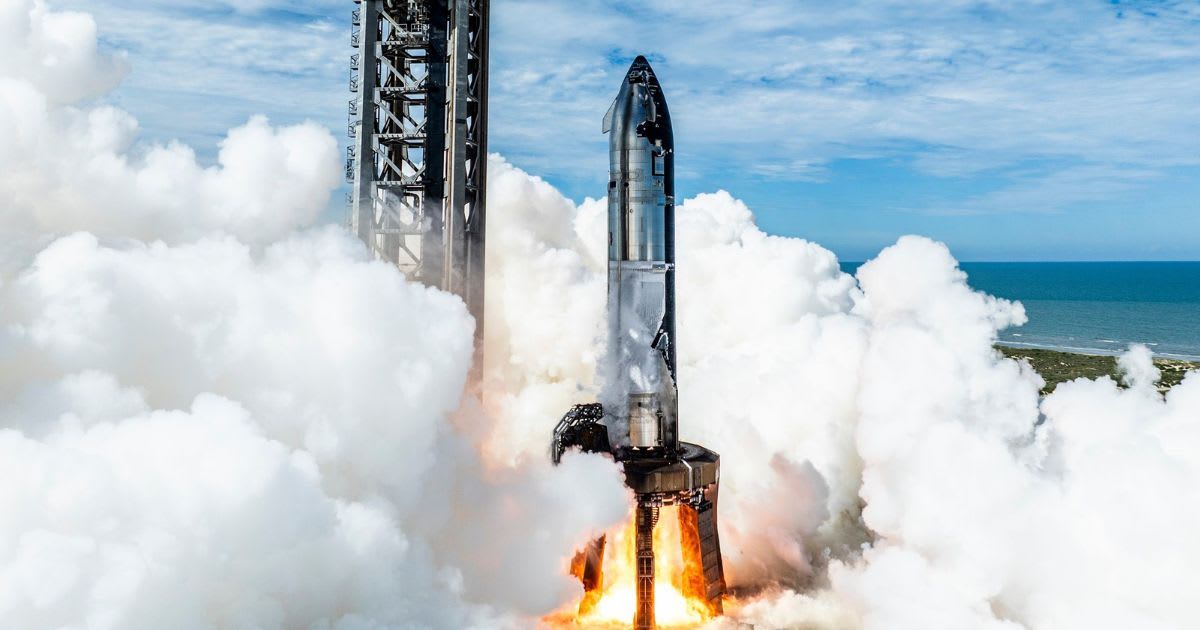
Following a series of technical setbacks, SpaceX's Starship megarocket is set for its tenth integrated flight test as early as Sunday, August 24. The company has implemented significant hardware and operational changes after an anomaly during a static fire test and the loss of the ninth flight vehicle. The launch window will open at 6:30 p.m. CT, according to SpaceX.
Watch Starship's tenth flight test → https://t.co/UIwbeGoo2B https://t.co/gbQv9akMO9
— SpaceX (@SpaceX) August 15, 2025
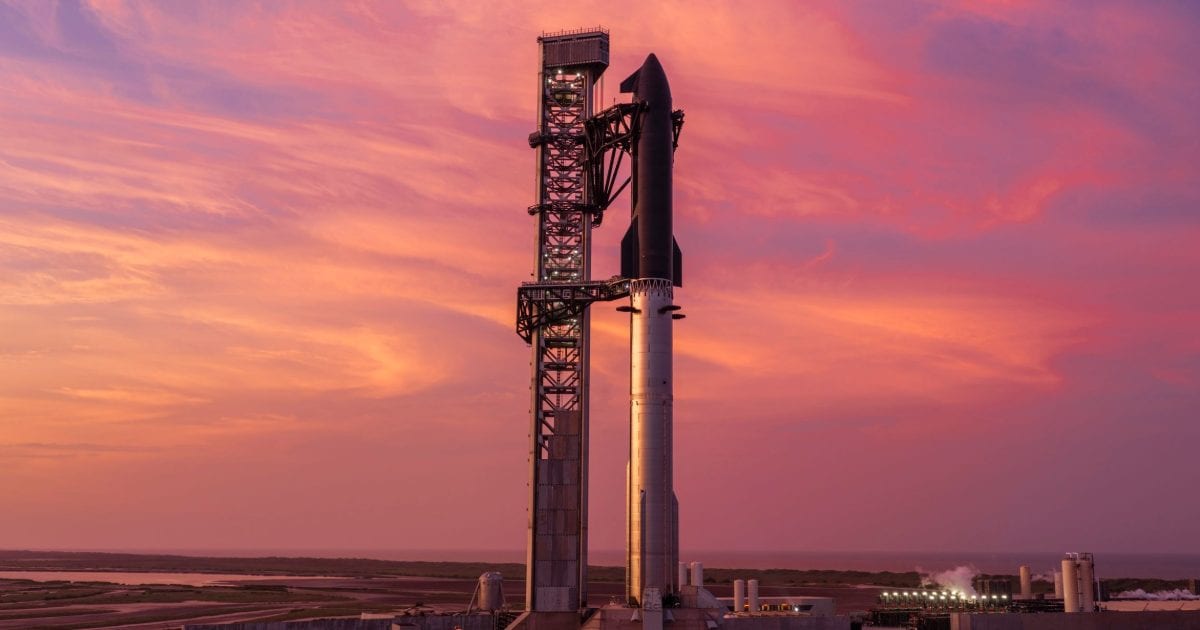
The starship rocket, the most powerful launch vehicle ever built, is central to SpaceX's ambitions of returning Americans to the Moon and, eventually, establishing a human presence on Mars. However, its development has been marked by repeated explosions and flight disruptions, raising pressure on the company to achieve a successful mission, as per Phys.org.

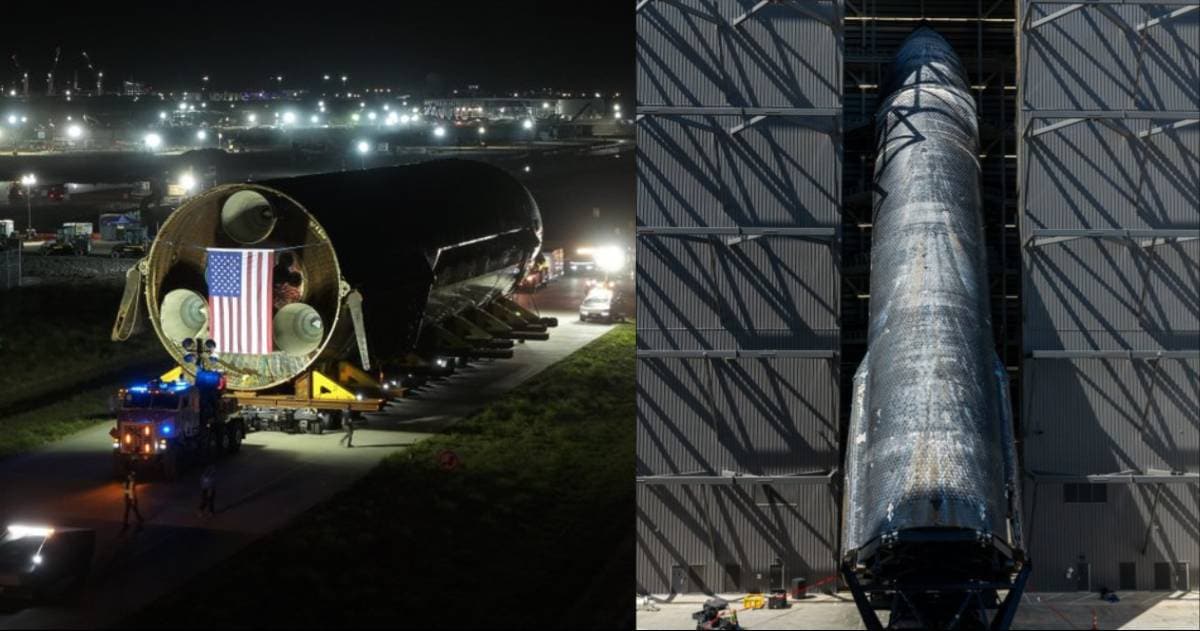
Previous test flights have encountered significant issues. Earlier this year, two separate launches ended in spectacular explosions of the rocket's upper stage shortly after liftoff. In a more recent test in late May, Starship successfully reached space but was lost during its descent due to a fuel leak that led to a loss of control. The booster section also failed to perform its planned landing, disintegrating before a controlled splashdown could be executed. Standing at 403 feet tall, the massive two-stage rocket is designed to be fully reusable, a key factor in SpaceX's goal to drastically lower the cost of spaceflight.

The upcoming mission aims to expand the vehicle's operational capabilities and collect crucial data for future flights. This includes several new experiments, particularly with the Super Heavy Booster, which will be making a controlled splashdown in the Gulf of America rather than attempting to return to the launch tower, per SpaceX. A key objective for the Super Heavy Booster is a unique landing burn test. Engineers will intentionally disable one of the three center engines, relying on a backup engine to complete the maneuver. The booster will then transition to just two engines for the final phase, hovering briefly before a controlled drop into the ocean.
The Starship upper stage has its own set of ambitious goals. For the first time, it will deploy a payload, eight simulators resembling next-generation Starlink satellites. These simulators are expected to burn up during reentry. The mission also includes a planned in-space engine relight and multiple experiments designed to test the vehicle's reusability. This includes removing some of the heat shield tiles to assess the vehicle's resilience to high temperatures and installing new metallic tile options, one of which features active cooling.

This test flight is critical for gathering real-world performance data to inform the design of future Starship and Super Heavy vehicles. The findings will help SpaceX advance its goal of a rapidly and fully reusable launch system. The live webcast of the launch will be available on the company’s website and X, beginning approximately 30 minutes before liftoff.
Even as Starship faces hurdles, SpaceX is setting its sights on an unprecedented launch cadence for its Falcon rocket fleet. The company's Director of National Security Space Launch, Anne Mason, stated that SpaceX is targeting 170 launches for 2025, which would mean a liftoff approximately every other day. This aggressive schedule would significantly surpass their record of 134 orbital launches set last year.