Young Sun-like stars are dimming faster than expected—and no, it's not like in 'Project Hail Mary'
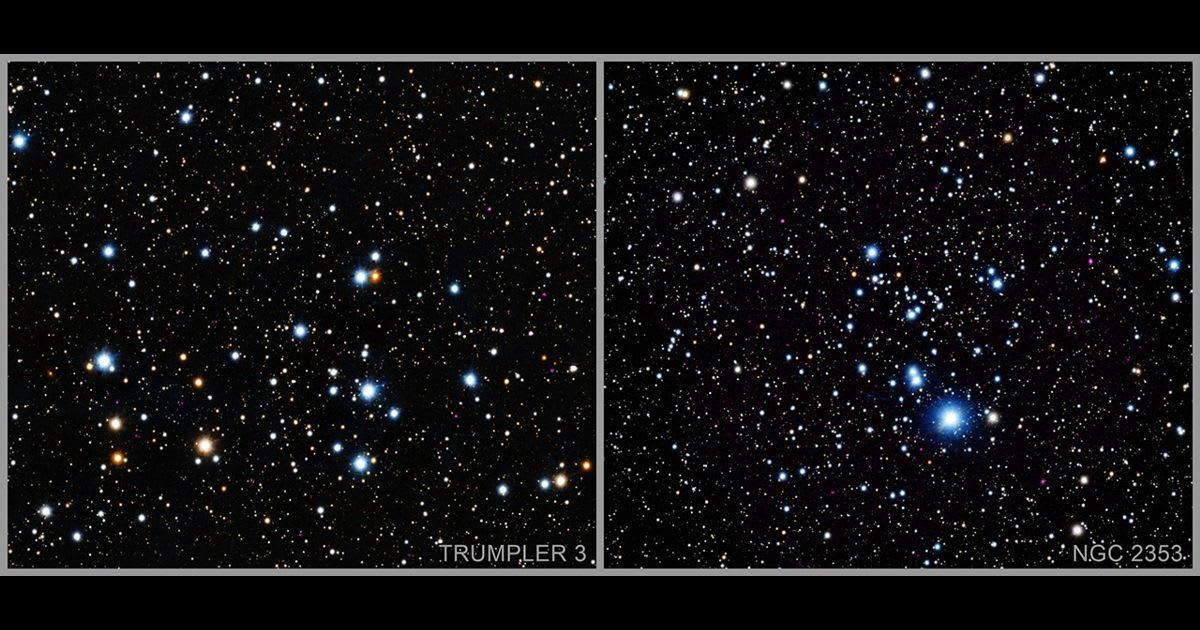
A new discovery suggests that young Sun-like stars can dim in X-rays much faster than previously expected. The findings come from a study published in The Astrophysical Journal that used NASA’s Chandra X-ray Observatory. This doesn't just challenge established ideas about how stellar radiation evolves over time but also indicates better prospects for life on surrounding planets.
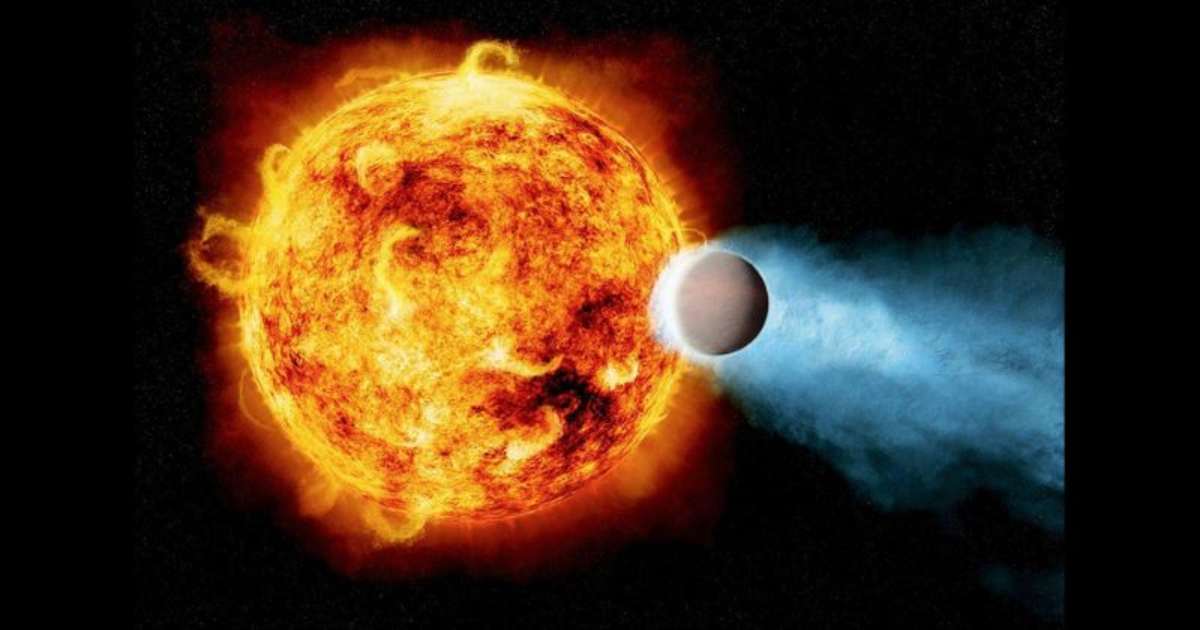
Young stars generally emit intense high-energy radiation, especially X-rays, which can cause serious harm to the planets near them. This radiation can strip away entire atmospheres and prevent the formation of organic molecules that are key for life to exist and thrive. So, these X-rays have always been a crucial factor in assessing habitability, particularly in terms of how long this dangerous phase lasts. "While science fiction—like the microbes in Project Hail Mary—imagines alien life that dims stellar output by consuming its energy, our real observations reveal a natural ‘quieting’ of young Sun-like stars in X-rays,” said Konstantin Getman, the lead author of the study from Penn State University, in a statement. “This is not because an outside force is consuming their light, but because their internal generation of magnetic fields becomes less efficient.”
Sun-like stars are dimming in their X-ray output more quickly than previously thought. Unlike in the movie "Project Hail Mary," this quieting of stars is a benefit for the prospects for life on orbiting planets around these stars — not a threat. ✨More: https://t.co/mqA3x0K7zH pic.twitter.com/499nqeLC1W
— Chandra Observatory (@chandraxray) April 14, 2026
Using NASA’s Chandra telescope, researchers found that these stars quiet down quicker than previous estimates. For this, they studied eight star clusters ranging from 45 million to 750 million years old. The findings of this study reveal that Sun-like stars emit only 25% to 33% of the X-rays previously predicted, which means stellar activity declines way faster than what was suggested in earlier models. The exact cause for this still needs more investigation. For now, as Getman said, it is suspected that it's due to magnetic field generation becoming less efficient over time, which would reduce high-energetic particles.

Moreover, the study shows how extreme young stars can be. For instance, a 3-million-year-old Sun-like star can emit a thousand times more X-rays than today's Sun, which is about 4.6 billion years old. Meanwhile, a 100-million-year-old solar-mass star is expected to be only around 40 times brighter than today's Sun. However, as intense as it may be, this phase fades faster, leading to less long-term damage to surrounding planets. And we don't have to look far for distant exoplanets as case studies since our own home planet could be a benefactor of this phenomenon, according to the study.
“It’s possible that we owe our existence to our Sun doing the same thing, several billion years ago, that we see these young stars doing now,” said co-author Vladimir Airapetian of NASA’s Goddard Space Flight Center. “This real-world dimming echoes the dramatic stellar change in fiction, but it may be even more fascinating because it highlights our own Sun's actual history.” Simply put, Earth may have survived because the Sun calmed its X-rays down, just in time. But not all stars behave the same, as the study found that only solar-mass stars calm down relatively quickly, and lower-mass stars actively emit X-rays for longer, making Sun-like stars particularly favorable for hosting life in their systems.

Apart from NASA’s Chandra Observatory, the team also combined observations from the ESA’s Gaia satellite and the ROSAT X-ray satellite. Before this, there was a significant gap in understanding stars in their adolescent phase since the data was sparse, and the previous X-ray emission estimate was based on the stars’ ages and rates of spin. The latest findings suggest that X-ray output drops off nearly 15 times faster than the earlier derived relation that was in use. “We can only see our Sun at this current snapshot in time, so to really understand its past we must look to other stars with about the same mass,” said co-author Eric Feigelson of Penn State University. “By studying X-rays from stars that are hundreds of millions of years old, we have filled in a large gap in our understanding of their evolution.”
More on Starlust
Rare XRISM findings reveal what a black hole looks like in its quietest X-ray phase
NASA’s IXPE gives groundbreaking insight into rare pulsar's X-ray emissions, baffling scientists