Flower Moon and Blue Moon 2026: Dates, time and how to watch May’s two stunning full moons
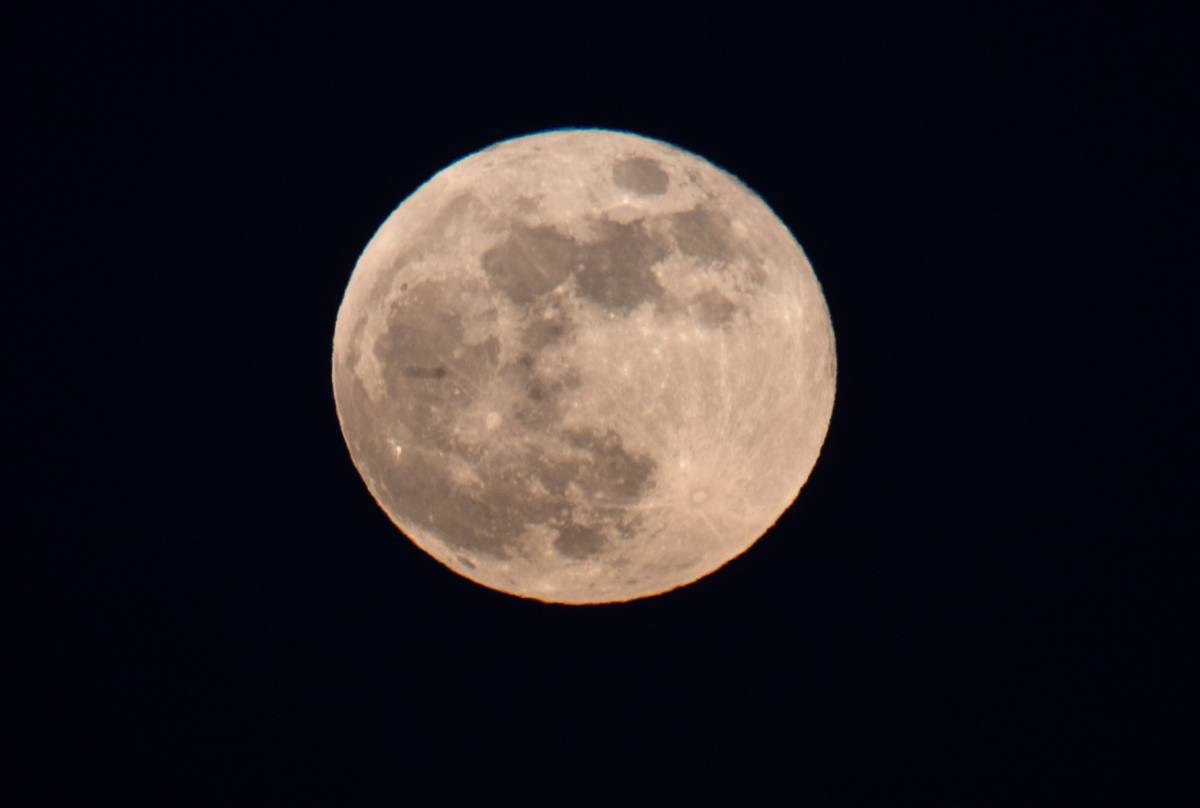
Selenophiles all over the US have a chance to witness a very rare celestial event in May. The month will showcase two full moons. The first one, which is known as Flower Moon, will be at its peak at 1:23 p.m. EDT on May 1, 2026 (17:23 GMT). Although the exact moment occurs during daylight hours for most parts of the U.S., the real spectacle begins at sunset, when the Moon will be in the southeastern direction, shining in its full glory, dominating the dark sky.
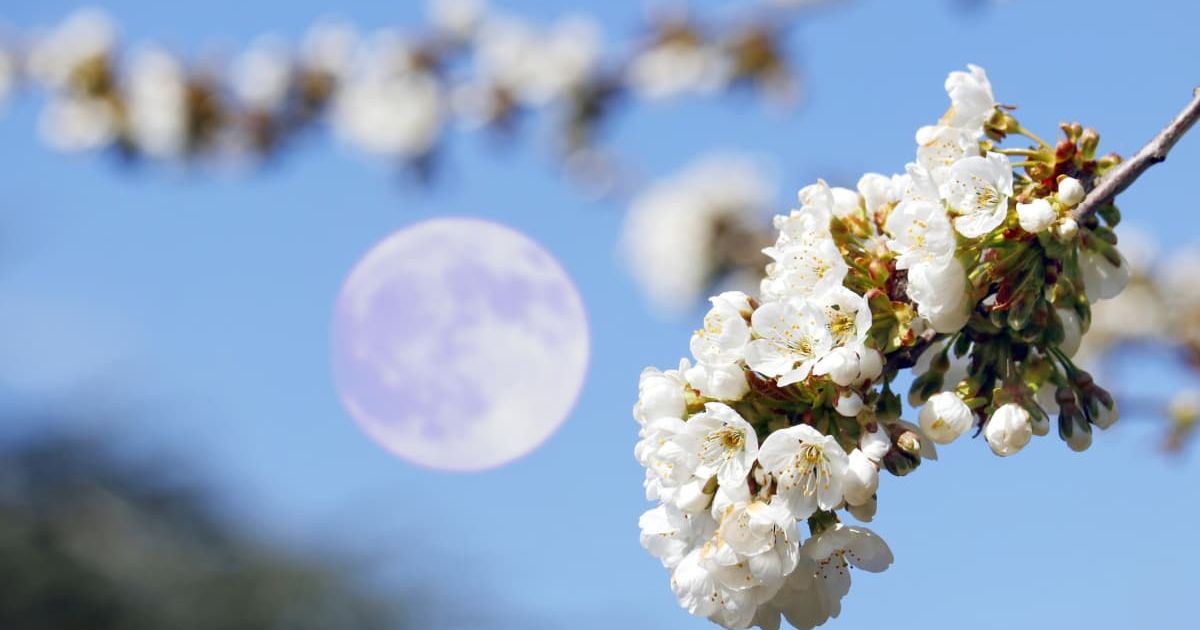
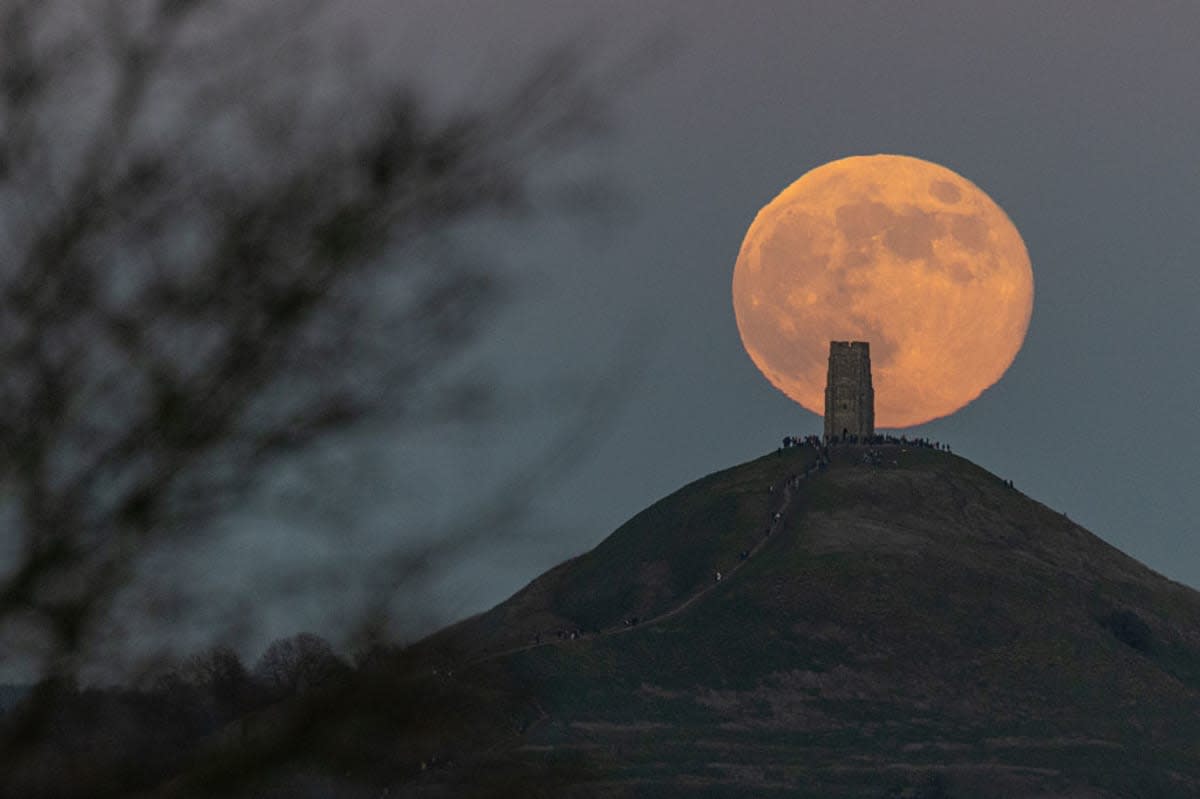
The Flower Moon is named that way because it represents the 'flowering season", the blooming of the spring plants in the Northern Hemisphere. It is one of the most amazing-looking full moons of the year, not only because of what it stands for in flowers, but also because of how it looks at the time of moonrise. When the moon rises on the horizon, it usually appears very big and warm in orange or yellow. This is because of two factors: the Moon Illusion, which makes the brain think that it is bigger near the horizon, and Rayleigh scattering, which is when Earth's atmosphere removes the shorter blue wavelengths and leaves the warmer ones.
Native American Cree people called it the Leafing Moon and Budding Moon, as per the Old Farmer's Almanac. Whereas the European Anglo-Saxons named it the Milking Moon, as this was the season when cows gave the most milk, according to Time and Date. It is also known as the Egg-Laying Moon and the Moon of the Shedding Ponies and as the Planting Moon by the Dakota and Lakota people of North America.
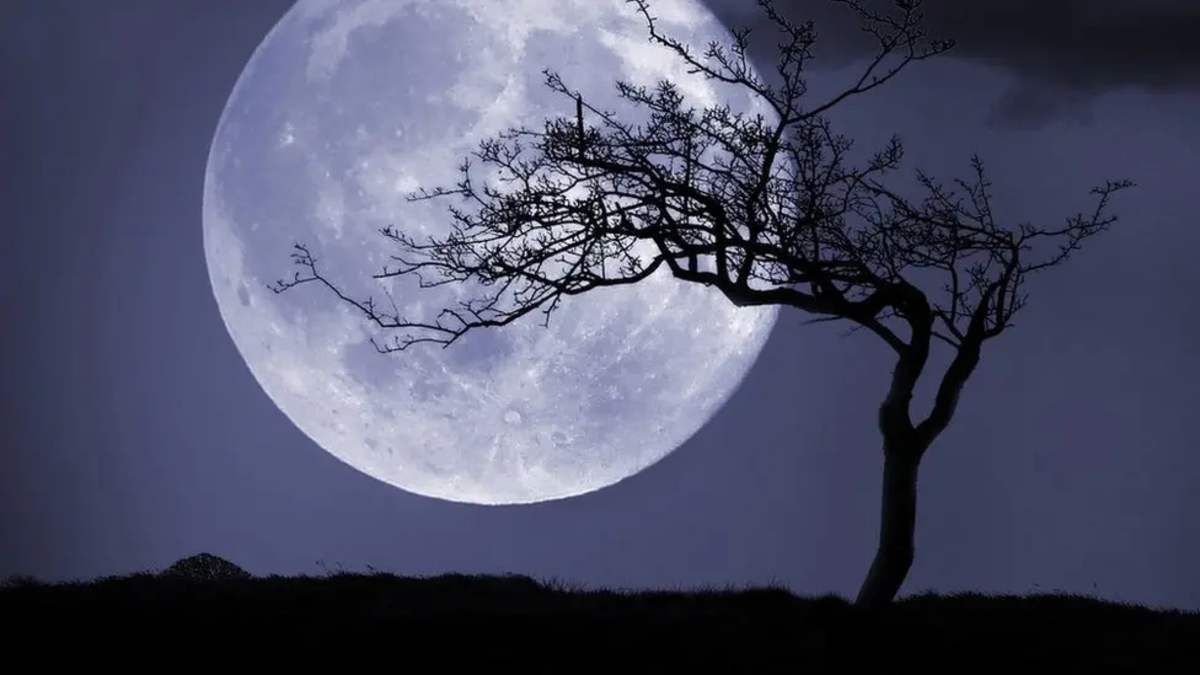
The sky spectacle doesn't stop there, the second full moon - the Blue Moon - reaches its peak at 4:45 a.m. EDT on May 31 (08:45 GMT). Did you know that Blue Moons appear rarely, on average, once every two to three years? There won't be two full moons until December 2028. The moon can appear blue on rare occasions. This happens when tiny particles in the air, typically of smoke or dust, scatter away red wavelengths of light, causing the Moon to appear blue in color. According to NASA, a Blue Moon occurs when we see the full moon twice in a single month. The Moon's cycle is 29.5 days, making it shorter than the average length of a calendar month. Eventually, that gap results in a full moon happening at the beginning of a month with enough days still remaining for another full cycle. There are two kinds of Blue Moons: a monthly blue moon and a seasonal blue moon.

On May 1, 2026, the Flower moon will shine the brightest, washing out all but the most luminous stars, giving the astro-photographers a coveted opportunity to take Moon pictures if they use a tripod and a telephoto lens. During this period, Spica, a gorgeous blue-white star that is a part of the Virgo constellation, can be located slightly higher to the right of the Moon. To the Moon's upper left, Arcturus in Bootes can be spotted, which is a star with a red-orange color. Stars aside, there will also be some planets visible in the sky. Venus, which appears very bright in the western sky just after sunset, will be followed closely by Jupiter, making an attractive bright pair. Early risers on May 2, 2026, can spot Saturn quite low on the eastern horizon, and not far from it, Mars will be a very faint light.
More On Starlust
'Flower Moon' of May 2025: Here's how to witness the full moon rise in the night sky
April 2026 skywatching guide: Full Pink Moon and other stunning events to watch this month