Rubin Observatory’s early data uncovers over 11,000 new asteroids
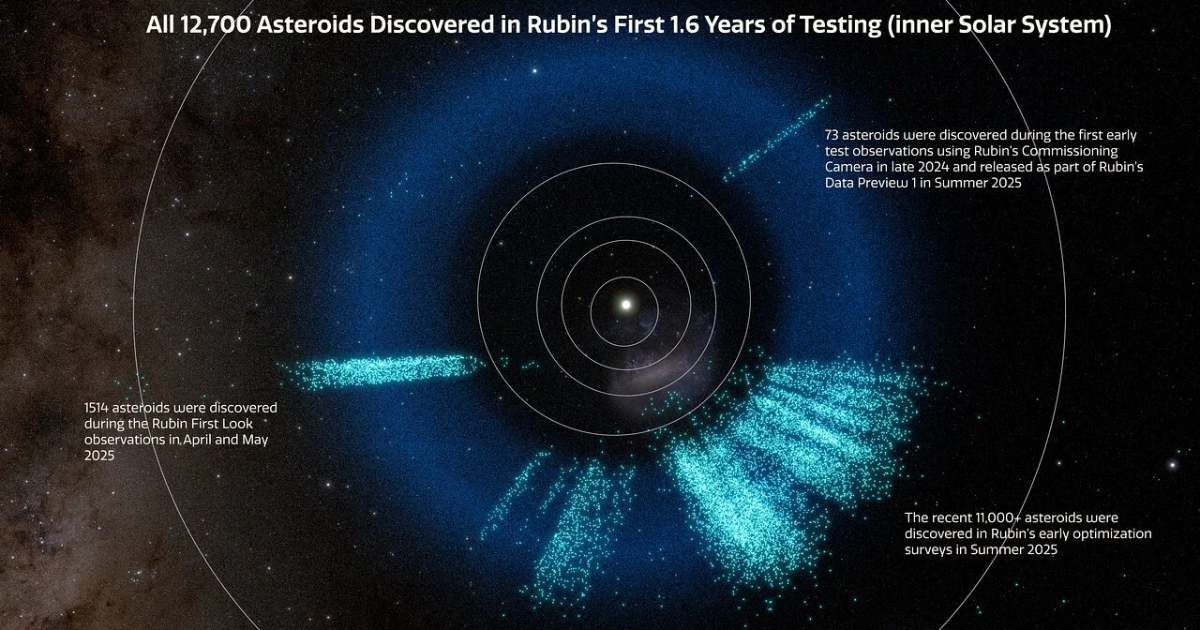
Using the Rubin Observatory’s most powerful Simonyi Survey Telescope and preliminary data from the National Science Foundation (NSF) and the Department of Energy (DOE), scientists have recently spotted over 11,000 asteroids, including 33 near-Earth objects (NEOs) and 380 distant trans Neptunian bodies (TNOs). These findings were confirmed by the International Astronomical Union’s Minor Planet Center, according to a report by Vera C. Rubin Observatory on April 2, 2026.
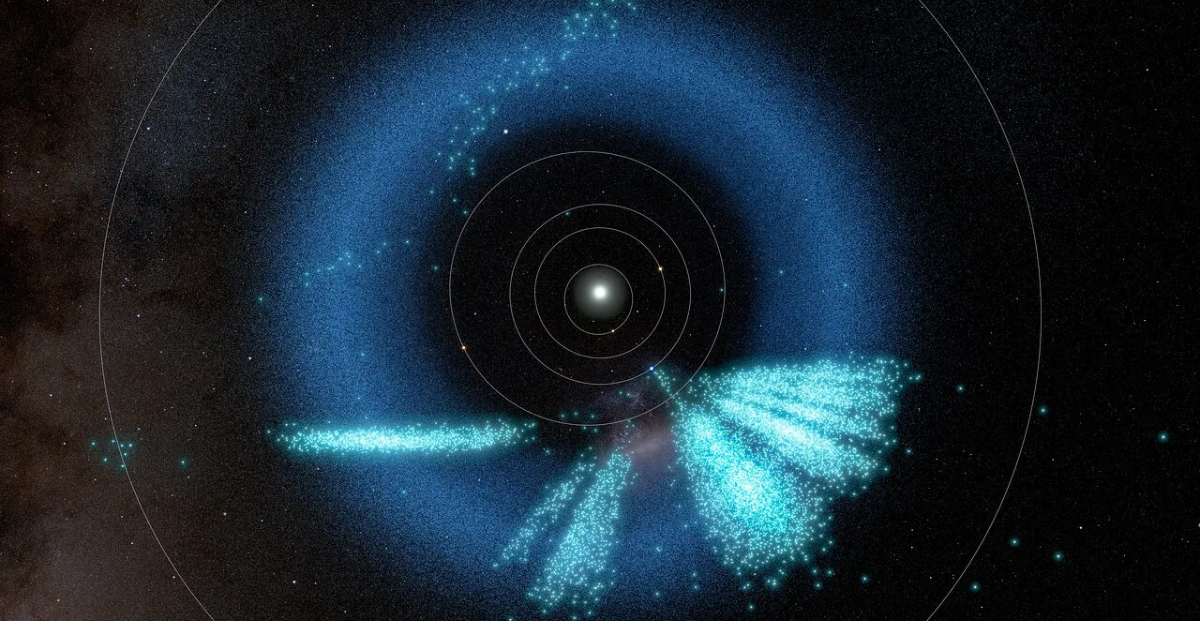
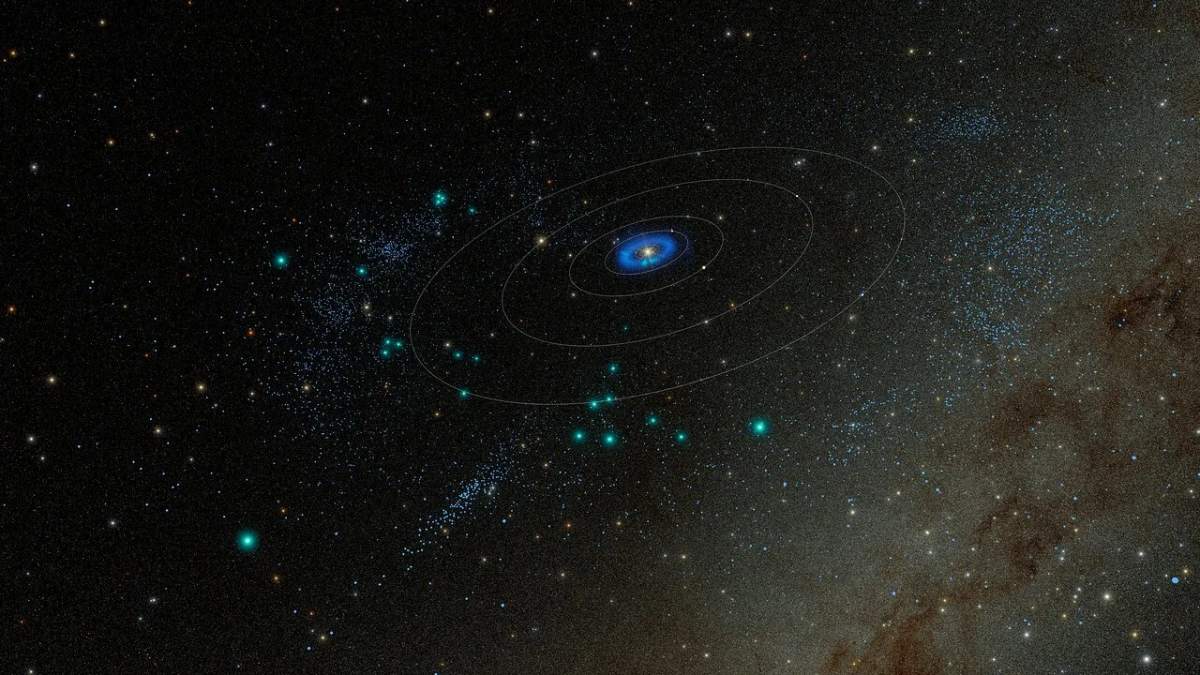
According to the researchers, “lost” asteroids are now being recovered from the latest submission to the International Astronomical Union’s Minor Planet Center. This dataset includes nearly one million observations collected over just a month and a half by the Vera C. Rubin Observatory. Equipped with a massive mirror, the world’s largest digital camera, and AI-powered software, the observatory can scan these observations with remarkable speed and accuracy, picking faint, fast-moving objects that were earlier difficult to track due to uncertain orbits. Now, users can even interact with these discoveries through the Rubin Orbitviewer, which uses real-time data to explore our cosmic neighborhood, and visit the Rubin Asteroid Discoveries Dashboard to learn more about newly identified objects.
“Rubin’s unique observing cadence required a whole new software architecture for asteroid discovery,” says Ari Heinze, University of Washington, who, together with Jacob Kurlander, a graduate student at the University of Washington, built the software that detected them. “We built it, and it works. Even with just early, engineering-quality data, Rubin discovered 11,000 asteroids and measured more precise orbits for tens of thousands more. It seems pretty clear this observatory will revolutionize our knowledge of the asteroid belt.” This is a joint program of NSF NOIRLab (managed by the Association of Universities for Research in Astronomy (AURA)) and DOE’s SLAC National Accelerator Laboratory.
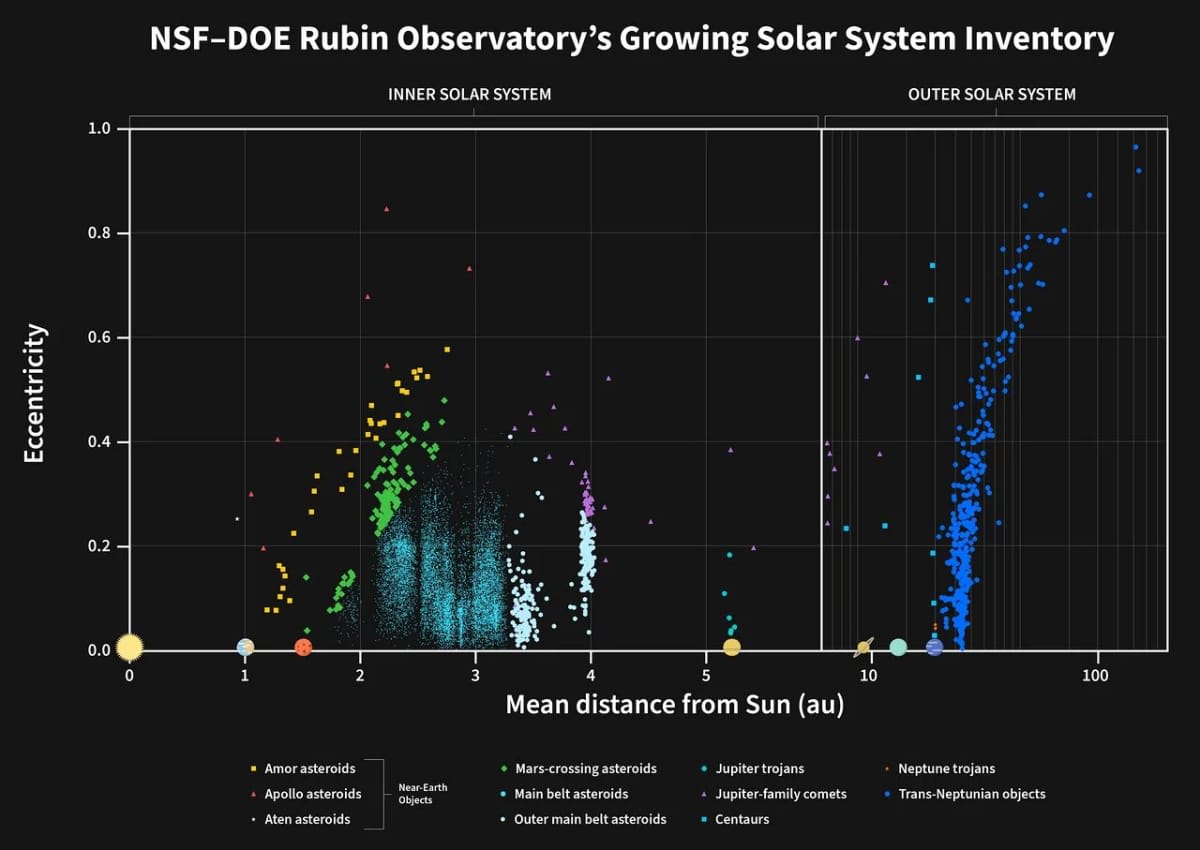
Although the NEOs do not pose a threat, their discovery remains crucial for planetary defence. There are 33 previously unknown NEOs, including small asteroids and comets whose closest approach to the Sun is less than 1.3 times the distance between the Earth and the Sun. None of these newly discovered NEOs mean any harm to the Earth, including the largest, measuring about 500 meters across. However, the researchers at Rubin’s observatory are closely monitoring objects larger than 140 meters, as they could cause significant damage on Earth. So far, only about 40 percent of mid-sized NEOs have been identified in the new discovery.
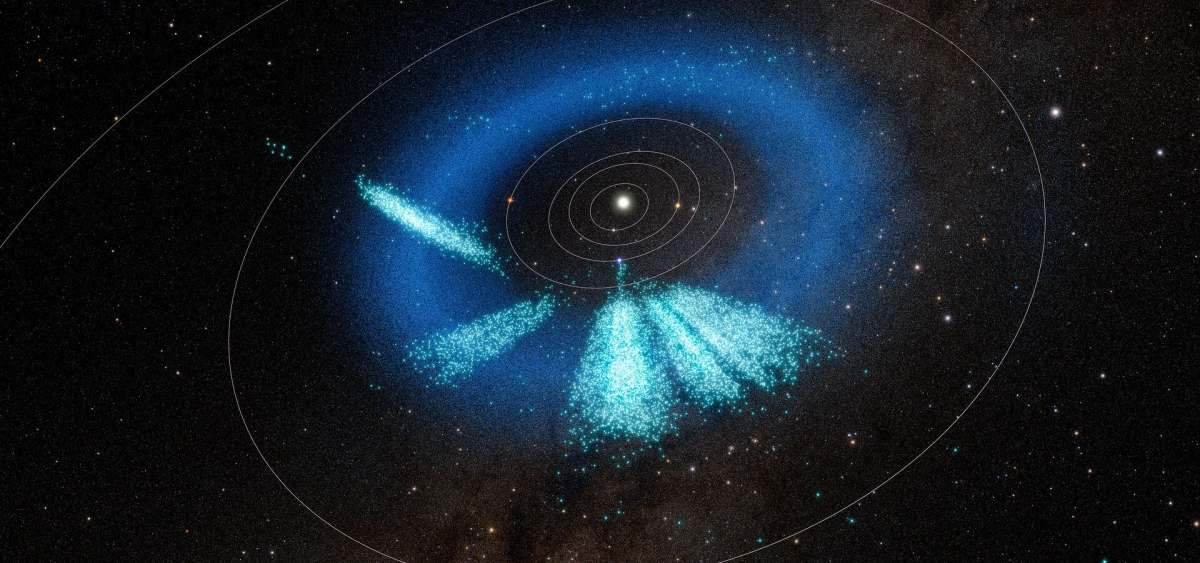
“Objects like these offer a tantalizing probe of the Solar System’s outermost reaches, from telling us how the planets moved early on in the Solar System’s history, to whether a hitherto undiscovered 9th large planet may still be out there,” says Kevin Napier, a research scientist at the Harvard-Smithsonian Center for Astrophysics who has developed the algorithms to detect distant Solar System objects with Rubin data along with Holman.
Amongst the newest discoveries, there are about 380 TNOs, which are icy bodies orbiting beyond Neptune. “Searching for a TNO is like searching for a needle in a field of haystacks — out of millions of flickering sources in the sky, teaching a computer to sift through billions of combinations and identify those that are likely to be distant worlds in our Solar System required novel algorithmic approaches,” says Matthew Holman, a Senior Astrophysicist at the Center for Astrophysics | Harvard & Smithsonian and former Director of the Minor Planet Center, who spearheaded the work on the TNO discovery pipeline.

The space researchers believe that this is just the beginning. Once the decade-long Legacy Survey of Space and Time (LSST) begins later this year, and the Rubin Observatory becomes fully operational, it is expected to uncover nearly 90,000 additional NEOs. “This first large submission after Rubin First Look is just the tip of the iceberg and shows that the observatory is ready,” says Mario Juric, faculty at the University of Washington and Rubin Solar System Lead Scientist. “What used to take years or decades to discover, Rubin will unearth in months. We are beginning to deliver on Rubin’s promise to fundamentally reshape our inventory of the Solar System and open the door to discoveries we haven’t yet imagined.
More On Starlust
ESA’s Hera probe to catch up with Didymos, home to the only asteroid ever deflected by humans