What will the Artemis II crew do each day of the mission? A look inside their daily agenda
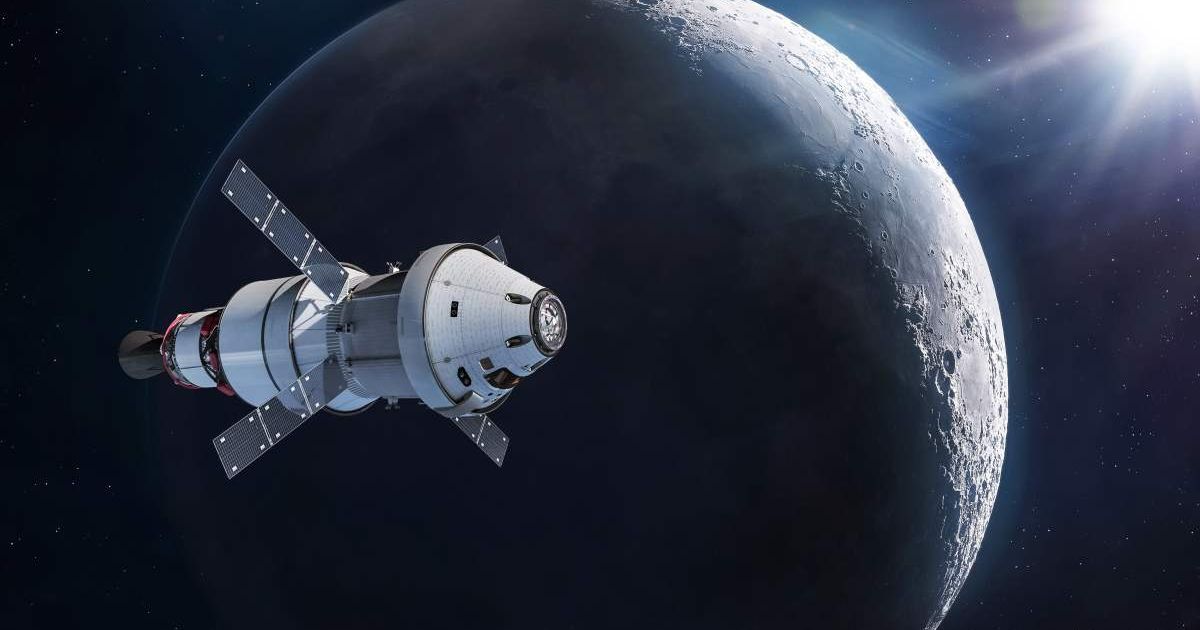
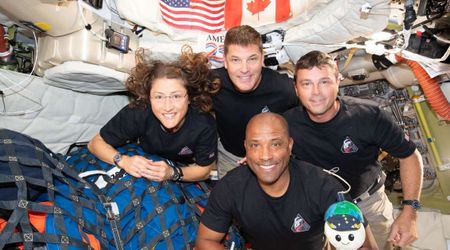
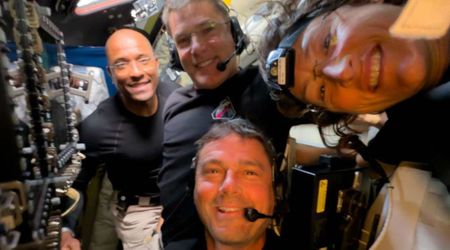
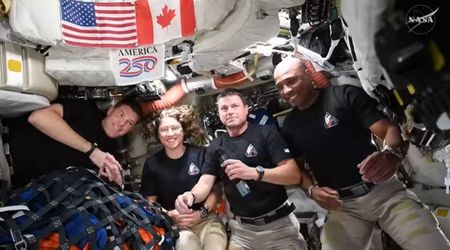
With Artemis II set to launch as early as April 1, 2026, thanks to an encouraging Flight Readiness Review, NASA has released the daily agenda of the 10-day test flight. The crew—NASA's Reid Wiseman, Christina Koch, Victor Glover, and the CSA's Jeremy Hansen—will be thrust into space by the SLS (Space Launch System) rocket approximately 8 minutes after liftoff with the objective of checking the Orion spacecraft's systems on their way around the Moon and back. And while the finer aspects of the schedule are subject to change, here's a broad idea of what the crew will be up to on each day of the mission.

Launch Day - Day 1
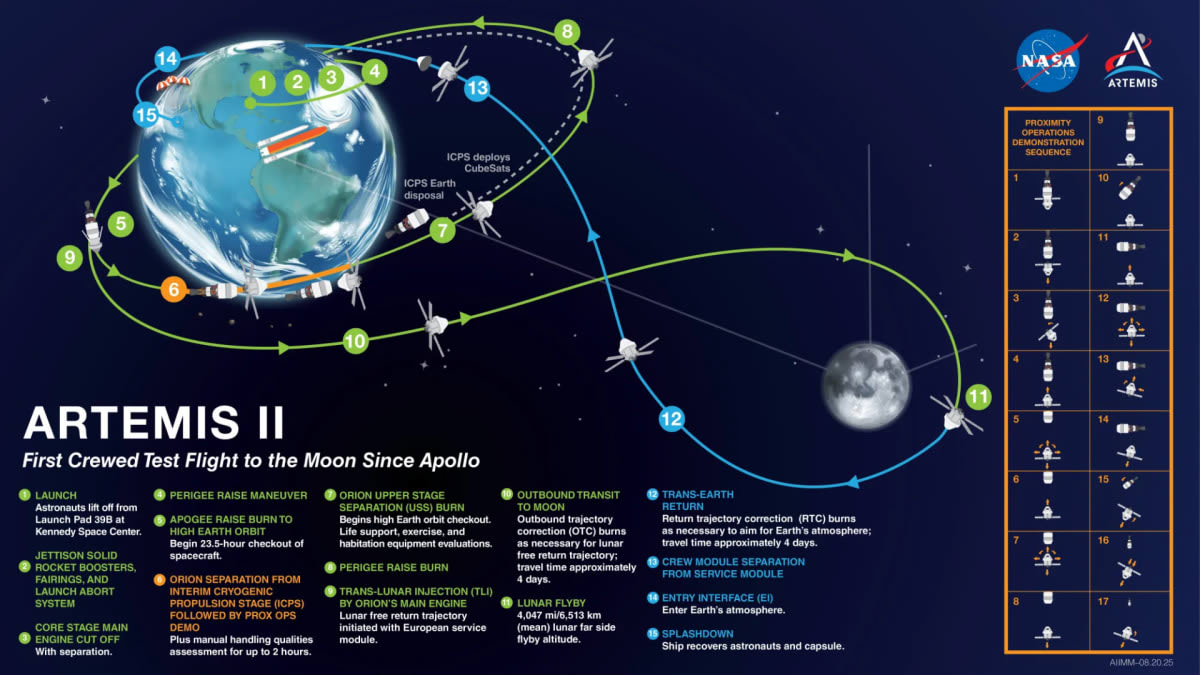
Once the rocket’s main engines cut off, Orion and the interim cryogenic propulsion stage (ICPS) will detach from the rest of the rocket, with the latter blazing to raise the perigee, lowest point of a spacecraft’s orbit, to an altitude of 100 miles above Earth about 49 minutes after launch and then to raise it to high-Earth orbit an hour later. Once in orbit, the crew will have 23 hours to perform a thorough check of Orion’s systems, ensuring everything from the portable water dispenser and the toilet to the carbon dioxide removal system is operating properly. The crew will also take off their orange spacesuits and rearrange the interior of Orion so that its cabin functions comfortably as a living space for them over the next ten days.
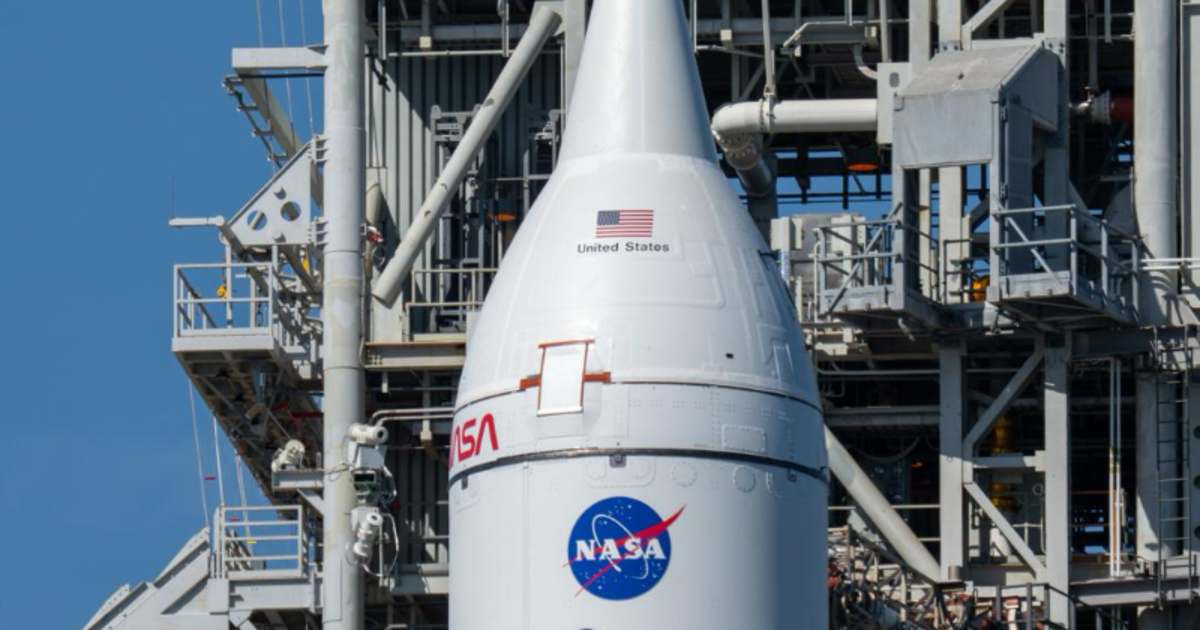
Three hours into the mission, NASA will also test Orion's operational capabilities, where the ICPS will be will separate from Orion and will be repurposed as a docking target, allowing the crew to practice flying towards and around it in a proximity operations demonstration, after which the ICPS will depart for the Pacific Ocean. The crew will rest for four hours (eight-and-a-half hours into the mission) after that, following which a final engine firing will be performed of the Orion to achieve the correct orbital trajectory for the translunar injection (TLI) burn on day 2. At this stage, the astronauts will also need to check if the emergency communications on the Deep Space Network are working properly before retiring for the day.
Day 2
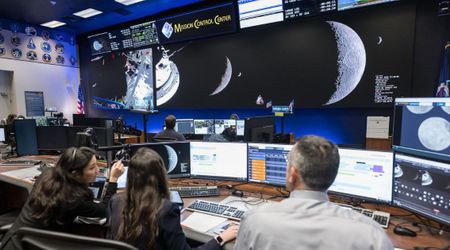
On day 2, astronaut Christina Koch will prepare Orion’s main engine for the TLI burn—the final major engine firing, which will set the spacecraft on the path to the Moon. Since the spacecraft is using a ‘free-return trajectory’ to travel around the far side of the Moon, the TLI burn will also essentially set the crew on their path back to Earth. After the TLI, the crew will acclimatize themselves to life in space and will also have an opportunity to video chat with mission control on Earth—the first of many that will take place throughout the Moon mission, with the exceptions of day 7 and day 10. Day 2 also has physical workouts for each of the four crew members on its agenda. Wiseman and Glover are scheduled to work out in the first half of the day after they have set up and tested the flywheel exercise device, while Koch and Hansen will work out in the second half.
Day 3
The third day will involve adjustments to Orion's trajectory to ensure it is on the right path to the Moon. Jeremy Hansen will prepare the spacecraft for the first of the three smaller engine firings, scheduled to occur after the midday meal. The rest of the day will be spent performing a variety of checkouts and demonstrations, including CPR procedures and the examination of medical tools like a thermometer, blood pressure monitor, stethoscope, and otoscope. Koch will test the emergency communications system on the Deep Space Network in the second half of the day, while the entire crew will gather to rehearse the choreography for the scientific observations for day 6, when Orion will be the closest to the Moon.
Day 4
On day 4, the second outbound trajectory correction burn will be executed to refine Orion’s path to the Moon. On the other hand, the crew will spend their time preparing and reviewing the geography targets that they are expected to capture on day 6. They will also have 20 minutes set aside on the schedule for taking photos of celestial bodies through the spacecraft’s windows.
Day 5
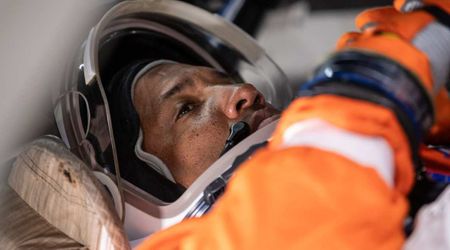
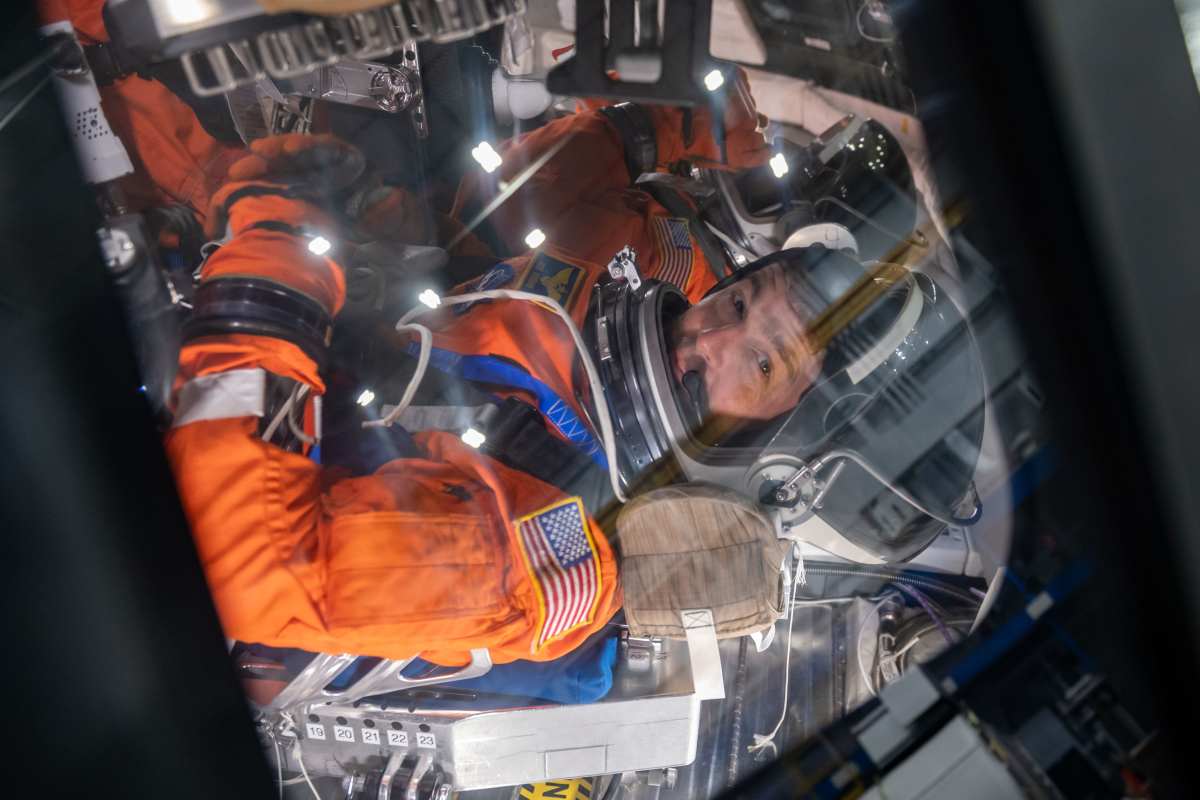
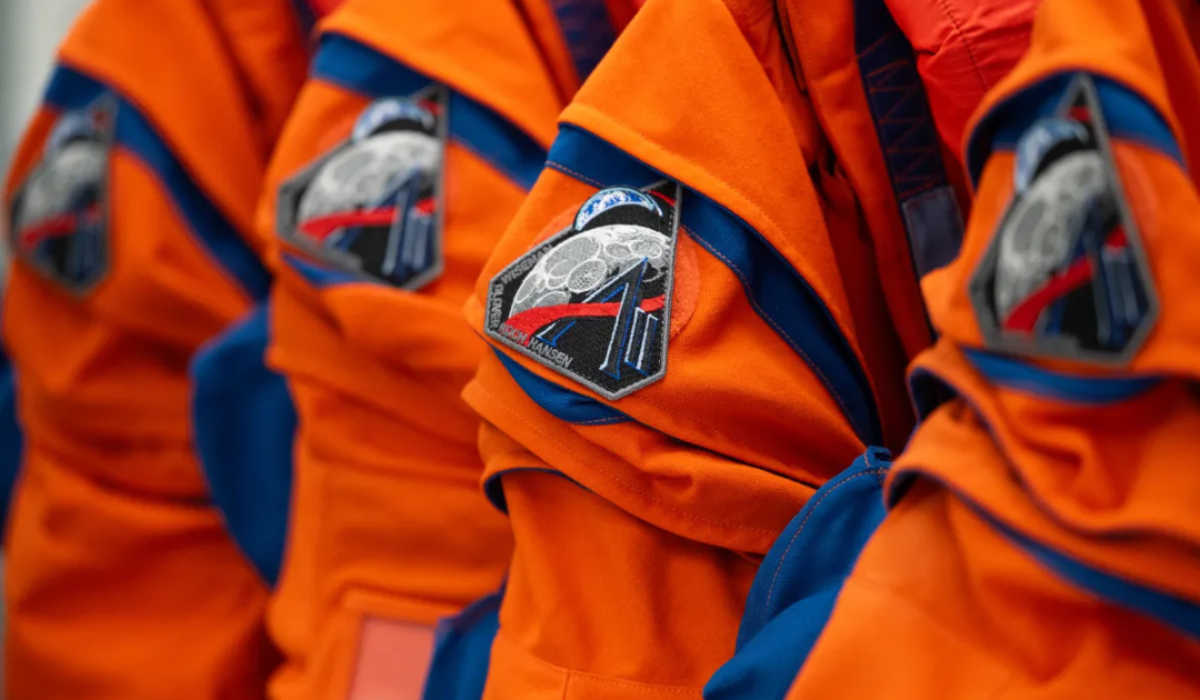
This day will mark the halfway point of the mission as the spacecraft will officially enter the Moon’s neighborhood. At this point, the Moon's gravity will have a stronger on the spacecraft than the pull of the Earth. The crew will put the Orion crew survival system spacesuits to the test, with the entire morning devoted to it. These orange suits, which will be used for the first time in space, are meant to protect the crew during launch and re-entry. And if Orion depressurizes, the suits will provide the astronaut with a breathable atmosphere for up to six days. Testing the suits will involve quickly putting them on and depressurizing them, installing seats and getting into them with the suits on, and eating and drinking through a port in them. The final outbound trajectory correction will take place in the afternoon.
Lunar Flyby - Day 6
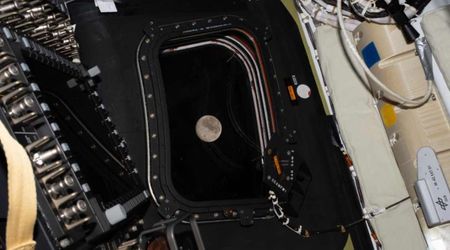
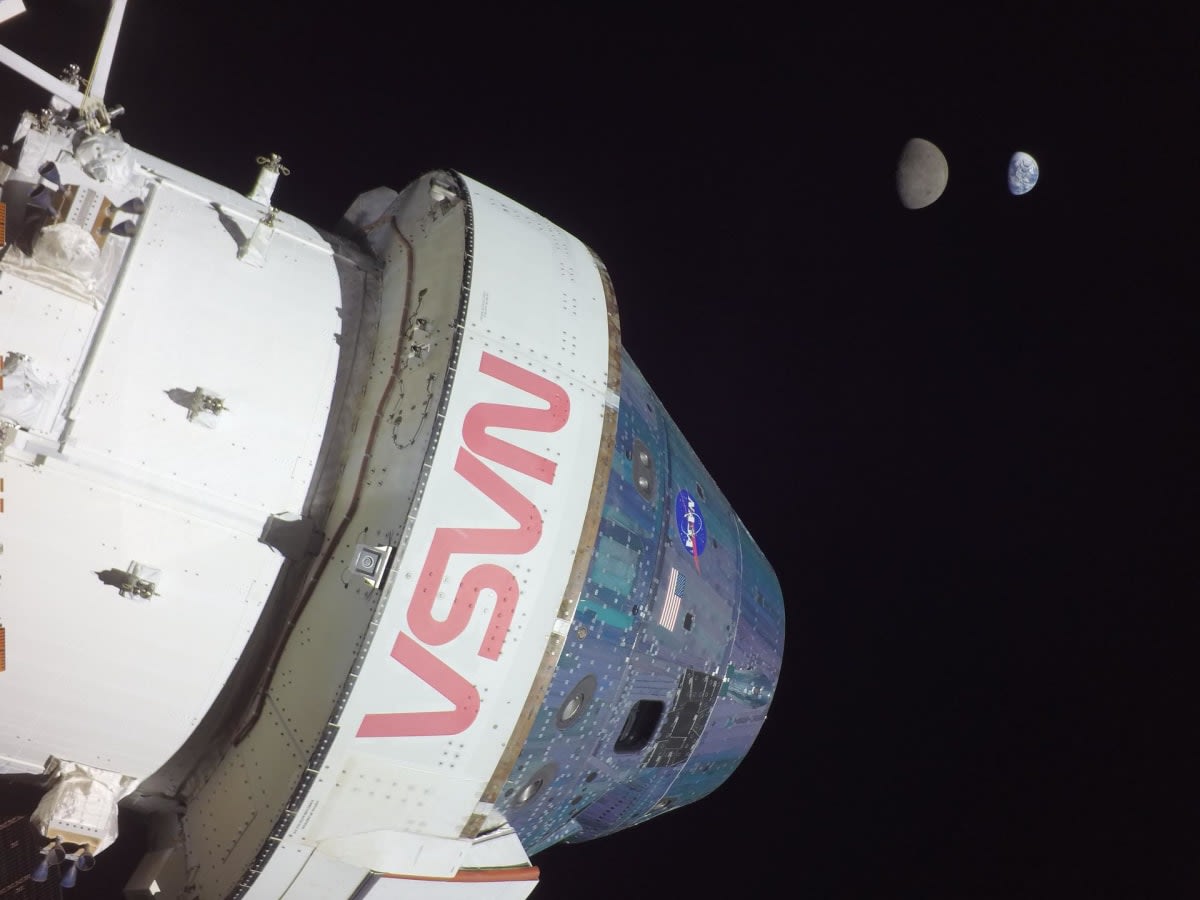
On day six, the Artemis II crew will reach their closest approach to the Moon while traveling the farthest from Earth, signifying a revolutionary moment. If everything goes according to plan, the mission could possibly set a record for the farthest anyone has travelled from Earth, breaking the current record of 248,655 miles, set by the Apollo 13 crew in 1970. It is unclear exactly what the distance will be, but there is a possibility that the mission will travel as far as 4,000 to 6,000 miles of the lunar surface, with the Moon appearing like a basketball held at arm's length. This will provide the astronauts with the perfect opportunity to take photos and videos of the Moon and record their observations of the lunar surface, revealing parts of it that no one has ever seen. The crew will be unaware of the exact lighting conditions they will encounter when they encounter the Moon, as they depend on the Sun's position. The crew will lose communication with Earth for 30-50 minutes when they pass behind the Moon but will continue to record their observations in real time while taking photos and videos so that their observations can be linked with the imagery later.
Day 7 and 8
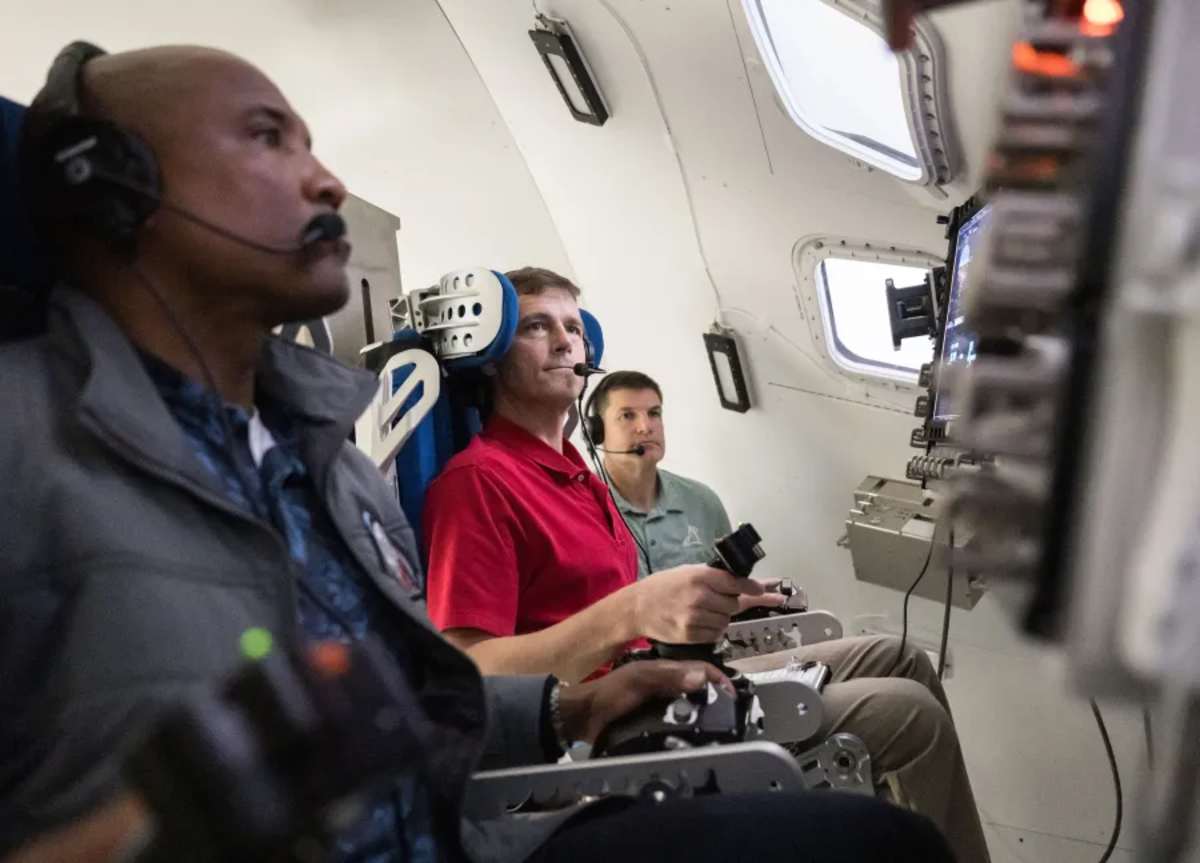
On day 7, Orion will exit from the Moon's sphere of influence after the exciting feat of the previous day. A few communication sessions are planned for the day, with a ground chat on fresh lunar views, followed by the first of three planned trajectory correction burns of Orion’s engine to refine its path back home. For most of the remaining time, the astronauts will rest. For the next day, two Orion demonstrations are planned. One will involve the crew examining their ability to protect themselves from high-radiation events like solar flares. The other demonstration will involve checking Orion's manual piloting capability.
Day 9
The final full day in space, day nine, will see the crew preparing for re-entry and splashdown. Before getting back home, they will review these procedures with the flight control team. They will also perform a trajectory correction burn to stay en route to Earth. Certain demonstrations will also be on the agenda—such as those of the waste collection systems if Orion's toilet doesn't work properly and those of orthostatic intolerance garment fit checks.

Day 10
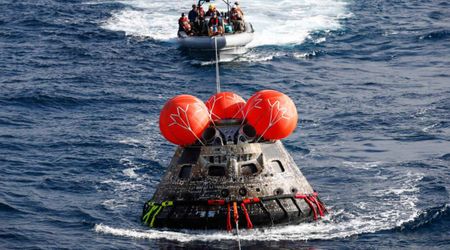
On day ten, the final day of the Artemis II mission, the focal point will be safely bringing the crew back home. The final trajectory correction burn will be performed to guide Orion to splashdown. The interior of the cabin will be prepared as done on launch day, with equipment stowed, seats in place, and the crew donning their orange spacesuits for the last time. Once the time arrives, the crew module will separate from the service module, exposing the heat shield that will protect the crew as they re-enter the Earth’s atmosphere at a blazing speed, where temperatures will soar as high as 3,000 degrees Fahrenheit. After that phase has passed and the heat has subsided, the protective cover of the flight that shields the forward bay will be discarded, facilitating the deployment of a series of parachutes. This will slow Orion's speed to about 17 mph, where the spacecraft will elegantly splash down in the Pacific Ocean.
More on Starlust
Artemis II: NASA to roll out SLS rocket to the launchpad on March 19, targets April 1 for launch