What happens if Artemis II launch is scrubbed tonight? Backup opportunities, turnaround time and more
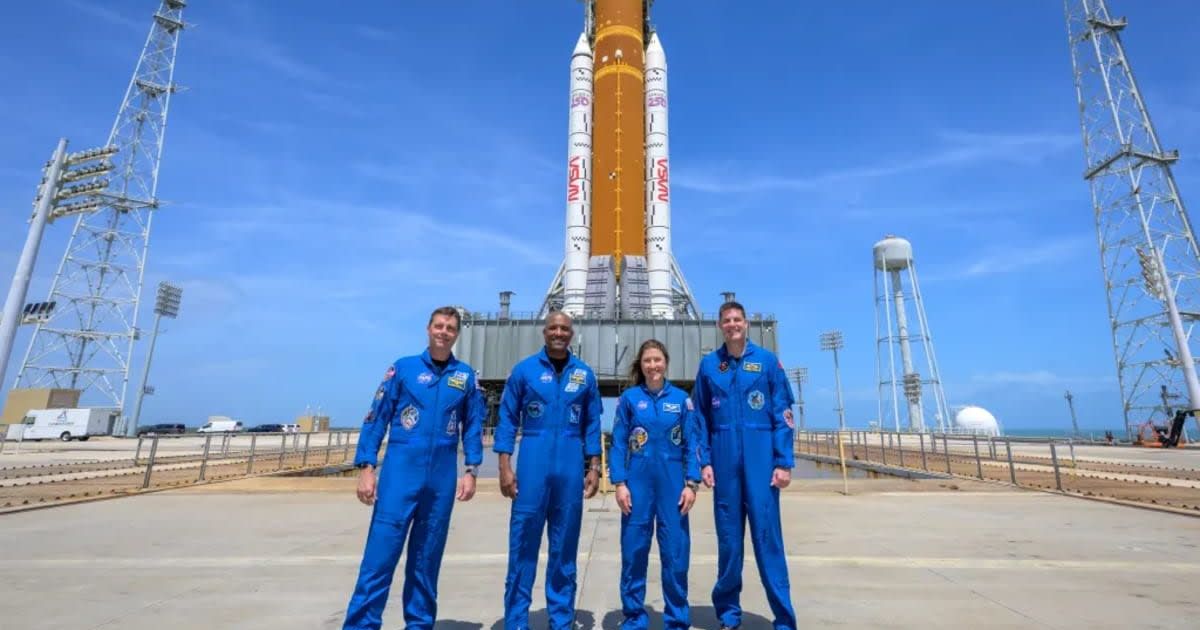
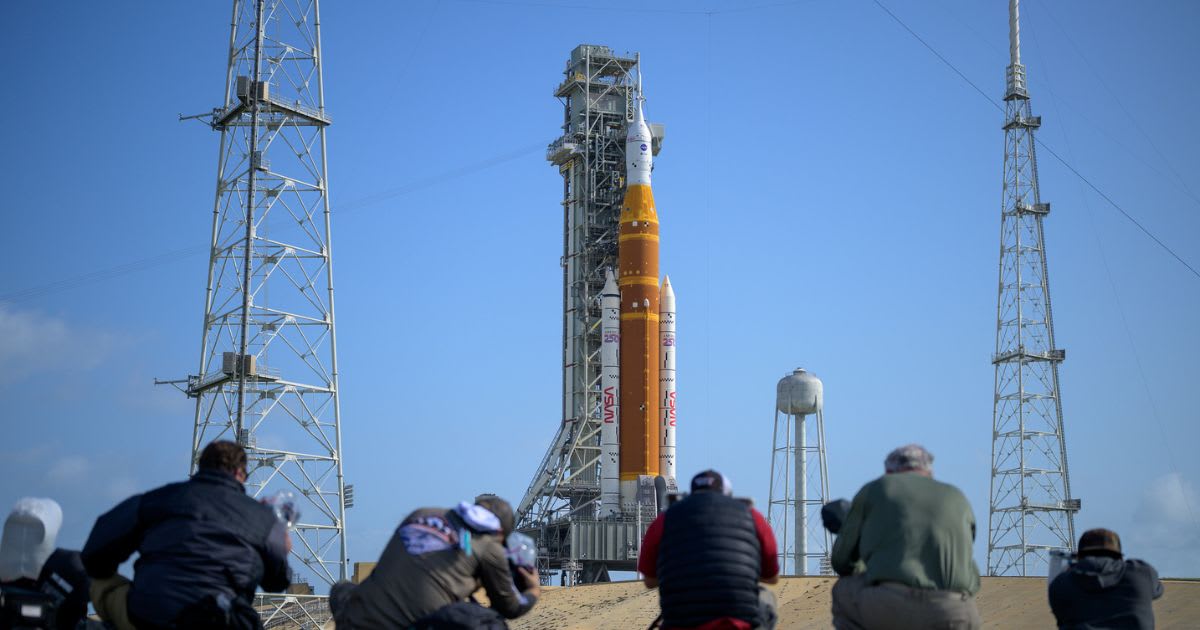
Today's two-hour launch window for Artemis II opens at 6:24 p.m. EDT, with the Space Launch System rocket currently being readied at the Kennedy Space Center for liftoff. And while things have progressed smoothly since the launch countdown began, there's always a chance that anomalies or unfavorable conditions could force NASA's mission managers to call off today's launch. So what happens if that comes to pass?
Well, for starters, additional opportunities extend all the way through April 6, with one more at the end of the month on April 30. And much like today, each day has a two-hour launch window. But with all that said and done, there's a catch. During the first six days of this month, NASA will only be able to attempt a maximum of four launches because of alternative turnaround periods of 48 hours and 24 hours, respectively.
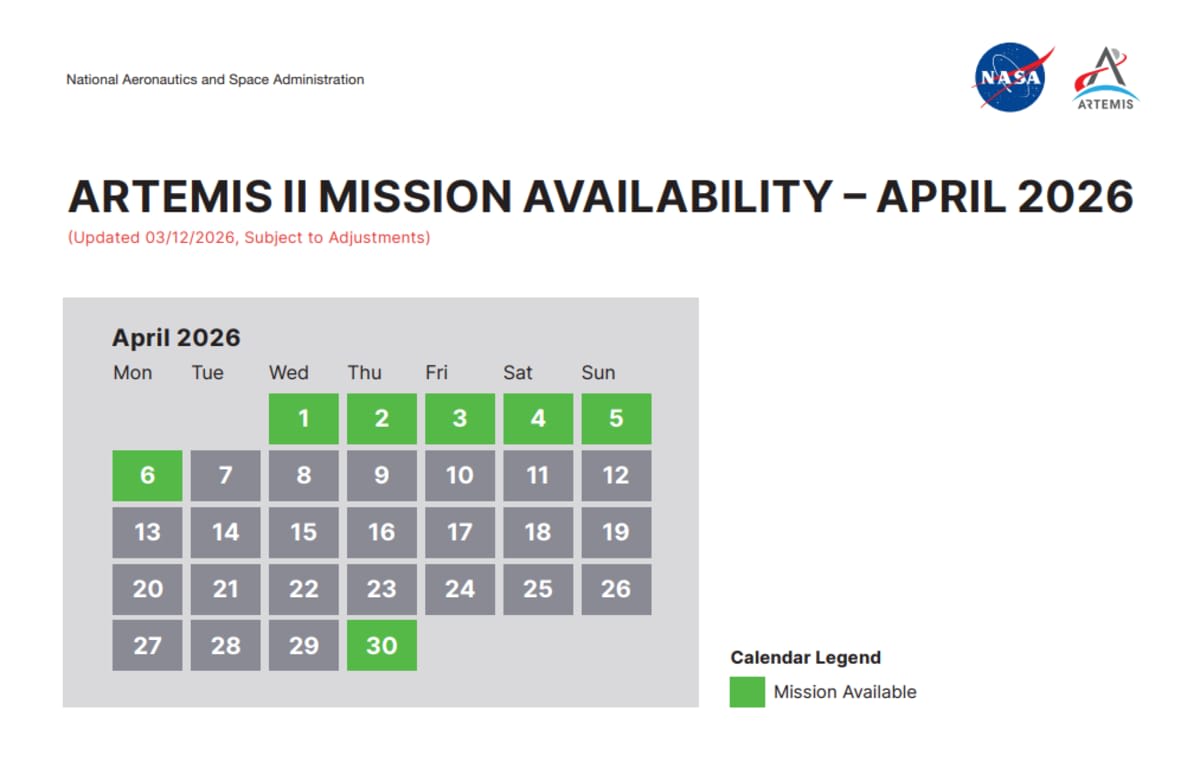
"Right now we're set up for 48- and 24-hour capabilities throughout," said Jeff Spaulding, the test director with the Exploration Ground Systems program, during the L-1 Countdown Status News Conference on March 31. "We have four launch attempts available to us in six days, and we'll take a combination of that... Our sort of baseline or preferred method is to do a 48, then go into 24, and then followed by 48 to set us up for LOX (liquid oxygen) tankers."
Our work on the @Space_Station has provided the foundation to explore further, preparing us to return humans to the Moon this week. Stay tuned as we enter the @NASAArtemis era! Expedition 74 will certainly be keeping a close watch.
— Jessica Meir (@Astro_Jessica) March 30, 2026
Godspeed, Artemis II! pic.twitter.com/VUm8gcarwU
Of course, whether the agency is able to mount an attempt also depends on the weather and a number of other technical factors. "When we determine the date, we set up for dates, and then we adjust as we need to based on what happened during [the launch window] that kicked us out for the scrub or any other types of things," Spaulding added. In fact, according to NASA, the mission has the best chance of launching successfully today itself.
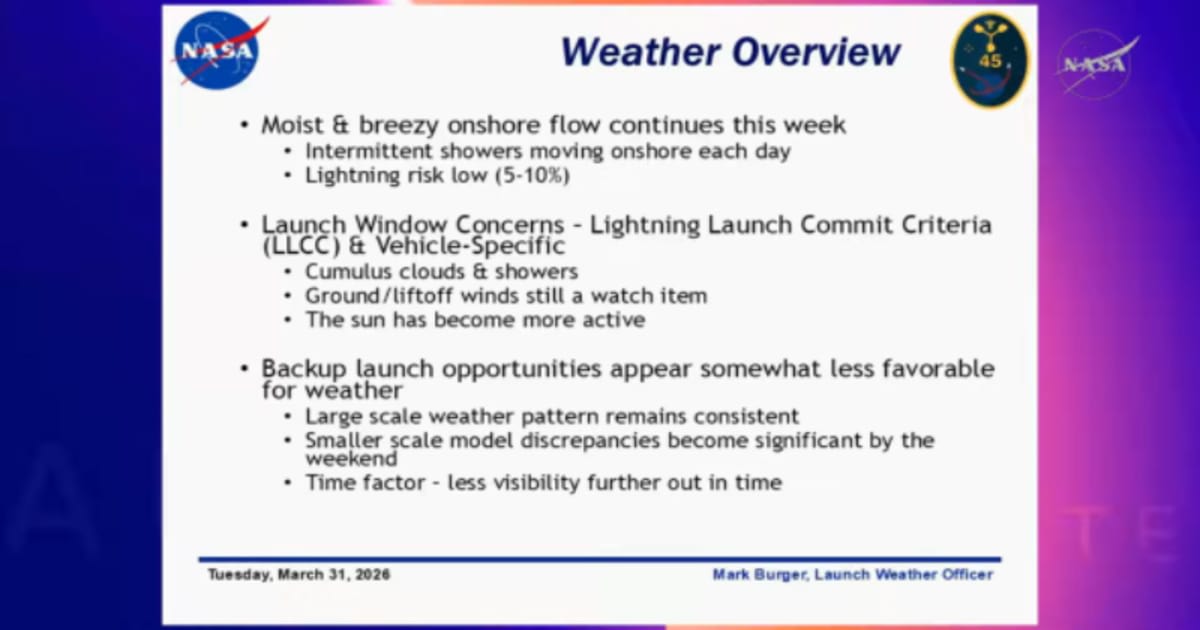
“Tomorrow (April 1) looks to be the best. Other days—hit and miss—but still pretty good... tomorrow still looks to be probably the most optimum day of the lot," said Mark Burger, the launch weather officer of the 45th Weather Squadron, Cape Canaveral Space Force Station, at the same event. Indeed, NASA reports an 80% chance of favorable weather conditions for today, with primary yet minor concerns surrounding cumulus clouds, ground winds, and solar weather. There could be some lightning as well, but again, the chances of that are 5-10%.
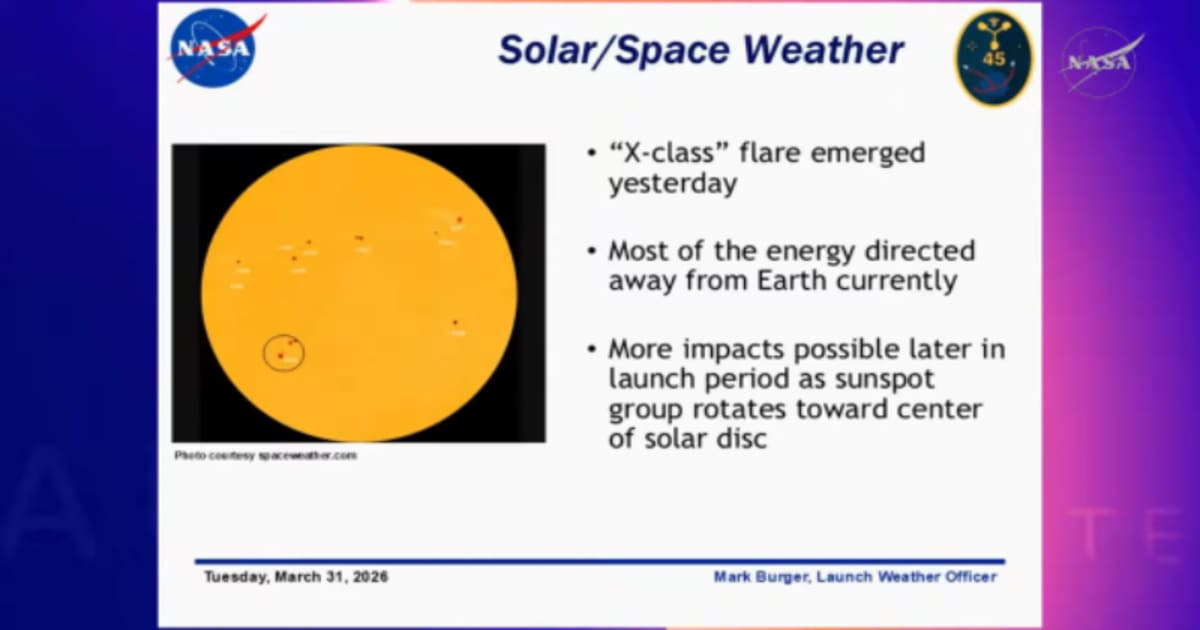
So NASA, and the whole world for that matter, will be hoping that nothing goes south today, especially given how the mission has already suffered a number of delays. The NASA+ live coverage of the launch begins at 12:50 p.m. EDT today.
More on Starlust
Artemis II will be visible from Florida and southern Georgia—here's exactly when to look up
Full Pink Moon to illuminate Artemis II launch: What Moon phase will the crew see in low Earth orbit