ULA's Vulcan rocket completes mission for US Space Force despite 'significant performance anomaly'
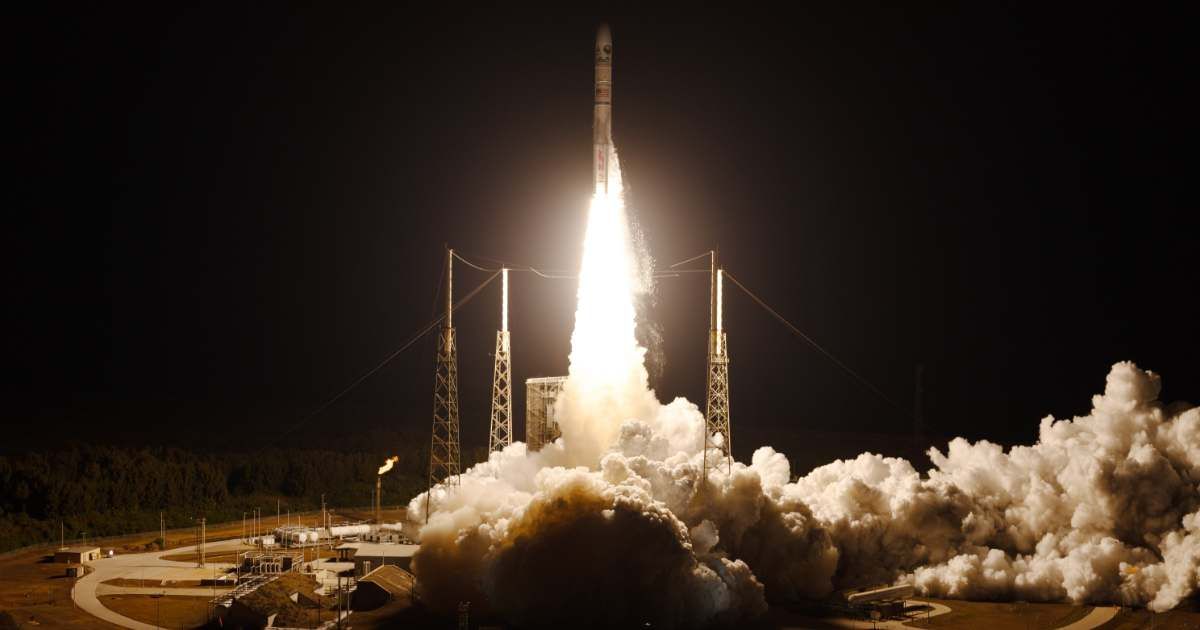
United Launch Alliance’s Vulcan Centaur rocket successfully launched the USSF-87 mission on Thursday, according to a recent press release by the SSC (Space Systems Command) of the United States Space Force (USSF). In an event reminiscent of SpaceX’s Falcon 9 rocket’s recent mission, despite an anomaly early in flight, it ended up delivering critical payloads to orbit. The launch occurred at 4:22 am EST on February 12, 2026, from Space Launch Complex 41 at Cape Canaveral Space Force Station in Florida, marking the second National Security Space Launch for the Vulcan rocket. The primary payload of the Geosynchronous Space Situational Awareness Program (GSSAP) was inserted roughly 6.5 hours after liftoff.
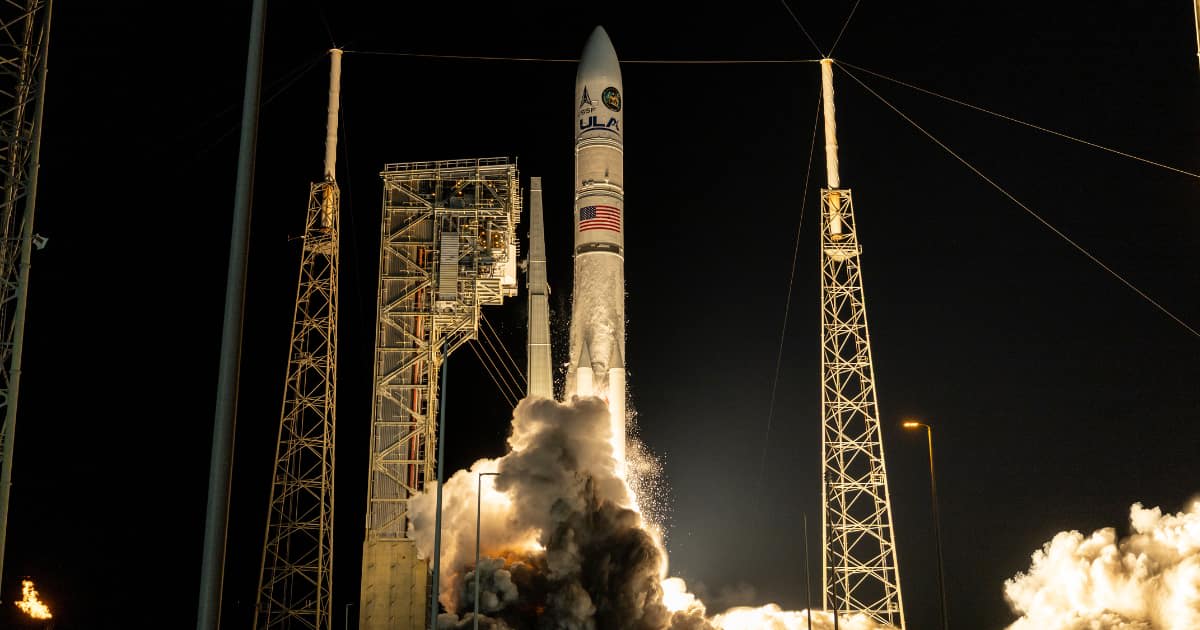
ULA’s Vulcan System Program Director Stephen Burke praised all teams involved for their efforts, stating, “We’re proud of everyone and the work they’ve done to make today’s launch a success and increase America’s warfighting capability.” Gary Wentz, the ULA vice president of Atlas and Vulcan Programs, said that during the early stages of the flight, "a significant performance anomaly" was observed in one of the rocket's four solid motors. "Despite the observation, the Vulcan booster and Centaur performed nominally and delivered the spacecraft directly to geosynchronous orbit,” he added in a statement released by the company. About the measures being taken for future security missions, he said, “The integrated U.S. government and contractor team is reviewing the technical data, available imagery, and establishing a recovery team to collect any debris. We will conduct a thorough investigation, identify the root cause, and implement any corrective action necessary before the next Vulcan mission.”
We had an observation early during flight on one of the four solid rocket motors, the team is currently reviewing the data. The booster, upper stage, and spacecraft continued to perform on a nominal trajectory. pic.twitter.com/lZ7HOsrit0
— ULA (@ulalaunch) February 12, 2026
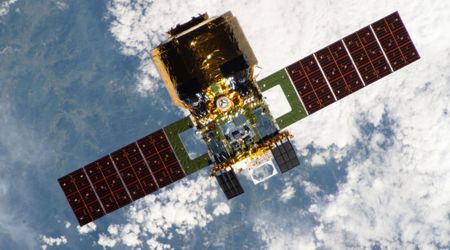
The primary payload, GSSAP, built by Northrop Grumman, serves as a high-performance sensor for the US Space Command’s Space Surveillance Network in near-geosynchronous orbit. It enhances timely detection, characterization, and attribution of disturbances in the geosynchronous environment and will aid in its protection. USSF-87 also carried research, development, and training systems that Guardians will use for the refinement of tactics and procedures for precision on-orbit maneuvers. These payloads are meant to advance space technology and support current and future US Space Force programs. SSC, which falls under USSF, is the custodian of a $15.6 billion annual space acquisition budget for the US Department of War.

Space Systems Command’s System Delta 80 directed the mission, executing the US Space Force’s core function of space access in partnership with the 30th and 45th Space Launch Deltas. The command develops resilient launch infrastructure to maintain America’s leadership in space technology and science. Delta 80 works with joint forces, industry, academia, and allies to protect US strategic advantages.
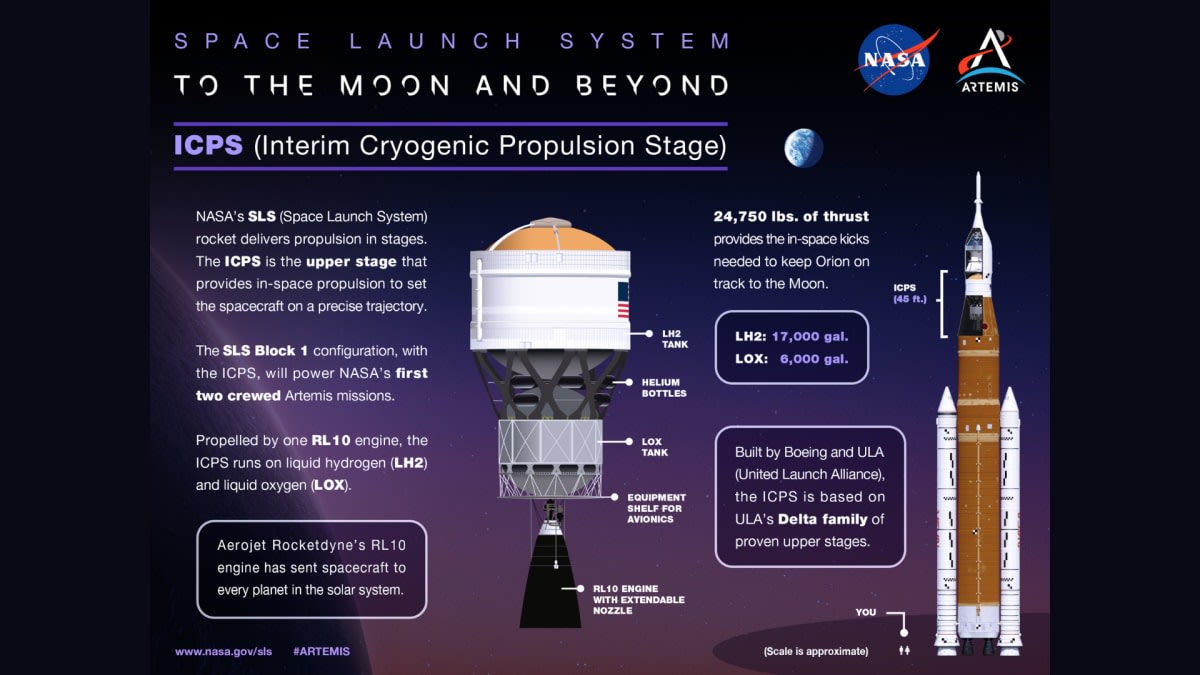
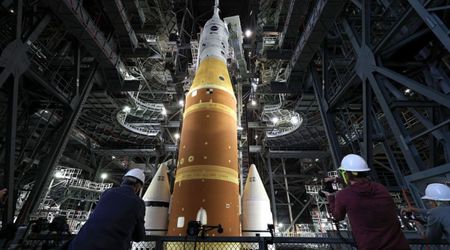
ULA has been a key player in helping deliver US space programs ever since it was founded in 2006. Vulcan Centaur, developed by ULA as a heavy-lift replacement for the Atlas V (which launched Amazon’s Kuiper Satellites), Delta II, and Delta IV rockets, meets the demands of a National Security Space Launch, which is what the USSF-87 mission was. This success underscores ongoing progress in reliable national security launches despite technical troubles. ULA is amongst the many commercial partners of NASA for its upcoming Artemis II mission as well, having collaborated on the construction of the important ICPS component of the SLS rocket, which will help launch humans to the Moon in more than half a century.
More on Starlust
How will Artemis II astronauts stay connected to mission controllers on Earth?
Here's how the Artemis II astronauts prepared for their historic trip around the Moon