‘There's nothing this nation cannot do’: Artemis II astronauts speak with U.S. Congress from space
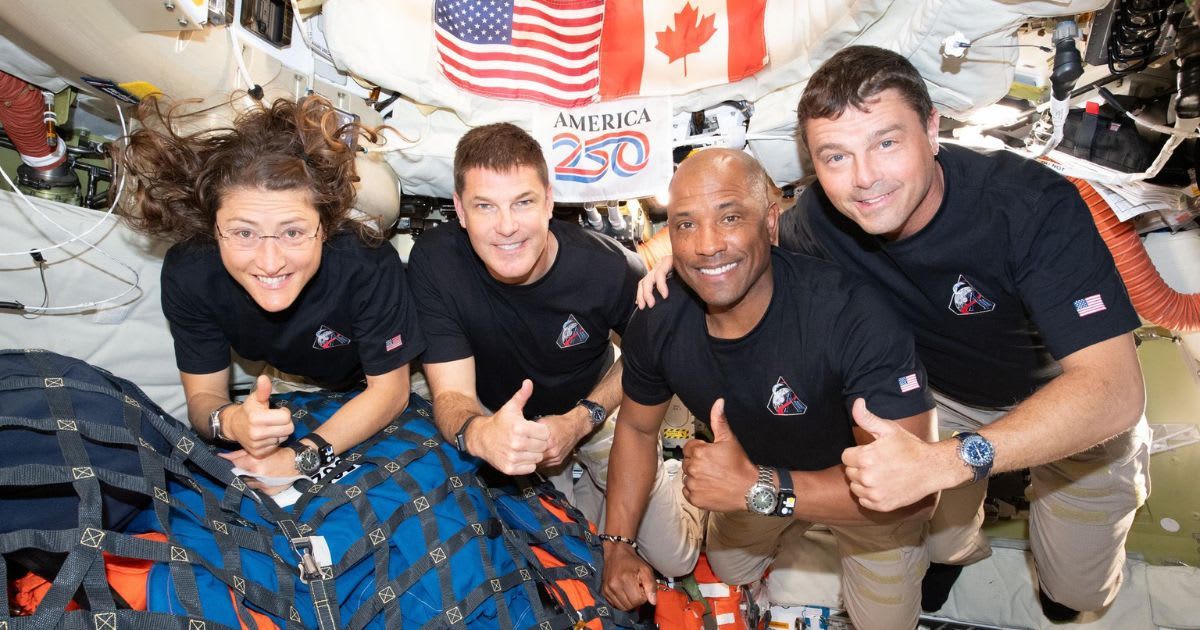
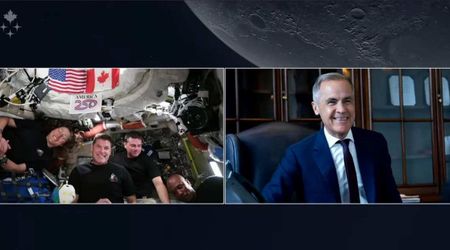
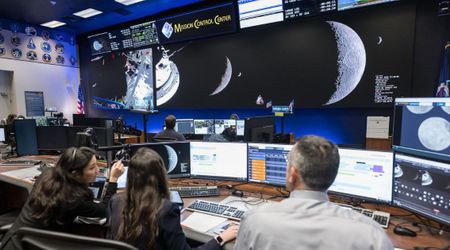
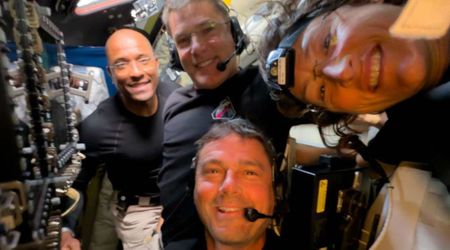
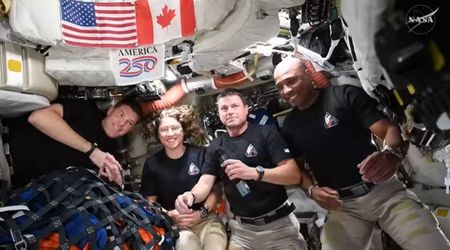
On their way back to Earth following their historic lunar flyby, the Artemis II crew took a brief break from mission activities to interact with members of the United States Congress on Thursday, April 9. NASA Administrator Jared Isaacman served as host for this discussion, which was streamed as part of the agency’s live, uninterrupted coverage of the mission. These Congressional supporters of NASA interviewed the crew on behalf of their constituents across the country.
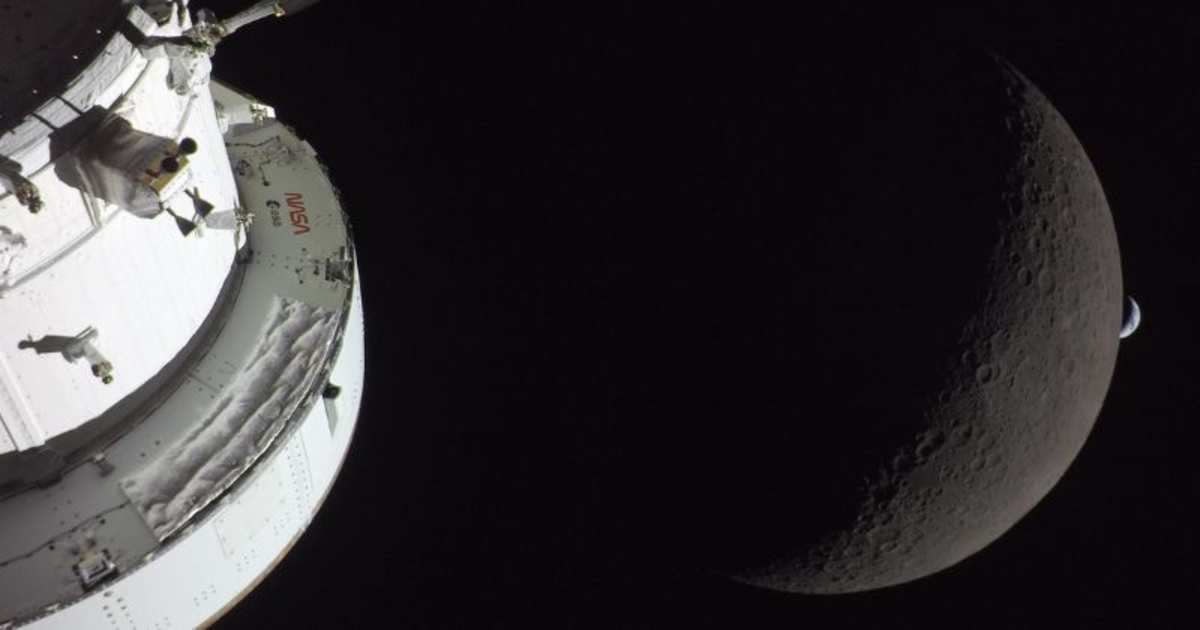
The interaction began with Sen. Ted Cruz of Texas, whose efforts with the One Big Beautiful Bill led to a massive funding boost for NASA. Cruz thanked the crew for inspiring people and called it a profound moment to stand next to someone who was “speaking on behalf of people on Earth,” referring to Isaacman. Responding to Cruz’s question on what the astronauts would tell their ten-year-old selves, mission specialist Christina Koch spoke about finding pictures of herself from a family vacation at Kennedy Space Center, posing in front of the Apollo-era Saturn V rocket. She remarked, “If I could have told that little girl—who took home a picture of Earthrise and hung it in her room—that she would eventually launch from that same place to see that same view, I’m pretty sure she would not believe it.”
Artemis II is locked in 🔒
— NASA (@NASA) April 9, 2026
As they flew around the Moon, the Artemis II crew took turns capturing science data and taking photos out of the Orion spacecraft window to share with their team back on Earth. pic.twitter.com/7Li6XTn9B0
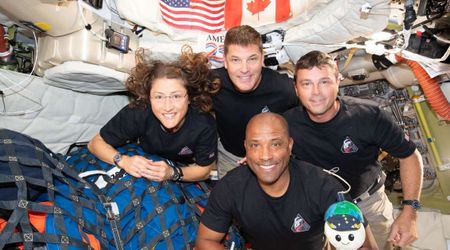
When asked about who the astronauts would prefer to play them in a movie about this mission, commander Reid Wiseman joked that it was above their pay grade. “But one thing we do know for certain is this guy is going to be played by Buzz Lightyear one hundred percent, no doubt,” said Wiseman, taking a playful jab at mission specialist Jeremy Hansen (CSA). Sen. Maria Cantwell of Washington—where the Orion thrusters were built—asked about what we are going to learn from the human eye that the Moon rovers couldn’t tell us. Artemis II pilot Victor Glover responded, “A rover can collect data a lot slower, but the human's going to be able to do it much faster, but then they're also going to come back and tell you how it feels.”
My favorite image so far. Orion, built by human hands in just a few years, set against a moment billions of years in the making. https://t.co/Uabb3N3WG3
— NASA Administrator Jared Isaacman (@NASAAdmin) April 7, 2026
U.S. Congressman Brian Babin of Texas, for his part, wanted to know abou the one moment that the astronauts would choose to relive. Koch said the eclipsed Moon they witnessed from Orion’s perspective was a big contender, calling it one of the most surreal things any of them had ever seen. She also mentioned the launch, adding, “Our entire powered flight on the rocket was shorter than what we’ve done in this press conference so far. Yet it is such an incredibly important part of the mission—a dynamic phase in the mission. And if I could go back and replay it in slow motion to imprint those memories even more, I would do it in a heartbeat.”
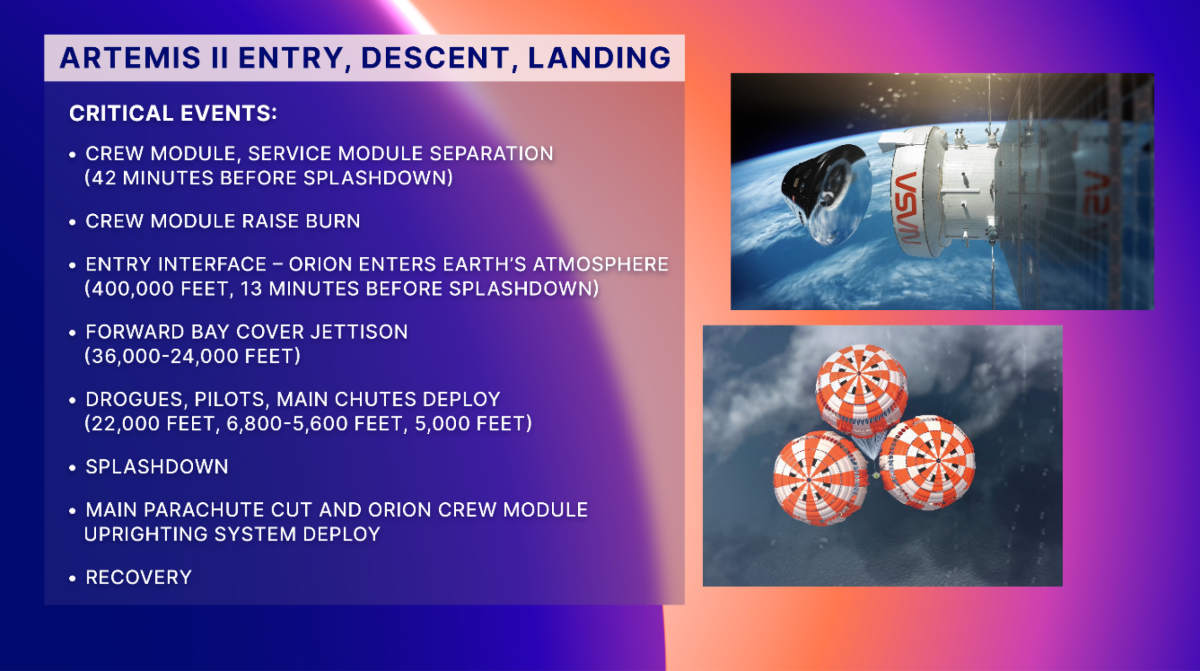
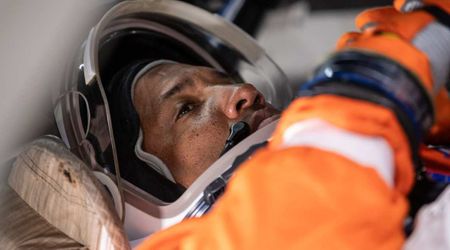
Answering a question from Sen. Mark Kelly of Arizona, Glover spoke about both the intensity of launch, as well as, the challenge of returning to Earth. He explained that the spacecraft will reenter the atmosphere at nearly 40 times the speed of sound before decelerating dramatically. The forces experienced by the crew, he said, will be comparable to launch, reaching just over 3 Gs during a normal entry. “When we touch down, the heat shield and the parachutes are going to get us nice and slow so that we touch down at about a 20 mph splashdown in the Pacific,” Glover added.
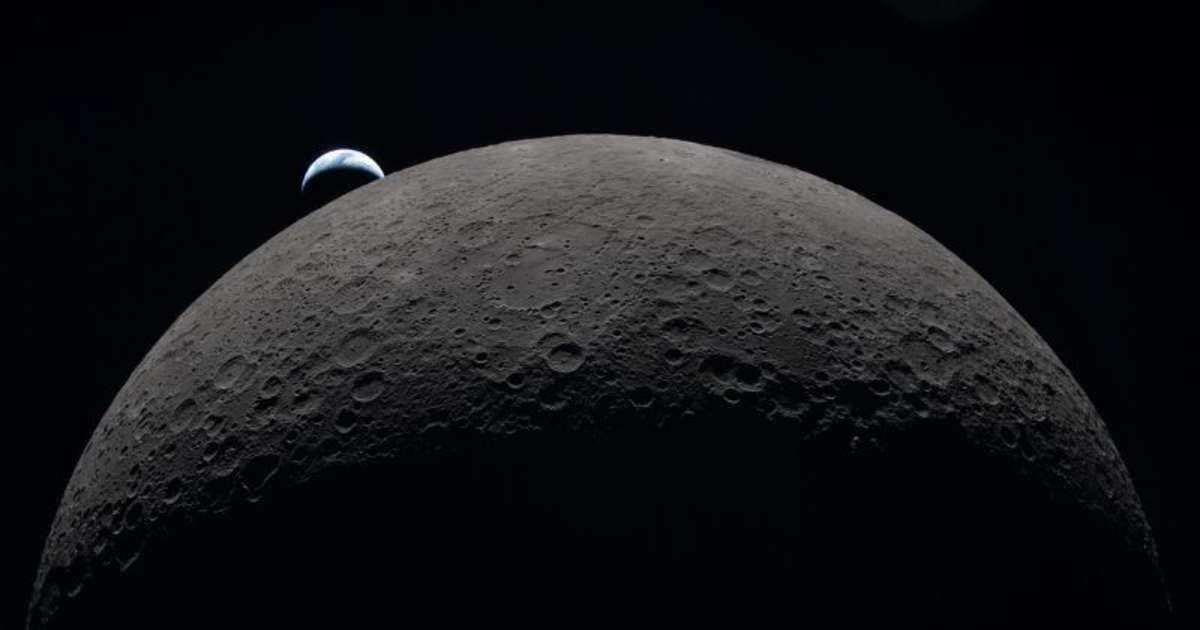
Hansen spoke to Congresswoman Grace Meng of New York about the stark difference between simulation and reality. He explained how astronauts spend extensive time rehearsing both the first and final days of a mission, including the rocket’s upper stage separation and proximity operations. “And in space, it’s nothing like that,” Hansen said. “We were all sitting in here waiting for that moment. Then all of a sudden, we’re all pinned to the floor like, ‘Well, I guess we separated.’”
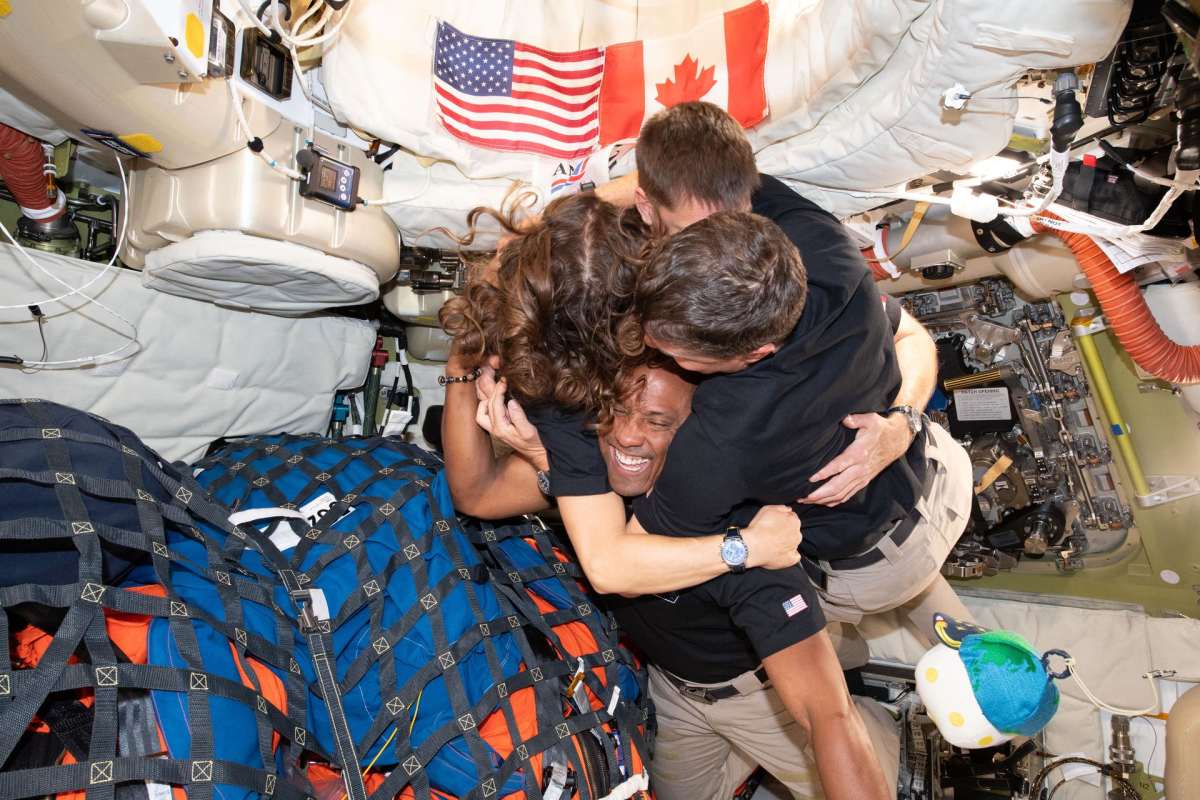
While discussing representation and milestones with Congresswoman Valerie Foushee of North Carolina, Koch said the crew doesn’t necessarily see any one individual as deserving of accolades for being firsts, with her being the first woman and Glover being the first person of color to fly to the Moon. “What we see is something to celebrate that we are in a time when everyone who has a dream has to work equally and gets to work equally hard to achieve that dream,” she added. Responding to a question from Congresswoman Zoe Lofgren of California on what the crew hopes for humanity to take away from this mission, Glover remarked that there's nothing that we can't accomplish when we pull all of our differences together. “Not in spite of them, but when we pull them together and we work on something big for the good of everyone,” he added.
“This is a relay race.”
— NASA Artemis (@NASAArtemis) April 9, 2026
Mission specialist Christina Koch describes how the Artemis II astronauts have not only been focused on their mission — but on all future Artemis missions, which will build on their lessons learned and successes. pic.twitter.com/lXTOCk9Onv
When Congressman Hal Rogers of Kentucky asked about what the mission says about America’s determination in space, “It is incredible that we can go out and do this,” said the commander. “There is nothing this nation cannot do when it has a vision.” Finally, addressing Sen. Ashley Moody of Florida, Wiseman concluded, "We are in the golden age of space exploration right now thanks to the leadership of Jared Isaacman and our political leaders, many of whom are gathered here right now."
More on Starlust
Artemis II splashdown is scheduled for April 10—here's how NASA will bring the crew home safely