The Sun's magnetic 'engine' is located 200,000 kilometers below its surface, new study claims
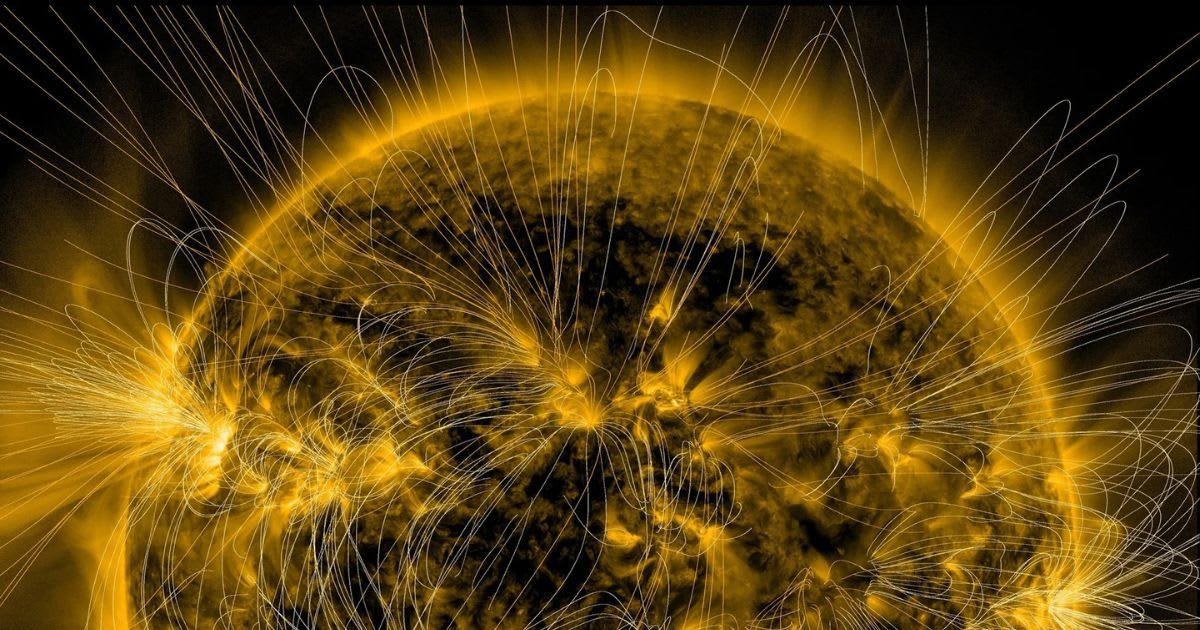
Researchers at the New Jersey Institute of Technology (NJIT) have conducted a study to identify the likely location of the Sun’s magnetic "engine," about 200,000 km beneath its surface. This hidden dynamo is said to drive the solar magnetic cycle every eleven years, when the Sun's magnetic field flips, leading to sunspots and subsequent eruptions like solar flares and coronal mass ejections (CMEs). Helioseismology data from over three decades hint that the star’s magnetic engine originates near its tachocline, which separates the Sun’s turbulent outer convection zone from its calmer radiative interior.
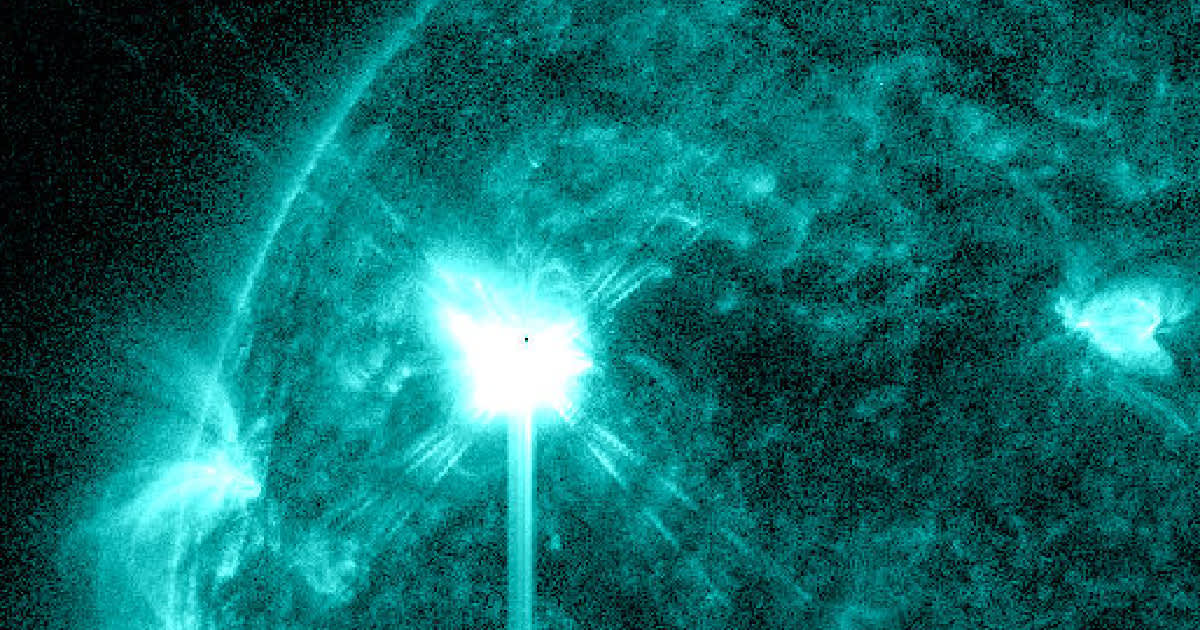
To conduct the study, which has been published in Nature Scientific Reports, the physicists at NJIT had to undertake an analysis of billions of helioseismology measurements. Helioseismology is nothing but studying shifts in the travel times of sound waves through the Sun's interior that show how hot plasma moves and rotates deep inside. This exposes bands of faster and slower subsurface rotation. Instruments such as the Michelson Doppler Imager (MDI) on NASA’s SOHO spacecraft, the Helioseismic and Magnetic Imager (HMI) on NASA’s Solar Dynamics Observatory, and the ground-based Global Oscillation Network Group (GONG) provided the necessary data.
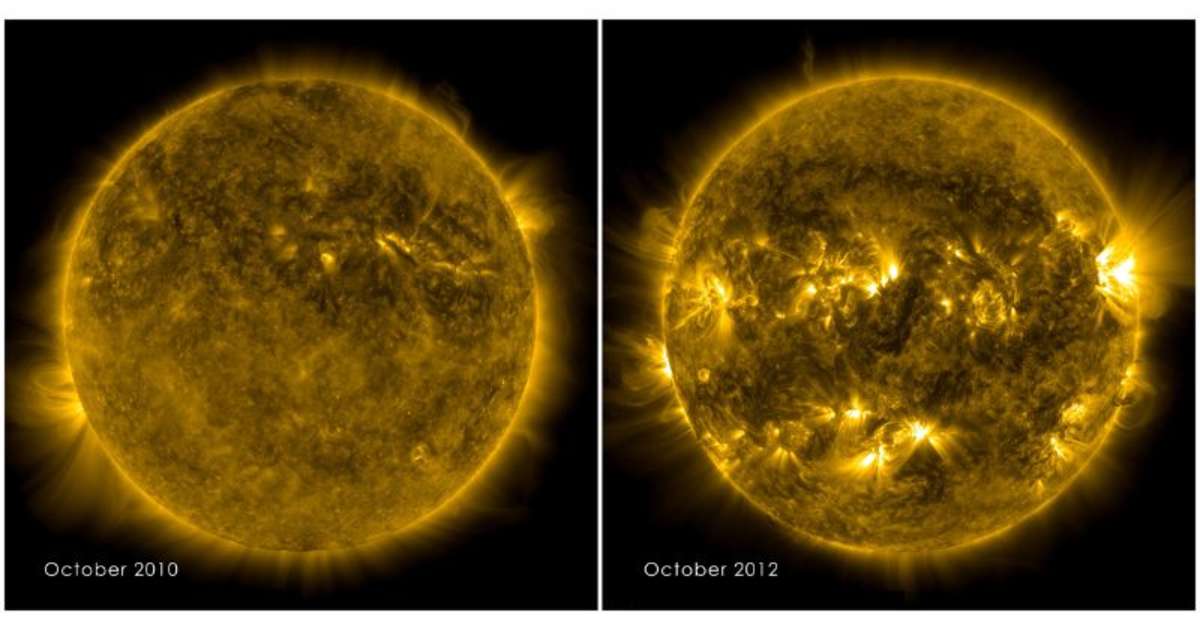
These instruments have recorded solar vibrations every 45 to 60 seconds since the mid-1990s, making the study’s final merged dataset one of the longest records of the Sun’s internal structure. “Helioseismology is still a young field … reliable observations only began in the mid-1990s when GONG first came online,” explained Krishnendu Mandal, lead author and NJIT research professor of physics, in a statement. “Now, with nearly three 11-year solar cycles of data, we’re finally seeing clear patterns take shape that give us a window inside the star.” Analysis of this data indicated that the rotating bands form a butterfly-like flow pattern akin to the sunspot migration that later happens on the surface. This breakthrough in surface and plasma links led to further analysis, which hinted that the tachocline (200,000 km below the surface) could be the birthplace of the solar dynamo.
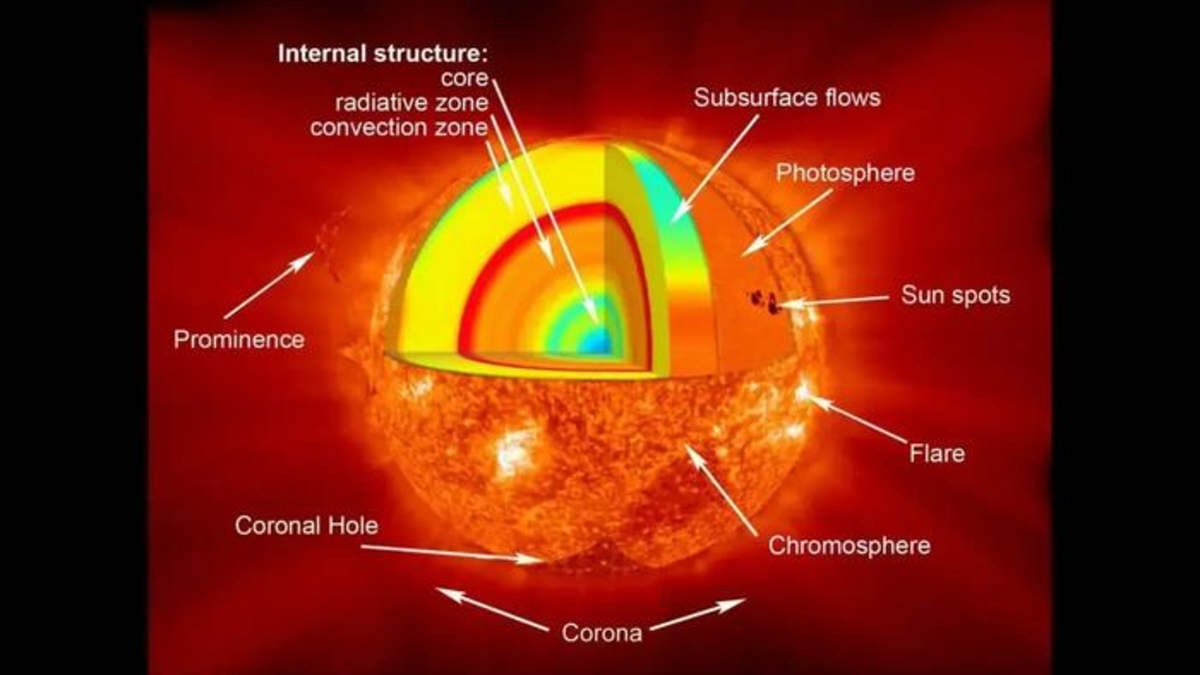
The Sun’s rotation changes abruptly across the tachocline. This generates strong shearing flows capable of powering the Sun’s magnetic fields. “Rotation bands originating from magnetic structural changes near the Sun's tachocline can take several years to propagate to the surface,” Mandal said. “Tracking these internal changes gives us a clearer picture of how the solar cycle unfolds.”

Locating the Sun’s magnetic engine could massively improve current space weather forecasting models. Solar storms and CMEs pose a serious threat to Earth’s satellites, power, and communication systems, as well as to astronauts in orbit. “While our findings do not yet enable precise predictions of future solar cycles, they highlight the importance of including the tachocline in space weather prediction models,” Mandal said. “Many current simulations account for processes only on near-surface layers, but our results show the entire convection zone, especially the tachocline, must be considered.”
More on Starlust
Scientists create 3D map of the sun's magnetic interior to help improve predictions of solar flares
Scientists finally uncover the mysterious solar feature controlling the Sun's magnetic power