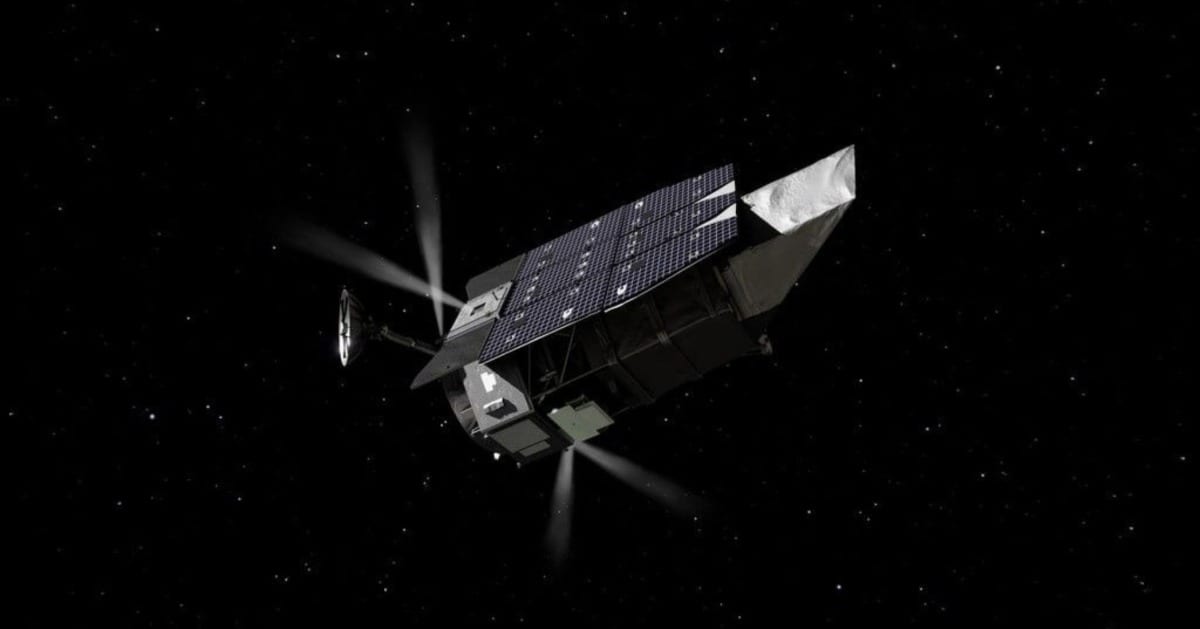
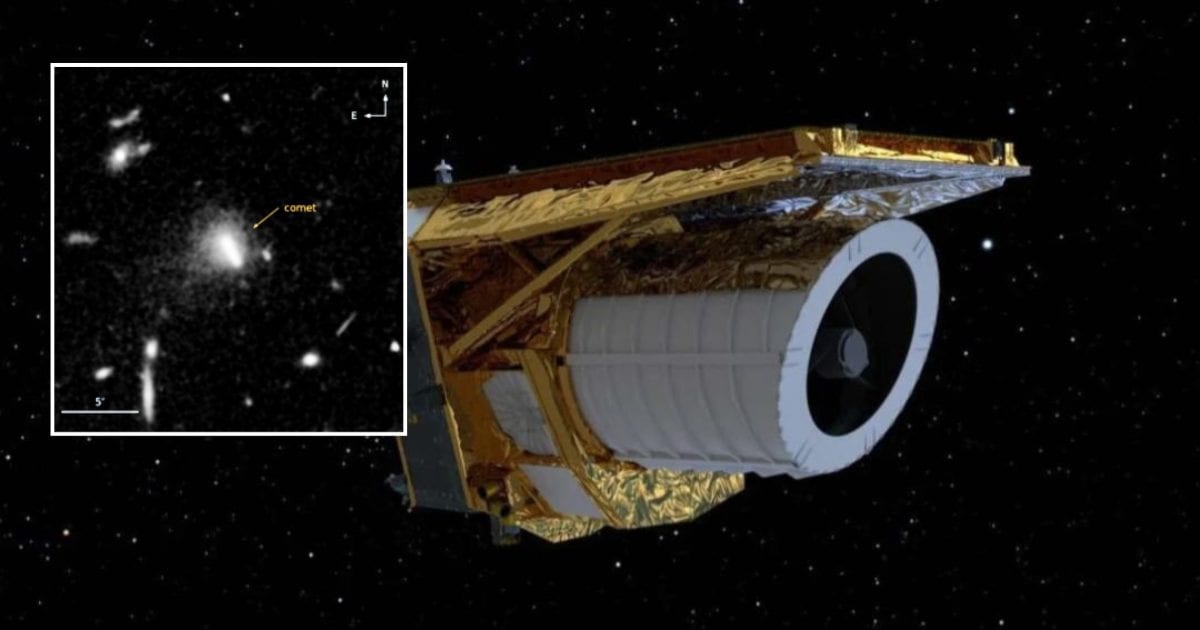
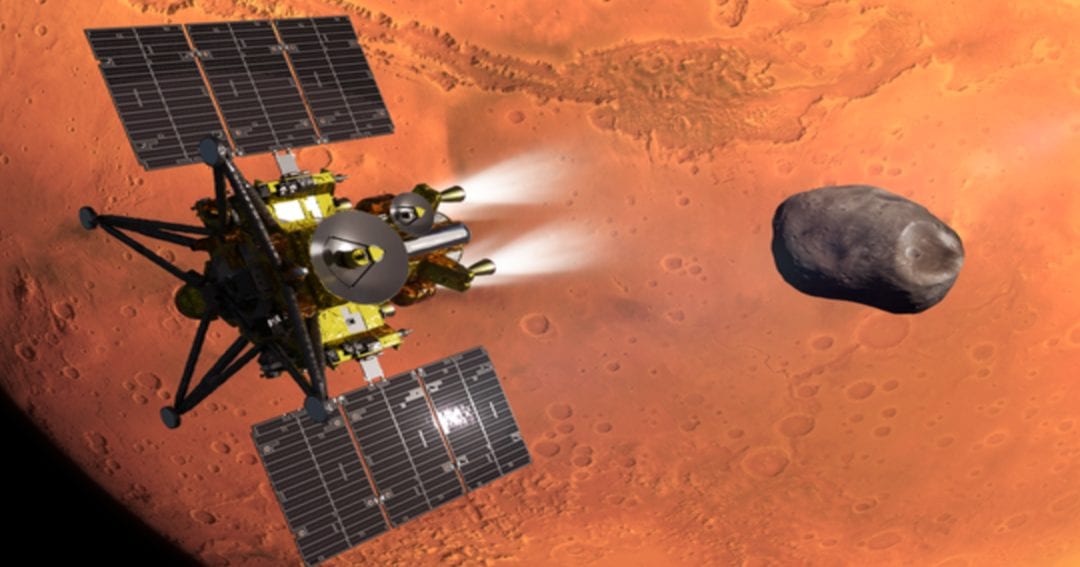
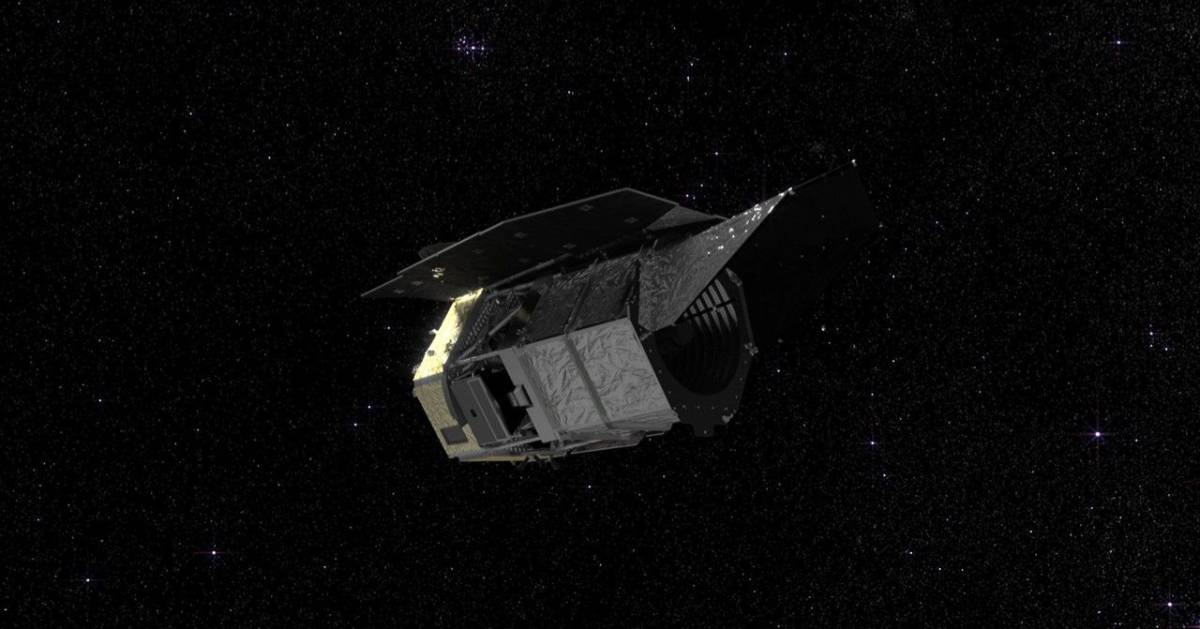
The Rubin Telescope’s 3,200-megapixel eye is the largest digital camera ever — and it's built to scan the sky

Astrophysics, often described by its practitioners as "the story of everything," seeks to unravel the mysteries of stars, galaxies, dark matter, and dark energy. Yet, as the late astronomer Vera Rubin cautioned in her autobiography, scientists "too seldom stress the enormity of our ignorance," as per the recent article on Scientific American.

Rubin wrote, “No one promised that we would live in the era that would unravel the mysteries of the cosmos.” However, a new conservatory bearing her name, the Vera C. Rubin Observatory, is on the cusp of doing just that. Set to open its eyes soon, the observatory promises to bring humanity closer than ever to understanding the universe through a revolutionary yet remarkably straightforward approach: it will just look out at the universe and see what there is to see. This direct observation method is expected to yield unprecedented insights into the cosmos.
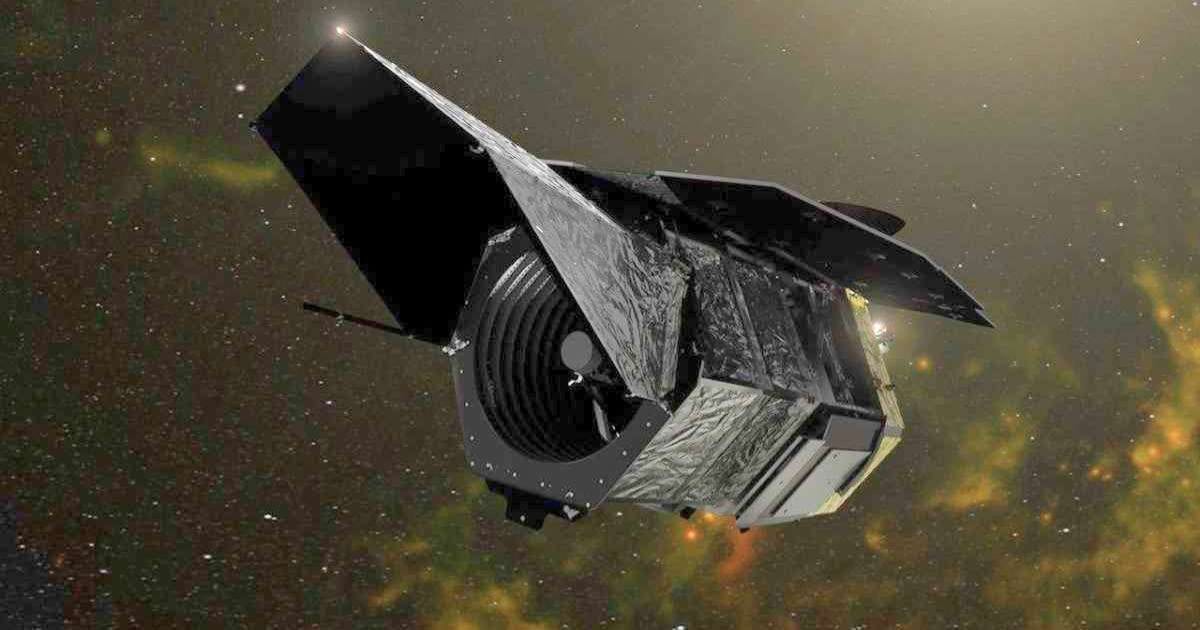
The model of NSF-DOE @VRubinObs is shown with the finished product on Cerro Pachón, Chile. Rubin will revolutionize the way we explore the cosmos, creating the ultimate movie of the night sky using the largest camera ever built.
— NOIRLab (@NOIRLabAstro) June 12, 2025
📷NOIRLab/NSF/AURA/SLAC/P. Horálek/O. Bonin pic.twitter.com/QQH6lVt66V
Perched atop a mountain in the Chilean Andes, the Vera C. Rubin Observatory's telescope is fully assembled and operational, though not yet available for scientific use. Engineers are conducting final tests on its colossal camera (the largest in astronomical history, featuring a lens over 1.5 meters wide) to ensure optimal performance. Scientists are meticulously observing how Earth's gravity causes the telescope's three massive glass mirrors to subtly sag and how this will impact the collection of individual photons, some of which have journeyed billions of light-years to reach us. They're also assessing the 350-metric-ton telescope's remarkable agility: its ability to rapidly scan an area of sky equivalent to seven full moons, stabilize instantly, capture two 15-second exposures, and repeat this process throughout the night.

This rigorous operational cycle will enable the Rubin Observatory to survey the entire Southern Hemisphere sky every three nights, continuously updating an all-sky map and tracking cosmic changes. Concurrently, computer scientists are finalizing strategies to process an unprecedented 20 terabytes of data nightly, 350 times the daily data volume of the James Webb Space telescope. Specialized software will automatically detect differences between successive sky maps, generating up to 10 million alerts per night about potential new objects or cosmic events, ensuring no significant discovery is missed amidst the constant stream of images, as mentioned by the outlet.
Each image will cover the area of 45 full moons! Every 3–4 nights, Rubin will cover the entire southern hemisphere sky.
— NSF-DOE Rubin Observatory (@VRubinObs) June 16, 2025
Each picture will wavelengths from near ultraviolet to near-infrared, and will generate trillions of measurements of billions of objects.
The Rubin Observatory is poised to transform virtually every aspect of visible-light astronomy. Over its planned 10-year mission, it will tirelessly map the sky, searching for everything from Earth-grazing asteroids and faint brown dwarfs to studying the mysteriously smooth rotation of galaxies shaped by dark matter. This comprehensive approach means it could be the best-equipped observatory yet to tackle astrophysics' most profound questions.
“The potential for discovery is immense,” remarked Christian Aganze, a galactic archaeologist at Stanford University, who plans to use the observatory’s data to unravel the Milky Way's history. To put the observatory's data-gathering prowess into perspective: the Rubin Observatory is expected to collect more data in its inaugural year alone than all other telescopes in human history combined. This monumental effort will effectively double the amount of astronomical information available, profoundly impacting our understanding of the universe and our place within it.