SpaceX's Starship deploys eight dummy satellites in latest launch, splashes down in the Indian Ocean

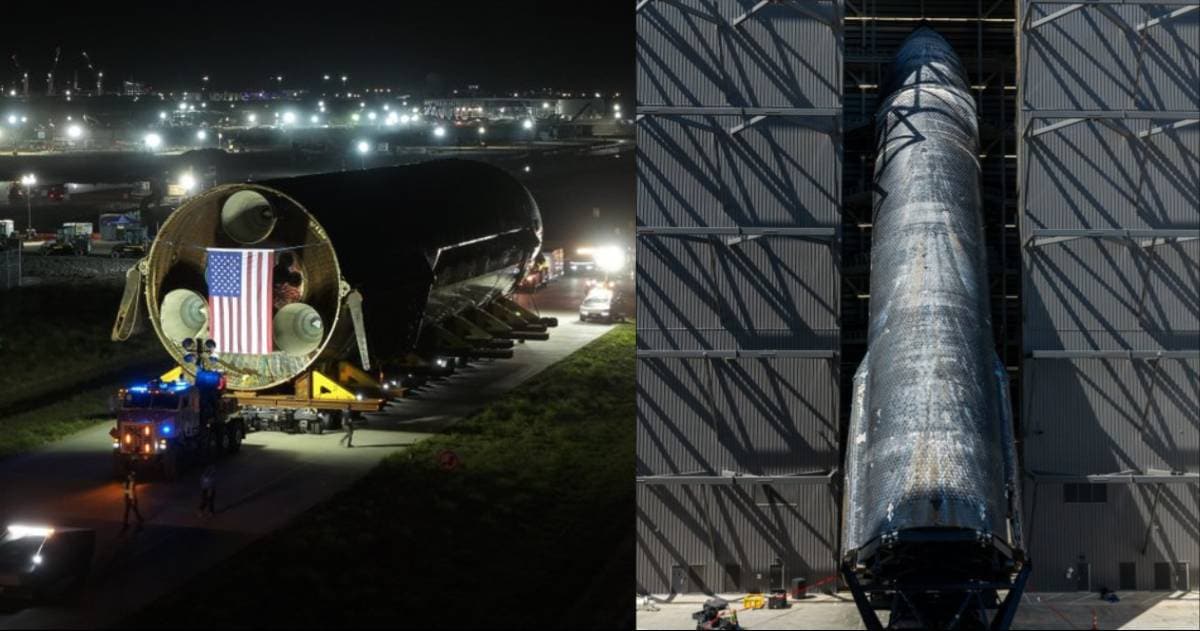
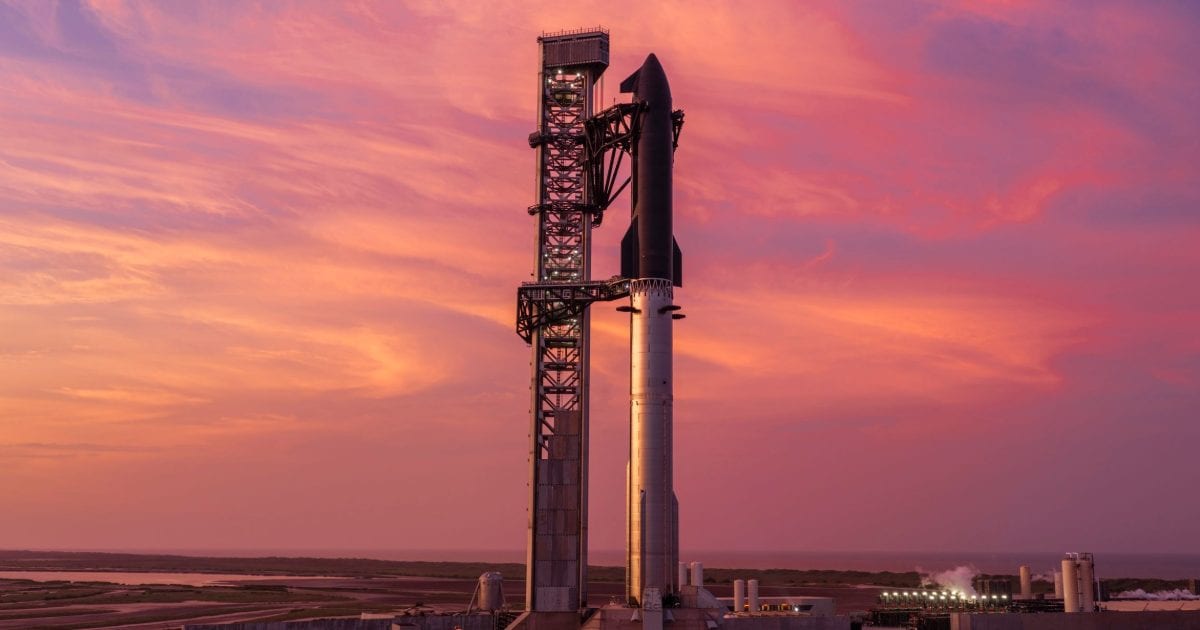
SpaceX launched its latest test of the mega rocket Starship on Tuesday night and completed the first-ever deployment of a test payload. The mission sent out eight dummy satellites into space as part of the test, according to PBS News. After cruising through space for an hour, Starship achieved a planned splashdown in the Indian Ocean. The mission blasted off from the SpaceX launch site in South Texas, Starbase, after 6:30 p.m. local time. This was the 10th test for the world’s biggest and most powerful rocket, expected to take us back to the moon.
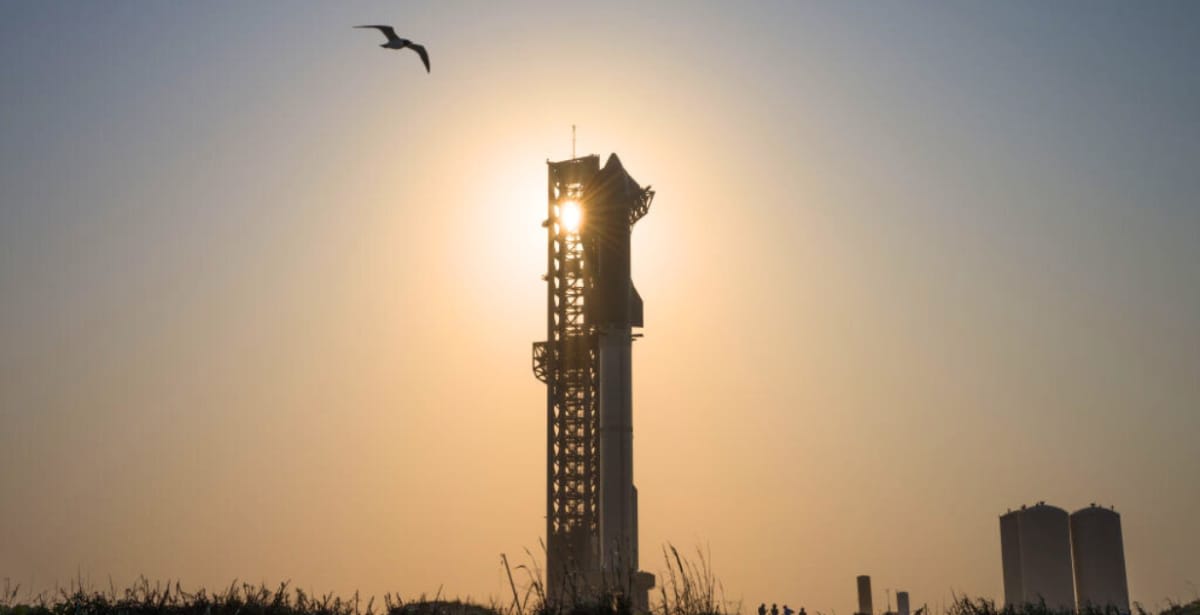
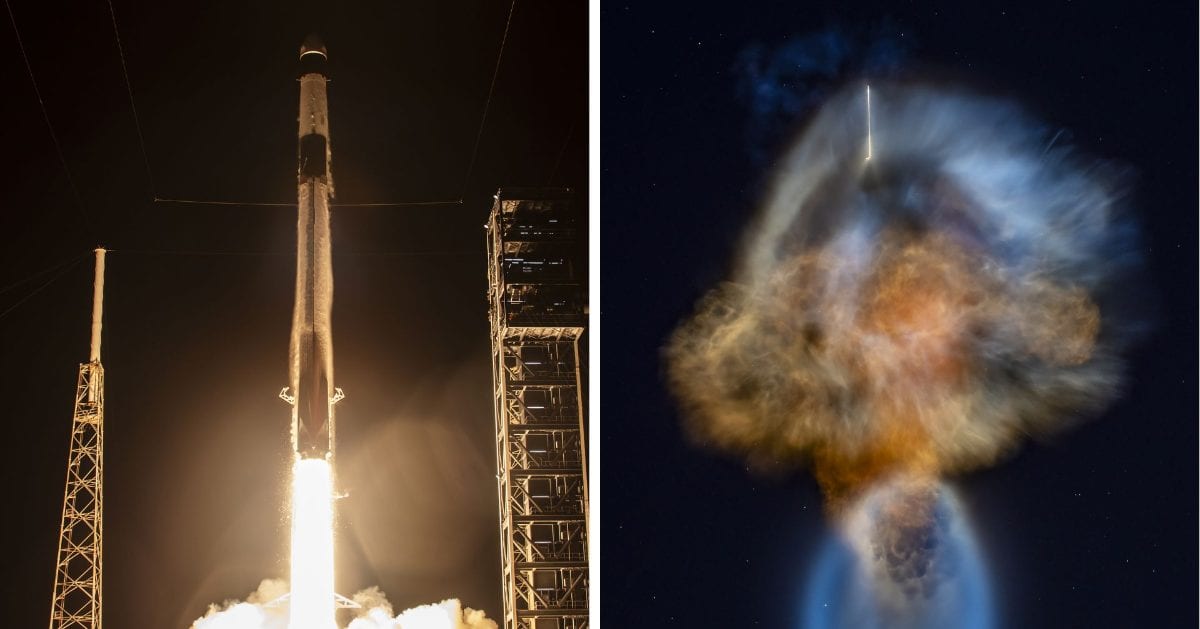
During launch, parts of the engine looked like they exploded, and flaps were swinging after catching fire. The 33 engines on all of the boosters fired up, and after around seven minutes, the booster separated from the spacecraft and fell into the Gulf of Mexico, per BBC. Starship attained a maximum height of almost 200km above Earth. The rocket was put through stress to test its limits, as parts of its flaps looked like they burned during descent. However, this was a welcome success after three failed Starship launches, and one rocket exploding on its test stand in June.
The Starship continued to orbit the Earth as it drifted from the daylight in Texas through the night and back into the daytime. The craft fired its engines before it hit the waves, which flipped its position and turned it upwards, as per PBS News. This ensured that the position of the craft in the water was upright, with the nose pointing up. The demo launch had no crew members on board and met all the criteria of a successful test. This included the successful return of the craft’s Super Heavy Booster, which splashed down in the Gulf after testing a landing-burn engine sequence.
SpaceX launched the latest test of its mega rocket Starship on Tuesday night and completed the first-ever deployment of a test payload — eight dummy satellites — into space.
— The Associated Press (@AP) August 27, 2025
After just over an hour coasting through space, Starship splashed down as planned in the Indian Ocean. pic.twitter.com/2nZ3u5HxNE
This test is a blessing in disguise for SpaceX, which experienced a series of unfortunate mishaps in the past. The successful demo followed the trail of back-to-back tests in January and March, which ended minutes after liftoff. SpaceX likely gathered a full set of data from take-off, cruising, and landing, according to Dr Simeon Barber, a planetary scientist at the Open University. The first version of the rocket had five successful launches, but the newest version ended in explosions every time, as per the BBC.
An explosion in March grounded flights, rained debris over the Bahamas, and pieces landed in the Turks and Caicos Islands in the Caribbean. The test in May 2025 was called quits when the spacecraft broke apart after going out of control. The Super Heavy booster was later redesigned with larger and stronger fins for better stability. SpaceX and NASA are collaborating on the plan, with two Starships already ordered by the space agency. The mission is expected to land astronauts on the moon later this decade, per PBS News.
Latest launch of SpaceX Starship completes first-ever payload deployment of 8 dummy satellites. pic.twitter.com/QmzqHnmTEx
— The Associated Press (@AP) August 27, 2025
"This is also a big step forward for NASA's Artemis program, but there's still a lot of development work to happen to get this spacecraft ready and to be rated to carry humans safely to the Moon," Dr Barber stated, as per the BBC. SpaceX CEO Elon Musk is focused on his ultimate goal of conquering Mars, as he wants Starship to be certified for human travel as early as next year. SpaceX has been on a track of failing fast and learning fast, without taking a moment of retrospection. Every mishap was stated by the company to be a chance to collect performance data.