Southern Delta Aquariids and Alpha Capricornids meteor showers to light up the sky in July — when and how to watch

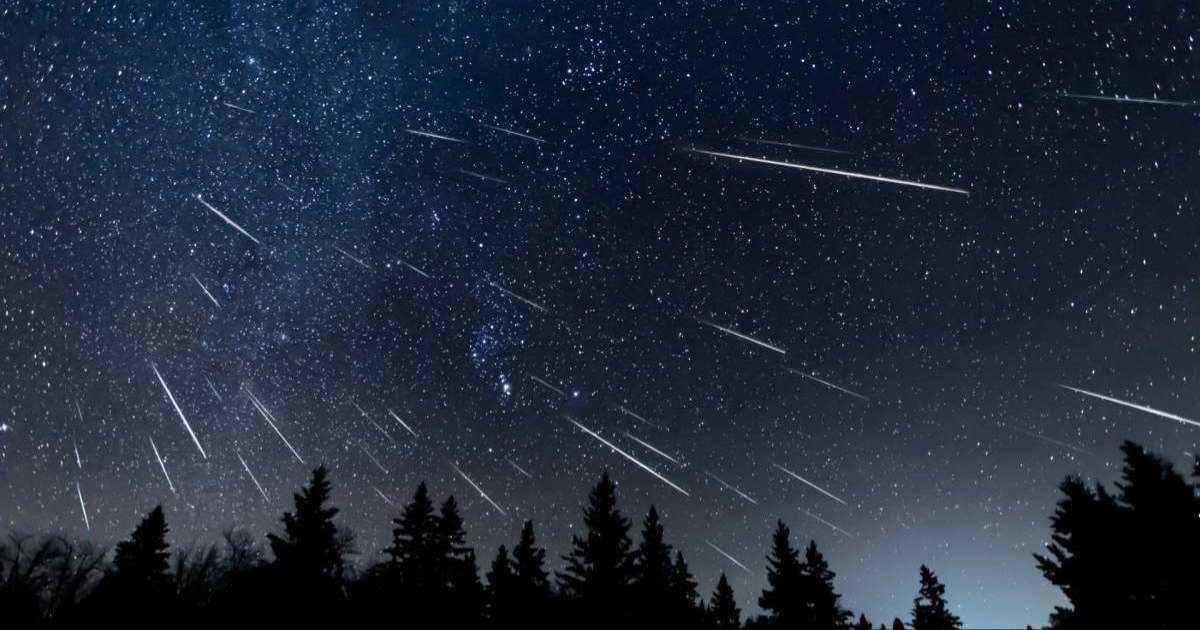
As July unfolds, stargazers across the globe can anticipate a spectacular celestial show, with two prominent meteor showers, the Southern Delta Aquariids and the Alpha Capricornids, gracing the night sky. These annual events offer a fantastic opportunity for both seasoned astronomers and casual observers to witness meteors streaking across the darkness. Understanding the unique characteristics of each shower and optimal viewing strategies will enhance the experience, ensuring you don't miss these fleeting but beautiful phenomena.

Southern Delta Aquariids
The Southern Delta Aquariids are active from July 18 to August 12, 2025, with their peak night expected on July 29-30. These meteors are suspected to originate from Comet 96P Machholz. Known for their iften fainter meteors, successful viewing largely depends on a moonless sky to avoid light interference. Under dark conditions, observers can expect to see about 7 to 8 meteors per hour, travelling at a velocity of 25 miles (40 kilometers) per second, according to NASA.

The radiant point for this shower is in the constellation of Aquarius. For those unable to catch a peak, these meteors can still be identified during the subsequent Perseid shower in August. A key identifier is their radiant point: Southern Delta Aquariids appear to originate from the southern constellation of Aquarius, differentiating them from the northern-radiant Perseids.
To maximize your chances of witnessing the Southern Delta Aquariids, particularly if you are in the Southern Hemisphere or the southern latitudes of the Northern Hemisphere, seek out a dark location well away from city or street lights. For optimal viewing, focus your gaze halfway between the horizon and the zenith, about 45 degrees from the constellation Aquarius. Patience is crucial; the show can last until dawn, providing ample time to catch a glimpse of these elusive meteors.

Alpha Capricornids
While several minor meteor showers may be confused due to their proximity in the constellations of Aquarius and Capricornus, the Alpha Capricornids distinguish themselves with their higher rates of activity. This shower's main activity dates are July 5 to August 15, with peak expected on July 31. During its peak, the shower has a Zenithal Hourly Rate (ZHR) of 5, as per the Society for Popular Astronomy.

A significant characteristic that sets the Alpha Capricornids apart is their slower speed and tendency to produce brighter meteors compared to the medium-speed, fainter Southern Delta Aquariids. This difference in velocity and luminosity can be a helpful guide for observers trying to differentiate between the two showers. The International Meteor Organization (IMO) specifically lists the Southern Delta Aquariids and Alpha Capricornids separately, acknowledging their distinct features and more prominent activity, while grouping many lower-activity showers under the umbrella of the "Antihelion Source."
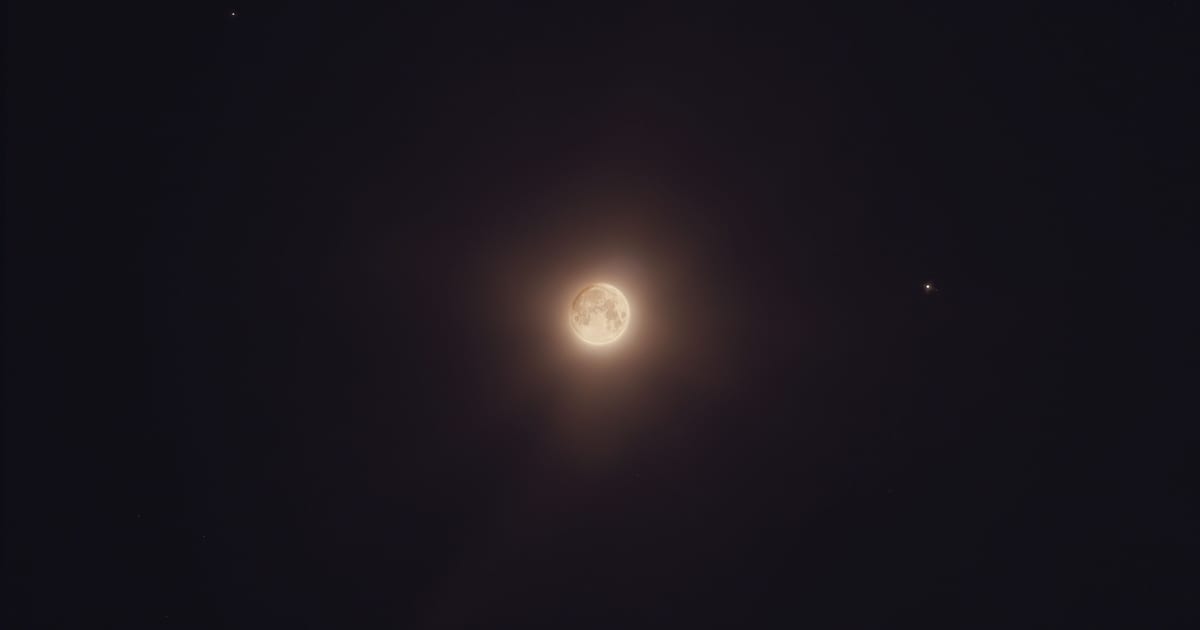
The Alpha Capricornids are visible all night and are best observed around the middle of the night. While a waxing crescent moon will be present, it is expected to set around midnight, minimizing its impact on viewing conditions for the latter part of the night.
To fully appreciate these upcoming celestial events, it's helpful to understand what meteor showers are. Scientists estimate that approximately 48.5 tons (44,000 kilograms) of meteoritic material descends upon Earth daily. However, nearly all of this debris vaporizes upon entering our planet's atmosphere, creating the brilliant streaks commonly known as "shooting stars." While a few meteors can typically be observed on any clear night, a dramatic increase in their frequency signals a meteor shower, according to NASA.