Scientists made the longest-ever observation of a super-active solar region—and the results stunned them
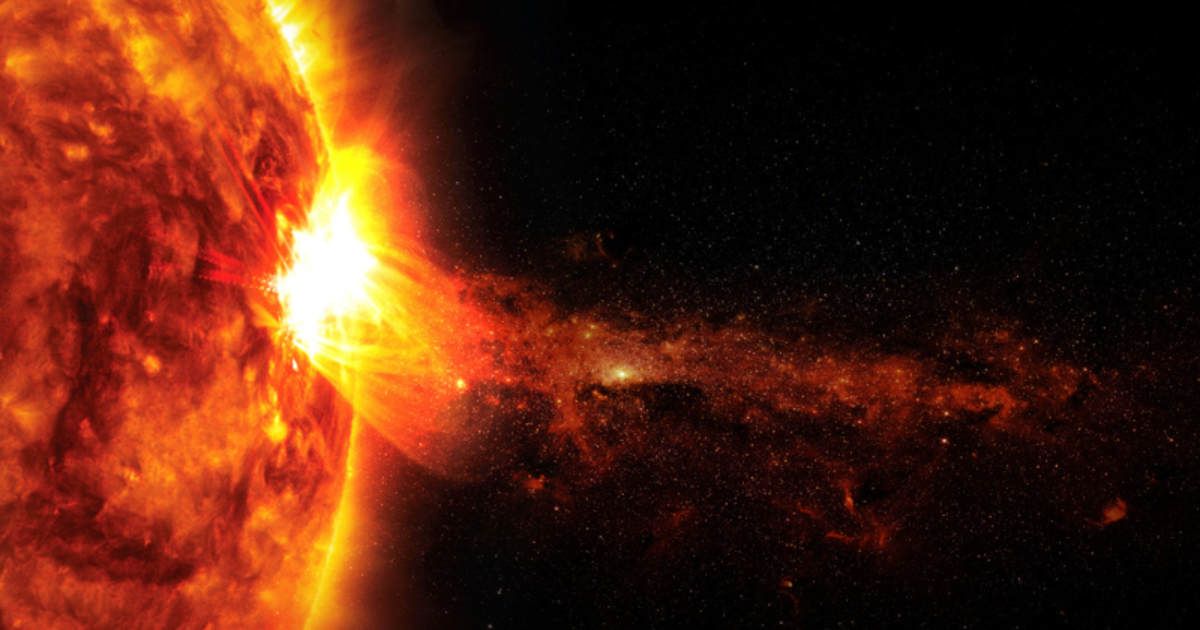
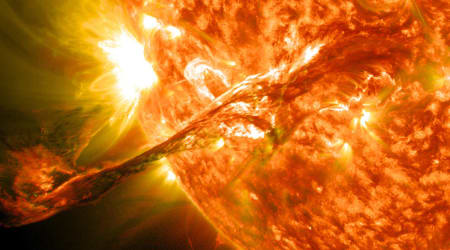
In May 2024, the Sun unleashed its most powerful space weather event in more than two decades. Brilliant auroras lit up skies far beyond their usual polar limits, while disruptions rippled through satellites, communications systems, and modern technology on Earth. Now, scientists say this historic storm has led to important insights, thanks to the longest continuous observation ever made of a single active region on the Sun. An international research team led by scientists at ETH Zurich has successfully tracked an exceptionally active solar region across three full solar rotations, offering a new look at how powerful solar storms form, evolve, and erupt.
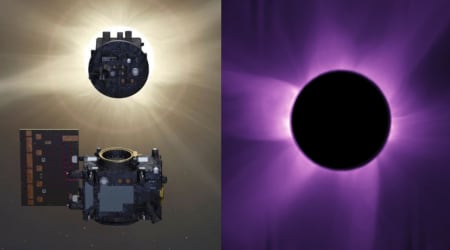
The Sun rotates once every 28 days, but from Earth, any given active region can be observed for only about two weeks before it disappears from view on the far side. This observational gap has long limited scientists' ability to follow how solar regions change over time. “Fortunately, the Solar Orbiter mission, launched by the European Space Agency (ESA) in 2020, has broadened our perspective,” said Ioannis Kontogiannis, solar physicist at ETH Zurich and the Istituto Ricerche Solari Aldo e Cele Daccò (IRSOL) in Locarno, in a statement.
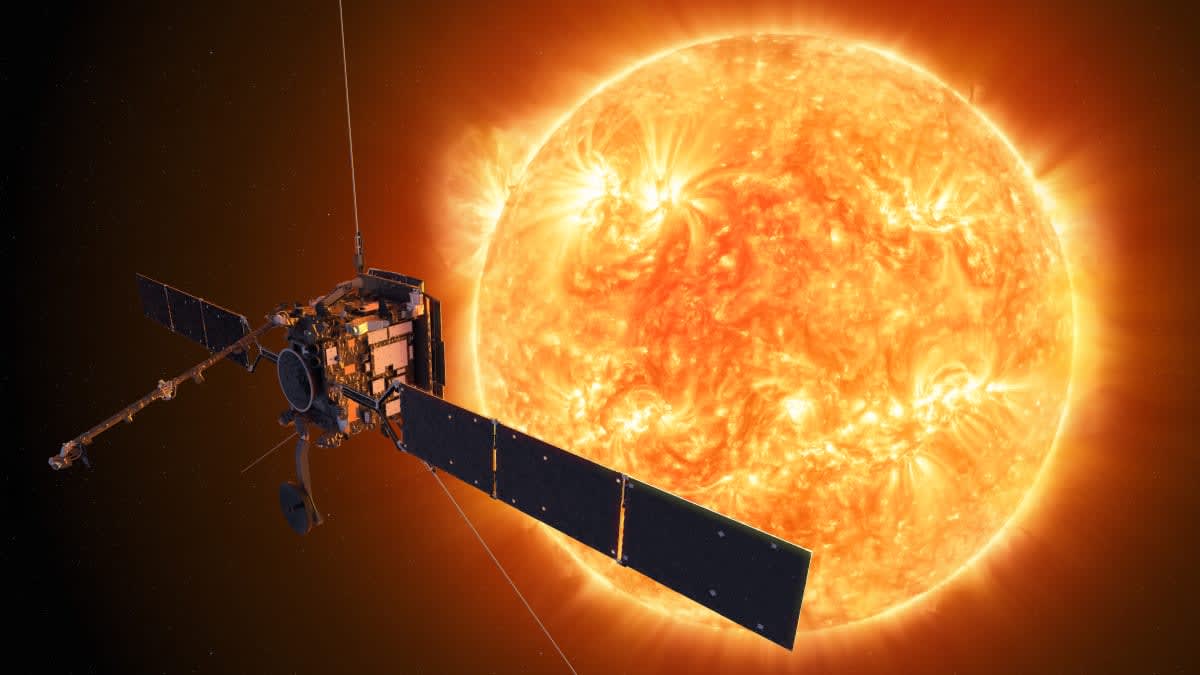
Solar Orbiter circles the Sun every six months and can observe its far side, an ability that proved crucial between April and July 2024. During this period, the spacecraft monitored NOAA 13664, one of the most active solar regions in the past twenty years. It was this region that had rotated to face Earth in May 2024, triggering the strongest geomagnetic storms since 2003. “This region caused the spectacular aurora borealis that was visible as far south as Switzerland,” says Louise Harra, professor at ETH Zurich and director of the Davos Physical Meteorological Observatory.
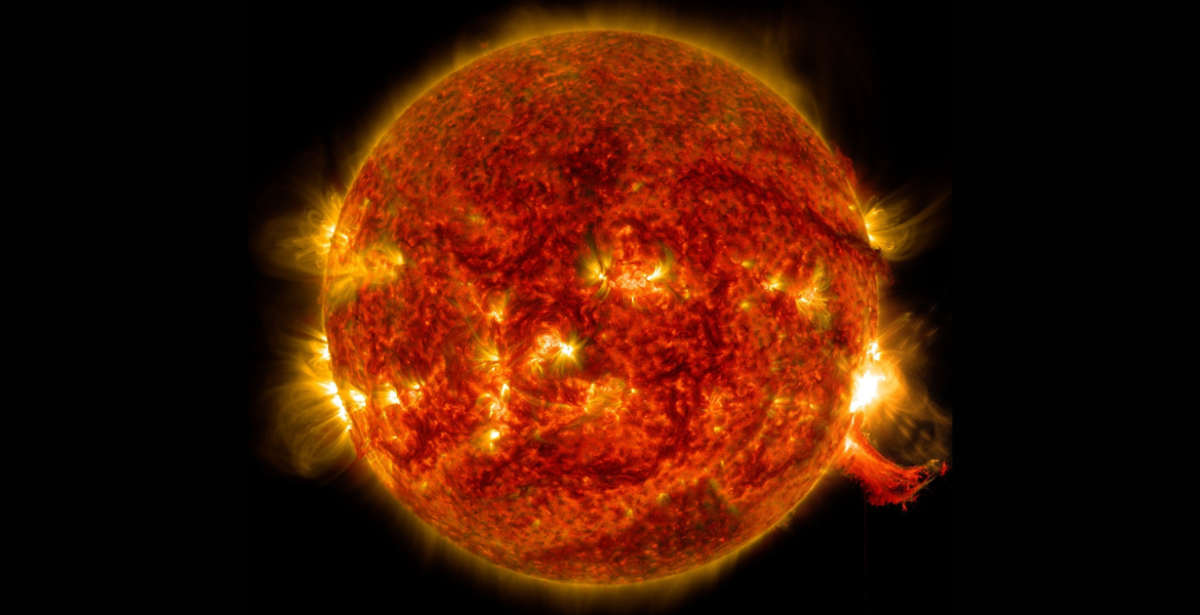
To fully understand how such superactive regions evolve and impact Earth, Harra and Kontogiannis assembled an international team that combined data from two spacecraft. Solar Orbiter observed NOAA 13664 on the far side of the Sun, while NASA’s Solar Dynamics Observatory, positioned along the Earth-Sun line, monitored the near side. This dual perspective allowed scientists to follow the region almost continuously for 94 days.
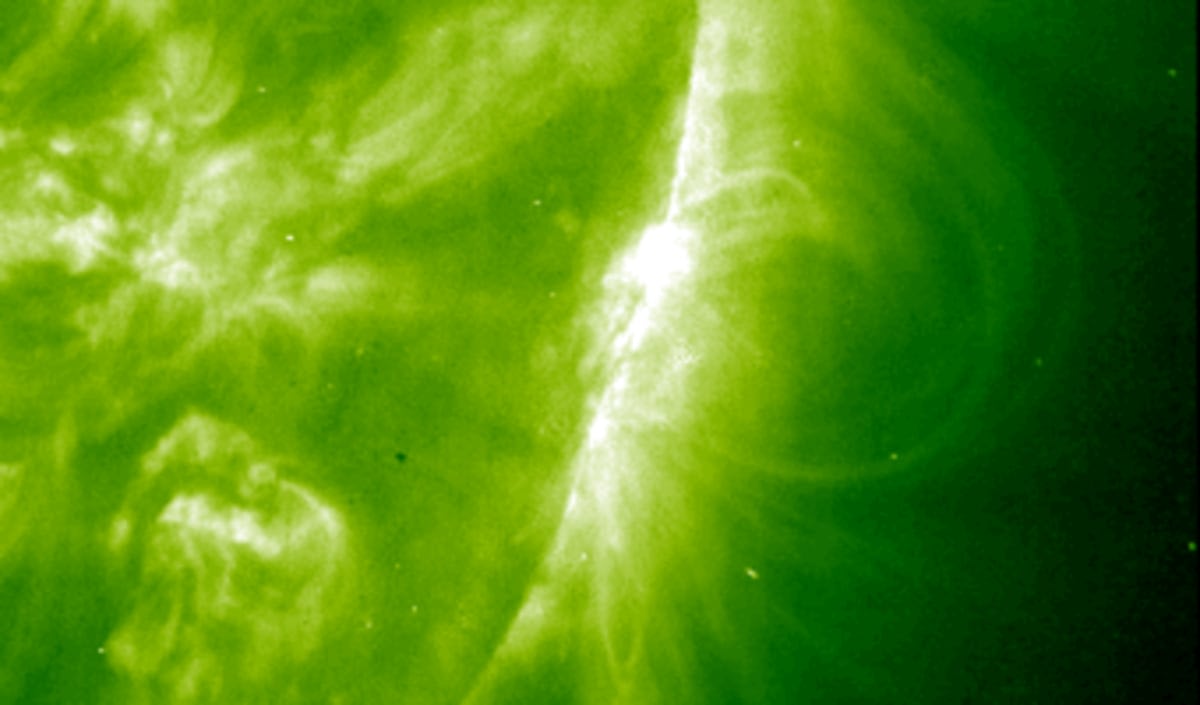
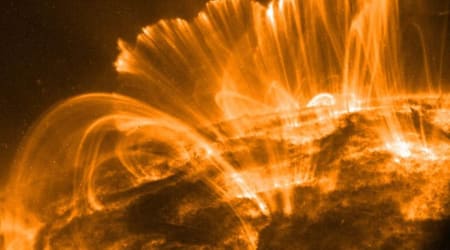
The team observed the birth of NOAA 13664 on April 16, 2024, and tracked how it changed and evolved until its decay on July 18, 2024. Active regions form when strongly magnetized plasma rises to the Sun’s surface, creating tangled magnetic fields. These complex structures can suddenly release vast amounts of energy in the form of solar flares and coronal mass ejections. When directed toward Earth, these events can disrupt power grids, interfere with navigation systems, damage satellites, and increase radiation exposure for aircraft crews.
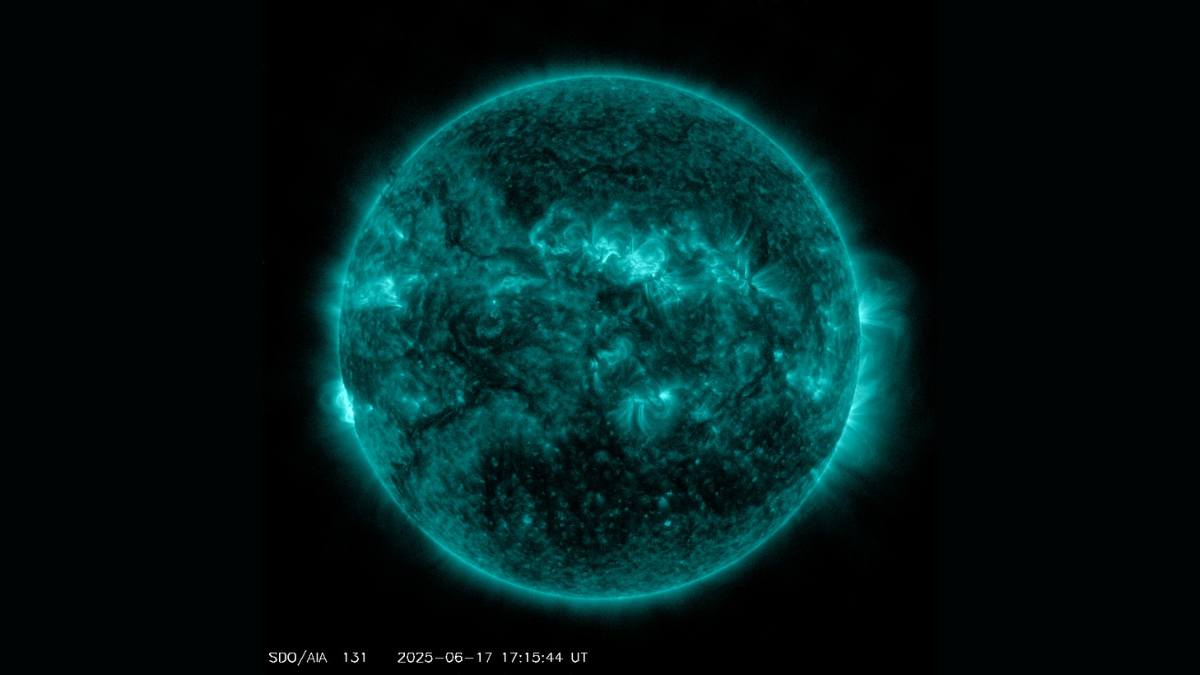
Observations of NOAA 13664 over multiple rotations showed its magnetic field growing increasingly twisted and interconnected. This buildup of complexity was what ultimately led to the massive flare on May 20, 2024, which even disrupted digital agriculture, among other things.
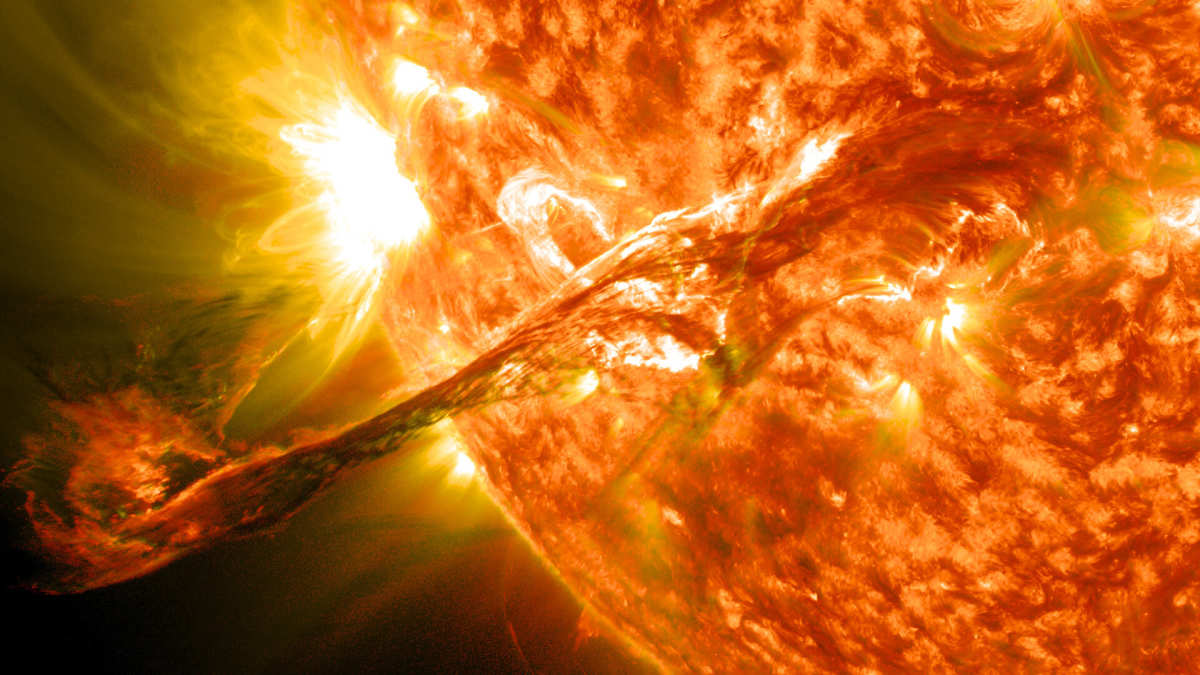
The researchers hope these findings will lead to more accurate space weather forecasts. While scientists can identify regions with high eruption potential, predicting exactly when and how such eruptions will occur remains difficult. “We’re not there yet,” Harra says. “But we’re currently developing a new space probe at ESA called Vigil, which will be dedicated exclusively to improving our understanding of space weather.” The mission is planned for launch in 2031.
More on Starlust
NASA's IXPE successfully studies a distant white dwarf star for the first time in history
10 jaw-dropping images captured from the International Space Station in 2025